Philodendron Care Guide for Bigger Leaves and Faster Growth
Published: 30 Jun 2026
Philodendrons are among the most reliable and rewarding houseplants you can grow indoors. They are loved for their lush tropical foliage, adaptability, and relatively low maintenance care requirements. Whether you prefer trailing varieties with heart shaped leaves or large dramatic varieties with bold architectural foliage, these plants can instantly make indoor spaces feel greener and more alive. Their ability to tolerate indoor conditions better than many tropical plants makes them especially popular among both beginners and experienced indoor gardeners.
After growing many philodendron varieties indoors, one thing becomes very clear. These plants are forgiving, but they thrive only when their tropical environment is understood properly. Most indoor problems happen because people treat them like ordinary houseplants without understanding their natural growth habits. Poor lighting, heavy soil, overwatering, and dry air are the biggest reasons they struggle. Once you create the right balance of light, moisture, airflow, and warmth, they grow vigorously and produce beautiful healthy foliage.
Why Grow Philodendron Indoors?
There are many reasons this plant remains one of the most popular houseplants worldwide. The first is appearance. Few indoor plants offer such a wide range of leaf shapes, sizes, colors, and textures. Some varieties have velvety leaves, some have glossy foliage, and others produce dramatic split leaves.
Another major reason is adaptability. Unlike many tropical plants, philodendrons handle indoor conditions surprisingly well. They tolerate moderate humidity, adapt to average room temperatures, and can recover from small care mistakes better than many other houseplants. Many varieties are also fast growers when conditions are right. This makes them especially satisfying for indoor gardeners who enjoy visible growth and fuller plants over time. Benefits include:
- Beautiful tropical foliage
- Beginner friendly
- Fast growing
- Adaptable indoors
- Many unique varieties
- Easy to propagate
Best Philodendron Varieties for Indoor Growing
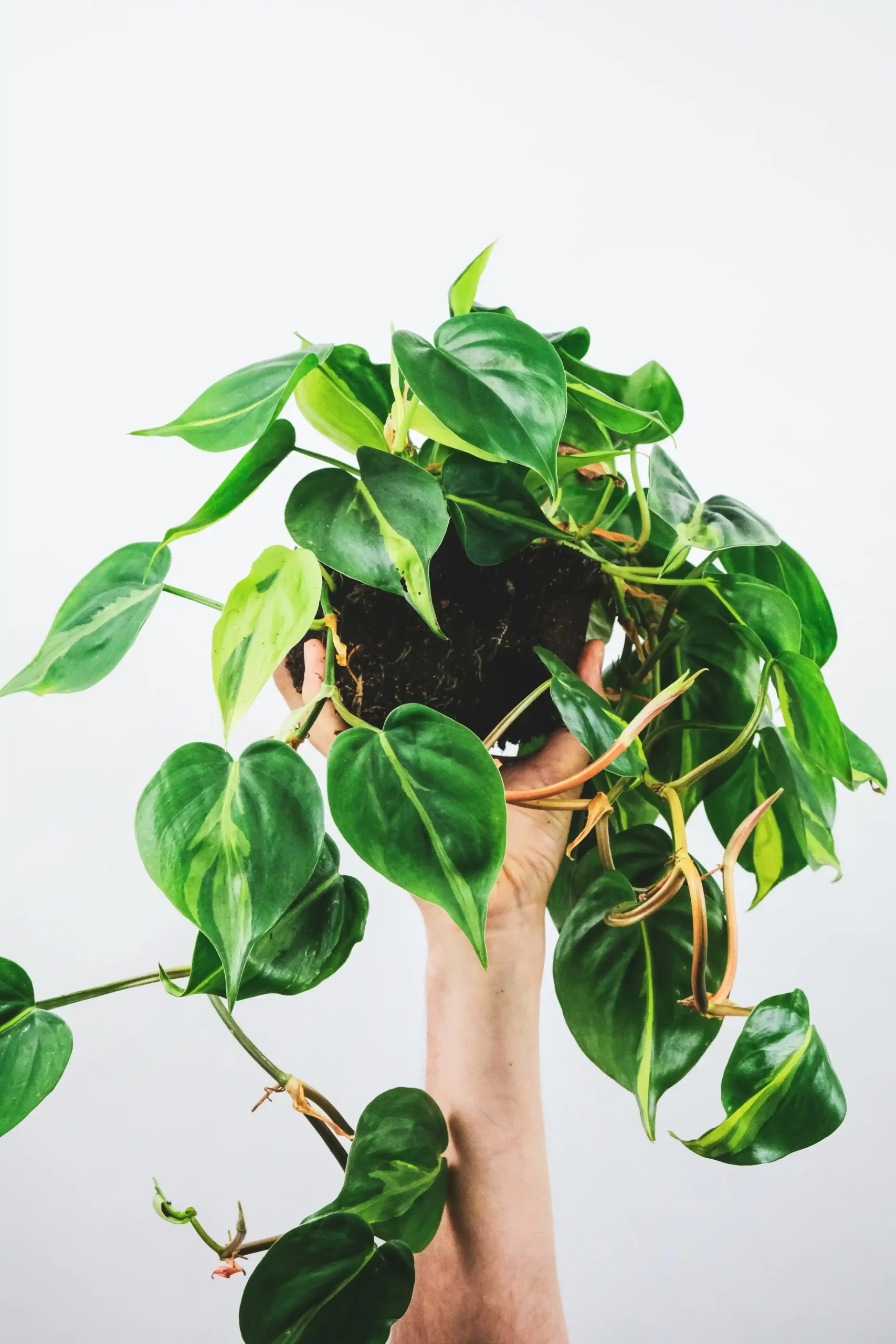
Choosing the right variety depends on your available space, lighting conditions, and personal style. Some varieties climb and need vertical support, while others grow upright and bushy. Heartleaf philodendron is one of the easiest and most forgiving varieties. It grows quickly, tolerates lower light, and is excellent for beginners. Brasil is popular because of its beautiful green and yellow variegation. Micans is loved for its velvety foliage and rich deep green tones.
Birkin has become popular for its striking white pinstriped leaves. Pink Princess is highly desirable because of its dark foliage and pink variegation, though it usually requires better lighting for stronger coloration. Larger varieties like Selloum and Xanadu create a dramatic tropical appearance and work beautifully as statement plants. Popular varieties include:
- Heartleaf
- Brasil
- Micans
- Birkin
- Pink Princess
- Xanadu
- Selloum
Understanding Natural Growth Habit
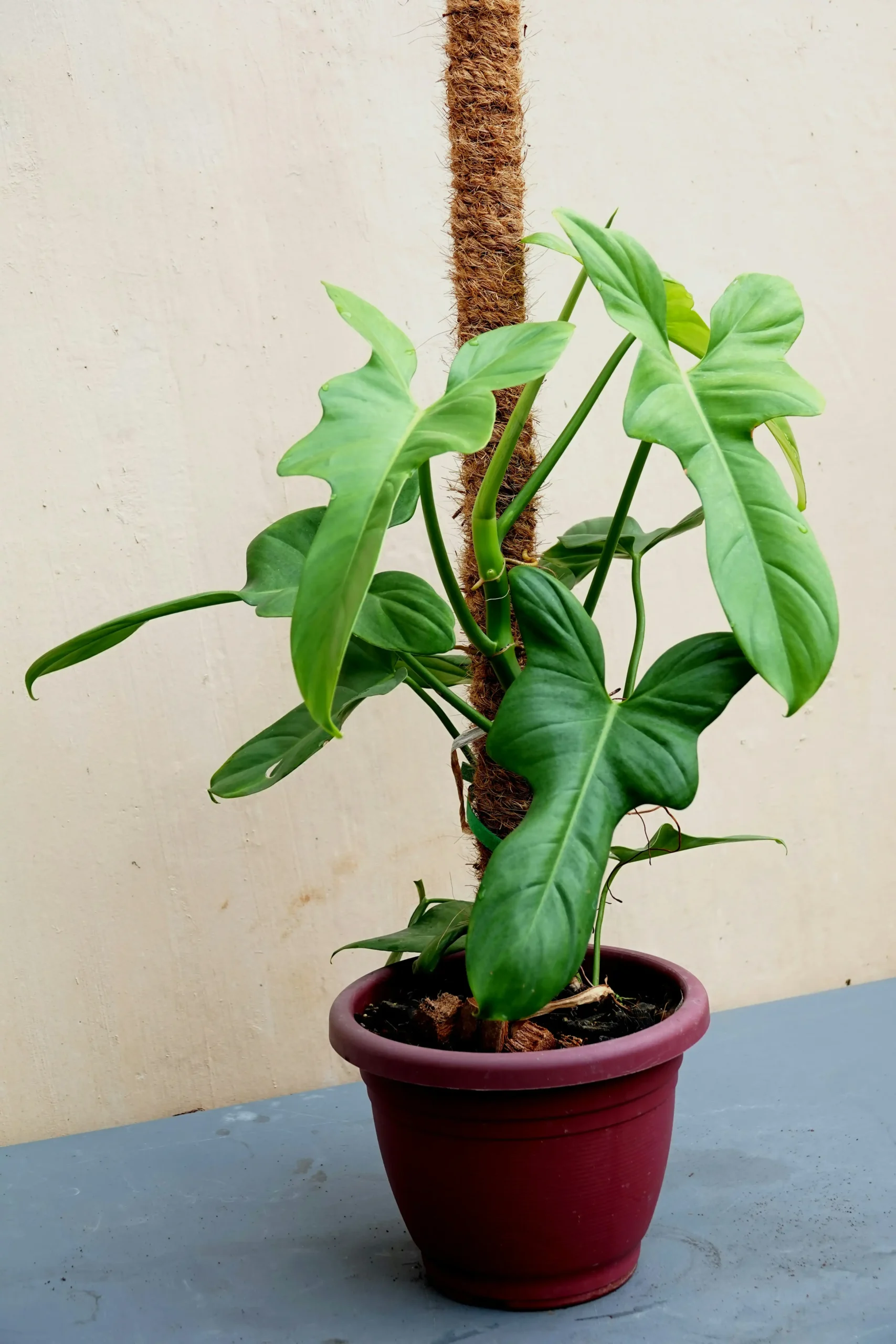
Understanding how philodendron grows in nature helps explain its indoor care needs. In tropical forests, most varieties grow under tree canopies where they receive filtered light rather than harsh direct sunlight. Many varieties begin life near the forest floor and climb upward using aerial roots to attach to trees. As they climb higher and receive more light, leaves often grow much larger. This explains why climbing varieties perform better with vertical support indoors. Giving them a moss pole mimics their natural growth habit and often leads to larger leaves. Growth habits include:
- Climbing growth
- Trailing growth
- Upright growth
- Aerial root development
Light Requirements
Light is one of the biggest factors affecting overall health, leaf size, growth speed, and variegation. Most varieties grow best in bright indirect light. Too little light causes slow growth, smaller leaves, weak stems, and long gaps between leaves. Variegated varieties are especially sensitive to poor lighting because they need more light to maintain strong color. Direct harsh afternoon sun can scorch foliage, especially in thinner leaf varieties. Best light conditions:
- Bright indirect light
- Gentle morning sun
- Filtered window light
Signs of low light:
- Slow growth
- Small leaves
- Leggy stems
- Weak variegation
Signs of too much light:
- Brown patches
- Crispy edges
- Leaf burn
Best Indoor Placement
Placement affects more than just lighting. It also influences temperature, humidity, and airflow. East facing windows are often ideal because they provide gentle morning light. South facing windows can work well if filtered with sheer curtains. Bright rooms with indirect sunlight are usually excellent. Avoid placing plants in dark corners or directly under strong air conditioning airflow. Best locations include:
- East facing windows
- Bright living rooms
- Near filtered south windows
- Warm bright offices
Avoid:
- Dark corners
- AC vents
- Heaters
- Cold drafts
Choosing the Right Pot
Pot choice directly affects moisture management. This is often underestimated by indoor gardeners. A pot must always have drainage holes. Without drainage, water collects around roots and creates ideal conditions for root rot. Clay pots dry faster and work well for heavy waterers. Plastic pots retain moisture longer and may suit drier homes. Best pot choices include:
- Clay pots
- Plastic nursery pots
- Ceramic pots with drainage
Important factors:
- Drainage holes
- Root space
- Stability
Best Soil Mix
This is one of the most important parts of successful indoor growing. Heavy soil causes more problems than almost anything else. These plants prefer loose, airy soil with excellent drainage. Their roots need oxygen, and compact wet soil reduces airflow. A chunky aroid mix works best because it balances moisture retention and drainage. Best soil mix includes:
- Potting mix
- Perlite
- Orchid bark
- Coco coir
- Compost
Benefits of chunky soil:
- Better drainage
- Improved airflow
- Healthier roots
- Reduced rot risk
Watering Requirements
Overwatering is by far the biggest mistake people make. These plants like consistent moisture but hate constantly wet soil. The best approach is checking soil before watering. Let the top 1 to 2 inches dry slightly before watering again. Watering frequency depends on several factors including light, pot size, humidity, and season. For proper watering:
- Check soil first
- Water deeply
- Let excess drain
- Empty saucers
Signs of overwatering:
- Yellow leaves
- Soft stems
- Root rot
- Wet soil for long periods
Signs of under watering:
- Dry soil
- Curling leaves
- Drooping
- Brown edges
Humidity Requirements
Most varieties tolerate average indoor humidity, but higher humidity produces noticeably better growth. Larger leaves, healthier unfurling, and better foliage quality often happen when humidity improves. Low humidity commonly causes crispy edges, browning tips, and poor leaf unfurling. Ideal humidity:
- 50 to 70 percent preferred
- Average indoor humidity tolerated
Ways to improve humidity:
- Humidifier
- Plant grouping
- Pebble trays
Temperature Requirements
Warm stable temperatures help these tropical plants thrive. Sudden temperature drops can stress them quickly. Most homes naturally provide suitable temperatures. Ideal conditions include:
- 65°F to 85°F
- Warm stable rooms
- Moderate humidity
Avoid:
- Cold drafts
- AC airflow
- Heater vents
Fertilizing for Faster Growth
Because these plants produce lots of foliage, they benefit from regular feeding during active growth. Balanced fertilizers work best. Too much fertilizer causes root stress and salt buildup. For feeding:
- Use balanced fertilizer
- Feed in spring and summer
- Reduce winter feeding
- Avoid overfeeding
Signs of nutrient deficiency:
- Pale leaves
- Slow growth
- Small leaves
Support for Climbing Varieties
This is one of the most overlooked factors in growing climbing types. When climbing varieties receive support, they often produce larger leaves and stronger growth. Without support, they tend to trail and produce smaller foliage. Best support options:
- Moss poles
- Trellises
- Stakes
Benefits include:
- Bigger leaves
- Faster growth
- Stronger stems
Pruning and Maintenance
Pruning improves shape and encourages bushier growth. It also removes damaged or leggy stems. Cleaning leaves is equally important because dust reduces photosynthesis. Maintenance includes:
- Pruning leggy growth
- Removing damaged leaves
- Cleaning foliage
- Rotating plant
Propagation
Propagation is easy and one reason plant lovers enjoy collecting these plants. Stem cuttings root well in both water and soil as long as a node is included. Propagation methods include:
- Water propagation
- Soil propagation
- Stem cuttings
Common Problems
Most problems come from environmental stress or care mistakes. Common issues include:
- Yellow leaves
- Root rot
- Brown tips
- Leggy growth
- Slow growth
- Curling leaves
Common Pests
Indoor plants can attract pests, especially in warm dry conditions. Common pests include:
- Spider mites
- Mealybugs
- Aphids
- Fungus gnats
Biggest Mistakes to Avoid
Most indoor problems come from a few repeated mistakes. Avoid these mistakes:
- Overwatering
- Heavy soil
- Poor lighting
- Low humidity
- No drainage
- Ignoring pests
Final Thoughts
Philodendrons are among the best houseplants for creating lush indoor greenery. Their beauty, adaptability, and easy care nature make them ideal for both beginners and experienced indoor gardeners. Give them proper light, airy soil, balanced watering, humidity, and warmth, and they will reward you with vigorous growth and stunning foliage for years.
Frequently Asked Questions (FAQs)
Leggy growth usually means the plant is not getting enough light. The stems stretch toward available light, causing long gaps between leaves.
Watering depends on light, temperature, humidity, and pot size. It is best to water when the top 1 to 2 inches of soil feels dry.
Light misting can help temporarily, but humidifiers or plant grouping are more effective for improving humidity.
No, unless they become damaged or unattractive. They are a natural part of growth.
Climbing varieties grow much better with support because it encourages stronger stems and larger leaves.
Small leaves usually happen because of low light, lack of support, poor nutrition, or immature growth.
Yes, especially fast growing varieties. Root bound plants often show slower growth and reduced vigor.
This usually means the soil has become compacted, hydrophobic, or too dense for proper drainage.
Leaf tearing often happens from physical damage, low humidity, or rough handling while leaves are unfurling.
They tolerate slightly snug pots but grow best when roots still have room to expand.

- Be Respectful
- Stay Relevant
- Stay Positive
- True Feedback
- Encourage Discussion
- Avoid Spamming
- No Fake News
- Don't Copy-Paste
- No Personal Attacks
- Be Respectful
- Stay Relevant
- Stay Positive
- True Feedback
- Encourage Discussion
- Avoid Spamming
- No Fake News
- Don't Copy-Paste
- No Personal Attacks
