Grow Indoor Jasmine for Beautiful Blooms and Lasting Fragrance
Published: 6 Jul 2026
Jasmine is one of the most rewarding flowering plants to grow indoors. Its elegant white flowers, climbing vines, and sweet fragrance make it a favorite for bright windows, sunrooms, and indoor plant collections. With proper care, it can fill your home with beautiful blooms and a pleasant scent for many weeks.
Although many people believe jasmine is difficult to grow indoors, it actually performs well when its seasonal needs are understood. Choosing the right variety, providing enough light, and encouraging flower bud development are the keys to long lasting blooms.
Choose the Right Jasmine Variety
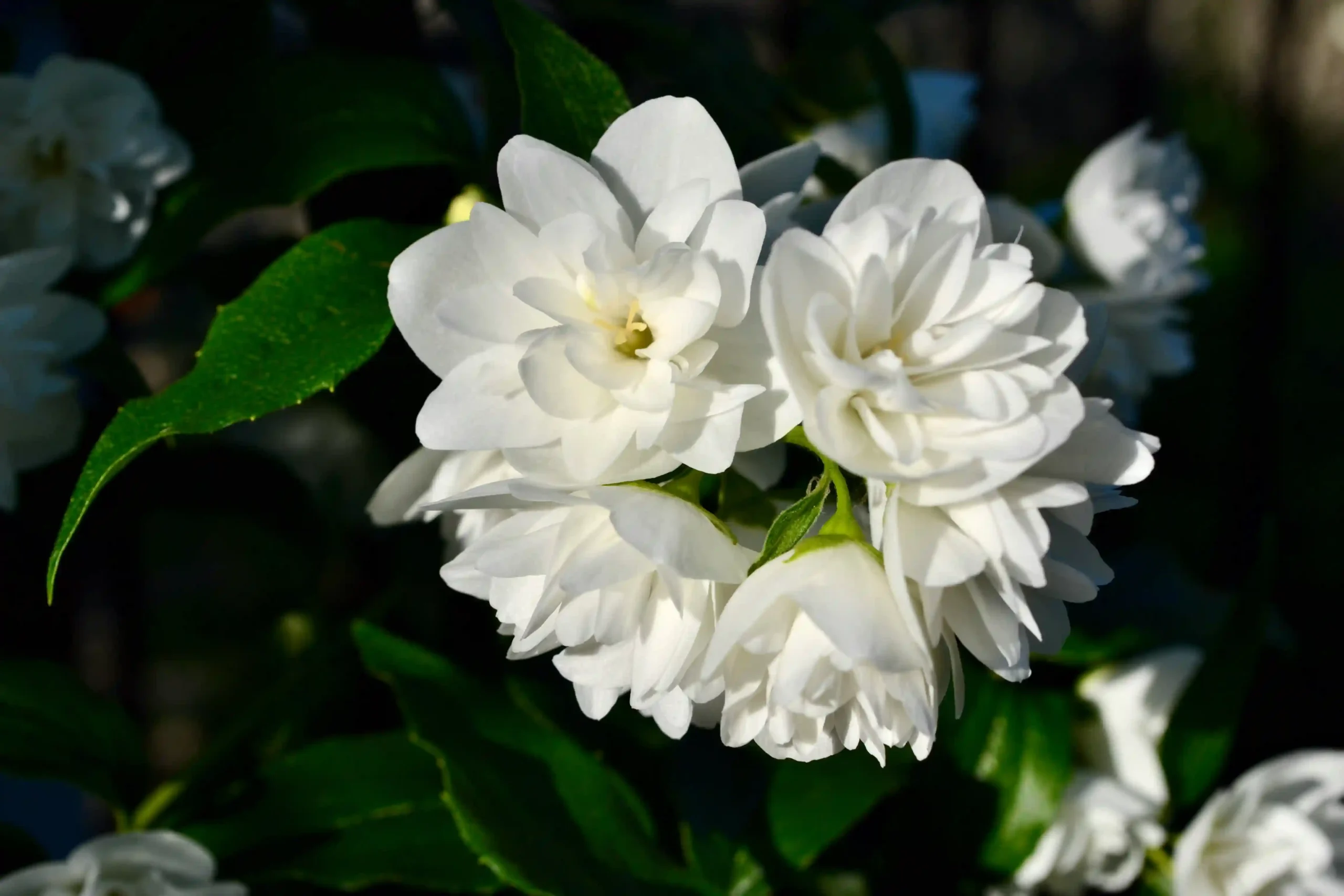
This is the biggest mistake many indoor gardeners make. There are more than 200 jasmine species, but only a few adapt well to life indoors. Large tropical varieties often become difficult to manage and may struggle to flower inside the home. Compact and vining varieties that naturally grow well in containers are much better choices. Best varieties for indoor growing include:
- Arabian jasmine
- Pink jasmine
- Common jasmine
- Primrose jasmine
- Dwarf jasmine varieties
Benefits of choosing the right variety:
- Better flowering indoors
- Easier container growing
- More manageable vines
- Stronger fragrance
- Less maintenance
Growing From Nursery Plants or Cuttings
Most indoor gardeners start with a healthy nursery plant because it flowers much sooner than seed grown plants. Jasmine can also be propagated from stem cuttings. Healthy semi hardwood cuttings usually root well during spring and early summer. Growing from cuttings allows you to produce identical plants with the same flower color and fragrance as the parent plant. Advantages of nursery plants:
- Faster flowering
- Strong root system
- Easier for beginners
- Immediate decorative value
Advantages of cuttings:
- Low cost
- Faster than growing from seed
- Produces identical plants
- Easy to multiply favorite varieties
Choosing the Right Pot and Soil
Healthy roots are essential for vigorous vines and abundant flowers. Use a loose, fertile potting mix that drains well while holding enough moisture for steady growth. Heavy garden soil should never be used indoors because it becomes compacted and limits oxygen around the roots. Containers must always have drainage holes. Standing water around the roots quickly leads to root rot and poor flowering. The pot should be only slightly larger than the root ball. Oversized containers often stay wet for too long and encourage excessive root growth instead of flowers. A good potting mix contains:
- High quality potting soil
- Perlite
- Compost
- Pine bark fines
Choose containers with:
- Drainage holes
- Stable base
- Enough room for root growth
- Good air circulation around roots
Light Requirements
Light is the most important factor for successful flowering. Many indoor plants tolerate moderate light, but jasmine needs much brighter conditions to develop flower buds. Without sufficient light, vines continue growing while flowering becomes limited. Place the plant near a south or west facing window where it receives several hours of direct sunlight every day. If natural sunlight is limited, full spectrum grow lights can successfully replace part of the daily light requirement. Signs of adequate light:
- Healthy green leaves
- Compact vine growth
- Frequent flower buds
- Strong fragrance
- Steady new growth
Signs of insufficient light:
- Long weak vines
- Large gaps between leaves
- Few flower buds
- Pale foliage
- Slow growth
Watering Requirements
Proper watering keeps the roots healthy and supports continuous flowering. Jasmine prefers evenly moist soil during active growth, but it does not tolerate constantly wet conditions. Before watering, check the top 1 to 2 inches of soil. Water only when this layer feels slightly dry. Then water thoroughly until excess moisture drains from the bottom of the pot. During spring and summer, the plant usually needs more frequent watering because it is actively growing. As growth slows during autumn and winter, reduce watering to prevent root problems. Good watering habits:
- Check soil before watering
- Water deeply each time
- Empty the drainage tray
- Allow the top layer of soil to dry slightly
- Reduce watering during winter
Signs of overwatering:
- Yellow leaves
- Soft stems
- Root rot
- Wilting despite wet soil
- Mushy roots
Signs of underwatering:
- Dry soil
- Drooping leaves
- Crispy leaf edges
- Flower buds dropping
- Slow growth
Temperature and Humidity
Jasmine grows best in moderate temperatures with good air circulation. While it appreciates humidity, constantly damp conditions around the leaves can encourage fungal diseases. Most indoor varieties grow well in normal household humidity, but dry heated rooms during winter may reduce flower production. Place the plant where temperatures remain fairly stable and avoid sudden changes. Ideal growing conditions:
- 60°F to 75°F during active growth
- Moderate humidity
- Good air circulation
- Bright location away from cold drafts
Avoid:
- Hot heating vents
- Air conditioners blowing directly on the plant
- Sudden temperature fluctuations
- Poorly ventilated rooms
Fertilizer for Healthy Growth and Better Blooms
Healthy flowering requires balanced nutrition throughout the growing season. Feed every three to four weeks during spring and summer with a balanced fertilizer. Once flower buds begin to form, avoid excessive nitrogen because it encourages leafy vines instead of flowers. Plants growing under bright light generally benefit from regular feeding, while dormant plants need little or no fertilizer. Good feeding practices:
- Feed during active growth
- Use a balanced fertilizer
- Water before fertilizing
- Stop feeding during winter dormancy
Signs the plant needs nutrients:
- Pale leaves
- Slow vine growth
- Small flowers
- Reduced flowering
Training and Supporting the Vines
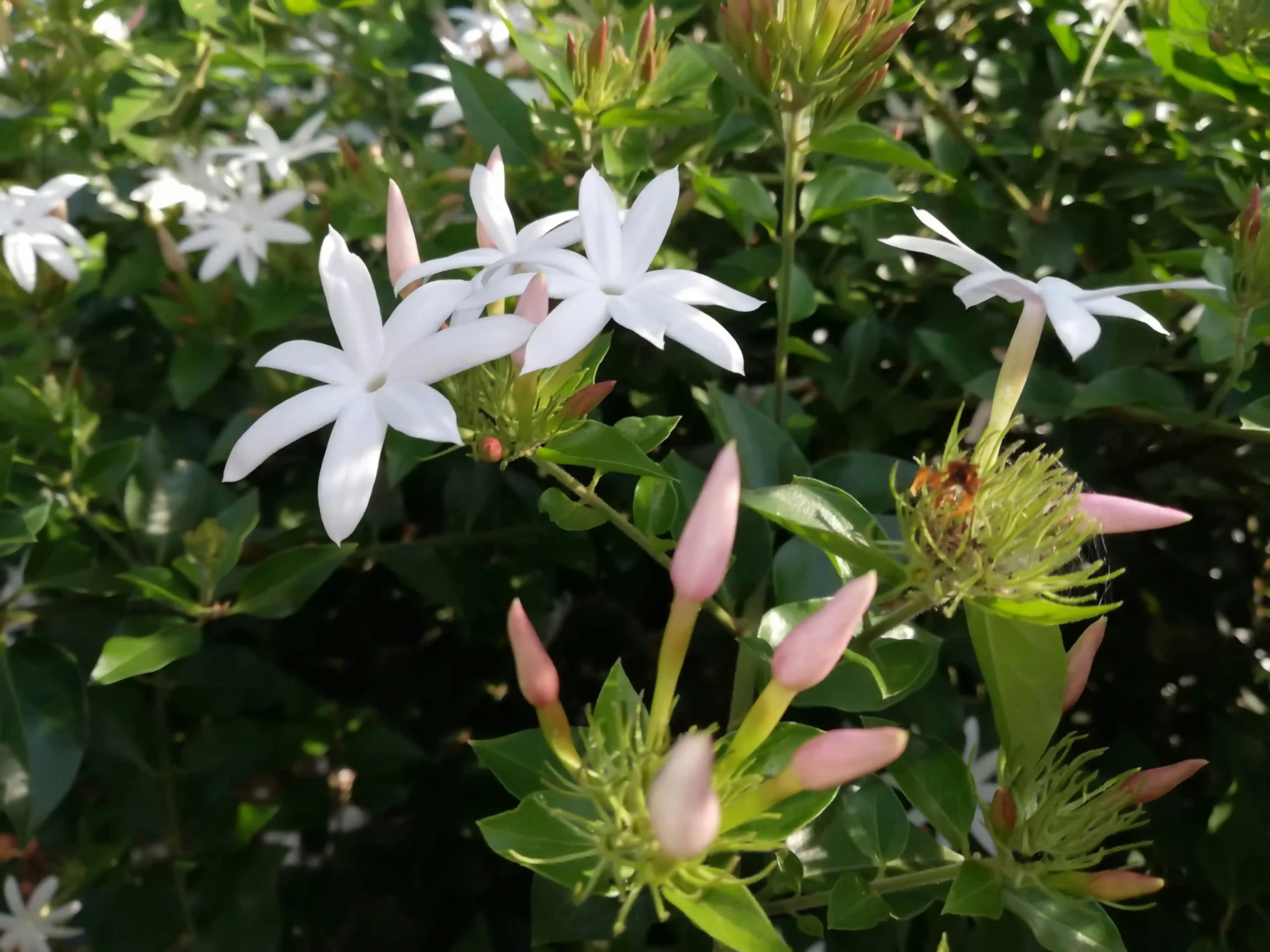
Unlike many houseplants, jasmine is naturally a climbing vine. Without support, stems become tangled, sprawl over the container, and receive uneven light. Training the vines early keeps the plant tidy and encourages better air circulation. Suitable supports include:
- Small trellis
- Wire hoop
- Bamboo stakes
- Decorative plant frame
Benefits of training:
- More compact appearance
- Better light exposure
- Improved airflow
- Easier pruning
- Better flower display
Pruning for Bushier Growth
Pruning is essential if you want a full, attractive plant instead of a few long vines. Trim stems after flowering finishes. This encourages branching and produces more flowering shoots for the next blooming season. Remove weak, damaged, or overcrowded stems whenever necessary to improve airflow. Benefits of pruning:
- Bushier growth
- More flowering branches
- Better plant shape
- Improved airflow
- Healthier vines
Encouraging More Flowers
Many indoor gardeners successfully grow lush vines but struggle to produce flowers. The problem is usually not the plant itself but its growing conditions. Flower production depends on several factors working together. Bright light, proper pruning, balanced feeding, and seasonal care all influence blooming. For maximum flowering:
- Provide several hours of direct sunlight
- Avoid excess nitrogen fertilizer
- Prune after flowering
- Keep roots healthy
- Give the plant enough space to climb
- Maintain consistent watering
- Follow its seasonal rest period
Winter Care and Dormancy
This is one of the most overlooked topics in competitor articles, yet it has a huge impact on flowering. Many jasmine varieties need a cool resting period during late autumn and winter to produce abundant flower buds for the next blooming season. Without this rest period, plants often produce healthy vines but very few flowers. Move the plant to a bright location with cooler temperatures while reducing watering. The soil should remain slightly moist but never wet. Do not fertilize while the plant is resting because growth naturally slows during this period. Winter care checklist:
- Place in a cool bright room
- Water less frequently
- Stop fertilizing
- Maintain good air circulation
- Keep away from heating vents
Repotting
Jasmine prefers being slightly root bound and usually flowers better when its roots are somewhat restricted. Repot only when necessary, such as when roots begin growing through the drainage holes or the soil dries out unusually fast. The best time to repot is just before active growth begins in early spring. Choose a container that is only one size larger than the current pot. Signs it needs repotting:
- Roots growing from drainage holes
- Water drains too quickly
- Slow growth despite proper care
- Soil dries very quickly
- Crowded root ball
Common Problems and Troubleshooting
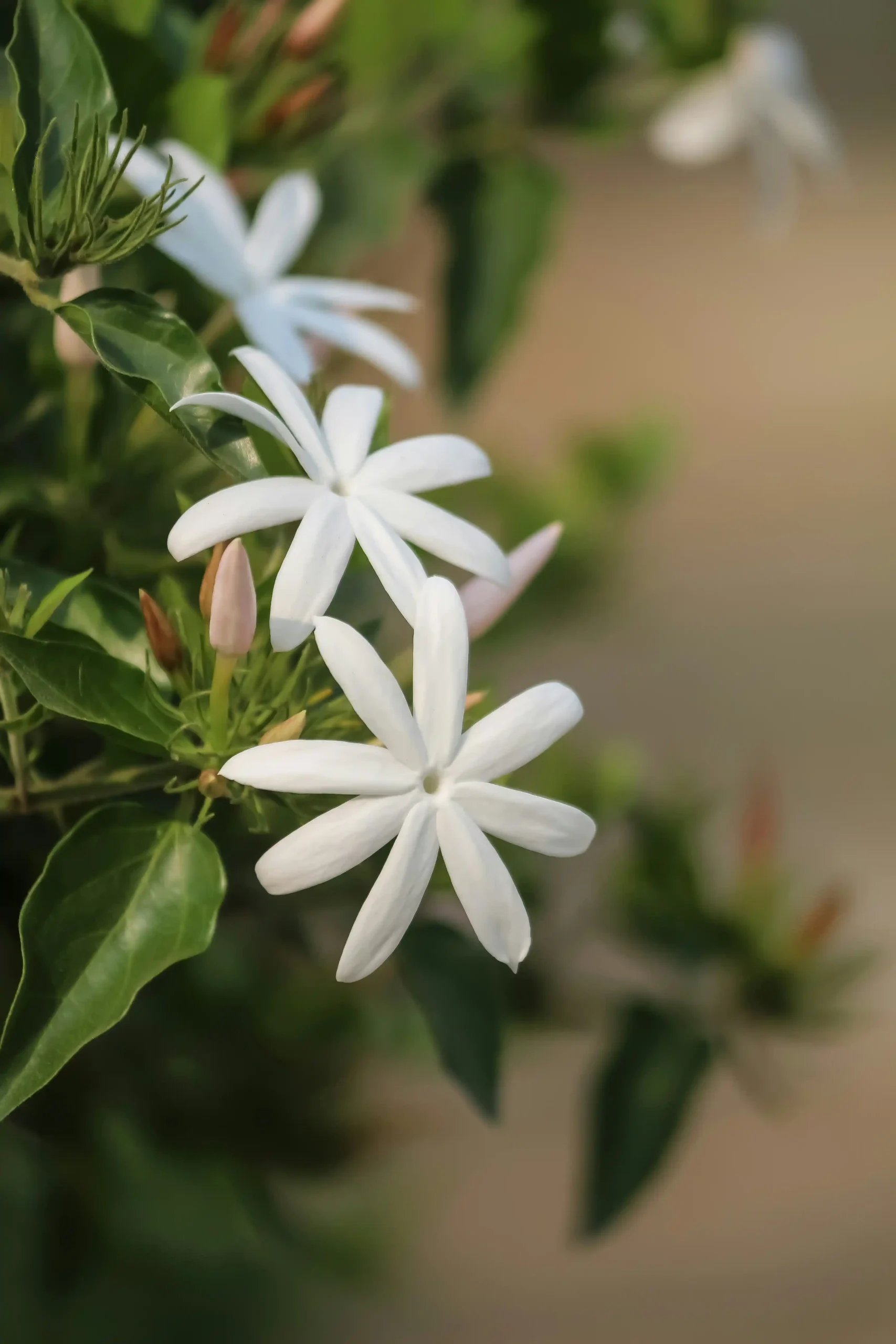
Most indoor problems can be traced to light, watering, temperature, or seasonal care. Yellow leaves usually indicate watering problems, while healthy vines without flowers often mean the plant is not receiving enough sunlight or has missed its winter rest. Flower buds that fall before opening are commonly caused by sudden environmental changes or inconsistent watering. Common problems include:
- Yellow leaves
- Bud drop
- No flowers
- Leaf drop
- Slow growth
- Root rot
Common causes include:
- Low light
- Overwatering
- Dry indoor air
- Temperature fluctuations
- Skipping winter dormancy
- Poor drainage
Common Pests
Healthy plants rarely suffer serious pest problems, but indoor conditions can sometimes encourage infestations. Spider mites become more common in dry indoor air, while aphids often attack young shoots and flower buds. Mealybugs and scale insects may also appear if plants become stressed. Inspect the plant every week, especially the undersides of leaves and new growth. Common pests:
- Spider mites
- Aphids
- Mealybugs
- Scale insects
- Whiteflies
Signs of pest damage:
- Sticky leaves
- White cotton like clusters
- Tiny insects on new growth
- Distorted leaves
- Weak flower buds
Biggest Mistakes to Avoid
Most flowering problems result from a few common mistakes rather than difficult care requirements. Growing the plant in insufficient light is the biggest reason for poor flowering. Overwatering, skipping winter dormancy, and excessive nitrogen fertilizer also reduce bloom production. Ignoring pruning allows vines to become tangled and less productive over time. Avoid these mistakes:
- Growing in low light
- Overwatering
- Using heavy soil
- Skipping the winter rest period
- Overfeeding with nitrogen
- Ignoring pruning
- Letting vines become overcrowded
Final Thoughts
Jasmine can become one of the most rewarding flowering houseplants when its natural growing cycle is understood. Bright light, healthy roots, regular pruning, and proper winter care work together to produce vigorous vines covered with fragrant flowers. With consistent care and attention to seasonal changes, your indoor plant can provide beautiful blooms and a wonderful fragrance year after year.
Frequently Asked Questions (FAQs)
This usually happens because the plant is not getting enough direct sunlight, received too much nitrogen fertilizer, or did not experience a cool winter rest period.
A stronger fragrance usually develops when the plant receives plenty of direct sunlight, blooms in healthy growing conditions, and is grown in the right variety, such as Arabian jasmine.
Most climbing varieties benefit from a trellis or support because it keeps the vines organized, improves light exposure, and promotes healthier growth.
Leaf drop is often a temporary response to changes in light, humidity, or temperature as the plant adjusts to its new environment.
A healthy cutting usually flowers within one to two growing seasons, depending on the variety and growing conditions.
Reduced flowering is often caused by skipping annual pruning, not providing a cool winter rest, root crowding, or depleted soil nutrients.
Yes, but flowering will usually be limited unless you supplement natural light with full spectrum grow lights.
Older stems naturally become woody as the plant matures. This helps support longer vines and future flowering growth.
No. When done after the blooming season, pruning actually encourages more flowering shoots for the next season.
Yes. Without regular pruning and training, climbing varieties can become long and difficult to manage indoors.



- Be Respectful
- Stay Relevant
- Stay Positive
- True Feedback
- Encourage Discussion
- Avoid Spamming
- No Fake News
- Don't Copy-Paste
- No Personal Attacks
- Be Respectful
- Stay Relevant
- Stay Positive
- True Feedback
- Encourage Discussion
- Avoid Spamming
- No Fake News
- Don't Copy-Paste
- No Personal Attacks
