Secrets to Choosing the Best Soil for Indoor Herbs
Published: 8 May 2026
Getting the soil right for your indoor herbs makes everything easier. When herbs are grown in pots, they rely completely on the mix you give them. Unlike outdoor soil, which naturally balances itself over time, indoor soil needs to provide the right mix of air, moisture, and nutrients from the start.
Good soil does not just hold the plant in place. It controls how water drains, how roots breathe, and how nutrients are delivered. If the soil is too heavy, roots can suffocate. If it is too loose, water runs through too quickly and the plant dries out. The goal is to create a mix that feels light but still holds enough moisture to support steady growth.
What Makes Soil Ideal for Indoor Herbs
Indoor herbs need soil that supports healthy roots without creating stress. Most herbs come from regions where the soil drains well, so they do not like sitting in water for long periods.
A good indoor mix should feel soft and airy in your hands. It should break apart easily and not form hard clumps. When watered, it should absorb moisture evenly and then allow excess water to drain out quickly.
- Light texture that allows roots to spread easily
- Good drainage to prevent water buildup
- Enough moisture retention to avoid drying too fast
- Balanced nutrients for steady growth
- Slightly neutral pH for most herbs
Simple Soil Mix You Can Make at Home
Making your own soil mix is one of the easiest ways to improve plant health. It allows you to control how the soil behaves instead of relying on basic store mixes that may not drain well enough. A simple mix works well for most indoor herbs and gives consistent results.
- Two parts good quality potting soil
- One part perlite for drainage
- One part compost or organic matter
This combination creates a mix that stays moist without becoming heavy. It also provides enough nutrients to support growth without overwhelming the plant.
Understanding Soil Ingredients
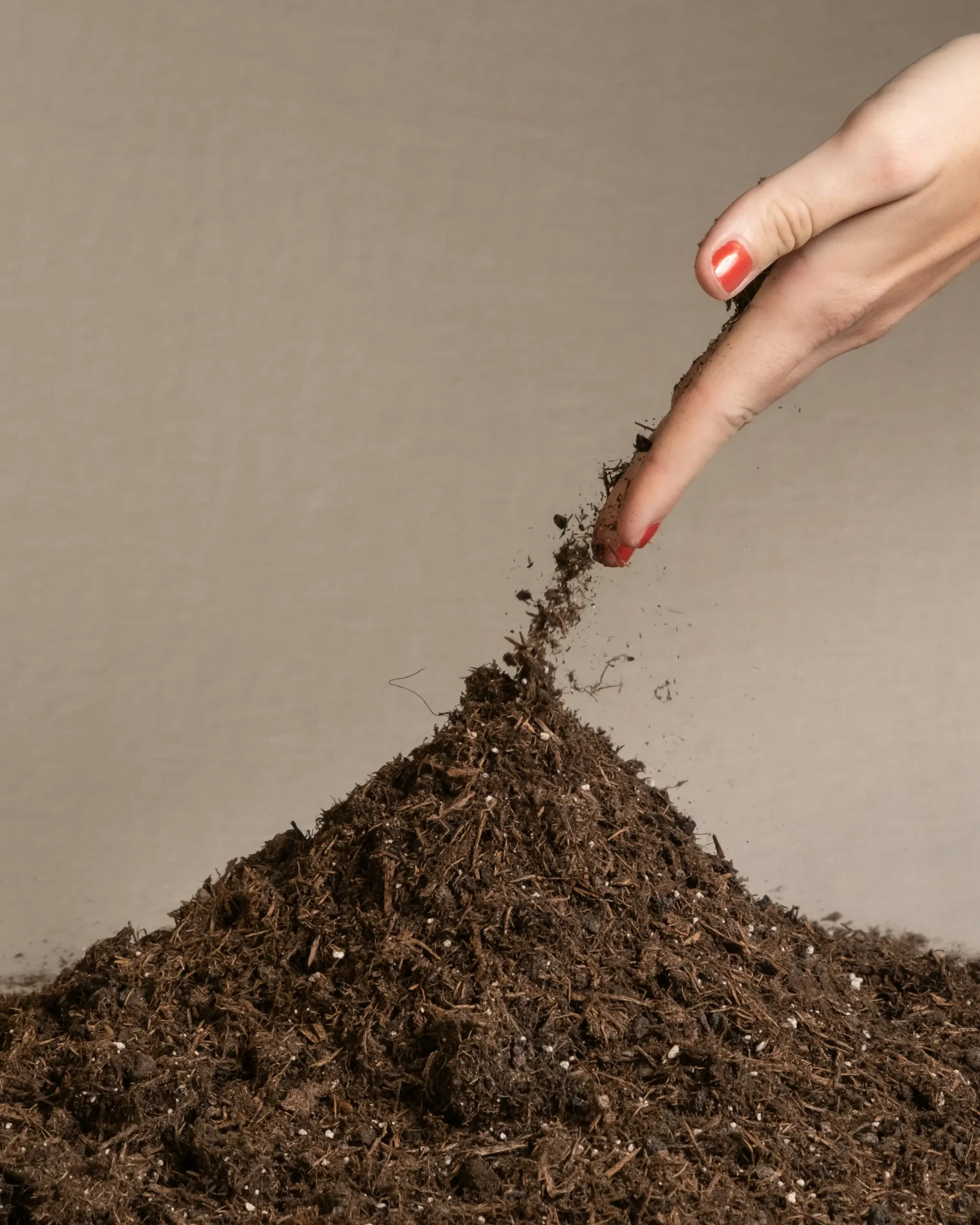
Each part of your soil mix has a purpose. When you understand what each ingredient does, you can adjust your mix depending on the herb you are growing. The base material usually holds moisture and nutrients, while other components improve structure and airflow.
- Potting soil forms the base and holds nutrients
- Perlite keeps the soil light and improves drainage
- Compost adds natural nutrients and improves soil life
- Coco coir helps retain moisture without making soil heavy
- Sand can be added for herbs that prefer drier conditions
When these ingredients are balanced correctly, roots grow faster and plants stay healthier.
Adjusting Soil for Different Herbs
Not all herbs grow the same way. Some prefer slightly moist conditions, while others grow better when the soil dries out between watering. Adjusting your soil mix based on the type of herb helps prevent common problems like root rot or slow growth.
For herbs that like more moisture such as basil and parsley, the soil should hold a bit more water while still draining well.
- Add a little more compost or coco coir
- Keep perlite at a moderate level
- Maintain evenly moist soil
For herbs that prefer drier soil such as rosemary and thyme, the mix should drain faster and dry out more quickly.
- Increase perlite or add coarse sand
- Use less compost
- Allow the soil to dry between watering
Choosing Store Bought Soil the Right Way
If you prefer buying ready-made soil, choose one that is designed for containers rather than garden use. Many basic potting mixes are too dense or hold too much water, so they often need slight adjustments. You can improve most store-bought mixes by adding materials that increase drainage and airflow.
- Choose a light potting mix instead of garden soil
- Add perlite to improve drainage
- Avoid mixes that feel heavy or compact
- Look for organic options for edible herbs
- Check that the soil does not stay wet for too long
Common Soil Mistakes to Avoid
Many indoor herb problems start with the soil rather than watering or light. Avoiding a few common mistakes can save a lot of trouble later.
- Using garden soil, which becomes hard and compact indoors
- Choosing soil that stays wet for long periods
- Using very rich soil that causes weak growth
- Ignoring drainage materials like perlite
- Not adjusting soil for different herb types
How to Tell If Your Soil Is Working
You can learn a lot just by observing how your soil behaves after watering. Healthy soil supports steady growth and does not cause sudden plant stress. If your soil is balanced, plants grow evenly and leaves look healthy. If something is off, the soil usually shows signs before the plant does.
- Soil should feel slightly moist but not soggy
- Water should drain out within a short time
- Roots should not smell or appear soft
- Plants should grow steadily without sudden issues
Final Thoughts
The best soil for indoor herbs is all about balance. It should drain well, hold just enough moisture, and provide steady nutrients. Once you get this balance right, your herbs become much easier to grow and maintain.
With a good soil mix, you will notice stronger roots, healthier leaves, and better flavor in your herbs. It is one of the simplest changes that can make a big difference in your indoor gardening success.
Indoor herb soil is usually refreshed every 6 to 12 months depending on plant growth and soil condition.
Some herbs like rosemary and thyme can tolerate cactus soil, but moisture loving herbs may struggle in it.
No, clay soil is too dense and restricts airflow around the roots.
Yes, sterilizing soil can help remove pests, fungi, and weed seeds.
Yes, healthy balanced soil can improve leaf quality and flavor intensity.
Yes, but it should be refreshed with compost and drainage materials before reuse.
No, but it can help retain moisture in fast drying environments.
A sour smell usually indicates overwatering or poor drainage.
Yes, very cold soil can slow root growth and reduce nutrient absorption.




- Be Respectful
- Stay Relevant
- Stay Positive
- True Feedback
- Encourage Discussion
- Avoid Spamming
- No Fake News
- Don't Copy-Paste
- No Personal Attacks
- Be Respectful
- Stay Relevant
- Stay Positive
- True Feedback
- Encourage Discussion
- Avoid Spamming
- No Fake News
- Don't Copy-Paste
- No Personal Attacks
