Grow and Care for Aglaonema Indoor: Smart Tips for Better Results
Published: 7 May 2026
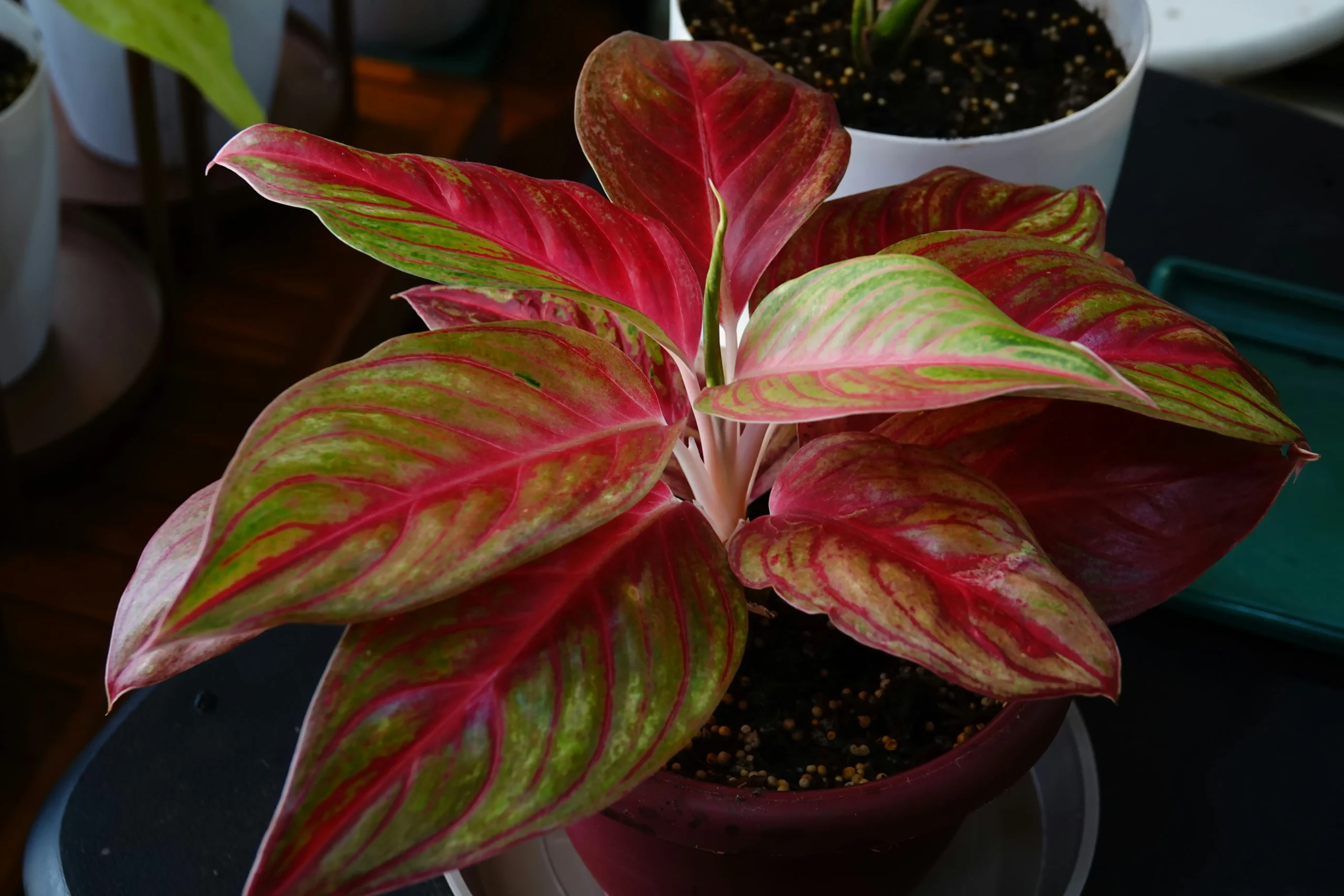
Growing Aglaonema indoors is one of the easiest ways to maintain a lush, attractive indoor garden without dealing with complicated care routines. This plant is widely known as Chinese evergreen and is valued for its striking foliage patterns, which can range from deep green to silver, red, and even pink shades depending on the variety.
What makes aglaonema especially appealing is its ability to adapt to typical indoor environments. While many houseplants struggle with inconsistent light, dry air, or irregular watering, aglaonema can tolerate these conditions better than most. However, if you want your plant not just to survive but to truly thrive, grow fuller, and maintain vibrant leaf color, it is important to understand its needs in detail.
Understanding Aglaonema as an Indoor Plant
Aglaonema is a slow to moderate growing tropical plant that is primarily grown for its foliage rather than flowers. Indoors, it rarely produces noticeable blooms, but its leaves remain decorative all year round. The plant grows upright with multiple stems, and over time it can become bushy and dense if properly maintained.
Different varieties have slightly different requirements. Dark green types are more tolerant of low light, while colorful varieties with red or pink tones require brighter conditions to maintain their color. Understanding this difference can help you place your plant in the right spot and avoid faded or dull leaves.
Another important characteristic is that aglaonema prefers stability. It does not respond well to frequent changes in environment, such as moving it from one room to another or exposing it to sudden temperature shifts. Keeping it in a consistent location allows it to grow steadily without stress.
Light Requirements
Light is one of the most important factors influencing how your aglaonema looks and grows. Although it is often described as a low light plant, it actually performs best in moderate to bright indirect light. Low light may keep it alive, but growth becomes slow and the foliage may lose its vibrancy. Providing the right light helps the plant develop strong stems and maintain its natural color patterns.
- Place the plant in bright, indirect light for best growth
- It can tolerate low light but growth will slow down
- Avoid direct sunlight as it can burn and fade the leaves
- Varieties with colorful leaves need more light than green ones
- Rotate the plant every couple of weeks for even growth
Watering and Moisture Balance
Watering is the most common area where mistakes happen. Aglaonema prefers soil that stays slightly moist, but it does not tolerate sitting in water. Overwatering can lead to root rot, which is one of the few serious problems this plant faces.
The key is to develop a balanced watering routine based on the condition of the soil rather than a fixed schedule. Indoor conditions such as temperature, humidity, and pot size all affect how quickly the soil dries.
- Water when the top 1 to 2 inches of soil feel dry
- Keep the soil lightly moist but never soggy
- Always allow excess water to drain out completely
- Reduce watering during winter or slower growth periods
- Avoid letting the plant sit in standing water
Choosing the Right Soil
Soil plays a major role in the long term health of your aglaonema. The plant needs a mix that holds enough moisture to keep roots hydrated while still allowing air to circulate. Poor soil can lead to compacted roots, slow growth, and increased risk of overwatering problems. A well-balanced potting mix supports both drainage and nutrient availability.
- Use a light, well-draining indoor potting mix
- Add perlite or sand to improve airflow and drainage
- Avoid heavy garden soil that retains too much water
- Ensure the container has proper drainage holes
- Replace or refresh soil when it becomes compact over time
Temperature and Indoor Conditions
Aglaonema thrives in warm, stable indoor temperatures. Since it is a tropical plant, it does not tolerate cold conditions well. Exposure to low temperatures or sudden changes can cause leaf damage or slow growth. Maintaining a comfortable indoor environment allows the plant to grow consistently without stress.
- Keep temperatures between 18 to 27 degrees Celsius
- Avoid cold drafts from windows or doors
- Keep away from air conditioners and heaters
- Maintain a stable indoor environment
- Ensure gentle airflow to prevent stagnant conditions
Humidity Requirements
Although aglaonema can tolerate normal indoor humidity, it prefers slightly higher humidity levels. In very dry environments, you may notice brown leaf tips or reduced leaf quality. Improving humidity helps the plant maintain healthy, glossy leaves.
- Maintain moderate humidity levels
- Use a humidity tray under the plant
- Group plants together to create a humid microclimate
- Mist occasionally in very dry conditions
- Keep the leaves clean to support proper function
Feeding and Fertilizing
Aglaonema is not a heavy feeder, but it benefits from occasional nutrients during its growing season. Fertilizing helps maintain leaf color, encourages new growth, and supports overall plant health. The key is to feed lightly and consistently rather than overloading the plant with nutrients.
- Use a balanced liquid fertilizer every 3 to 4 weeks
- Feed during spring and summer when growth is active
- Avoid over-fertilizing, which can damage roots
- Reduce or stop feeding during winter
- Adjust feeding based on the plant’s growth and condition
Pruning and Maintenance
Regular maintenance keeps your aglaonema looking fresh and well-shaped. Over time, older leaves may yellow or stems may become leggy, especially in lower light conditions. Pruning helps redirect energy into new growth and keeps the plant compact.
- Remove yellow or damaged leaves regularly
- Trim long or leggy stems to maintain shape
- Wipe leaves gently to remove dust buildup
- Keep the plant spaced properly for airflow
- Check occasionally for pests or issues
Repotting and Growth Management
Aglaonema grows slowly, so it does not need frequent repotting. However, over time the roots may outgrow the container, or the soil may lose its structure. Repotting refreshes the growing environment and gives the roots more space.
- Repot every 2 to 3 years or when needed
- Choose a pot slightly larger than the current one
- Avoid very large pots that hold too much moisture
- Replace old soil with fresh potting mix
- Handle roots carefully to avoid damage
Common Problems and How to Fix Them
Even though aglaonema is a hardy plant, it can still show signs of stress when conditions are not balanced. Most problems are easy to correct once you identify the cause.
- Yellow leaves caused by overwatering or poor drainage
- Brown tips due to dry air or inconsistent watering
- Slow growth from insufficient light
- Drooping due to irregular watering
- Root rot caused by waterlogged soil
Encouraging Healthy and Attractive Growth
Aglaonema does not require complicated care to look its best. The secret is consistency. When light, water, and temperature are balanced, the plant naturally grows fuller and healthier.
- Keep the plant in a stable location
- Maintain a regular watering routine
- Provide adequate indirect light
- Feed lightly during growth periods
- Avoid sudden environmental changes
Final Thoughts
Aglaonema is one of the most dependable indoor plants you can grow. Its ability to adapt to indoor conditions while still maintaining attractive foliage makes it a favorite among both beginners and experienced plant owners.
With proper care and attention to detail, this plant can thrive for many years, gradually growing into a full and vibrant addition to your indoor space.
Aglaonema can live for many years indoors with proper care and stable conditions.
Spring and early summer are the best times for propagation.
This is often due to low light or lack of nutrients.
It can survive in water temporarily, but soil is better for long-term growth.
Pruning and providing better light encourages fuller growth.
Yes, but it should not be exposed directly to cold airflow.
No, it can be toxic if ingested, so keep it away from pets and children.
Yes, it grows well under grow lights if natural light is limited.



- Be Respectful
- Stay Relevant
- Stay Positive
- True Feedback
- Encourage Discussion
- Avoid Spamming
- No Fake News
- Don't Copy-Paste
- No Personal Attacks
- Be Respectful
- Stay Relevant
- Stay Positive
- True Feedback
- Encourage Discussion
- Avoid Spamming
- No Fake News
- Don't Copy-Paste
- No Personal Attacks
