Indoor Garden Made Easy: 10 Steps to Build Your Green Space
Published: 30 Apr 2026
Building an indoor garden is one of the best ways to bring fresh greenery, food, and life into your home. It allows you to grow plants in a controlled environment, no matter how much space you have or what the outdoor conditions are. Whether you want herbs in your kitchen, leafy greens on a shelf, or decorative plants in your living room, an indoor garden can be designed to fit your needs.
The key to success is not just placing plants inside your home, but creating a small ecosystem where light, water, air, and nutrients are balanced. Once you understand how these elements work together, building and maintaining an indoor garden becomes simple and enjoyable.
Step 1: Decide What You Want to Grow
Before setting up anything, it is important to decide what type of plants you want in your indoor garden. Different plants have different needs, and your choices will affect everything from lighting to space and care routine.
Think about your goals. Do you want food, decoration, or both? This decision will guide your entire setup.
- Herbs like basil, mint, and coriander for cooking
- Leafy greens like lettuce, spinach, and kale
- Vegetables like tomatoes or peppers for productivity
- Flowers for color and decoration
- Low maintenance plants for easy care
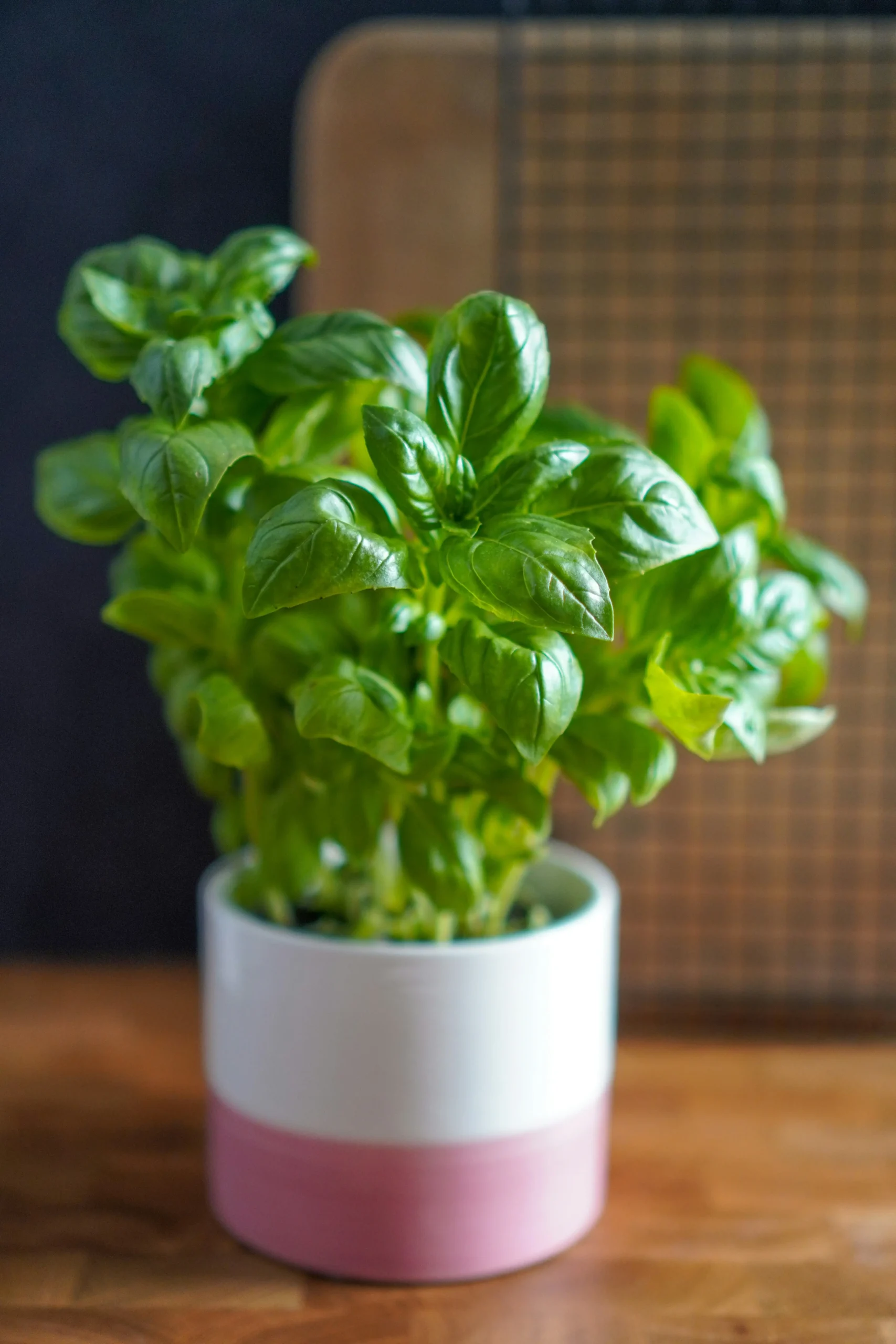
Step 2: Choose the Right Location
The location of your indoor garden plays a major role in its success. Plants need light, airflow, and a stable environment to grow properly. Choosing the right spot reduces effort and improves results. Look for a place in your home that naturally supports plant growth.
- Near a window with good sunlight
- Away from extreme heat or cold
- A place with some airflow
- Easy to access for watering and care
- A stable area where plants will not be disturbed
Step 3: Set Up Lighting
Light is the most important factor in indoor gardening. Without enough light, plants cannot grow properly, no matter how good the soil or water is.
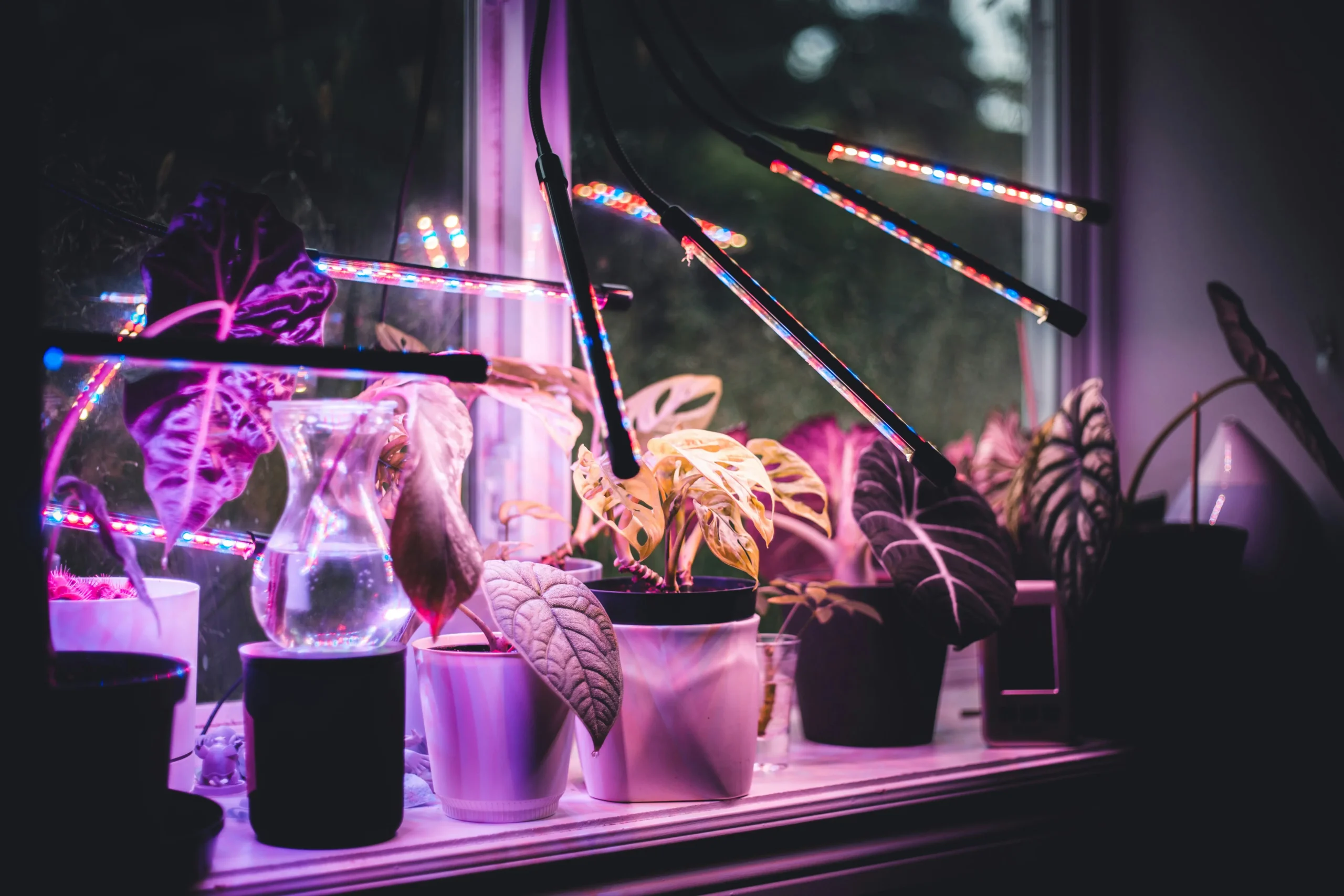
If your home does not get enough natural sunlight, artificial lighting can easily solve this problem.
- Provide 6 to 8 hours of light daily
- Use south facing windows if possible
- Add grow lights for low light spaces
- Keep lights close to plants for better results
- Rotate plants for even growth
Step 4: Choose Containers and Layout
Containers are where your plants will live, so choosing the right ones is important. The layout of your garden also affects how well plants grow and how easy it is to manage them. A good setup keeps plants organized and healthy.
- Use pots with drainage holes
- Choose sizes based on plant type
- Use trays to catch excess water
- Arrange plants based on height and light needs
- Use shelves or racks to save space
Step 5: Use the Right Soil or Growing Medium
Indoor plants depend completely on the soil you provide. Good soil should hold moisture while also allowing excess water to drain. The right growing medium supports healthy roots and steady growth.
- Use high quality potting mix
- Add compost for nutrients
- Use perlite or coco coir for drainage
- Avoid heavy garden soil indoors
- Refresh soil over time
Step 6: Watering System and Routine
Watering is one of the most important parts of indoor gardening. Too much or too little water can quickly harm your plants. Developing a consistent routine helps maintain healthy growth.
- Water when the top soil feels dry
- Avoid overwatering
- Ensure proper drainage
- Use room temperature water
- Adjust watering based on plant needs
Step 7: Maintain Temperature and Airflow
Indoor plants need a stable environment to grow well. Sudden temperature changes or poor airflow can slow growth or cause problems. Creating a balanced indoor climate supports long term success.
- Keep temperatures between 18 to 26 degrees Celsius
- Avoid placing plants near heaters or air conditioners
- Ensure gentle airflow
- Avoid very humid or very dry conditions
- Keep environment consistent
Step 8: Feeding and Plant Nutrition
Plants need nutrients to grow, especially in containers where soil nutrients run out over time. Feeding your plants helps maintain strong growth and healthy leaves. Balanced feeding prevents both deficiency and overgrowth.
- Use a balanced fertilizer every few weeks
- Avoid overfeeding
- Use organic options if preferred
- Feed more during active growth
- Reduce feeding in slow growth periods
Step 9: Monitor and Maintain Your Garden
Once your indoor garden is set up, regular care and observation are important. Plants often show signs when something is wrong, and early action can prevent bigger problems. Staying consistent is the key to long term success.
- Check plants regularly for changes
- Remove dead or yellow leaves
- Adjust light and water as needed
- Clean leaves to improve light absorption
- Rearrange plants if needed
Common Mistakes to Avoid
Many beginners make small mistakes that can affect plant growth. Understanding these helps you avoid problems early.
- Overwatering plants
- Not providing enough light
- Using poor quality soil
- Overcrowding plants
- Ignoring plant signals
Final Thoughts
Building an indoor garden is not complicated once you understand the basics. It is about creating a simple system where plants receive the right amount of light, water, and nutrients. With a little planning and regular care, you can turn any small space into a green and productive area.
Whether you are growing herbs for cooking or plants for decoration, an indoor garden adds freshness, beauty, and a sense of satisfaction to your home. Over time, it becomes more than just a hobby and becomes a part of your daily life.
Keep plants clean, avoid overwatering, ensure airflow, and regularly inspect leaves for early signs of pests.
Yes, indoor gardening allows year-round plant growth because you control the environment.
Provide proper light, maintain a consistent watering routine, use good soil, and regularly feed your plants.
Begin by choosing your plants, selecting a suitable location with good light, setting up containers with proper soil, and maintaining a consistent watering and care routine.
It is not recommended to use garden soil indoors because it is heavy, drains poorly, and may contain pests or diseases.
Grow lights are artificial lights designed to support plant growth. They are useful if your home does not get enough natural sunlight.
Yes, some fruit plants like strawberries and dwarf citrus varieties can be grown indoors with proper care and lighting.
Brown edges can be caused by low humidity, underwatering, or excess fertilizer.


- Be Respectful
- Stay Relevant
- Stay Positive
- True Feedback
- Encourage Discussion
- Avoid Spamming
- No Fake News
- Don't Copy-Paste
- No Personal Attacks
- Be Respectful
- Stay Relevant
- Stay Positive
- True Feedback
- Encourage Discussion
- Avoid Spamming
- No Fake News
- Don't Copy-Paste
- No Personal Attacks
