From Seed to Spice: A Simple Indoor Hot Pepper Growing Guide
Published: 17 Apr 2026
Indoor hot pepper gardening is more than just growing plants. It’s about creating your own sustainable food source right at home.
With proper seed sowing, careful attention to germination factors, and consistent care, even beginners can grow pepper plants indoors. No garden, no large space, just a sunny corner, a pot, and the right knowledge.
Best Hot Pepper Varieties for Indoors
Some varieties grow better indoors:
- Jalapeños
- Thai chilies
- Cayenne peppers
- Dwarf chili varieties
Why Grow Hot Peppers Indoors?
Key benefits:
- Year-round pepper production
- Better control over temperature and humidity
- Fewer pests and diseases
- Perfect for small spaces
Growth Timeline
- Germination: 7–21 days
- Seedling stage: 3–4 weeks
- Flowering: 6–8 weeks
- Harvest: 70–100 days
From Tiny Seeds to Thriving Plants: The Ultimate Guide
1. Prepare Your Soil
Use a light, fluffy seed-starting mix. Avoid garden soil. It’s too heavy because it holds too much water and can suffocate seeds. Moisten the soil slightly before planting so it’s evenly damp.
2. Sowing the Seeds
Everything starts with the seed. If you get this stage right, you’re already halfway to a successful harvest.
- Sow seeds ¼ inch (0.5 cm) deep
- Add 1–2 seeds per cell
This improves your chances since not all seeds germinate. Cover seeds gently with soil. Don’t press too hard. Roots need oxygen.
3. Water Gently
- Use a spray bottle to mist the surface.
- Never pour water directly. It can displace seeds.
4. Create a Humid Environment
- Cover with a plastic dome or wrap to lock in moisture.
- Vent slightly to prevent mold buildup.
5. Provide Warmth
This is critical. Hot peppers need warmth.
- Ideal temperature: 24–30°C (75–86°F)
- Use a heat mat if needed
6. Germination time
Seeds germinates usually in 7-21 days
Be patient peppers are naturally slow growers
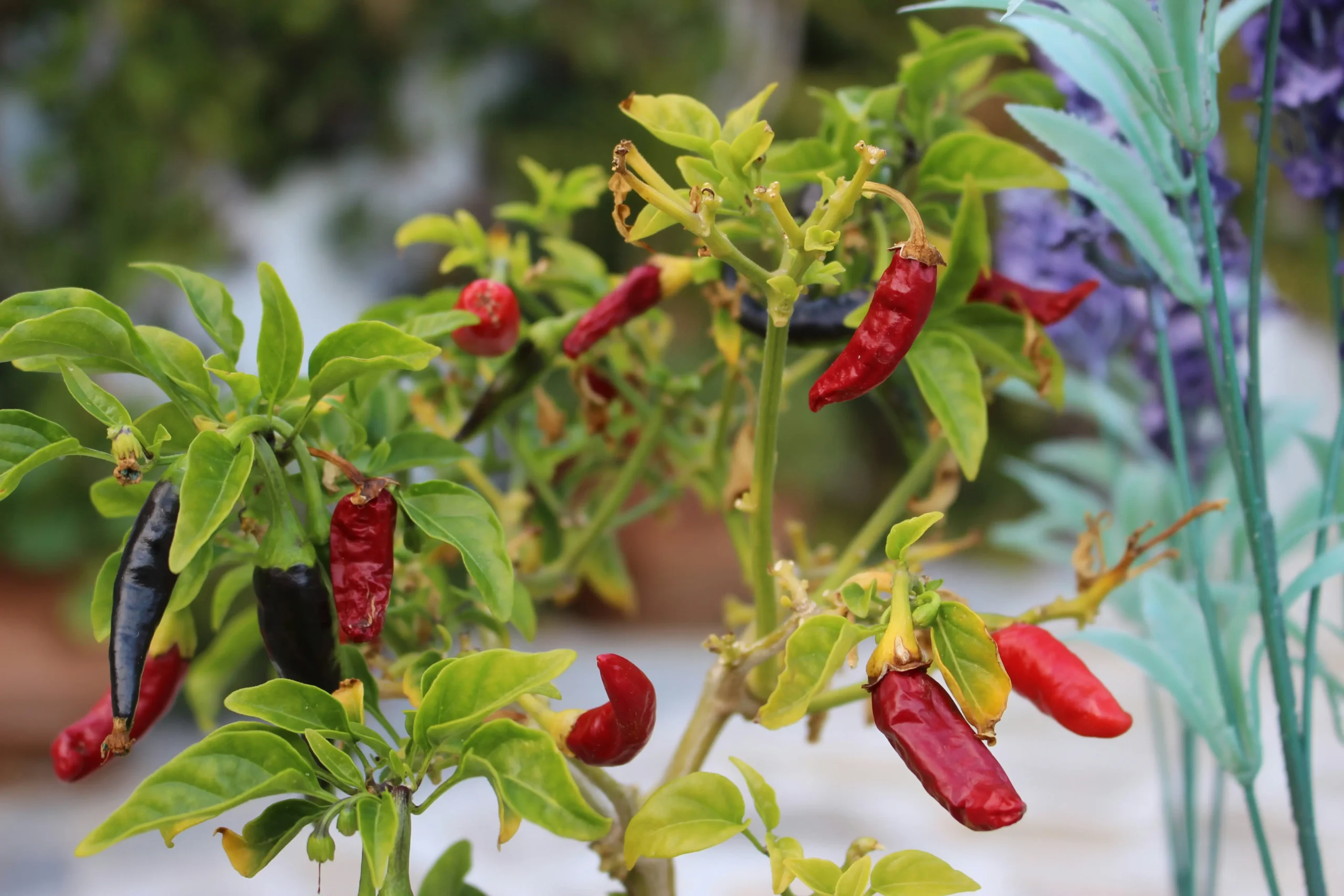
Factors That Affect Germination
1. Seed Quality
Fresh seeds have a higher success rate, while old seeds often result in weak or no germination.
2. Temperature
Hot peppers are tropical plants. Without heat, they simply won’t grow.
- Ideal temperature: 24–30°C (75–86°F)
- Too cold: seeds stay dormant
- Ideal: fast and healthy sprouting
Keep soil warm, not just air
3. Moisture Balance
Soil must be consistently moist. Dry soil stops germination completely, while overwatering causes fungal disease.
4. Soil Texture
The soil must be light and airy, as dense soil blocks oxygen and restricts root growth.
5. Oxygen & Airflow
Seeds need air just as much as they need water for proper germination and healthy growth, so it’s important to avoid compacting the soil too much, as tightly packed soil can restrict airflow and hinder their development.
Seedling Care: The Most Critical Stage
Once your seeds sprout, your focus shifts to growing strong, healthy plants.
Light Requirements
Light is EVERYTHING at this stage. Provide 12–16 hours of bright light daily. Without enough light, plants become tall and weak. Stems become thin and unstable. Use
- South-facing window or
- LED grow lights
Watering Tips
Water the plants when the top layer of soil feels dry, while making sure the soil remains evenly moist rather than soggy. A common mistake to avoid is overwatering, as it can lead to root rot and eventually cause the plant to die.
Air Circulation
Good airflow is often overlooked, yet it plays a crucial role in healthy plant growth, as it helps prevent fungal diseases and strengthens plant stems. To ensure proper circulation, a simple tip is to use a small fan to create gentle airflow around your plants.
Thinning Seedlings
If multiple seedlings emerge in the same spot, it’s best to keep the strongest one and carefully cut the others with scissors to avoid overcrowding. Avoid pulling them out, as this can disturb the soil and potentially damage the roots of the remaining healthy seedling.
Transplanting
Once seedlings develop 2–3 true leaves, they should be transplanted into larger pots to support continued growth. Use containers that are about 8–12 inches deep, and when replanting, bury a portion of the stem to help strengthen the root system and promote sturdier development.
Best Weather & Growing Conditions
Ideal Conditions:
- Day temperature: 24–30°C
- Night temperature: 18–22°C
- Light: 12–16 hours daily
- Humidity: 40–60%
Feeding & Fertilization
Hot peppers are considered heavy feeders, particularly when grown indoors, meaning they require a steady supply of nutrients to support their vigorous growth, fruit production, and overall health.
Fertilizer Plan
Use balanced liquid fertilizer every 2–3 weeks.
Switch to high phosphorus fertilizer. Helps in fruit production.
Pollination
Indoors, where there are no bees to naturally pollinate the flowers, you need to step in to help. You can do this by gently shaking the plant or using a soft brush to transfer pollen from flower to flower. This ensures proper pollination and supports healthy fruit development.
Harvesting Hot Peppers
The most exciting part of growing hot peppers is knowing when to harvest them. You should pick them once they have reached their full colour and their flesh feels firm and glossy, indicating peak ripeness and flavor. Pick regularly to encourage more fruit production. Use scissors to avoid damaging the plant.
Common Mistakes
- Cold drafts
- Sudden temperature drops
- Low light areas
Even small temperature stress can affect growth and yield
Common Problems & their Solution:
- Slow germination is often caused by low temperatures. Solution is to increase warmth to help the seeds sprout more quickly.
- Leggy plants are usually caused by a lack of light. Solution is to provide adequate grow lights to encourage strong, healthy growth.
- Yellow leaves are often caused by overwatering or a nutrient deficiency. It can be remedied by adjusting your watering routine and providing proper fertilization.
- Flower drop is usually caused by temperature stress. It can be prevented by maintaining stable growing conditions.
- Pests, such as aphids and spider mites, can be controlled by using a neem oil spray.
The best varieties for indoor hot pepper gardening include jalapeños, Thai chilies, cayenne peppers, and dwarf chili plants, as they adapt well to small indoor spaces.
The ideal temperature for indoor hot pepper plants is:
- Day: 24–30°C
- Night: 18–22°C
Maintaining warm conditions is essential for germination and healthy growth.
The best soil for indoor hot pepper gardening is a light, well-draining seed-starting mix that allows proper airflow and prevents water logging, ensuring healthy root development.
Yes, grow lights for indoor hot pepper gardening are essential if natural sunlight is limited. Hot pepper plants need 12–16 hours of bright light daily, and using full-spectrum LED grow lights helps prevent leggy growth, supports strong seedlings, and improves flowering and fruit production indoors.
For indoor hot pepper gardening, use a balanced liquid fertilizer every 2–3 weeks and switch to a high-phosphorus fertilizer during flowering for better fruit production.


- Be Respectful
- Stay Relevant
- Stay Positive
- True Feedback
- Encourage Discussion
- Avoid Spamming
- No Fake News
- Don't Copy-Paste
- No Personal Attacks
- Be Respectful
- Stay Relevant
- Stay Positive
- True Feedback
- Encourage Discussion
- Avoid Spamming
- No Fake News
- Don't Copy-Paste
- No Personal Attacks
