Best Flower Seeds to Start Indoors: A Complete Guide for Beginners
Published: 29 Apr 2026
Starting flower seeds indoors is one of the most effective ways to grow healthy, vibrant plants while having full control over their early development. Instead of depending on outdoor weather conditions, which can be unpredictable and sometimes harsh, indoor seed starting allows you to create a stable environment where seeds can germinate and grow without stress. This approach not only improves success rates but also gives your plants a strong foundation before they are exposed to the outside world.
Another major advantage of starting flowers indoors is the ability to extend the growing season. Many flowers take time to mature and bloom, and if you wait to plant them outside, you may miss their full potential. By starting them indoors, you give them a valuable head start, allowing them to grow stronger and bloom earlier. This is especially useful for gardeners who want continuous color and a longer flowering period.
Why Start Flower Seeds Indoors
Indoor seed starting is not just about convenience, it is about control and consistency. When you grow seeds indoors, you can manage key factors like light, temperature, and moisture with much greater precision. This reduces the chances of failure and helps seedlings grow evenly without interruptions caused by weather changes, pests, or poor soil conditions outdoors.
For beginners, this method is particularly helpful because it creates a safer and more predictable environment. Instead of dealing with multiple challenges at once, you can focus on learning the basics of plant care. Over time, this builds confidence and makes gardening more enjoyable and successful.
- You get earlier blooms compared to direct outdoor planting
- Seeds are protected from weather changes and pests
- Better control over growing conditions
- Stronger seedlings before transplanting outdoors
- Ideal for small spaces and home gardening
Best Easy Flower Seeds to Start Indoors
When you are just starting out, choosing easy flower seeds can make a big difference in your experience. Some flowers are naturally more forgiving and adapt quickly to indoor conditions. They germinate faster, require less attention, and still produce beautiful results. Starting with these types of flowers helps you learn the process without feeling overwhelmed.
These beginner-friendly flowers are also ideal because they respond well even if your setup is not perfect. Small mistakes in watering or light are less likely to affect them severely, which makes them a great choice for building confidence in indoor gardening.
- Marigolds which sprout quickly and grow strongly
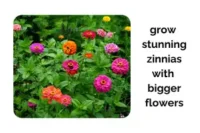
- Zinnias known for fast growth and bright colors
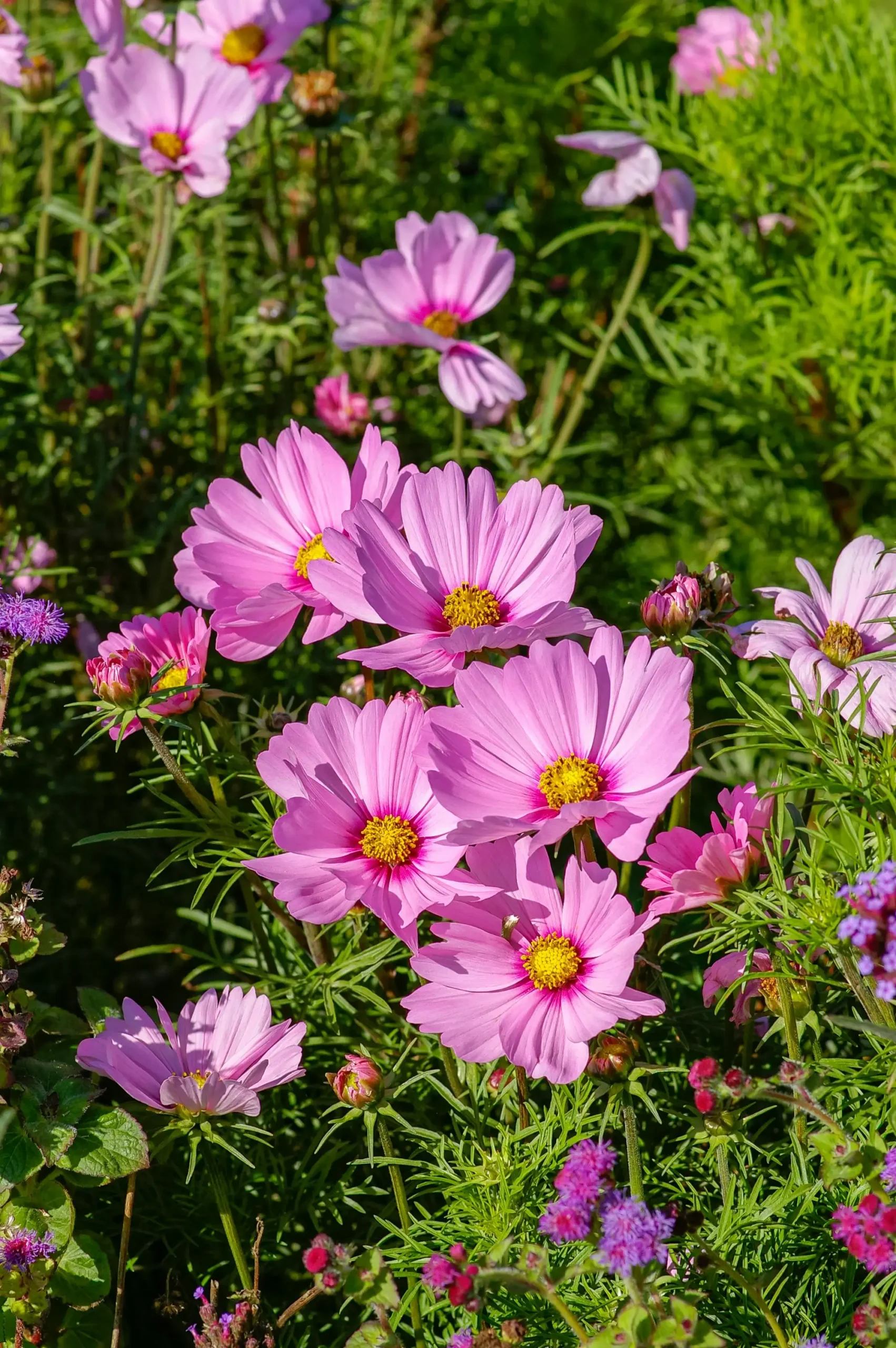
- Cosmos which are low maintenance and adaptable
- Dwarf sunflowers that grow well in containers
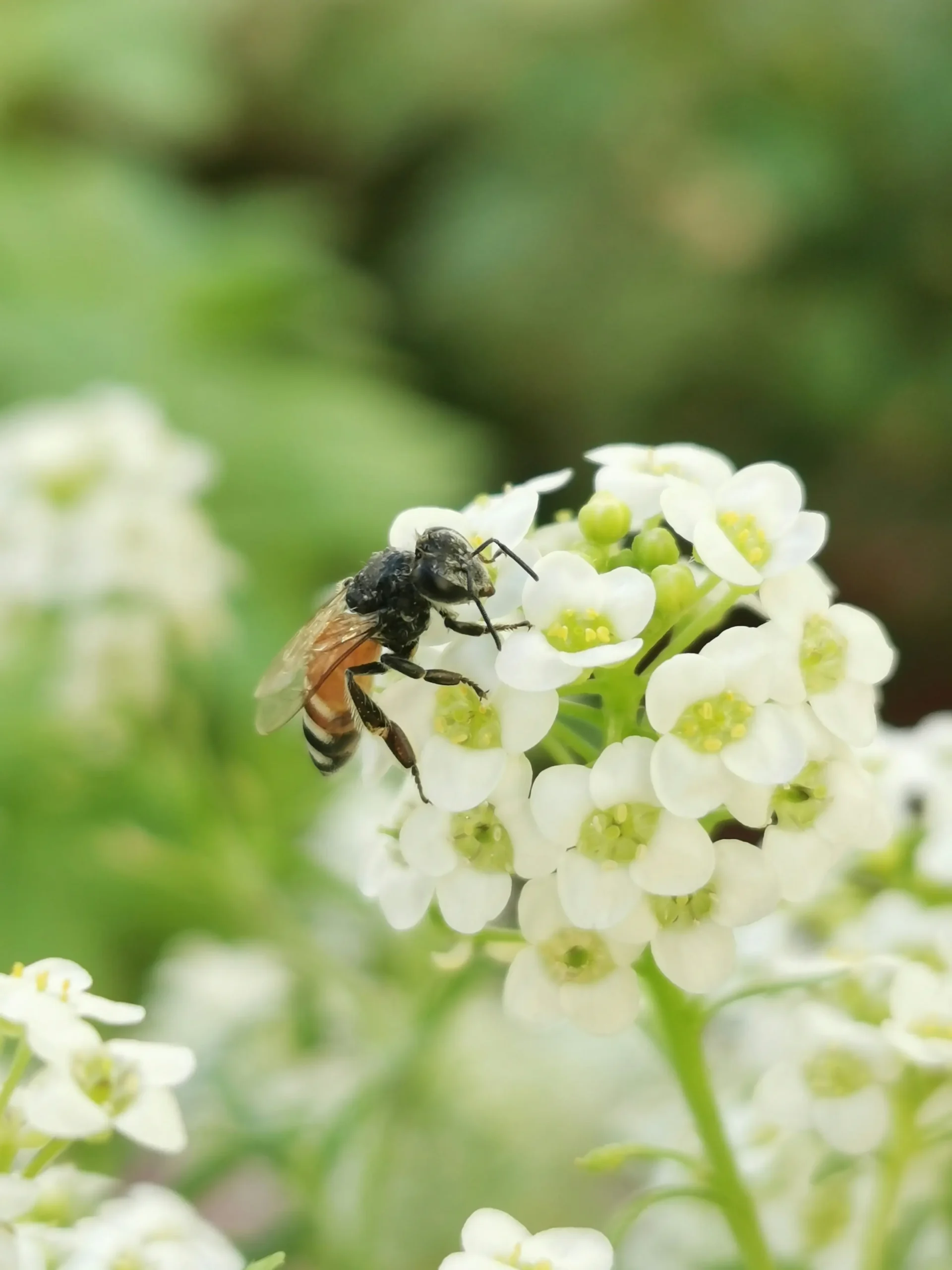
- Alyssum which produces small and delicate flowers
Flowers That Benefit from Early Indoor Start
Some flowers naturally take longer to grow and bloom, which means they benefit greatly from being started indoors. If you plant these directly outside, they may not have enough time to fully develop, especially in regions with shorter growing seasons. Starting them indoors gives them the extra time they need to establish strong roots and healthy growth before flowering.
These flowers are often chosen by gardeners who want more vibrant and long lasting blooms. Although they may require a bit more patience in the beginning, the results are usually worth the effort. With proper care, they produce fuller plants and more impressive flowers.
- Petunias which need extra time to grow
- Snapdragons that prefer a controlled early stage
- Impatiens which grow better with protection
- Pansies that thrive in cooler conditions
- Begonias which are slow but highly rewarding
Best Compact Flowers for Indoor Spaces
If you plan to keep your flowers indoors for an extended period, choosing compact varieties is very important. Large plants can quickly outgrow containers and become difficult to manage in limited space. Compact flowers, on the other hand, are well suited for pots and small areas, making them perfect for indoor environments like windowsills and shelves.
These plants are not only space efficient but also visually appealing. Many of them produce dense foliage or clusters of flowers that add beauty without requiring a large growing area. This makes them ideal for both decoration and practical indoor gardening.
- Coleus known for colorful foliage
- Baby’s breath for soft decorative flowers
- Carnations which stay manageable in pots
- Sweet William for long lasting blooms
- Forget-me-nots for small and attractive flowers
Choosing the Right Containers and Setup
The setup you create plays a major role in the success of your indoor seed starting. Even the best seeds will struggle if they are placed in unsuitable containers or poor conditions. A proper setup ensures that seeds receive the right balance of moisture, air, and stability during their most sensitive stage.
Containers should support healthy root development while also allowing excess water to drain out easily. At the same time, the placement of your setup should provide consistent light and avoid unnecessary disturbance. Creating a stable environment from the beginning makes the entire growing process smoother and more reliable.
- Use shallow trays or small pots for starting seeds
- Make sure containers have drainage holes
- Use trays underneath to collect excess water
- Place containers near a bright window
- Keep the setup stable and undisturbed
Soil and Seed Planting Method
The type of soil you use directly affects how well your seeds germinate. Seeds need a light and soft growing medium that allows them to push through easily. Heavy or compact soil can slow down growth and make it difficult for young roots to develop properly.
Planting technique is equally important. Seeds should be placed at the correct depth and given enough moisture to activate germination. When done correctly, this stage sets the foundation for strong and healthy seedlings.
- Use a fine seed starting mix or light potting soil
- Do not bury seeds too deep
- Gently press seeds into the soil
- Water lightly after planting
- Keep soil slightly moist until seeds sprout
Light Requirements for Flower Seedlings
Light is one of the most critical factors in indoor gardening. Seedlings rely on light to grow strong and develop properly. Without enough light, they become weak, thin, and stretched, which reduces their chances of survival later.
Providing consistent and sufficient light ensures that your plants grow upright and healthy. It also improves leaf development and prepares the plant for future flowering.
- Place seedlings near a bright window
- Provide 6 to 8 hours of light daily
- Use grow lights if sunlight is limited
- Keep lights close to seedlings
- Rotate containers for even growth
Watering and Moisture Control
Watering young plants requires careful attention because seedlings are sensitive to both excess and lack of moisture. Too much water can suffocate roots, while too little can stop growth completely. Finding the right balance is essential for healthy development.
Consistent moisture helps seeds germinate and supports steady growth after sprouting. Developing a routine based on observation rather than guesswork is the best approach.
- Keep the soil slightly moist at all times
- Avoid soaking the soil completely
- Water gently to avoid disturbing seeds
- Ensure excess water drains properly
- Adjust watering based on room conditions
Final Thoughts
Starting flower seeds indoors is a simple yet powerful way to grow beautiful plants from the very beginning. It allows you to control the growing environment, improve success rates, and enjoy earlier blooms. With the right approach, even beginners can achieve excellent results.
As you gain experience, you will understand how different flowers respond to indoor conditions. This will allow you to experiment with more varieties and create a diverse and colorful indoor garden. With patience and consistency, indoor seed starting can become one of the most enjoyable parts of gardening.
Most flower seeds should be started indoors about 4 to 8 weeks before the last expected frost in your area.
Germination time depends on the flower type, but most seeds sprout within 5 to 14 days under proper conditions.
This usually happens due to lack of light. Seedlings stretch toward light and become thin and weak.
Yes, you can reuse containers as long as they are clean and have proper drainage holes.
Transplant seedlings when they develop a few strong leaves and outgrow their initial container.
Avoid overwatering, ensure good airflow, and use well-draining soil to prevent mold growth.
Common mistakes include overwatering, insufficient light, poor soil choice, and overcrowding seedlings.
Some compact flowers can grow indoors long term, but many are eventually better suited for outdoor conditions.

- Be Respectful
- Stay Relevant
- Stay Positive
- True Feedback
- Encourage Discussion
- Avoid Spamming
- No Fake News
- Don't Copy-Paste
- No Personal Attacks
- Be Respectful
- Stay Relevant
- Stay Positive
- True Feedback
- Encourage Discussion
- Avoid Spamming
- No Fake News
- Don't Copy-Paste
- No Personal Attacks
