Azaleas Indoors: Common Mistakes and How to Avoid Them
Published: 2 May 2026
Growing Azalea indoors can add rich color and elegance to your home, but it requires a slightly different approach compared to typical houseplants. Azaleas are not difficult to care for, but they are sensitive to their environment. This means small mistakes in watering, temperature, or light can quickly affect their health.
What makes indoor azaleas unique is their preference for cool, bright, and slightly humid conditions. Many people struggle with them because indoor environments are often too warm and dry. Once you understand how to adjust your space to meet their needs, azaleas become much easier to manage and can reward you with long lasting blooms.
Understanding Azaleas as Indoor Plants
Azaleas are naturally outdoor shrubs, but certain varieties are grown specifically to be enjoyed indoors, especially during their flowering period. These plants are often at their peak when you bring them home, which is why proper care afterward is important to maintain their beauty.
Indoors, azaleas grow more slowly and depend entirely on the conditions you provide. They respond quickly to changes, so consistency in care is essential. Unlike hardy houseplants, they do not tolerate neglect or sudden environmental shifts very well.
Light Requirements
Light plays a major role in keeping azaleas healthy and encouraging blooms. They need a bright environment but are sensitive to strong direct sunlight, which can damage leaves and dry out the soil too quickly. Providing the right balance of light helps maintain both foliage and flowers while preventing stress on the plant.
- Place the plant near a bright window with indirect light
- Allow gentle morning sunlight if available
- Avoid strong afternoon sun
- Rotate the plant regularly for even growth
- Keep away from dark or shaded areas
Watering and Moisture Balance
Watering is one of the most important and sensitive aspects of azalea care. These plants do not like dry soil, but they also cannot tolerate excess water sitting around their roots. The goal is to keep the soil consistently moist without making it soggy.
Azaleas are especially sensitive to drying out. Even a short period of dryness can cause wilting or bud drop. At the same time, overwatering can lead to root rot, which is difficult to recover from.
- Keep the soil evenly moist at all times
- Water when the top layer feels slightly dry
- Never let the soil dry out completely
- Ensure proper drainage to remove excess water
- Avoid leaving the pot in standing water
Temperature: The Key to Long Lasting Blooms
One of the biggest differences between azaleas and other indoor plants is their love for cooler temperatures. Warm indoor environments can shorten their blooming period and stress the plant.
Keeping your azalea in a cooler room can significantly improve both its appearance and longevity. This is especially important during the flowering stage.
- Maintain temperatures between 10 to 18 degrees Celsius
- Keep the plant away from heaters and warm air
- Avoid sudden temperature changes
- Provide slightly cooler nights if possible
- Choose a well ventilated location
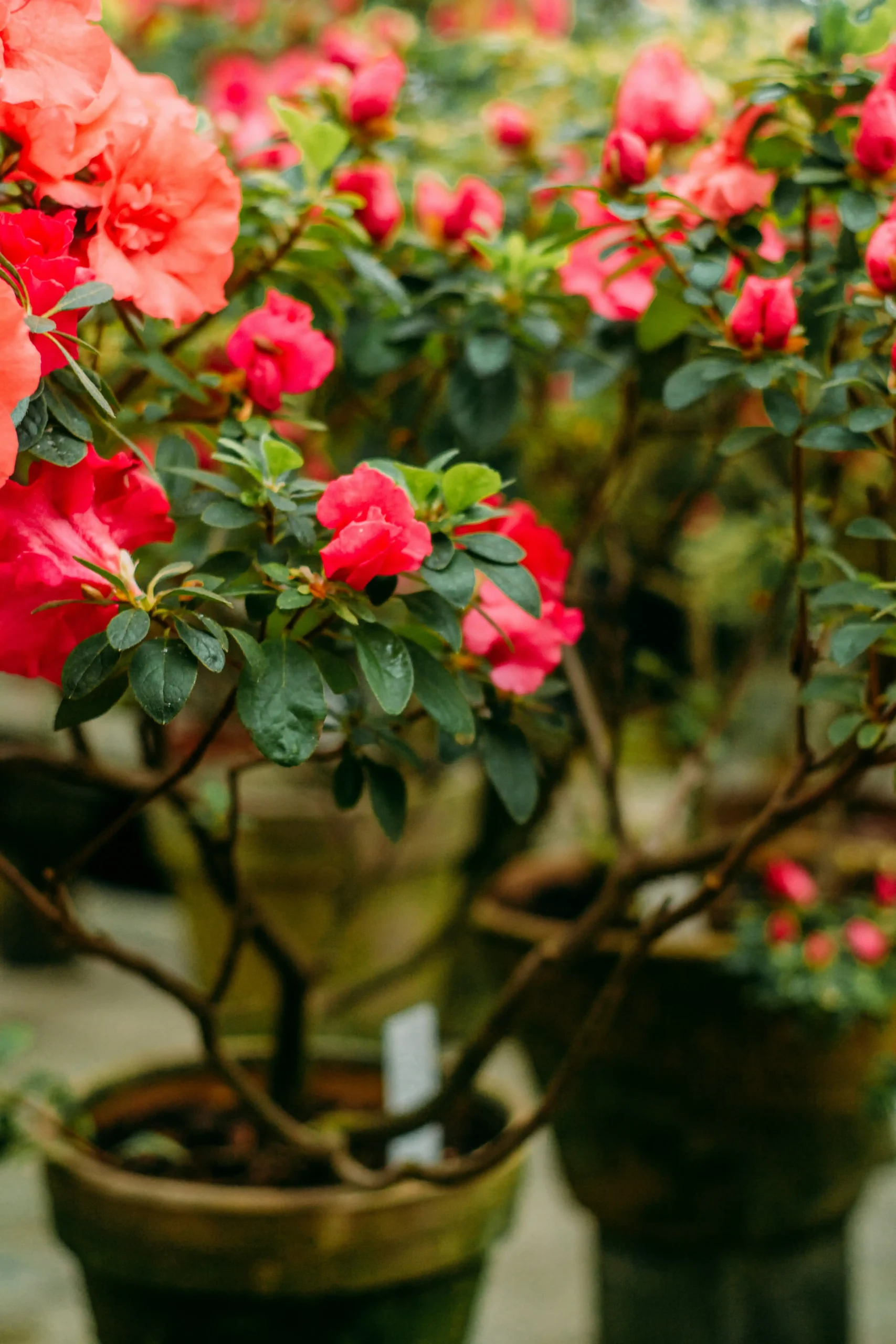
Humidity and Air Conditions
Azaleas naturally grow in humid environments, so dry indoor air can cause problems such as leaf drop or browning edges. Increasing humidity helps keep the plant healthy and supports blooming.
Creating a slightly more humid environment does not require major changes but can make a noticeable difference.
- Use a humidity tray under the plant
- Group plants together to increase moisture
- Avoid placing near dry air sources
- Light misting can help in dry conditions
- Maintain gentle airflow
Soil and Potting Needs
Azaleas require acidic soil to grow properly, which is different from many common indoor plants. Using the wrong soil can limit nutrient absorption and affect plant health. The soil should also provide a balance between moisture retention and drainage to protect the roots.
- Use soil designed for acid loving plants
- Ensure good drainage to prevent water buildup
- Avoid heavy or compact soil
- Use pots with drainage holes
- Repot only when the plant outgrows its container
Feeding and Fertilizing
Azaleas do not need heavy feeding, but they benefit from occasional nutrients, especially after blooming. Overfeeding can harm the plant, so a balanced approach is important. Feeding helps the plant recover after flowering and prepares it for future growth.
- Use fertilizer made for acid loving plants
- Feed lightly during active growth periods
- Avoid fertilizing during heavy blooming
- Do not overapply fertilizer
- Resume feeding after flowering ends
Pruning and Regular Maintenance
Pruning helps maintain the shape of your azalea and encourages new growth. It is best done after the flowering period, when the plant begins to focus on leaf and branch development. Regular maintenance also keeps the plant healthy and prevents problems.
- Remove faded flowers to keep the plant tidy
- Trim long or uneven branches
- Remove dead or damaged leaves
- Shape the plant after blooming
- Avoid heavy pruning during the flowering stage
Common Problems and How to Fix Them
Indoor azaleas can show signs of stress if their environment is not suitable. These problems are usually easy to identify and fix once you understand the cause.
- Yellow leaves caused by overwatering or poor drainage
- Bud drop due to heat or inconsistent watering
- Wilting from dry soil
- Lack of blooms due to insufficient light
- Brown leaf edges due to low humidity
Most issues can be resolved by adjusting light, water, or temperature.
Encouraging Reblooming Indoors
Getting azaleas to bloom again indoors requires patience and proper care after the initial flowering period. Many people think the plant is finished after blooming, but it can continue growing with the right conditions. Reblooming depends on giving the plant time to recover and then supporting new growth.
- Keep the plant in cool conditions after blooming
- Maintain consistent watering
- Provide bright indirect light
- Allow a rest period before new growth
- Resume feeding during active growth
Final Thoughts
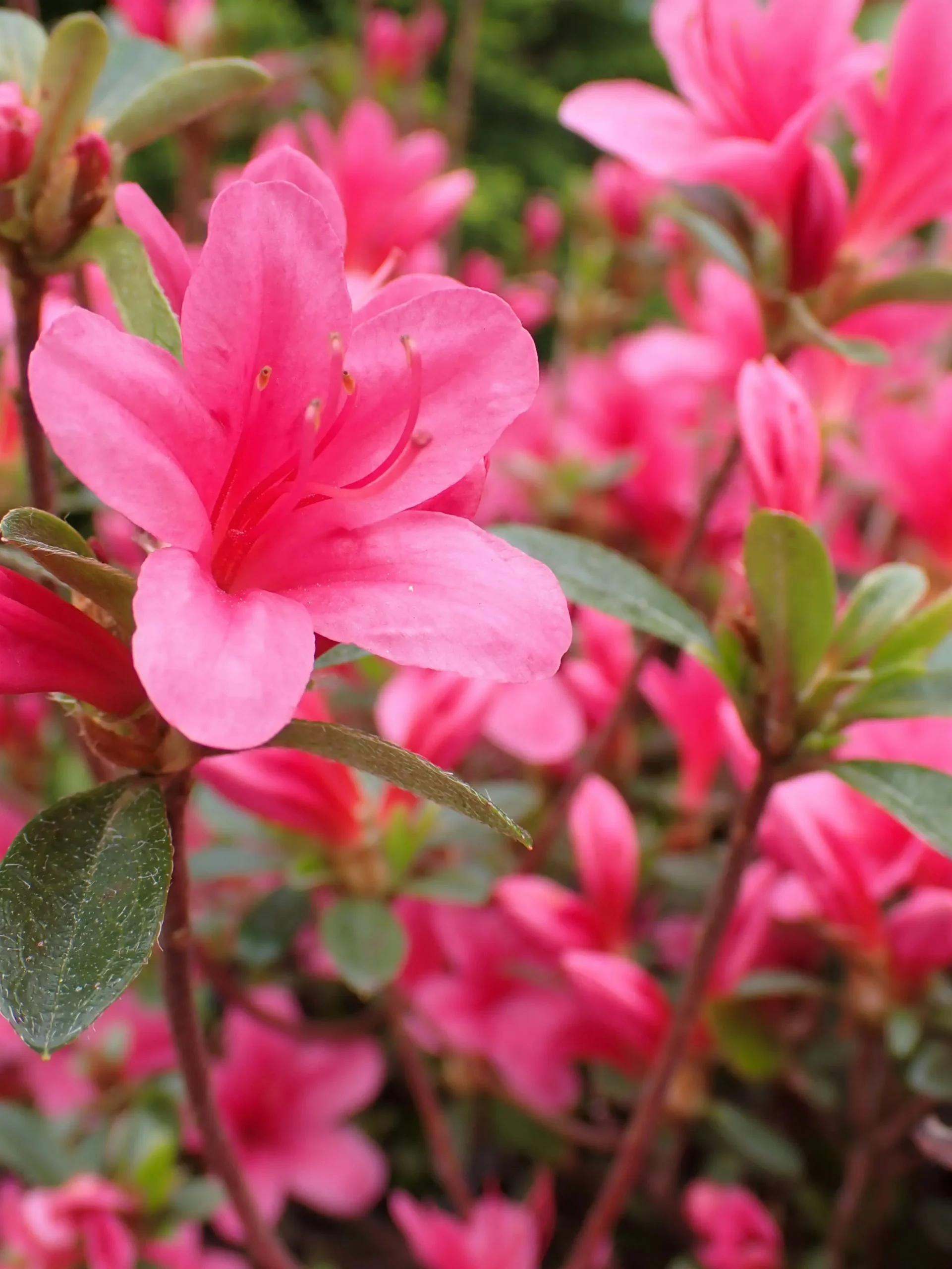
Caring for azaleas indoors is about creating a stable and balanced environment. While they may require more attention than some houseplants, the results are worth it. Their vibrant flowers and lush appearance can transform any indoor space.
Once you understand their need for cool temperatures, steady moisture, and proper light, azaleas become much easier to manage. With consistent care, they can remain healthy and continue to bring beauty into your home for a long time.
Yes, they can grow under grow lights if natural light is insufficient.
This is often due to high temperatures or low humidity indoors.
Yes, a cool resting period helps encourage future blooming cycles.
Yes, azaleas can be moved outdoors in suitable weather, especially after the blooming period.
Yes, in small amounts, as they can help maintain soil acidity.
This could be due to lack of nutrients, poor light, or stress after blooming.
Generally no, because they require airflow and specific conditions.
It is not common and not recommended for beginners t grow azaleas in hydroponics.
Avoid overwatering and ensure good drainage and airflow.
Yes, but they need time and stable conditions to adjust.






- Be Respectful
- Stay Relevant
- Stay Positive
- True Feedback
- Encourage Discussion
- Avoid Spamming
- No Fake News
- Don't Copy-Paste
- No Personal Attacks
- Be Respectful
- Stay Relevant
- Stay Positive
- True Feedback
- Encourage Discussion
- Avoid Spamming
- No Fake News
- Don't Copy-Paste
- No Personal Attacks
