Basil Indoor Mastery: Grow Thick, Fragrant Plants Fast
Published: 17 Apr 2026
Basil is an aromatic herb commonly used in cooking, teas, and even natural remedies. While it can be grown outdoors, indoor basil gardening offers unique advantages.
Key Benefits:
Year-Round Harvests: Enjoy fresh basil every month, no matter the season or weather outside.
Controlled Environment: Protect your plants from harsh conditions like frost, strong winds, or outdoor pests.
Ideal for Small Spaces: Perfect for apartments, balconies, or even kitchen windowsills. No garden required.
Maximum Freshness: Harvest leaves right before cooking for the most aromatic and flavorful dishes.
Stress Relief: Indoor gardening can boost mood, reduce stress, and create a calming green space in your home.
Best Basil Varieties for Indoors
Some varieties grow especially well indoors:
- Sweet Basil
- Genovese Basil
- Thai Basil
- Lemon Basil
- Greek Basil
- Purple Basil
Materials Needed for Growing Basil Indoors
Before starting, gather all necessary materials:
Super Seeds
Start with a bag of high-quality organic seeds that suits you. Popular options include Sweet Basil, Genovese Basil, Thai Basil, and Lemon Basil. Each type offers a unique aroma and flavor .
Seed-starting soil mix
Use high-quality organic soil because it is so rich in nutrients. Opt for a light, well-draining potting mix. A blend designed for herbs or vegetables works best, as it provides the nutrients basil needs to thrive indoors.
Perfect Pots
Use small pots, seed trays, or larger containers with good drainage holes. Basil roots need space to grow, and proper drainage helps prevent root rot.
Bright Light
Basil requires plenty of light. A sunny south-facing windowsill is ideal, but if natural light is limited, you can use grow lights to ensure your plants receive at least 6–8 hours of light per day.
Growth Timeline
Germination: 5–14 days
Seedling Stage: 2–4 weeks
Mature Plant: 6–8 weeks
Harvest: 6–12 weeks continuous harvesting once mature
Ideal Conditions for Indoor Basil
Basil is a tropical herb, so it thrives in warm and stable environments:
- Day temperature: 21–27°C (70–80°F)
- Night temperature: 18–21°C (65–70°F)
- Light: 12–16 hours per day
- Humidity: 40–60%
Avoid cold drafts, sudden temperature changes, and low-light conditions.
Sowing Basil Seeds Indoor
Start by preparing a light, fluffy seed-starting mix. Heavy garden soil should be avoided because it tends to retain too much water, which can suffocate delicate basil seeds. Before planting, moisten the soil lightly so it is damp but not soggy, creating the perfect environment for germination. When ready, sow the basil seeds about ¼ inch (0.5 cm) deep, placing 2–3 seeds per cell or small pot. Since basil seeds are very tiny, planting multiple seeds in each cell increases the likelihood that at least one will successfully sprout. Giving you a better chance of growing strong, healthy seedlings.
Maintain Humidity
After sowing the seeds, lightly cover them with a thin layer of soil. Do not press too hard, as the tiny seeds need gentle conditions to germinate. Using a spray bottle, mist the soil delicately to moisten it without washing the seeds away. Ensure the soil remains evenly damp. To maintain proper humidity, cover the seed trays with a plastic dome or clear wrap, which helps create a warm. A moist environment encourages faster germination. Open the cover slightly each day to allow fresh airflow, which prevents mold or fungal growth.
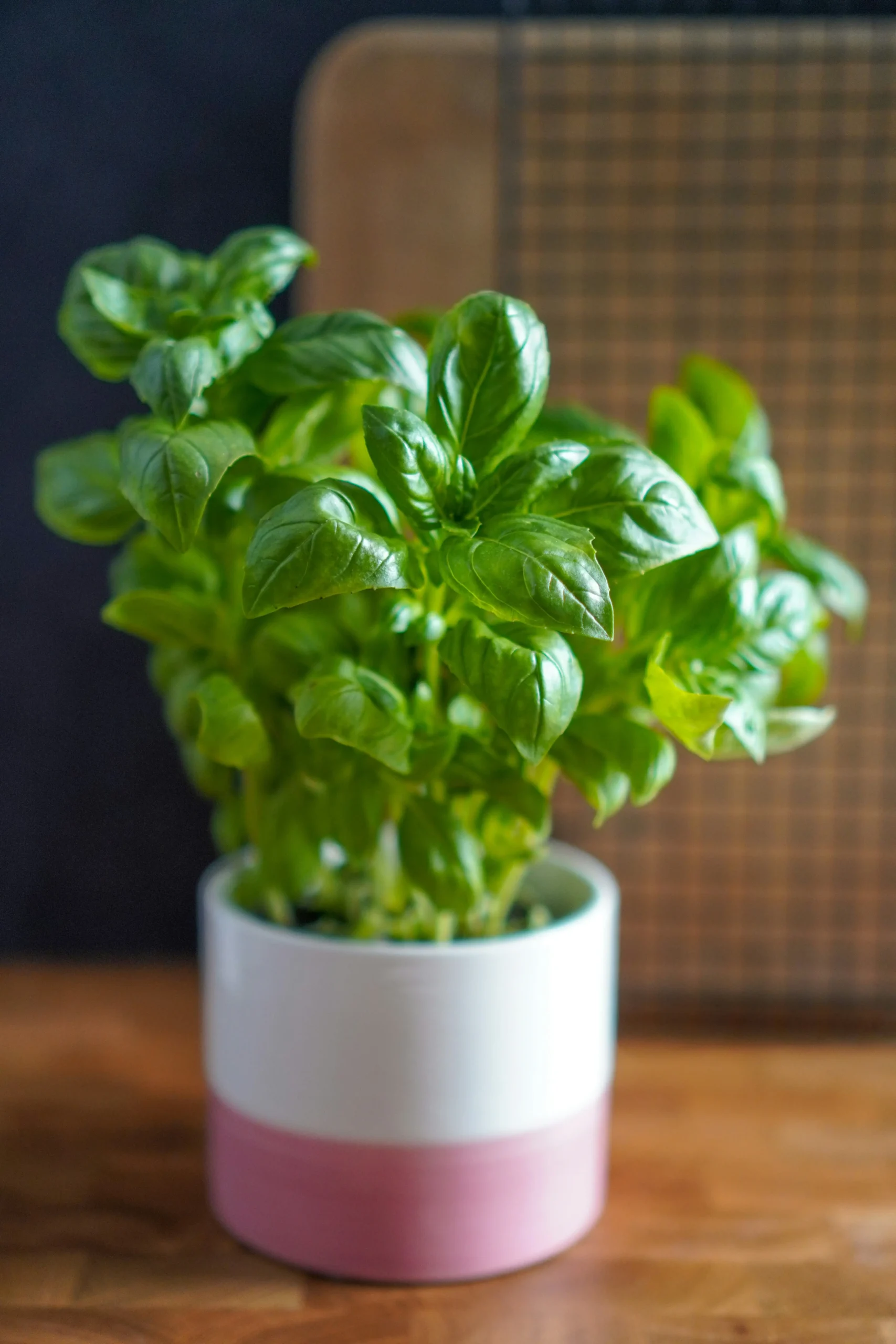
Provide Warmth for Optimal Germination
Basil seeds germinate most successfully when kept in a warm environment. Ideal temperature for germination ranges between 21–27°C (70–80°F). If your indoor space is cooler than this range, using a heat mat beneath the seed trays can help maintain a consistent temperature, giving the seeds the warmth they need to sprout. Depending on factors like temperature, seed quality, and moisture levels, germination typically occurs within 5–14 days.
Factors That Affect Germination
Temperature Basil seeds need warmth. Too cold slows or stops germination.
Moisture Soil must stay damp, not soggy. Overwatering causes rot while underwatering stops germination.
Seed Quality Fresh seeds have a higher germination rate. Old seeds may fail.
Light Basil seeds don’t need light to germinate, but once sprouted, seedlings need plenty of light to grow strong.
Soil Structure Light, airy soil helps roots develop. Dense soil blocks oxygen.
Caring for Basil Seedlings
Once your seeds sprout, proper care is key to growing healthy basil plants.
Light Requirements
Basil requires 12–16 hours of bright light each day to grow healthy and strong. If natural sunlight is limited, use grow lights. It is important to rotate your pots regularly so all sides of the plants receive even light, preventing uneven growth.
Without enough light, basil tends to grow tall and weak, becoming leggy and less flavorful. So proper lighting is essential for vibrant, robust leaves.
Watering
Water the plants whenever the top inch of soil feels dry to the touch, providing enough moisture to support the roots without over saturating them. Avoid letting the seedlings sit in waterlogged soil, as excess water can lead to root rot and other fungal issues, which can stunt growth or even kill young plants.
Air Circulation
- Indoor basil thrives with gentle, consistent airflow.
- Proper airflow helps prevent mold, mildew, and fungal growth.
- The gentle breeze encourages stems to grow stronger and sturdier.
- Improved airflow promotes bushy, healthy basil plants
Thinning Seedlings
When multiple basil seedlings sprout in the same cell or pot, it’s important to keep only the strongest and healthiest seedling to ensure optimal growth. Snip the weaker seedlings at soil level.
Thinning in this way allows the surviving seedling to receive more nutrients, light, and space, promoting a stronger, bushier, and healthier basil plant.
Transplanting Basil
When seedlings develop 2–3 true leaves, it’s time to transplant them into larger pots:
- Use containers 6–8 inches deep with drainage holes.
- Bury part of the stem to strengthen roots.
- Space plants to allow airflow and avoid overcrowding.
Fertilizing Basil
Basil benefits from light feeding every 2–3 weeks:
- Balanced liquid fertilizer or diluted organic compost works well.
- Over-fertilizing can reduce flavor and make leaves taste bitter.
- During flowering, basil can produce fewer leaves, so pinch off flower buds to encourage leaf growth.
Harvesting Basil
Harvesting is the most satisfying part of indoor basil gardening:
- Harvest leaves regularly to encourage bushy growth.
- Pick from the top to promote branching.
- Avoid harvesting more than 1/3 of the plant at once.
- For best flavor, harvest in the morning after dew evaporates.
Pinch off flower buds to maintain leaf production and prevent bitterness.
Common Problems & Solutions
- Leggy Plants: Basil becomes tall and weak if it gets insufficient light. Move it to a sunny spot or use grow lights to encourage strong & compact growth.
- Yellow Leaves: Overwatering or nutrient deficiency can cause leaves to yellow; adjust watering and fertilize appropriately.
- Flower Drop: Temperature stress may make basil flowers drop; maintain stable indoor conditions to prevent this.
- Pests: Common indoor pests include aphids and spider mites; treat infestations with neem oil spray or other safe remedies.
Sweet Basil and Genovese Basil are the most beginner-friendly choices for growing basil indoors.
Indoor basil needs 12–16 hours of bright light every single day.
Sweet Basil and most common basil varieties grown indoors are generally considered non-toxic to cats and dogs.
Yes, feed your indoor basil plant with a balanced liquid fertilizer every 2–3 weeks throughout the growing cycle.
Basil is a tropical herb that demands warmth. The ideal daytime temperature for indoor basil is 21–27°C , dropping no lower than 18–21°C at night.

- Be Respectful
- Stay Relevant
- Stay Positive
- True Feedback
- Encourage Discussion
- Avoid Spamming
- No Fake News
- Don't Copy-Paste
- No Personal Attacks
- Be Respectful
- Stay Relevant
- Stay Positive
- True Feedback
- Encourage Discussion
- Avoid Spamming
- No Fake News
- Don't Copy-Paste
- No Personal Attacks
