Indoor Herb Planter Ideas That Save Space and Look Beautiful
Published: 14 May 2026
An indoor herb planter is one of the easiest and most practical ways to grow fresh herbs at home. Whether you live in a small apartment or simply want fresh herbs near your kitchen, a good indoor planter allows you to grow herbs year round in a compact and organized way.
Indoor herb planters are designed to provide enough space, drainage, and airflow for herbs to grow properly inside containers. Since herbs are often harvested regularly, the planter becomes a long term growing environment that directly affects plant health, growth speed, and flavor quality.
The best indoor herb planter should balance moisture retention and drainage while fitting comfortably into your indoor space. Choosing the right setup makes herbs easier to maintain and reduces common indoor gardening problems.
Why Indoor Herb Planters Are Popular
Growing herbs indoors has become increasingly popular because it gives people quick access to fresh ingredients without needing outdoor garden space. A dedicated planter also keeps multiple herbs organized in one location.
Indoor planters are especially useful in kitchens because herbs remain close and easy to harvest while cooking.
- Fresh herbs available year round
- Saves space indoors
- Easy access while cooking
- Cleaner than outdoor gardening
- Suitable for apartments and small homes
Best Types of Indoor Herb Planters
Window Box Planters
Window box planters are one of the most common choices for indoor herbs. Their long rectangular shape allows multiple herbs to grow together while fitting neatly on windowsills. They work especially well for herbs that need similar light and watering conditions.
- Great for growing several herbs together
- Fits easily near sunny windows
- Efficient use of indoor space
- Easy to water and maintain
- Suitable for kitchens and balconies
Ceramic Herb Planters
Ceramic planters are popular because they combine functionality with decorative appeal. They often look elegant indoors and help stabilize moisture levels. Heavier ceramic containers are also less likely to tip over.
- Attractive decorative appearance
- Helps maintain stable moisture
- Durable and long lasting
- Works well for kitchen decor
- Suitable for medium sized herbs
Self Watering Herb Planters
Self watering planters simplify indoor gardening by providing consistent moisture to herbs. These systems are especially useful for busy people or beginners. The built in reservoir helps reduce watering mistakes.
- Maintains consistent soil moisture
- Reduces risk of underwatering
- Convenient for busy schedules
- Helpful for fast growing herbs
- Reduces daily maintenance
Hanging Herb Planters
Hanging planters are useful when counter or shelf space is limited. They allow herbs to grow vertically while adding greenery to walls or windows. Trailing herbs often grow especially well in hanging containers.
- Saves indoor space
- Adds decorative greenery
- Ideal for small apartments
- Good for trailing herbs
- Improves air circulation around plants
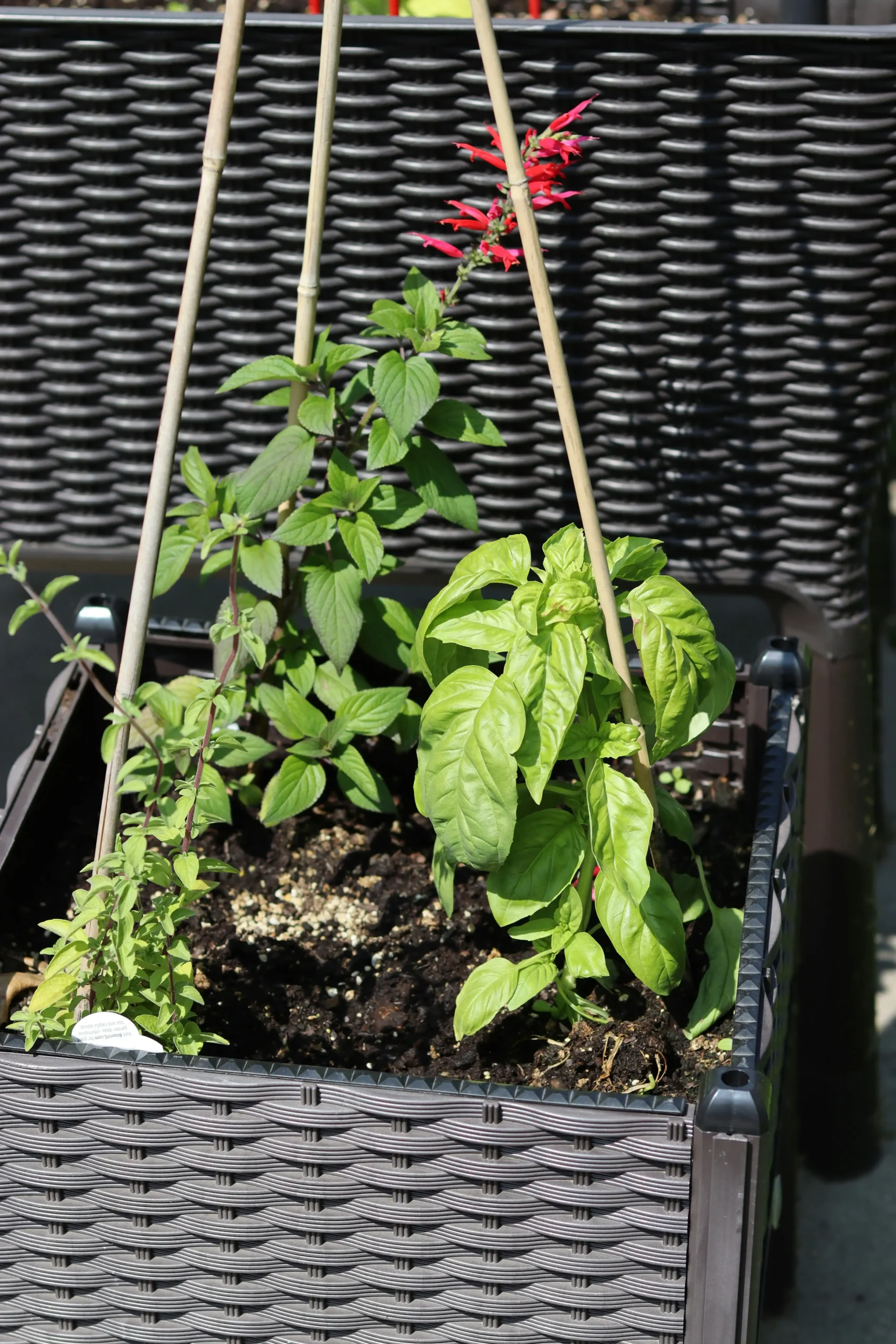
Vertical Herb Planters
Vertical planters are designed to maximize growing space by stacking multiple herbs upward instead of outward. These systems are ideal for compact indoor areas. They are becoming increasingly popular in modern indoor gardening setups.
- Maximizes small spaces
- Allows multiple herbs in one system
- Works well near bright walls or windows
- Creates organized indoor gardens
- Easy access for harvesting
Choosing the Best Material for Herb Planters
The planter material affects moisture retention, airflow, and overall plant health. Different materials suit different indoor conditions. Plastic containers hold moisture longer, while breathable materials dry faster.
- Plastic retains moisture well
- Terracotta improves airflow
- Ceramic balances moisture and appearance
- Metal planters may heat up quickly
- Wood creates a natural decorative look
Importance of Drainage in Herb Planters
Drainage is one of the most important features in any indoor herb planter. Herbs dislike sitting in waterlogged soil, and poor drainage quickly leads to root problems. A proper drainage system helps maintain healthier roots and prevents excess moisture buildup.
- Prevents root rot
- Keeps soil oxygenated
- Reduces fungal problems
- Supports steady root growth
- Makes watering easier to manage
Best Herbs for Indoor Planters
Some herbs adapt especially well to indoor containers because they stay compact and grow quickly under indoor conditions. These herbs are popular choices for beginners and experienced growers alike.
- Basil for fast leafy growth
- Mint for vigorous indoor growing
- Parsley for regular harvesting
- Chives for compact growth
- Thyme for low maintenance care
Common Mistakes With Indoor Herb Planters
Many indoor herb problems are caused by planter issues rather than the herbs themselves. Choosing the wrong setup can lead to poor growth and constant maintenance problems.
- Using containers without drainage holes
- Overcrowding too many herbs together
- Choosing planters that are too small
- Ignoring light requirements
- Using heavy compacted soil
Tips for Healthy Indoor Herb Growth
A good planter works best when combined with proper care and stable indoor conditions. Small adjustments often make a major difference in growth quality and harvesting success.
- Place planters near bright windows
- Rotate containers regularly for even light
- Use quality well draining potting mix
- Harvest herbs regularly to encourage growth
- Avoid overwatering indoor containers
Final Thoughts
An indoor herb planter is one of the simplest ways to create a productive indoor garden while keeping fresh herbs within easy reach. The right planter improves growth, simplifies maintenance, and helps herbs stay healthy throughout the year.
With proper drainage, enough light, and the right planter style, indoor herbs can thrive in kitchens, apartments, offices, and small living spaces while providing fresh flavor and greenery every day.
Most herbs need about 5 to 8 hours of bright light daily.
Slow growth may happen because of weak light or lack of nutrients.
Avoid overwatering and maintain proper airflow around the plants.
Yes, as long as they provide proper drainage and enough space.
Yes, pests like aphids or fungus gnats can appear if conditions stay too wet.
Yes, they help maintain consistent moisture and reduce watering mistakes.
Many herbs can grow for months or even years with proper care.

- Be Respectful
- Stay Relevant
- Stay Positive
- True Feedback
- Encourage Discussion
- Avoid Spamming
- No Fake News
- Don't Copy-Paste
- No Personal Attacks
- Be Respectful
- Stay Relevant
- Stay Positive
- True Feedback
- Encourage Discussion
- Avoid Spamming
- No Fake News
- Don't Copy-Paste
- No Personal Attacks
