Indoor Kalanchoe Plant Care: Everything You Should Know
Published: 11 May 2026
Growing a Kalanchoe indoors is a great way to add long lasting color and low maintenance greenery to your home. They are popular because they produce clusters of bright flowers while also being easy to care for. Their thick succulent leaves store water, which makes them more forgiving than many flowering houseplants.
One of the biggest reasons indoor gardeners love this plant is its ability to bloom for weeks with relatively little effort. When given enough light and proper watering, the plant stays compact, healthy, and colorful for a long time. It is especially suitable for beginners because it tolerates occasional neglect better than delicate indoor flowers.
Understanding Indoor Kalanchoe Plants
Kalanchoe is a succulent plant, which means it stores moisture inside its fleshy leaves. This natural ability helps it survive dry indoor conditions and makes overwatering one of the few major problems to avoid.
Unlike many indoor flowering plants that require constant attention, it grows steadily in average home environments. It is compact, decorative, and fits easily on windowsills, desks, or shelves.
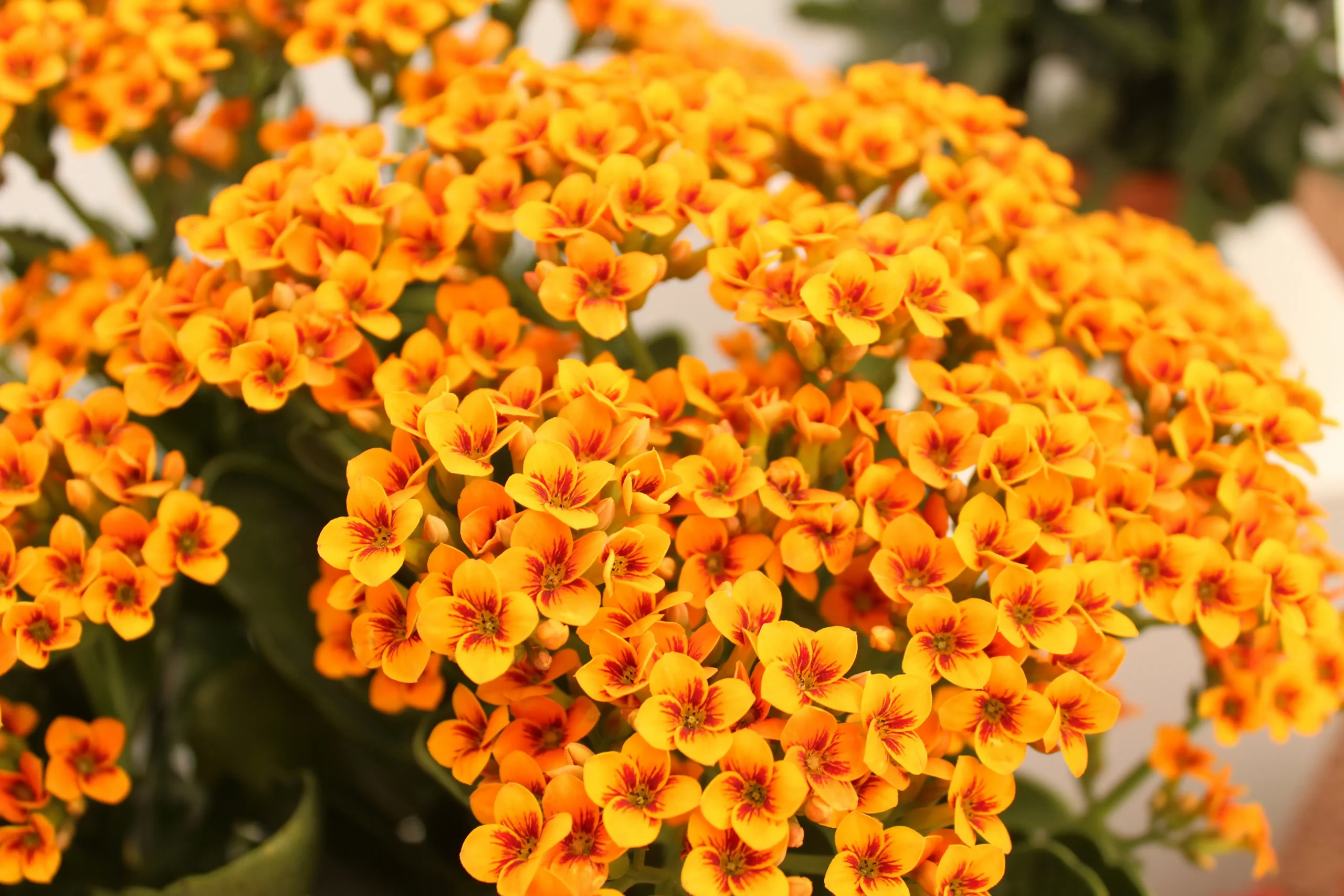
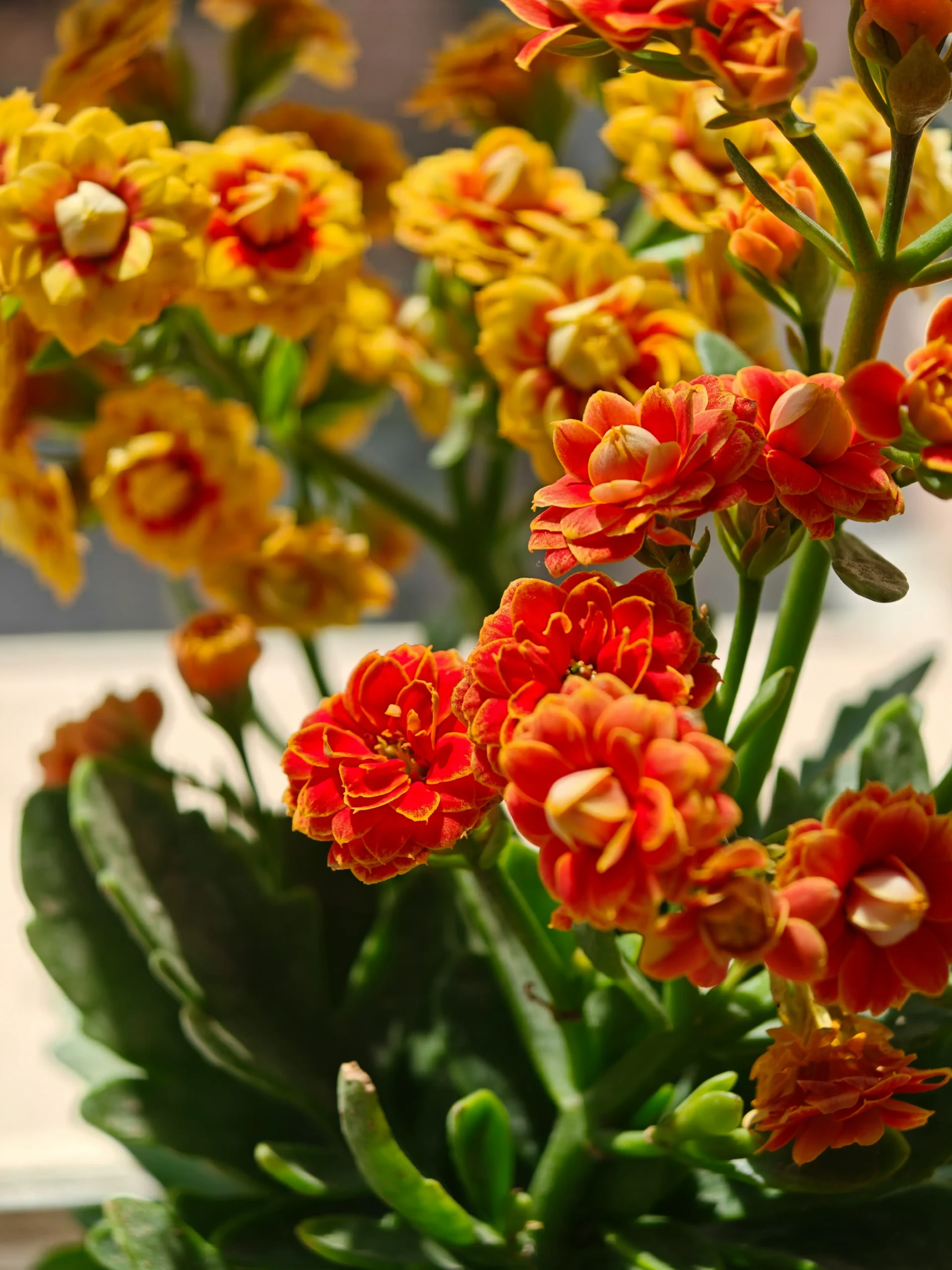
The plant is also known for producing blooms in shades of red, pink, orange, yellow, and white. These flowers can last for several weeks indoors when conditions remain stable.
Choosing the Right Location Indoors
Location plays a major role in how well it grows and blooms indoors. Since it is a light loving succulent, placing it in a dim corner often leads to weak growth and poor flowering. Bright locations help the plant maintain compact growth and vibrant flowers.
- Place near a sunny window with bright light
- East or south facing windows work well
- Provide several hours of indirect sunlight daily
- Avoid very dark indoor spaces
- Rotate the plant regularly for even growth
Light Requirements
Light is the most important factor for keeping kalanchoe healthy indoors. Without enough light, the plant may become leggy and stop blooming properly. Strong indirect light encourages healthy leaves and long lasting flowers.
- Provide 5 to 6 hours of bright light daily
- Morning sunlight is usually safe indoors
- Avoid intense harsh afternoon sun through glass
- Use grow lights if natural light is weak
- Watch for stretching, which indicates low light
Best Soil for Indoor Kalanchoe
Because kalanchoe is a succulent, it needs soil that drains quickly. Heavy soil traps moisture around the roots and increases the risk of root rot. A loose, airy mix helps roots stay healthy while preventing excess moisture buildup.
- Use cactus or succulent potting mix
- Add perlite for better drainage
- Avoid dense garden soil indoors
- Choose containers with drainage holes
- Refresh compacted soil when needed
Watering Kalanchoe Properly
Overwatering is the most common mistake people make. Since the plant stores water in its leaves, it prefers slightly dry conditions rather than constantly wet soil. The best approach is to water deeply and then allow the soil to dry before watering again.
- Water when the top soil feels dry
- Avoid frequent shallow watering
- Empty excess water from trays
- Reduce watering during winter
- Never let the plant sit in standing water
Temperature and Indoor Conditions
It grows best in warm indoor temperatures with stable conditions. Sudden cold exposure can damage leaves and reduce flowering. Maintaining a comfortable environment helps the plant stay healthy throughout the year.
- Keep temperatures between 18 to 27 degrees Celsius
- Protect from cold drafts and sudden chills
- Avoid placing near heaters or air conditioners
- Maintain gentle airflow around the plant
- Keep away from freezing windows during winter
Humidity Needs
Unlike tropical houseplants, it does not require high humidity. In fact, very humid conditions may increase the risk of fungal problems. Average indoor humidity is usually enough for healthy growth.
- Normal indoor humidity works well
- Avoid excessive moisture around leaves
- Ensure good air circulation
- Do not mist the plant frequently
- Keep the environment dry and balanced
Feeding and Fertilizing
This plant benefits from occasional feeding during active growth and flowering. Too much fertilizer, however, can weaken the plant and reduce bloom quality. Balanced feeding supports stronger leaves and longer lasting flowers.
- Use a balanced fertilizer every few weeks
- Feed during spring and summer
- Reduce feeding in winter
- Avoid over fertilizing the soil
- Water lightly before feeding
Encouraging More Blooms
One of the main reasons people grow kalanchoe indoors is for its flowers. Proper care helps the plant bloom more consistently and for longer periods. Flower production depends heavily on light exposure and overall plant health.
- Provide strong bright light daily
- Remove faded flowers regularly
- Avoid overwatering during bloom periods
- Keep temperatures stable
- Allow the plant short darker periods before reblooming
Repotting Indoor Kalanchoe
It does not need frequent repotting, but refreshing the soil occasionally helps maintain healthy roots and growth. Repotting is usually needed when the plant becomes root bound or the soil no longer drains properly.
- Repot every few years if necessary
- Use slightly larger pots only
- Replace old compacted soil
- Handle roots carefully during repotting
- Water lightly after transplanting
Propagating Kalanchoe Indoors
It is easy to propagate, which makes it a great plant for expanding your indoor collection. New plants can grow from stem cuttings or leaf cuttings. Healthy cuttings root relatively quickly under the right conditions.
- Take healthy stem cuttings
- Allow cuttings to dry briefly before planting
- Use well draining soil for rooting
- Keep in bright indirect light
- Water lightly until roots develop
Common Problems and Solutions
Indoor kalanchoe plants are generally hardy, but problems can appear if conditions become unbalanced. Most issues are related to watering or light.
- Yellow leaves caused by overwatering
- Leggy growth due to insufficient light
- Root rot from poor drainage
- Drooping leaves from watering imbalance
- Poor flowering due to lack of sunlight
Final Thoughts
Kalanchoe is one of the best flowering succulents for indoor growing because it combines beauty with easy care. Its colorful blooms, compact size, and ability to tolerate average indoor conditions make it an excellent choice for both beginners and experienced plant lovers.
With proper light, controlled watering, and well draining soil, this plant can thrive indoors for years while producing bright flowers that bring life and color into your home.
Soft leaves are usually caused by overwatering or poor drainage.
Repotting every 2 to 3 years is usually enough unless the plant becomes root bound.
Yes, kalanchoe can rebloom if it receives proper light and care.
Yes, kalanchoe can be toxic if eaten by pets.
Pruning leggy stems encourages fuller and more compact growth.
Kalanchoe flowers can bloom in red, pink, yellow, orange, white, and purple shades.
Yes, but growing from cuttings is usually faster and easier.
Yes, mealybugs and aphids can occasionally appear if airflow is poor.


- Be Respectful
- Stay Relevant
- Stay Positive
- True Feedback
- Encourage Discussion
- Avoid Spamming
- No Fake News
- Don't Copy-Paste
- No Personal Attacks
- Be Respectful
- Stay Relevant
- Stay Positive
- True Feedback
- Encourage Discussion
- Avoid Spamming
- No Fake News
- Don't Copy-Paste
- No Personal Attacks
