Grow Spider Plant Indoor: Best Methods for Strong Roots and Leaves
Published: 10 May 2026
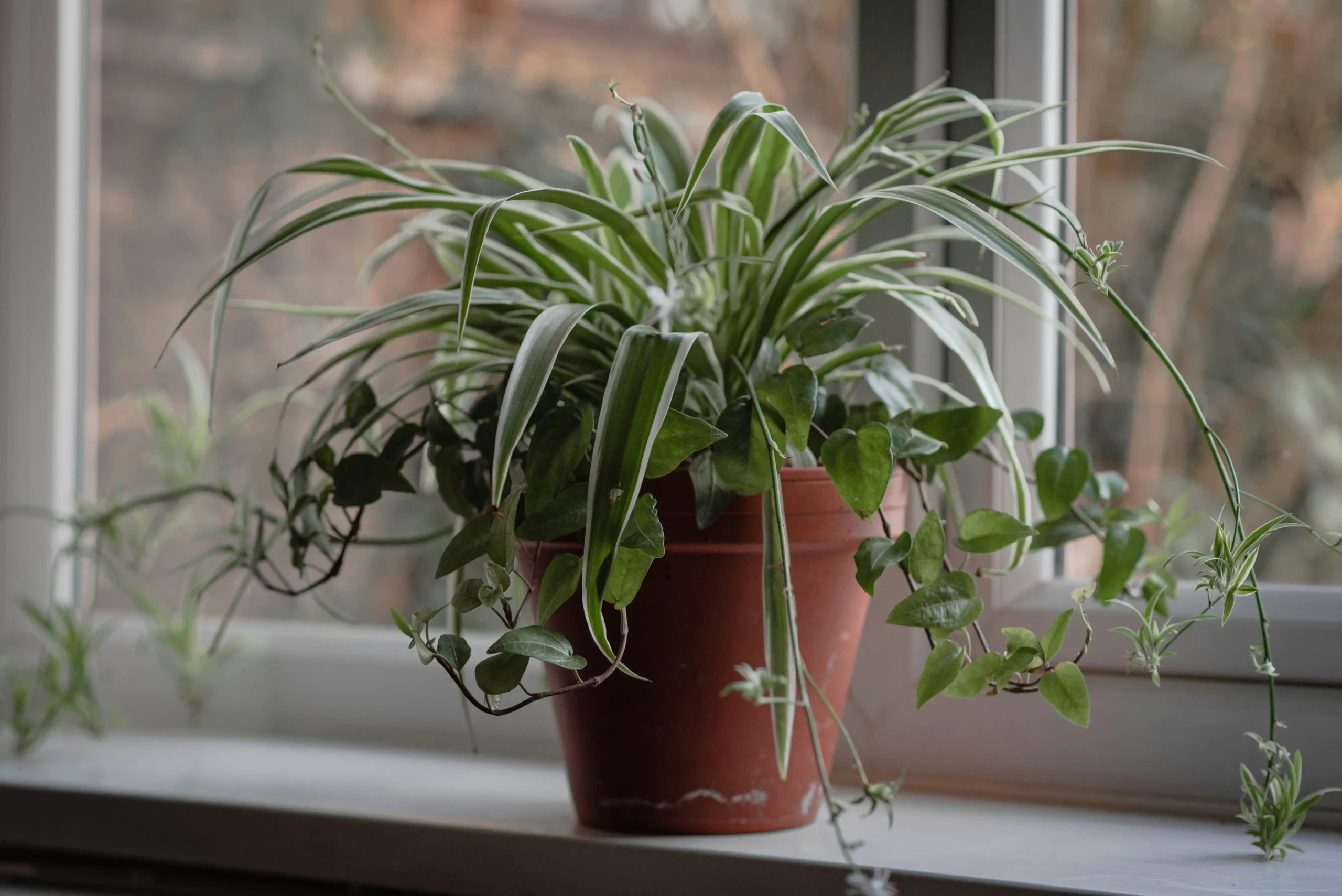
Growing a Spider Plant indoors is one of the easiest and most rewarding ways to add greenery to your home. Spider plants are popular because they are hardy, adaptable, and forgiving, making them perfect for beginners as well as experienced plant lovers.
What makes spider plants special is their ability to grow well in a wide range of indoor conditions. They produce long arching leaves and small plantlets that hang beautifully from the mother plant. With proper care, they grow quickly and can remain healthy for many years.
Understanding Spider Plants Indoors
Spider plants are tropical perennials known for their striped green and white leaves. Indoors, they are valued not only for their appearance but also for how easy they are to maintain. Unlike delicate houseplants, spider plants tolerate occasional neglect and recover quickly from small mistakes.
They are also fast growers. Under the right conditions, they produce baby plants called spiderettes, which hang from long stems and can be propagated easily. This makes them one of the most enjoyable plants for indoor gardeners who like seeing quick results.
Light Requirements
Spider plants grow best in bright, indirect light. While they can tolerate lower light conditions, stronger indirect light helps them maintain vibrant color and faster growth. Too much direct sunlight can scorch the leaves, especially indoors where window heat becomes intense.
- Place near a bright window with filtered light
- Avoid strong afternoon sunlight
- Rotate the plant regularly for even growth
- Use grow lights if natural light is weak
- Keep colorful varieties in brighter conditions
Watering and Moisture Balance
Spider plants prefer slightly moist soil but do not like sitting in water. Their thick roots store moisture, which means they can tolerate short dry periods better than overwatering. The key is to water thoroughly and then allow the top layer of soil to dry slightly before watering again.
- Water when the top inch of soil feels dry
- Avoid soggy soil and standing water
- Reduce watering during winter
- Ensure proper drainage at all times
- Use room temperature water if possible
Choosing the Right Soil
The right soil helps spider plants grow quickly and prevents root problems. Since they dislike waterlogged conditions, the soil should drain well while still holding some moisture. A loose, airy mix encourages healthier roots and stronger growth.
- Use a light indoor potting mix
- Add perlite for better drainage
- Avoid dense or compact soil
- Choose pots with drainage holes
- Refresh soil when it becomes old or compacted
Temperature and Indoor Conditions
Spider plants adapt well to normal indoor temperatures, which is one reason they are so popular as houseplants. However, they still prefer stable conditions and dislike sudden environmental changes. Maintaining moderate temperatures helps keep leaves healthy and prevents stress.
- Keep temperatures between 18 to 27 degrees Celsius
- Avoid cold drafts and sudden temperature drops
- Keep away from heaters and air conditioners
- Maintain gentle airflow
- Avoid placing near freezing windows in winter
Humidity Requirements
Spider plants can tolerate average indoor humidity, but they grow better when humidity is slightly higher. Very dry air may cause brown leaf tips. Increasing humidity slightly improves overall appearance.
- Maintain moderate indoor humidity
- Mist occasionally in very dry weather
- Use a humidity tray if needed
- Keep away from strong dry heat
- Group plants together to increase humidity naturally
Feeding and Fertilizing
Spider plants are not heavy feeders, but occasional fertilizing supports faster growth and healthier leaves. Too much fertilizer can cause brown tips and salt buildup in the soil. Balanced feeding keeps the plant healthy without overwhelming it.
- Use a balanced liquid fertilizer every few weeks
- Feed during spring and summer
- Reduce feeding in winter
- Avoid excessive fertilizer use
- Flush soil occasionally to remove salt buildup
Repotting and Root Growth
Spider plants grow quickly and often become root bound indoors. When roots fill the container completely, growth may slow down and watering becomes difficult. Repotting gives the roots more space and refreshes the soil.
- Repot every 1 to 2 years if needed
- Choose a slightly larger container
- Avoid oversized pots
- Refresh the soil during repotting
- Handle roots gently to avoid damage
Propagating Spider Plants
One of the most exciting things about spider plants is how easy they are to propagate. The small plantlets that grow from mature plants can quickly become new plants. This makes spider plants ideal for expanding your indoor collection.
- Cut healthy spiderettes from the mother plant
- Root them in water or soil
- Keep the soil lightly moist during rooting
- Provide bright indirect light
- Wait for roots to establish before repotting
Common Problems and Solutions
Spider plants are resilient, but they can still develop issues if conditions are not balanced. Most problems are easy to fix with small adjustments.
- Brown leaf tips caused by dry air or excess fertilizer
- Yellow leaves from overwatering
- Slow growth due to low light
- Drooping due to watering imbalance
- Root rot caused by poor drainage
Encouraging Healthy and Full Growth
Spider plants naturally grow fast when their basic needs are met. Consistent care encourages fuller leaves and more spiderettes.
- Provide bright indirect light
- Maintain balanced watering
- Repot when roots become crowded
- Feed lightly during active growth
- Keep environmental conditions stable
Final Thoughts
Spider plants are among the easiest indoor plants to grow successfully. Their adaptability, fast growth, and ability to produce baby plants make them both practical and enjoyable for indoor gardeners.
With the right balance of light, water, and care, a spider plant can thrive indoors for years and become one of the most reliable and attractive plants in your home.
Yes, spider plants are excellent for hanging baskets because of their trailing spiderettes.
Insufficient light, lack of maturity, or limited root growth can reduce spiderette production.
Spider plants are generally considered non-toxic to pets.
Leaf curling can happen due to underwatering, dry air, or temperature stress.
This usually happens due to low light or nutrient deficiency.
Regular feeding, proper light, and allowing baby plants to grow nearby can create a fuller appearance.
Yes, if root rot is not advanced and damaged roots are removed early.
Yes, mature spider plants can produce small white flowers before forming spiderettes.






- Be Respectful
- Stay Relevant
- Stay Positive
- True Feedback
- Encourage Discussion
- Avoid Spamming
- No Fake News
- Don't Copy-Paste
- No Personal Attacks
- Be Respectful
- Stay Relevant
- Stay Positive
- True Feedback
- Encourage Discussion
- Avoid Spamming
- No Fake News
- Don't Copy-Paste
- No Personal Attacks
