Grow a Perfect Rubber Plant Indoors with These Simple Care Tips
Published: 4 May 2026
The rubber plant, scientifically known as Ficus elastica, is one of the easiest and most rewarding indoor plants you can grow. Its thick, glossy leaves and upright growth habit make it a favorite for both beginners and experienced plant lovers.
With the right care, this plant can grow into a tall, elegant indoor tree that completely changes the look of your space. The good news is that it does not require complicated care. You just need to understand a few key things and stay consistent.
Light Requirements for Indoor Growth
Rubber plants grow best in bright indoor spaces where they receive plenty of indirect light. They enjoy sunlight, but too much direct exposure can damage their leaves, especially during hot afternoons. If the light is too low, the plant will still survive, but growth becomes slow and the leaves may lose their deep green color. Finding a balanced spot is the key to keeping it healthy.
- Place the plant near a window with filtered sunlight
- Rotate the pot regularly so all sides get equal light
- Clean dust from leaves so they can absorb light better
- Move the plant slightly closer to light if growth slows
Watering the Right Way
Watering your rubber plant properly is one of the most important parts of its care. The plant prefers soil that dries slightly between watering sessions rather than staying constantly wet. Instead of following a strict schedule, it is better to check the soil. When the top layer feels dry, that is the right time to water. Overwatering is a common mistake that often leads to root problems.
- Always check soil before watering
- Use room temperature water for better absorption
- Ensure excess water drains out completely
- Reduce watering during colder months
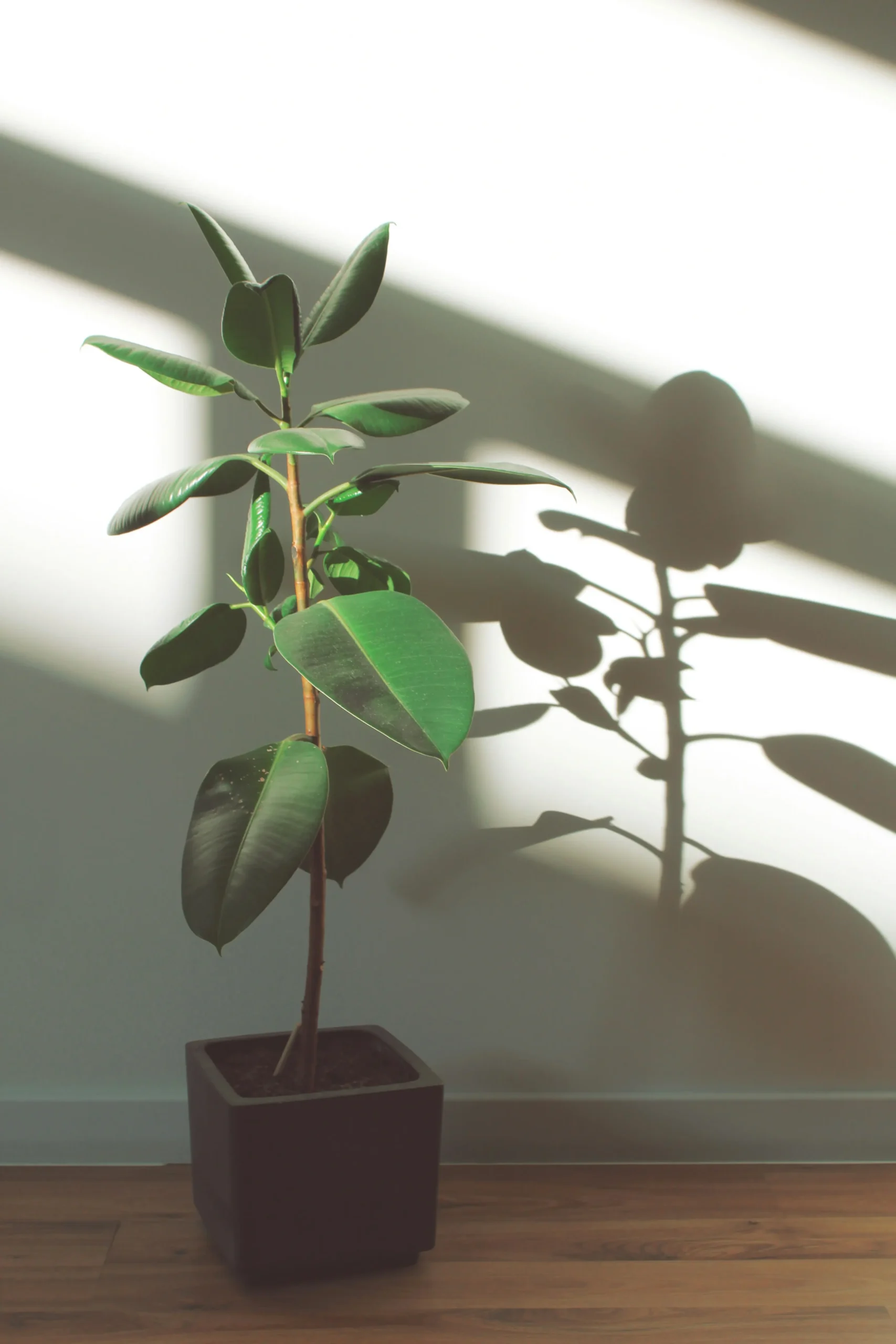
Best Soil for Rubber Plants
Soil plays a big role in root health. Rubber plants need soil that can hold some moisture but still allow excess water to drain easily. Heavy or compact soil can suffocate roots and cause rot. A light and airy mix works much better for long term growth.
- Use potting soil combined with perlite or sand
- Add coco coir to improve moisture balance
- Avoid soil that stays soggy for too long
- Refresh soil occasionally to maintain nutrients
Temperature and Humidity Needs
Rubber plants naturally grow in warm environments, so they prefer indoor conditions that are stable and comfortable. Sudden changes in temperature can stress the plant and affect its growth. Most homes already provide suitable conditions, but small adjustments can make a noticeable difference in plant health.
- Keep the plant away from cold drafts and open windows in winter
- Avoid placing it near air conditioners or heaters
- Group plants together to slightly increase humidity
- Wipe leaves occasionally to keep them healthy and clean
Fertilizing for Strong Growth
Feeding your rubber plant helps it produce larger leaves and maintain steady growth. During the active growing season, the plant benefits from regular nutrients. In winter, the plant slows down, so feeding is not as necessary. Giving too much fertilizer can do more harm than good.
- Use a balanced liquid fertilizer during spring and summer
- Apply fertilizer after watering, not on dry soil
- Avoid feeding when the plant is stressed or newly repotted
- Stick to moderate amounts instead of overfeeding
Pruning and Shaping the Plant
Rubber plants can grow quite tall indoors, sometimes reaching ceiling height if left untrimmed. Pruning helps control size and encourages a fuller shape. When you cut the top, the plant often responds by growing new branches, making it look more dense and attractive.
- Use clean and sharp tools to avoid damage
- Prune during active growth periods
- Cut just above a leaf node for new growth
- Remove damaged or unhealthy leaves regularly
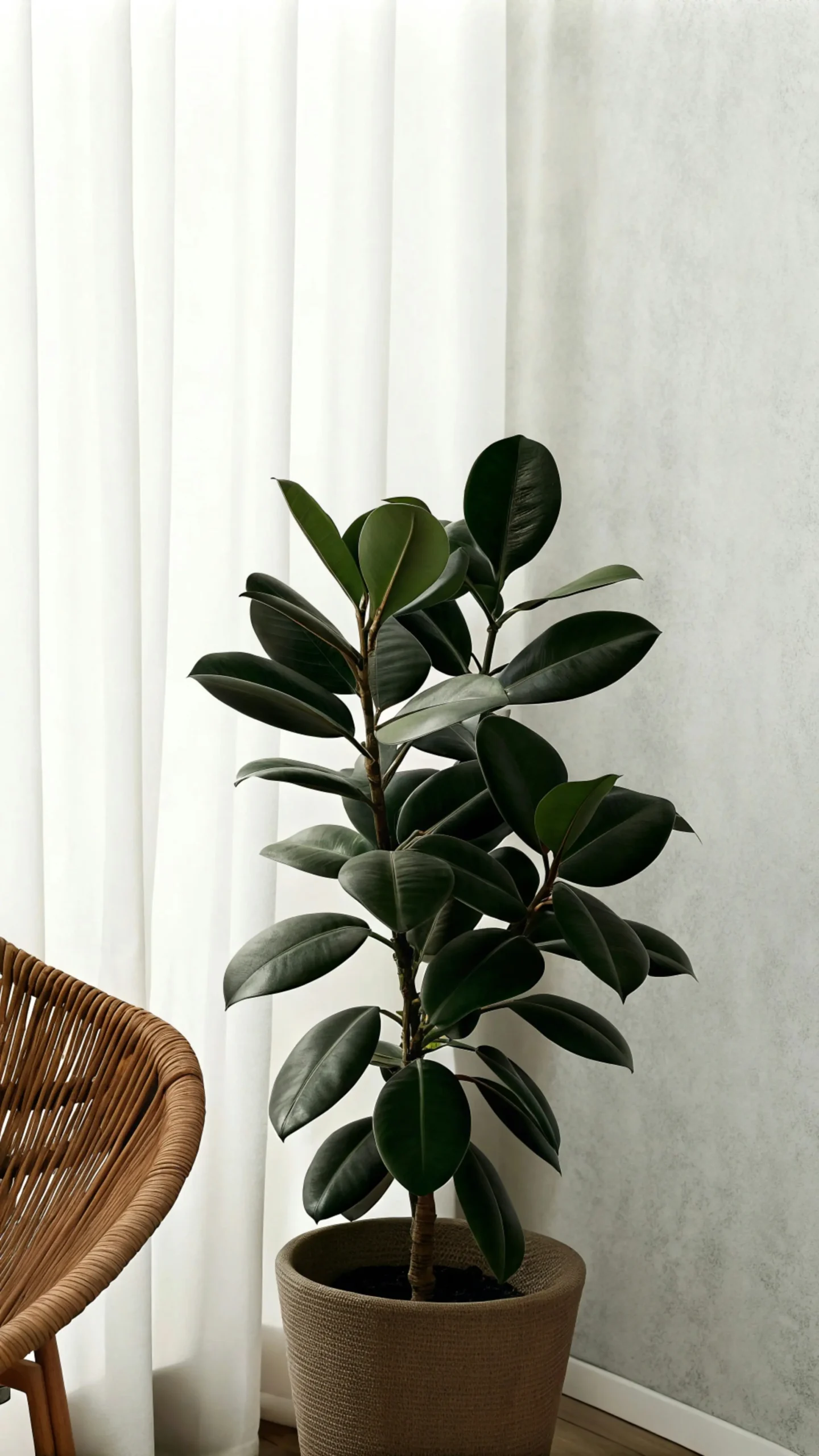
Repotting and Growth Space
As your rubber plant grows, its roots will need more space. If the plant becomes root bound, it may stop growing properly. Repotting gives the roots fresh soil and room to expand, which supports overall plant health.
- Roots start coming out from the bottom
- Water drains too quickly after watering
- Growth slows even in good conditions
- The plant becomes top heavy and unstable
Common Problems and How to Fix Them
Even though rubber plants are easy to care for, they can still show signs of stress if something is off. Understanding these signals helps you act quickly.
- Yellow leaves usually mean too much water
- Dropping leaves can be caused by sudden changes
- Brown edges often indicate dry air or uneven watering
- Pale leaves may suggest lack of light
Safety Around Pets
The sap of Ficus elastica can cause irritation if touched or eaten. It is not safe for pets or small children. Keeping the plant in a secure place will help avoid any unwanted issues.
- Place the plant out of reach of pets
- Wash hands after handling cut stems
- Avoid contact with eyes or skin
- Clean up fallen leaves quickly
Propagation Made Simple
Rubber plants are surprisingly easy to propagate, which means you can grow new plants from the one you already have. A healthy stem cutting can develop roots within a few weeks if placed in the right conditions.
- Choose a healthy and mature stem
- Allow the cut end to dry slightly before planting
- Keep the cutting in a warm and bright place
- Be patient as root development takes time
Styling Ideas for Your Space
Rubber plants are not just about growth, they also add style and character to your home. Their bold leaves make them stand out even in simple spaces. They work well in both modern and traditional interiors, depending on how you place them.
- Use decorative pots to match your interior
- Place in empty corners to fill space
- Combine with smaller plants for contrast
- Position near natural light for best appearance
Final Thoughts
Taking care of a rubber plant indoors becomes easy once you understand its basic needs. It does not ask for too much, but it responds well to consistent care.
With proper light, careful watering, and a stable environment, your rubber plant can grow beautifully and become a long lasting part of your indoor space.
A single leaf may survive in water, but it will not grow into a full plant without a stem node.
It can help improve indoor air quality slightly, though it should not be relied on as the only solution.
It can occasionally attract pests like spider mites if the air is too dry.
Cleaning every few weeks helps the plant absorb more light and stay healthy.
Check the soil moisture and light conditions, as both can cause drooping.
Yes, slight underwatering is safer than overwatering, but long dry periods will stress the plant.
This usually means the soil has become compact or hydrophobic and needs loosening or refreshing.
This can be a sign of pests like aphids or scale insects.
It is better to avoid them and simply clean leaves with a damp cloth.
They do not fully go dormant, but growth slows significantly in winter.






- Be Respectful
- Stay Relevant
- Stay Positive
- True Feedback
- Encourage Discussion
- Avoid Spamming
- No Fake News
- Don't Copy-Paste
- No Personal Attacks
- Be Respectful
- Stay Relevant
- Stay Positive
- True Feedback
- Encourage Discussion
- Avoid Spamming
- No Fake News
- Don't Copy-Paste
- No Personal Attacks
