Indoor Tradescantia Plant Care for Vibrant Purple Leaves
Published: 16 May 2026
Growing a Tradescantia indoors is one of the easiest ways to add fast growing color and trailing foliage to your home. These plants are popular for their vibrant leaves, quick growth, and ability to adapt well to indoor conditions. Their cascading stems make them especially attractive in hanging baskets, shelves, and decorative planters.
Tradescantia is often loved for its striking leaf colors and patterns. Depending on the variety, the foliage may display shades of green, purple, silver, pink, or deep burgundy. With proper care, the plant grows quickly and creates a full lush appearance indoors.
One of the biggest advantages of growing this trailing houseplant indoors is how forgiving and easy it is to maintain. Even beginners can grow healthy plants successfully with the right balance of light, watering, and pruning.
Understanding Tradescantia Indoors
Tradescantia naturally grows in warm tropical environments where it spreads quickly across the ground or trails from elevated spaces. Indoors, it adapts extremely well to containers and hanging planters.
The plant is mainly grown for its decorative foliage rather than flowers. While small blooms may appear occasionally, the colorful leaves remain the main attraction throughout the year. Because of its fast growth habit, this plant can quickly become fuller and more dramatic indoors when cared for consistently.
Best Tradescantia Varieties for Indoors
There are many varieties available, each offering different leaf colors and growth styles. Some varieties trail more heavily, while others stay slightly more upright. Popular indoor types include both green and purple foliage forms.
- Purple varieties with deep violet leaves
- Silver striped types with decorative patterns
- Pink variegated forms for extra color
- Compact trailing varieties for shelves
- Fast spreading types for hanging baskets
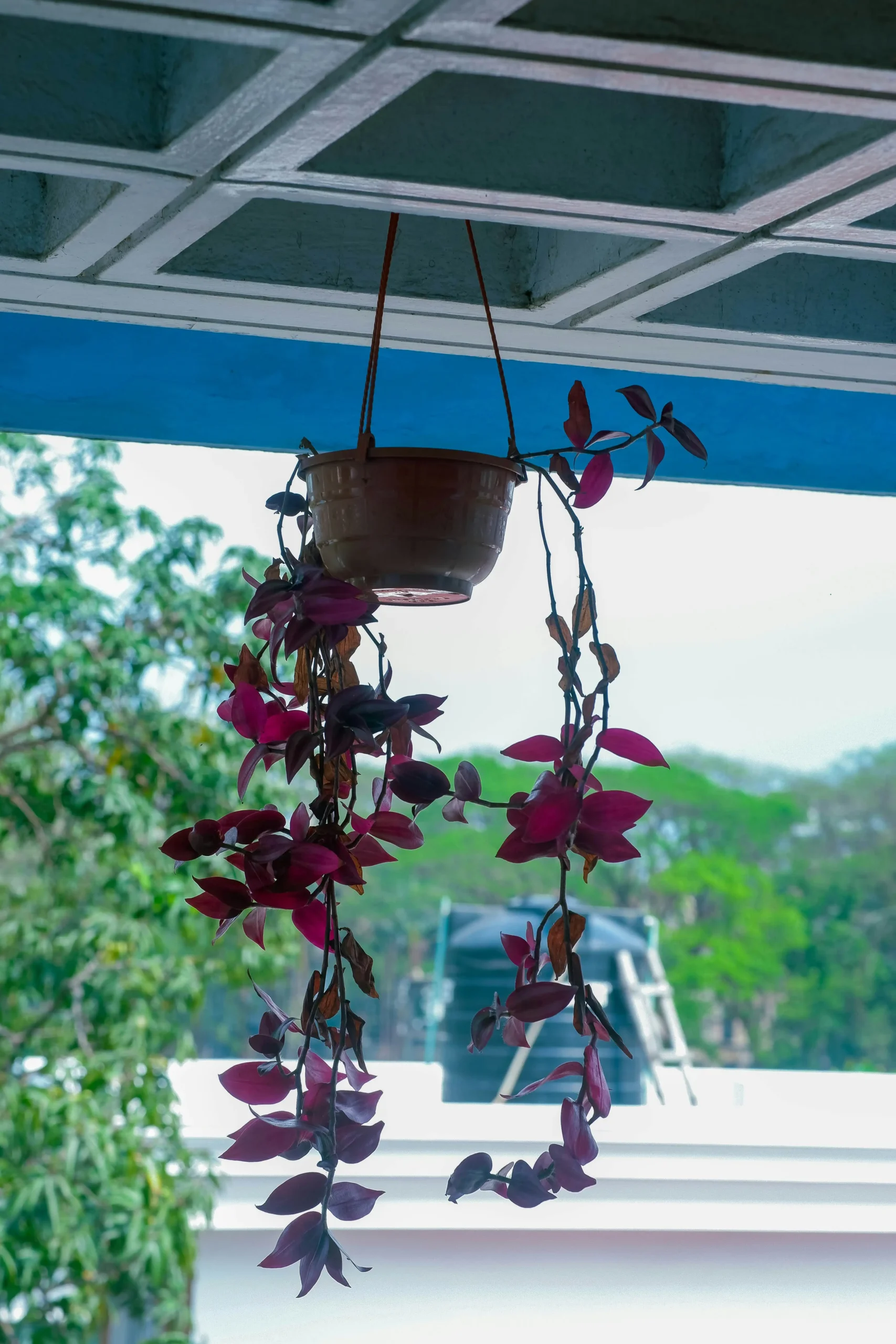
Choosing the Right Indoor Location
Placement plays a major role in keeping the foliage colorful and healthy. Bright conditions encourage stronger colors and fuller growth. A bright room with indirect sunlight usually provides the best balance.
- Place near bright filtered light
- East facing windows work especially well
- Avoid very dark corners indoors
- Protect from intense afternoon sunlight
- Rotate the plant regularly for even growth
Light Requirements
Good lighting is one of the most important factors for maintaining vibrant foliage. Without enough light, the colors may fade and growth can become weak or leggy. Bright indirect sunlight encourages compact growth and stronger leaf color.
- Provide several hours of bright light daily
- Filter harsh direct sunlight if needed
- Use grow lights in dim rooms
- Watch for faded color in low light
- Prevent stretching by improving light exposure
Best Soil for Indoor Growing
Healthy roots depend on loose soil with good drainage. Heavy compacted mixes can trap too much moisture and increase the risk of root problems. A light indoor mix helps the roots stay healthy while supporting fast growth.
- Use well draining potting mix
- Add perlite for better airflow
- Avoid dense garden soil indoors
- Use containers with drainage holes
- Refresh compacted soil when necessary
Watering Tradescantia Properly
This plant prefers slightly moist soil but dislikes constantly wet conditions. Overwatering is one of the most common problems indoors. Balanced watering keeps the foliage healthy and prevents root damage.
- Water when the top layer feels slightly dry
- Avoid soggy soil conditions
- Reduce watering during winter
- Empty excess water from trays
- Keep watering routines consistent
Temperature and Indoor Conditions
Tradescantia grows best in warm stable indoor temperatures. Sudden cold exposure can damage leaves and slow growth. Consistent indoor conditions help the plant remain fuller and healthier.
- Keep temperatures between 18 to 27 degrees Celsius
- Protect from cold drafts
- Avoid placing near heaters or air conditioners
- Maintain gentle airflow
- Avoid freezing conditions completely
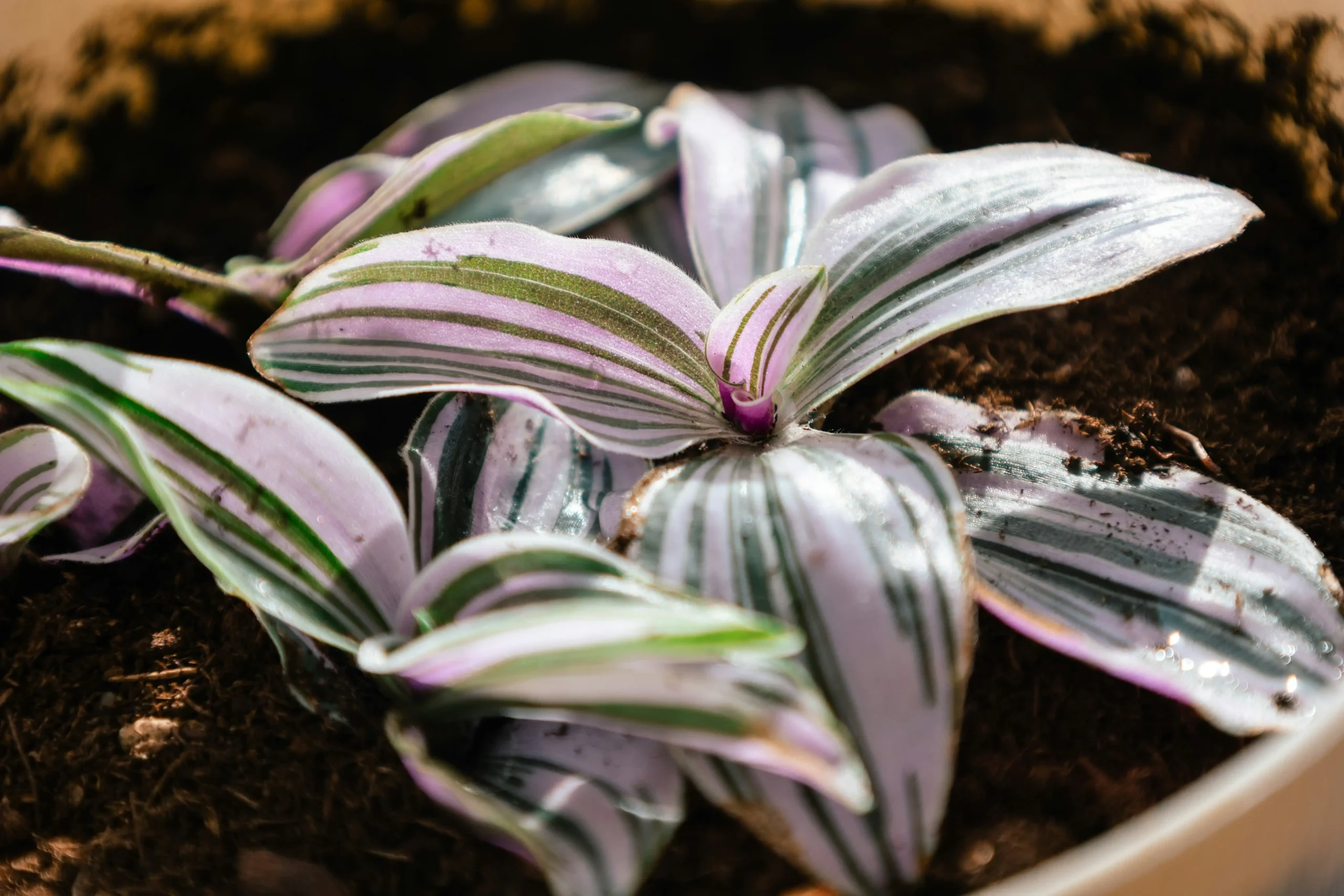
Humidity Requirements
Most varieties appreciate moderate humidity, although they adapt reasonably well to average indoor conditions. Very dry air may cause crispy leaf edges over time.
- Maintain moderate humidity levels
- Mist lightly during very dry weather
- Use humidity trays if needed
- Group plants together naturally
- Ensure airflow around the foliage
Fertilizing and Feeding
Because of its fast growth, this trailing plant benefits from occasional feeding during active growing periods. Balanced nutrients help maintain vibrant foliage and steady growth.
- Use balanced liquid fertilizer every few weeks
- Feed during spring and summer
- Reduce feeding during winter
- Avoid excessive fertilizer use
- Water lightly before feeding
Pruning for Fuller Growth
Regular pruning is one of the best ways to keep the plant compact and bushy indoors. Without pruning, stems may become long and sparse over time. Trimming encourages branching and fuller foliage.
- Pinch back long stems regularly
- Remove weak or damaged growth
- Trim leggy vines carefully
- Use clean pruning tools
- Propagate healthy cuttings easily
Propagating Indoors
Tradescantia is one of the easiest indoor plants to propagate. Stem cuttings root quickly in both water and soil. This makes it simple to create fuller containers or additional plants.
- Take healthy stem cuttings
- Root cuttings in water or soil
- Keep cuttings in bright indirect light
- Maintain slightly moist conditions
- Transplant after roots develop well
Common Problems and Solutions
Most indoor problems are related to lighting, watering, or lack of pruning. Early adjustments usually solve the issue quickly.
- Leggy growth caused by insufficient light
- Yellow leaves from overwatering
- Faded colors due to weak lighting
- Brown edges from dry air
- Root rot caused by poor drainage
Final Thoughts
Tradescantia is one of the most rewarding indoor plants for anyone who enjoys colorful trailing foliage and fast growth. Its vibrant leaves, easy propagation, and adaptable nature make it perfect for hanging baskets, shelves, and indoor plant collections.
With proper light, balanced watering, and occasional pruning, this beautiful trailing plant can thrive indoors for years while creating a lush and lively atmosphere inside your home.
Leggy growth usually happens because the plant is not getting enough light.
Weak lighting is usually the main reason for faded foliage color.
Feed lightly every few weeks during active growing seasons.
Some cuttings can survive in water for long periods with proper nutrient support.
Yes, many varieties adapt well to bright office lighting.
Sparse growth is usually caused by insufficient light or lack of pruning.
It tolerates slightly crowded roots but still benefits from occasional repotting.
Low light is one of the main reasons vibrant purple tones fade.

- Be Respectful
- Stay Relevant
- Stay Positive
- True Feedback
- Encourage Discussion
- Avoid Spamming
- No Fake News
- Don't Copy-Paste
- No Personal Attacks
- Be Respectful
- Stay Relevant
- Stay Positive
- True Feedback
- Encourage Discussion
- Avoid Spamming
- No Fake News
- Don't Copy-Paste
- No Personal Attacks
