How to Care for Bromeliads Indoors After Flowering Without Killing the Plant
Published: 27 Jun 2026
Bromeliads are among the most eye catching tropical plants you can keep inside your home. Their dramatic foliage, vibrant colors, and unusual growth patterns make them stand out from traditional houseplants. Whether placed in a bright living room, office, or bathroom, these plants instantly add a tropical feel to indoor spaces.
Many plant owners struggle with Bromeliads because they care for them like ordinary potted plants. That is usually where problems begin. These tropical plants grow very differently from common indoor plants, so their watering, light, and humidity needs are unique. Once you understand how they naturally grow, caring for them becomes much easier.
Why Grow Bromeliads Indoors?
Bromeliads are popular because they offer a combination of beauty and easy maintenance. Their striking foliage and colorful blooms can remain attractive for months, making them one of the best decorative houseplants. Unlike flowering plants that bloom for only a short period, bromeliads often maintain their ornamental appeal for a very long time.
Another reason people love them is their adaptability. Many varieties perform well in indoor environments where temperature remains relatively stable. They can tolerate average household conditions better than many other tropical plants, especially when provided with bright filtered light and decent humidity.
Benefits include:
- Beautiful tropical appearance
- Long lasting color
- Great for home décor
- Compact growth habit
- Low maintenance
- Beginner friendly
Best Bromeliad Varieties for Indoor Growing
Choosing the right variety makes a big difference because each type has slightly different growth habits and care needs. Some varieties are grown mainly for bold leaf colors, while others are prized for spectacular blooms.
Guzmania is one of the most beginner friendly options because it adapts well indoors and produces bright colorful bracts. Neoregelia is loved for its stunning foliage colors, especially reds, purples, and greens. Aechmea varieties are tougher and tolerate slightly drier conditions. Vriesea produces elegant sword shaped blooms that look highly decorative indoors.
Best indoor varieties include:
- Guzmania
- Neoregelia
- Aechmea
- Vriesea
- Cryptanthus
- Tillandsia
Understanding the Bromeliad Life Cycle
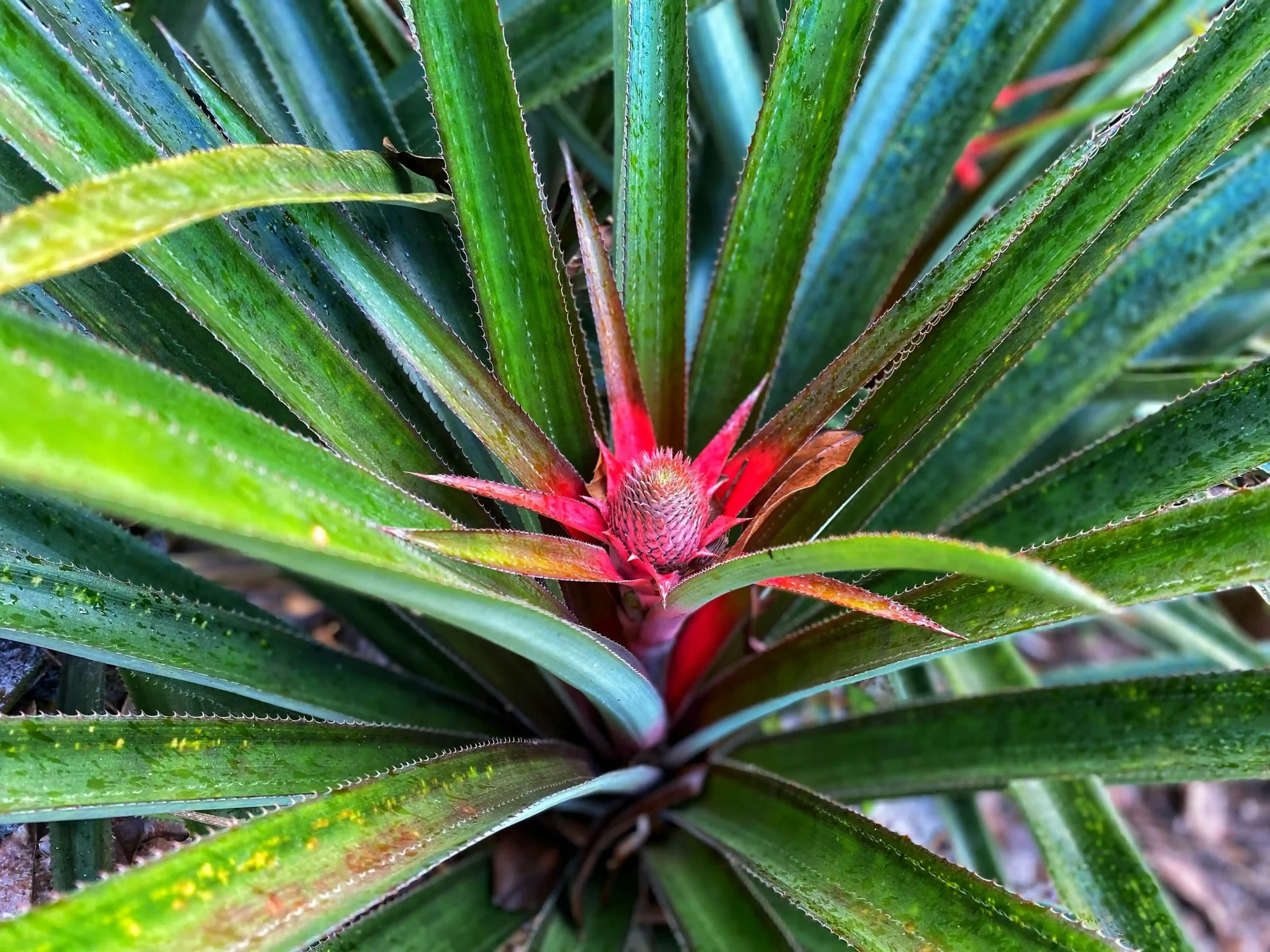
This is one of the most misunderstood aspects of bromeliads care. Many beginners panic when the mother plant begins declining after flowering, thinking the plant is dying from poor care. In reality, this is a completely natural process.
Most bromeliads bloom only once in their lifetime. The bloom can last for several weeks or even months depending on the variety. After blooming, the mother plant slowly uses its energy to produce pups at the base. These pups eventually mature into new plants and continue the cycle. This means that seeing the mother plant slowly fade after flowering is not a failure. It is simply part of the plant’s natural life cycle. Life cycle stages include:
- Vegetative growth
- Mature growth
- Flowering
- Pup development
- Mother plant decline
Light Requirements
Proper lighting is one of the biggest factors affecting health, color intensity, and blooming of the bromeliads. Bright indirect light is ideal for most indoor varieties. Too little light often causes weak growth, dull colors, and reduced flowering. Too much direct sun can burn foliage.
Plants with colorful leaves usually need brighter light to maintain their vibrant appearance. Varieties with softer green foliage often tolerate slightly lower light conditions. A bright room near an east facing window usually works well. South facing windows can also work if filtered with curtains.
Best lighting conditions:
- Bright indirect light
- East facing windows
- Filtered sunlight
- Avoid harsh afternoon sun
Signs of lighting problems:
- Pale color
- Weak growth
- Burnt leaves
- Faded foliage
Best Indoor Placement
Placement affects much more than light. It also influences humidity, temperature, and airflow. Choosing the right location improves long term success. Bathrooms with bright windows often work well because humidity tends to be higher. Kitchens can also provide decent humidity and warmth. Living rooms with bright filtered light are another excellent option. Avoid placing bromeliads near air conditioners, heaters, or drafty windows because sudden temperature changes stress tropical plants.
Good locations include:
- Bright bathrooms
- Kitchens
- Living rooms
- Office spaces
Avoid:
- AC vents
- Heaters
- Cold drafts
- Dark corners
Temperature Requirements
Warmth is essential because bromeliads are tropical. Most indoor environments naturally fall within the acceptable temperature range, which makes them relatively easy to keep. The main concern is avoiding temperature extremes. Cold stress can slow growth, damage foliage, and cause long term health problems. Sudden temperature changes are especially harmful. Stable warmth encourages healthier foliage, stronger growth, and better blooming. Ideal conditions include:
- 65°F to 85°F daytime
- Warm nights
- Stable temperatures
- Moderate humidity
Humidity Requirements
Humidity is often the missing piece in successful bromeliads indoor care. Many homes become very dry because of air conditioning or heating systems. Dry air often leads to brown leaf tips, poor color, and slower growth. Higher humidity helps leaves stay healthy and supports better overall growth. This is especially important during warm months or in dry indoor climates. For better humidity:
- Use pebble trays
- Group plants together
- Use humidifiers
- Improve room moisture
Choosing the Right Pot
Bromeliads generally have small root systems, so oversized containers create unnecessary problems. Large pots hold too much moisture, increasing the risk of root rot. Smaller containers work better because they dry more evenly and reduce moisture problems. Pot material also matters. Clay pots dry faster, while plastic retains moisture longer. Best pot choices:
- Small pots
- Clay pots
- Plastic pots
- Mounted setups
Best Soil Mix
Soil quality plays a major role in root health. Heavy compact soil is one of the biggest mistakes growers make because it traps excess moisture and reduces airflow around roots. Bromeliads prefer loose, airy growing media that drains quickly while holding moderate moisture. Fast drainage is critical because roots dislike staying wet for long periods. Best soil mix includes:
- Orchid bark
- Perlite
- Coco coir
- Potting mix
How to Water Properly
Watering is where most care mistakes happen. Many varieties have a central cup that naturally collects water, but this does not mean the potting mix should stay constantly wet. The watering method depends on the variety. Tank types need water in the central cup, while terrestrial types depend more on root watering.
For tank types:
- Fill central cup lightly
- Refresh weekly
- Keep water clean
- Flush monthly
For terrestrial types:
- Water soil lightly
- Allow partial drying
- Ensure drainage
- Reduce winter watering
Flowering and Bloom Care
The colorful structures most people admire are often bracts rather than actual flowers. These bracts can remain attractive for months, which is why bromeliads are prized as ornamental plants. Healthy blooms usually depend on strong light, good humidity, and proper watering. Stress can shorten bloom life. Signs of healthy flowering include:
- Bright color
- Strong foliage
- Healthy center
- Pup development
Propagating Through Pups
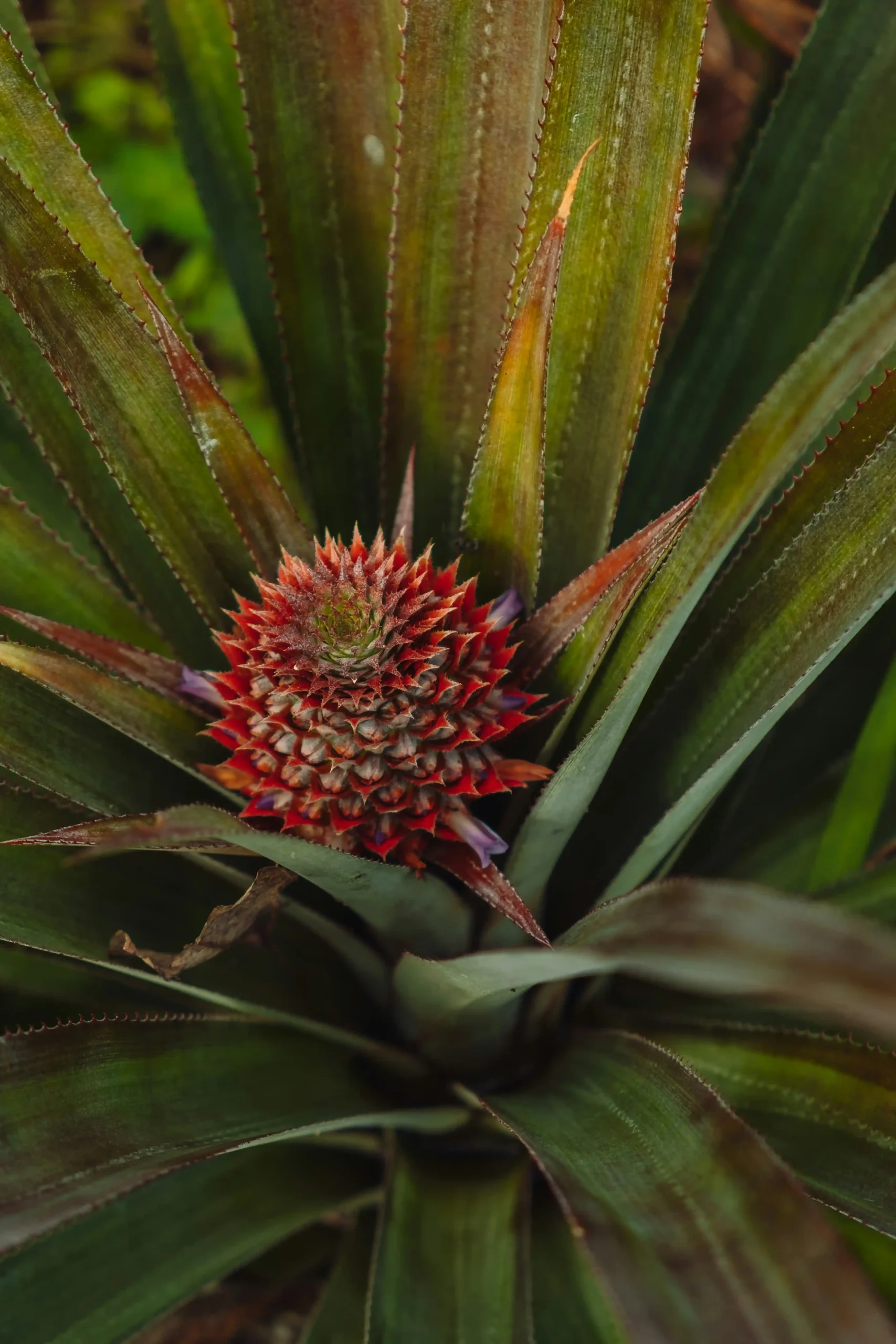
Pups are small baby plants that grow from the base after flowering. They are the easiest way to propagate new plants. It is best to wait until pups reach one third to one half the size of the mother plant before separating them. Removing them too early reduces survival rates. For propagation:
- Wait for mature pups
- Separate carefully
- Use clean tools
- Repot gently
Common Problems
Most problems are linked to incorrect watering, poor light, or low humidity. The good news is that these issues are usually easy to correct once identified. Brown leaf tips usually indicate dry air or poor water quality. Root rot often comes from heavy soil or overwatering. Fading color usually points to poor light. Common issues include:
- Brown leaf tips
- Root rot
- Cup rot
- Fading color
- Slow growth
- Wilting
Common Indoor Pests
Although relatively resilient, these plants can still attract pests indoors. Warm indoor conditions sometimes encourage pest infestations. Regular inspection helps detect issues before they become serious. Common pests include:
- Mealybugs
- Spider mites
- Scale
- Aphids
Biggest Mistakes to Avoid
Most problems happen because growers make a few common mistakes. Avoiding these errors dramatically improves long term success. Avoid these mistakes:
- Overwatering
- Heavy soil
- Weak lighting
- Low humidity
- Oversized pots
- Poor airflow
Final Thoughts
Bromeliads are excellent indoor plants for anyone who wants bold tropical beauty with manageable care requirements. Their unique structure, colorful foliage, and fascinating life cycle make them very rewarding to grow. Once you understand their natural growth habits and provide the right environment, these tropical plants can thrive beautifully indoors for years.
Frequently Asked Questions (FAQs)
A brown or mushy center usually indicates crown rot or cup rot. This commonly happens when water sits too long in the central cup without being refreshed or when airflow is poor.
The water in the central cup should be refreshed at least once every week to prevent bacterial growth, rot, and stagnant water issues.
For tank varieties, the cup should usually hold a small amount of clean water. For terrestrial types, watering focuses more on the growing medium.
Color fading is often caused by insufficient light. Many colorful varieties need bright filtered light to maintain strong foliage color.
Blooms or colorful bracts can last several weeks to several months depending on the variety and growing conditions.
Pups are baby plants that grow from the base of the mother plant after flowering.
Pups should be separated when they reach about one third to one half the size of the mother plant.
Yes, small pots work better because their root systems are usually small.
Yes, some varieties are sensitive to minerals and chlorine in tap water.
Yes, many growers leave them attached longer so they grow stronger before separation.


- Be Respectful
- Stay Relevant
- Stay Positive
- True Feedback
- Encourage Discussion
- Avoid Spamming
- No Fake News
- Don't Copy-Paste
- No Personal Attacks
- Be Respectful
- Stay Relevant
- Stay Positive
- True Feedback
- Encourage Discussion
- Avoid Spamming
- No Fake News
- Don't Copy-Paste
- No Personal Attacks
