Hydroponic Gardening Secrets No One Tells Beginners
Published: 23 Apr 2026
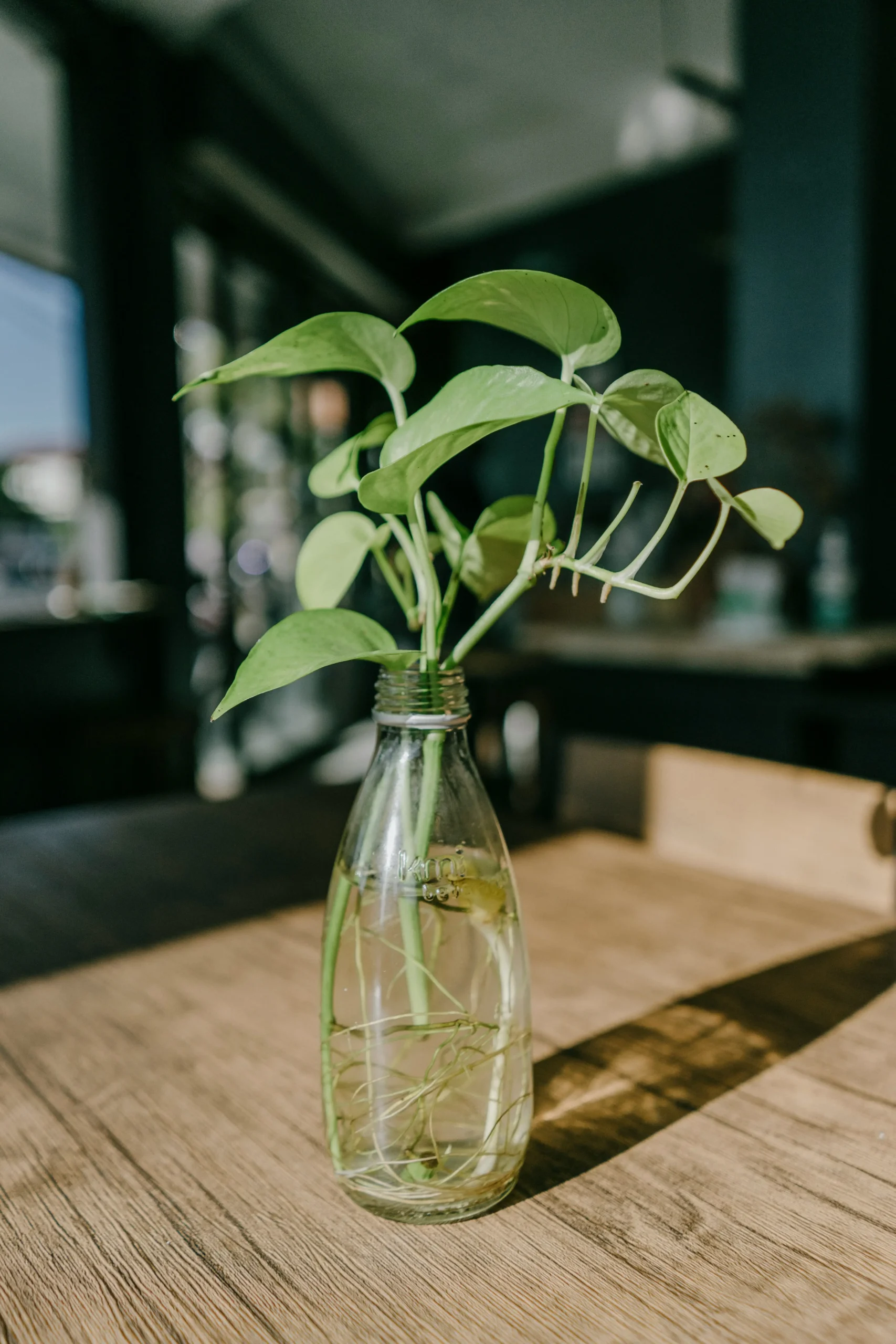
Hydroponics is a method of growing plants in a nutrient-rich water solution instead of soil. Instead of soil, plant roots are supported by growing mediums such as:
- Clay pellets
- Rockwool
- Perlite
- Vermiculite
- Coconut fiber (coco coir)
- Lava rocks
The hydroponics system provides exactly the right amount of water, light, and minerals directly to the plant’s root system. Plants receive precisely what they need, exactly when they need it.
Why Choose Hydroponic Gardening?
- Faster plant growth
- Saves water up to 90 %
- Higher yields in smaller spaces
- Precise nutrient control
- Ideal for indoor and urban gardening
Types of Hydroponic Systems
- Wick System
- Drip System
- Flood & Drain System
- Deep Water Culture
- Nutrient Film Technique
- Aeroponic System
Wick System (Best for Beginners)
The wick system is the most basic and beginner-friendly hydroponic system. It is a passive system.It requires no electricity or moving parts, no pumps, no timers.
How it works:
Using capillary action, a rope or fabric wick draws nutrient solution from a reservoir upward into the growing medium, keeping plant roots continuously hydrated and fed.
Pros:
- Easy to set up
- Inexpensive to build and run
- No mechanical components to maintain
- Low cost
- Great for herbs like basil and parsley
- Great for beginners and small spaces
Cons:
- Not suitable for large or faster growing plants
- Limited nutrient delivery capacity
Drip System
The drip system is one of the most commonly used hydroponic methods. It works by slowly dripping a nutrient solution onto the growing medium or directly onto the plant’s roots, ensuring a steady supply of moisture and nutrition.
The drip system delivers nutrient solution directly to plant roots in a slow, controlled manner.
Types:
Recirculating (reuses nutrient solution)
The nutrient solution is collected and recycled back into the reservoir.The nutrient solution is constantly recycled so, it is important to monitor pH levels, which can fluctuate with recirculation. It is important to maintain a consistent & healthy pH to prevent roots from dying out or becoming over saturated.
Non-recirculating (no reuse, more stable pH)
Excess nutrient solution is not recycled. pH and nutrient strength remain more stable, but running costs are higher since nutrients are not reused.
The choice of grow medium matters here.
Slow draining media like rockwool or coconut coir suit slower drip rates.
while fast draining media like clay pebbles or grow stones work better with faster drip systems.
Pros:
- Highly efficient
Cons:
- Requires monitoring of pH levels
Ebb and Flow (Flood & Drain System)
Also known as flood and drain, it’s a popular and highly effective hydroponic technique. It works by periodically flooding the grow tray with nutrient solution, then allowing it to drain back into the reservoir.
How it works:
When the timer activates, the grow tray floods. When it switches off, the solution drains back through bell siphons or piping.
This repeated cycle of wet and dry conditions closely mimics the natural environment many plants thrive in, making it one of the most effective methods available to home growers.
Pros:
- Promotes strong root growth
- Highly effective for many plants
Cons:
- Requires timers and pumps
Deep Water Culture (DWC)
The Deep Water Culture system is one of the easiest active systems.
Plant roots are suspended directly in a reservoir of oxygenated nutrient solution. An air pump and air stones continuously oxygenate the water, keeping roots healthy without the risk of drowning.
Because roots are always submerged in nutrient solution, there is no need for a timer, simplifying the setup considerably.
DWC systems typically consist of:
- A reservoir bucket
- An air pump and air stones
- A net cup platform to hold the plants
How it works:
- Plant roots are submerged in nutrient solution
- Air pumps provide oxygen
Pros:
- Simple and low maintenance
- Fast plant growth
Cons:
- Requires proper oxygenation
Nutrient Film Technique (NFT)
The NFT system uses a thin stream of nutrient solution flowing over plant roots. It is particularly popular with commercial growers. It uses tilted, watertight channels or gullies through which a thin film of nutrient solution continuously flows over the bare roots of plants.
Grow media is generally not required. Only the tips of the roots make contact with the flowing solution, meaning the roots receive an excellent supply of oxygen, promoting fast growth in a compact space.
How it works:
- Plants sit in channels
- Roots are partially exposed to nutrients and oxygen
Pros:
- Excellent oxygen supply
- Great for leafy greens
Cons:
- Not ideal for large plants
Aeroponic System (Advanced & High-Tech)
The aeroponic system is the most advanced and technically demanding hydroponic approach. Plants are suspended in air and their exposed roots are misted with nutrient solution at regular intervals every few minutes using short duration timers.
Because roots are fully exposed to air between misting cycles, they receive maximum oxygen. However, the system demands precision: if the misting cycle is too infrequent, roots dry out quickly.
How it works:
- Roots are suspended in air
- Nutrients are sprayed directly onto roots
Pros:
- Maximum oxygen exposure
- Extremely fast growth
Cons:
- Complex setup
- Requires precise timing
DIY vs Hydroponic Kits: Which is Better?
There are two types of growers:
DIY Growers
- Build systems from scratch
- Customizable but time-consuming
- May become expensive
Kit Users (Recommended for Beginners)
- Ready-to-use systems
- Include most required components
- Easy setup and maintenance
Best Hydroponic Kits to Get Started
Here are some popular options for each system:
Wick System Kits
- Kitchen Herb Kits (great for beginners)
- Includes seeds, grow medium, and self-watering planters
Drip System Kits
- WaterFarm systems
- Eco Grower drip kits with reservoirs, pumps, and nutrients
Ebb & Flow Kits
- Active Aqua Grow Flow
- Oxygen Pot Systems
- ViaGro flood and drain kits
Deep Water Culture Kits
- Aqua bucket systems
- Bubbler bucket kits (4–8 bucket options)
NFT Systems
- Multi-site NFT growing channels
- Ideal for herbs and leafy greens
Aeroponic Kits
- AeroGarden (beginner-friendly)
- RainForest systems
- Clone King machines
Final Thoughts
Hydroponics is a smart, efficient, and modern way to grow plants indoors. Whether you choose a simple wick system or a high-tech aeroponic setup, each method offers unique benefits.For beginners, starting with a hydroponic kit is the easiest way to grow healthy plants from day one.
Plants are grown in a water-based nutrient solution, while their roots are supported by materials like coco coir or clay pellets.
Herbs, leafy greens, tomatoes, cucumbers, and peppers are among the best plants for hydroponic systems.
It is best to replace the nutrient solution every 1 to 2 weeks to keep plants healthy.
Most plants grow best in a pH range of 5.5 to 6.5.
Yes, hydroponics can save up to 90% more water due to recycling systems.
Issues like pH imbalance, poor oxygenation, nutrient deficiencies, and equipment failure can occur.





very sexy things about plants