Root Rot Problems? Here’s What Your Plants Need
Published: 26 May 2026
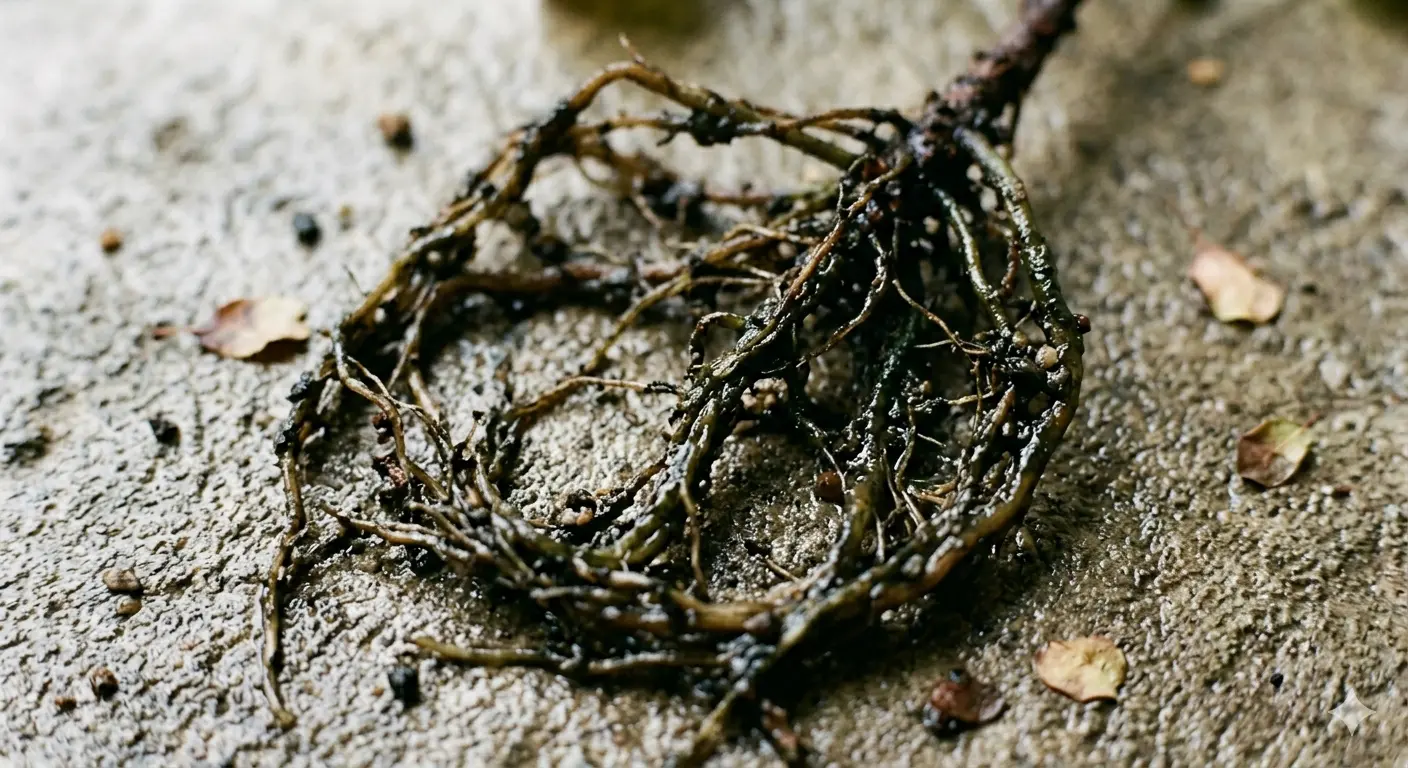
Root rot is one of the most common reasons indoor plants decline and die. It happens when roots stay too wet for too long, allowing fungi and bacteria to damage the root system. Healthy roots are firm and light colored, but rotting roots become dark, soft, mushy, and unable to absorb water or nutrients properly.
Many indoor gardeners mistake root rot symptoms for underwatering because the leaves often wilt, yellow, or droop even though the soil is still wet. Once severe root damage develops, the plant may struggle to recover. Preventing root rot is much easier than treating it later.
Most root rot problems are caused by watering habits, poor drainage, heavy soil, or containers that trap moisture around the roots. Understanding how moisture behaves indoors helps prevent long term damage.
What Causes Root Rot?
Roots need both moisture and oxygen to stay healthy. When soil remains constantly wet, air pockets disappear and roots begin suffocating. Fungal organisms thrive in these damp oxygen poor conditions and attack weakened roots.
Indoor environments make this problem more common because evaporation happens slower than outdoors. Common causes include:
- Overwatering indoor plants
- Pots without drainage holes
- Heavy compacted soil
- Low light conditions
- Water collecting in trays
- Oversized containers holding excess moisture
- Poor airflow around plants
Use Proper Drainage Pots
Drainage is one of the most important factors in preventing root rot. Containers without drainage holes trap water at the bottom where roots remain constantly wet. Even decorative indoor pots should either contain drainage holes or be used as outer covers for nursery containers.
- Use pots with drainage holes
- Empty excess water from trays
- Avoid letting roots sit in water
- Choose breathable containers when possible
- Inspect drainage regularly
Choose the Right Soil Mix
Heavy soil stays wet longer and reduces airflow around roots. Indoor plants usually grow better in loose well draining mixes that allow oxygen to move through the root zone.
Different plants require different soil structures. Tropical foliage plants often prefer moisture retaining but airy soil, while succulents require very fast drainage. A balanced indoor mix usually includes:
- Indoor potting soil
- Perlite for airflow and drainage
- Coco coir for moisture balance
- Bark or sand depending on plant type
Water Plants Correctly
Overwatering does not mean giving too much water at once. It usually means watering too frequently before the soil has partially dried. Checking soil moisture before watering is one of the safest ways to prevent root problems.
- Water only when needed
- Check soil before watering again
- Reduce watering during winter
- Adjust watering based on lighting
- Water less in cooler rooms
- Avoid automatic overwatering routines
Understand Light and Moisture Relationship
Plants in low light use water much more slowly. Many people accidentally overwater plants kept far from windows because the soil remains wet longer. Bright light encourages faster growth and quicker water usage, while darker conditions slow evaporation significantly.
- Increase caution in low light rooms
- Water less during cloudy seasons
- Monitor shaded plants carefully
- Move struggling plants closer to light when appropriate
Avoid Oversized Pots
Large containers hold more soil and retain moisture longer than the roots can absorb. Small root systems sitting inside oversized wet containers are highly vulnerable to rot. Choosing a pot only slightly larger than the current root system usually works best.
- Avoid dramatically oversized pots
- Repot gradually as plants grow
- Match container size to root size
- Monitor moisture carefully after repotting
Improve Indoor Airflow
Air circulation helps soil dry more evenly and reduces excessive moisture buildup around roots and foliage. Completely stagnant indoor environments often contribute to fungal problems.
- Maintain gentle air circulation
- Avoid overcrowding plants
- Space containers properly
- Open windows occasionally when possible
- Use fans carefully in humid rooms
Watch for Early Root Rot Symptoms
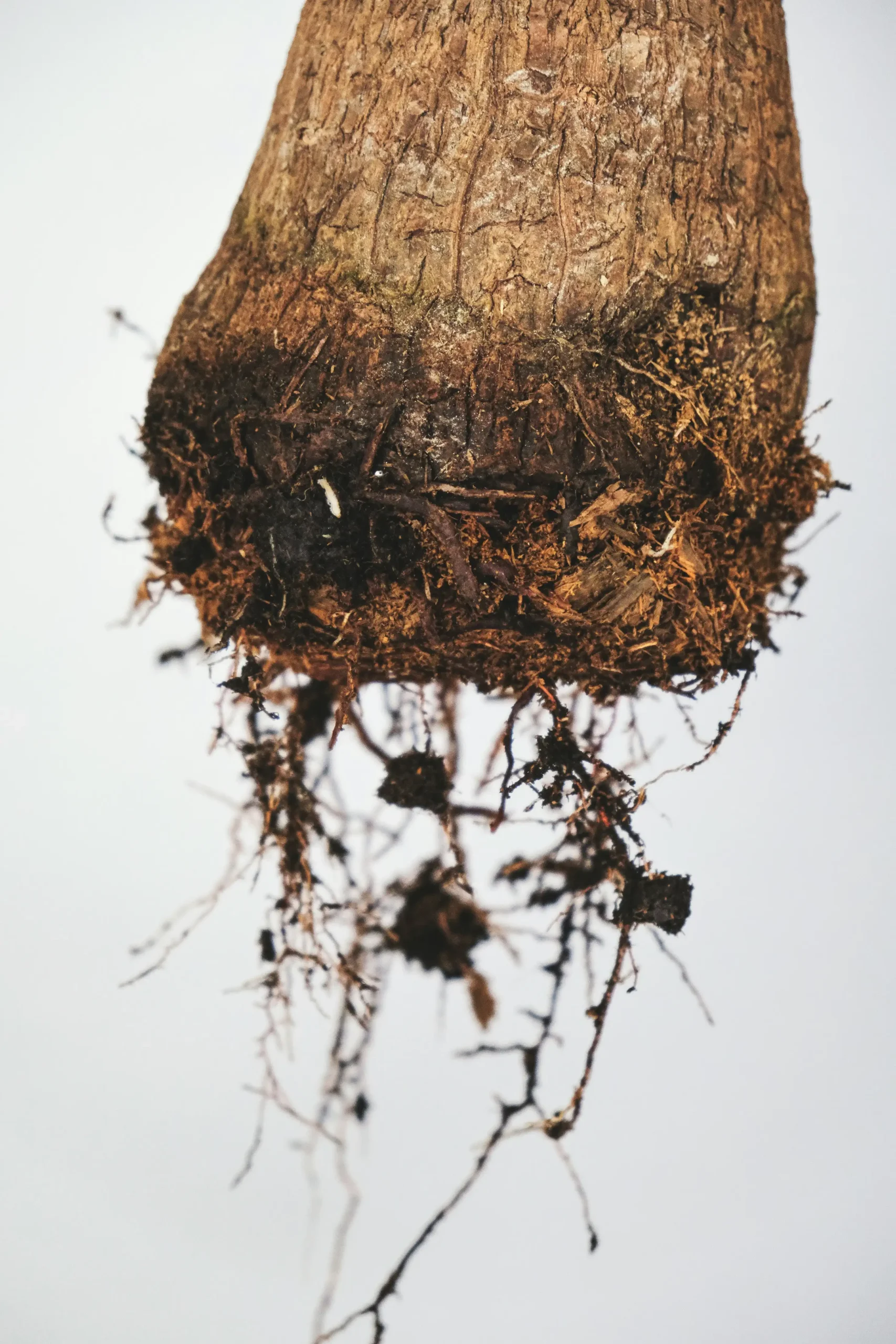
Early detection improves the chances of recovery. Plants often show visible warning signs before root damage becomes severe. Common symptoms include:
- Yellowing leaves
- Wilting despite wet soil
- Mushy stems near soil level
- Sour or rotten soil smell
- Black soft roots
- Slow growth or sudden decline
Be Careful During Winter
Indoor plants usually grow more slowly during winter because sunlight levels decrease and temperatures are cooler. Water usage drops significantly during this period.
Many root rot cases develop during winter because watering schedules remain unchanged even though the plant needs less moisture.
- Water less frequently in winter
- Allow more drying time between watering
- Avoid cold wet soil conditions
- Reduce fertilizer during slow growth periods
Sterilize Tools and Containers
Fungal organisms can spread through contaminated pots and gardening tools. Reusing old containers without cleaning them may introduce diseases to healthy plants.
- Wash old pots before reuse
- Remove infected soil completely
- Sterilize pruning tools regularly
- Avoid reusing heavily infected soil
Plants Most Sensitive to Root Rot
Some indoor plants are especially vulnerable to excess moisture because they naturally prefer drier conditions. These plants require extra caution with watering:
- Succulents
- Snake Plants
- ZZ Plants
- Aloe Vera
- Cactus varieties
- Jade Plants
Final Thoughts
Preventing root rot depends mainly on balancing moisture, airflow, drainage, and lighting conditions. Most indoor plants prefer soil that stays lightly moist but never constantly soaked.
Using well draining soil, proper containers, careful watering habits, and suitable lighting conditions greatly reduces the risk of root damage. Healthy roots are the foundation of healthy indoor plants, and maintaining proper root conditions helps plants stay strong for years indoors.
Yellow leaves, drooping stems, mushy roots, and a sour soil smell are common signs.
Plants can sometimes recover if the damaged roots are removed early enough.
Usually root rot develops from repeated excess moisture rather than a single watering.
Yes, low light slows water usage and keeps soil wet longer.
Yes, deeper soil layers may still remain wet around the roots.
Misting affects humidity but does not solve root moisture problems.
Checking slightly below the surface gives a more accurate moisture reading.
Main root systems are affected most, but severe stress may impact aerial roots too.
Yes, constant moisture in self watering systems may create problems if unmanaged.
Remove the plant from wet soil and inspect the roots immediately.

- Be Respectful
- Stay Relevant
- Stay Positive
- True Feedback
- Encourage Discussion
- Avoid Spamming
- No Fake News
- Don't Copy-Paste
- No Personal Attacks
- Be Respectful
- Stay Relevant
- Stay Positive
- True Feedback
- Encourage Discussion
- Avoid Spamming
- No Fake News
- Don't Copy-Paste
- No Personal Attacks
