Swiss Chard Care Mistakes That Cause Weak Growth and Yellow Leaves
Published: 28 May 2026
Swiss chard is one of the most rewarding leafy vegetables for home gardeners because it grows quickly, adapts to different environments, and keeps producing fresh leaves for a long time. The large textured foliage and brightly colored stems also make it attractive enough to grow in decorative containers and edible landscapes. Whether planted indoors near a bright window or outdoors in garden beds, this leafy green can remain productive for months with proper care.
Many gardeners prefer growing it because it is more heat tolerant than spinach and less demanding than some other leafy vegetables. It can handle cooler temperatures very well, grows steadily through spring and autumn, and even survives mild winters in some regions. The ability to harvest leaves repeatedly without removing the entire plant makes it especially useful for continuous home harvests.
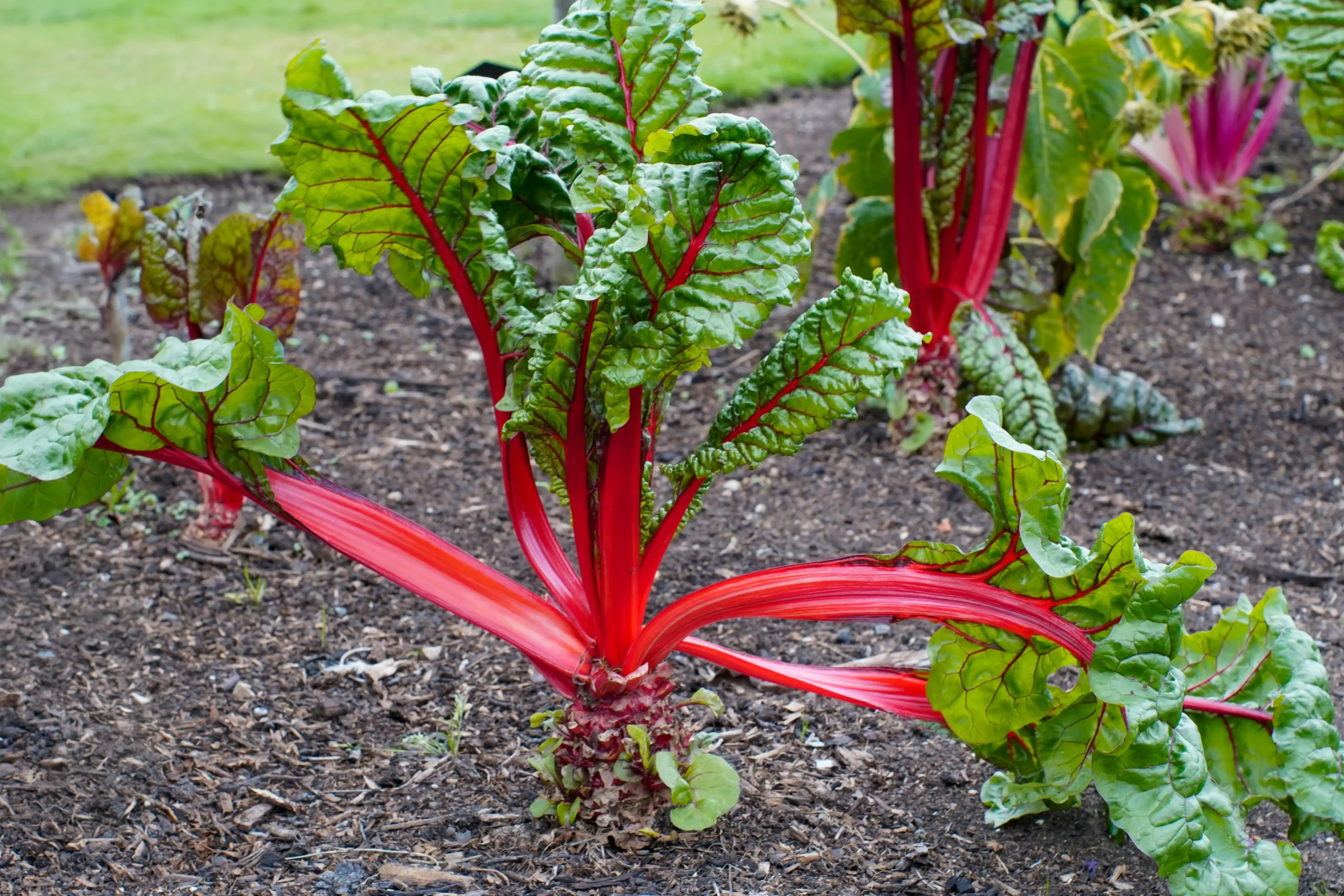
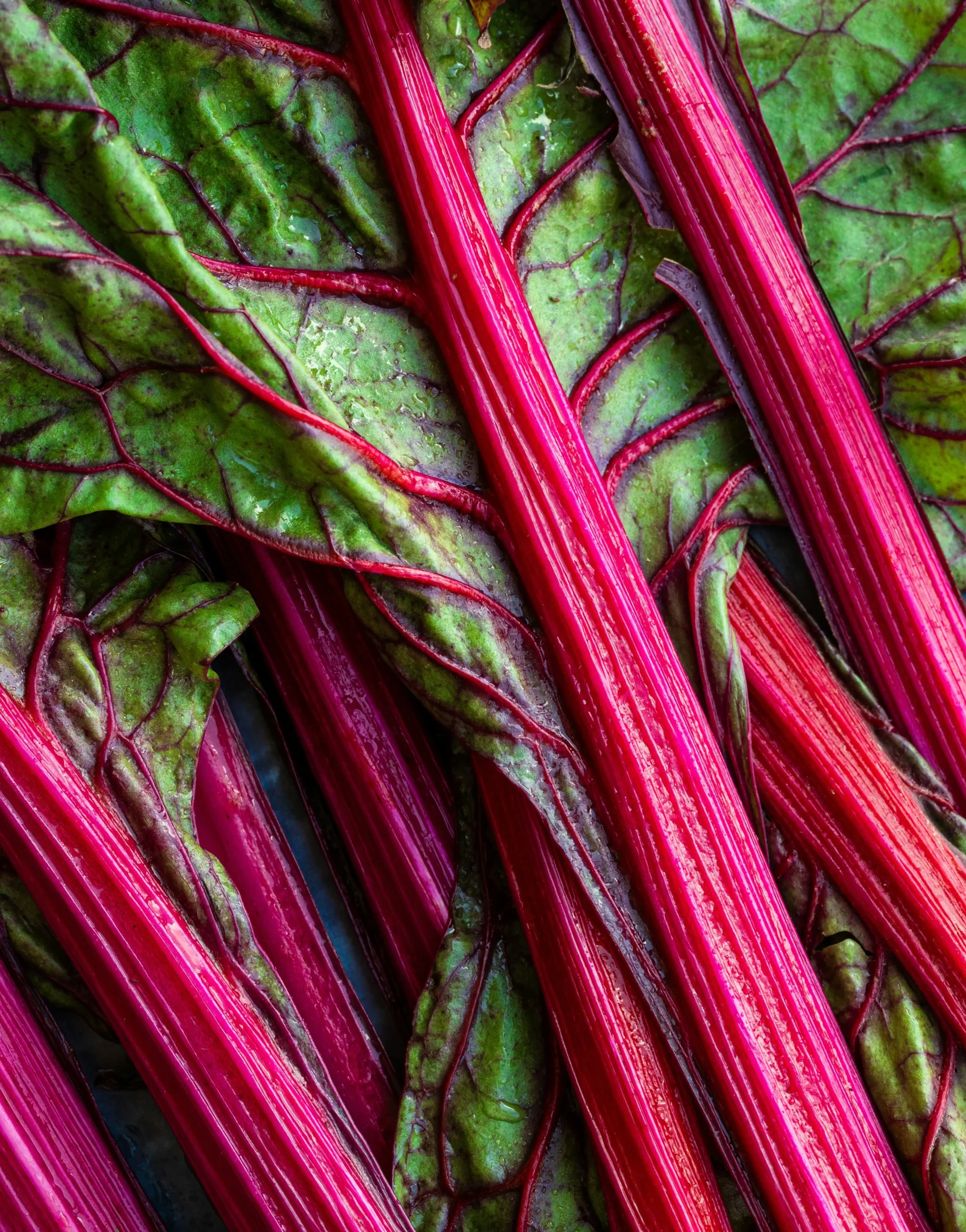
Another reason it has become popular is its versatility. It grows well in containers, raised beds, hydroponic systems, balcony gardens, and traditional vegetable plots. The colorful stems in shades of red, orange, yellow, pink, and white also bring visual interest to indoor and outdoor spaces.
Best Seasons for Growing swiss chard
Swiss chard performs best during cooler parts of the year when temperatures remain moderate and stable. Although mature plants can tolerate some heat, extreme summer temperatures may cause slower growth and bitter tasting leaves.
Spring is one of the best times to start planting because cooler weather encourages rapid leafy growth. In many climates, autumn is another excellent growing season because the plant continues producing well as temperatures begin cooling again.
Indoor growers have more flexibility because controlled conditions allow year round production. During winter, grow lights can help maintain steady growth when natural sunlight becomes weaker. The most favorable growing seasons include:
- Early spring
- Mid to late autumn
- Mild winter regions
- Cool indoor growing conditions
Choosing the Right Variety
Different varieties produce different stem colors, leaf textures, and growth habits. Some are grown mainly for decorative appearance, while others are preferred for larger leaves and heavier harvests.
Bright Lights is especially popular because it produces vibrant mixed stem colors that stand out beautifully in containers and garden beds. Fordhook Giant is known for large productive leaves and strong growth. Ruby Red develops deep red stems with dark green foliage, while Rainbow Mix combines several colorful varieties together for a decorative display.
When growing indoors, compact and colorful varieties often work best because they adapt well to containers and limited space. Popular choices include:
- Bright Lights
- Fordhook Giant
- Ruby Red
- Rainbow Mix
- Peppermint varieties
Light Requirements
Strong lighting is one of the most important factors for healthy leafy growth. Plants grown in weak light usually become stretched, thin, and less productive. Outdoors, several hours of sunlight daily encourages stronger stems and larger leaves.
In hotter climates, partial afternoon shade may help protect foliage from excessive heat stress. Indoors, bright windows or full spectrum grow lights are often necessary to maintain compact healthy growth.
Without enough light, seedlings become weak and develop long thin stems instead of dense healthy foliage. Rotating containers occasionally also helps plants grow evenly instead of leaning toward the light source. For healthy growth:
- Provide bright light daily
- Use grow lights indoors if needed
- Avoid dark growing areas
- Rotate containers regularly
- Protect plants from harsh extreme heat
Best Soil for Healthy Growth
Loose fertile soil is extremely important because leafy vegetables require consistent nutrients and moisture. Dense compacted soil slows root development and often creates drainage problems that may damage roots over time.
The ideal soil should hold moderate moisture while still draining well enough to maintain airflow around the roots. Rich organic matter supports steady leafy production and healthier growth throughout the season.
Indoor containers usually perform best with lightweight potting mixes rather than heavy garden soil. Adding materials such as perlite or coco coir improves drainage and root aeration significantly. Good soil characteristics include:
- Loose structure
- Rich organic matter
- Proper drainage
- Moderate moisture retention
- Good airflow around roots
Helpful additions may include:
- Compost
- Coco coir
- Perlite
- Worm castings
Choosing the Best Containers
When growing in containers, depth and width both matter. The root system is stronger than lettuce, so shallow containers may restrict growth and reduce leaf production.
Wide containers allow better spacing between plants, which improves airflow and reduces competition for nutrients and moisture. Proper drainage holes are also essential because constantly soggy soil may quickly lead to root problems.
Fabric grow bags, rectangular planters, and raised containers all work very well for indoor and balcony growing. Ideal container features include:
- Around 8 to 12 inches deep
- Wide growing space
- Drainage holes
- Lightweight structure
- Stable moisture balance
Planting Seeds Properly
Seeds germinate fairly quickly under proper conditions. Consistent moisture and moderate temperatures help encourage strong early development. Soil should remain lightly moist during germination but never overly wet.
After seedlings emerge, strong light becomes very important to prevent weak stretched growth. Once young plants begin developing true leaves, thinning helps improve airflow and allows stronger seedlings to develop fully. Basic planting steps include:
- Fill containers with moist soil
- Plant seeds shallowly
- Cover lightly with soil
- Keep moisture consistent
- Place in bright conditions after sprouting
Watering Requirements
Balanced watering is essential for healthy growth. Soil should remain evenly moist but not waterlogged. Overwatering often causes yellow leaves, root stress, and fungal problems, while dry soil may slow growth and create bitter foliage.
Indoor plants usually need closer monitoring because containers dry differently depending on lighting, airflow, and room temperature. During warmer periods, plants may require more frequent watering to maintain healthy leaf production. Checking the soil before watering is one of the safest ways to avoid problems. Helpful watering practices include:
- Keep soil lightly moist
- Avoid constantly soggy conditions
- Reduce watering during cool weather
- Empty drainage trays regularly
- Monitor containers closely indoors
Temperature and Humidity
Cool to moderate temperatures support the healthiest growth and best leaf quality. Excessive heat often causes stress, slower production, and bitterness.
Indoor growers should also pay attention to airflow because crowded leafy plants may trap excess moisture around the foliage. Gentle ventilation helps reduce fungal issues and keeps leaves healthier. Ideal growing conditions include:
- Moderate temperatures
- Stable airflow
- Balanced humidity
- Protection from intense heat
- Cooler growing environments when possible
Fertilizing for Continuous Harvests
Because this vegetable produces leaves continuously, regular nutrients help maintain healthy growth over long periods. A balanced fertilizer supports strong foliage without encouraging weak overly soft growth. Outdoor gardeners often improve soil naturally with compost, while indoor growers commonly use diluted liquid fertilizer during active growth periods. For healthier plants:
- Feed during active growth
- Use balanced fertilizer
- Apply compost occasionally outdoors
- Avoid excessive feeding
- Water before fertilizing
Growing Indoors
Indoor growing works especially well in apartments, kitchens, balconies, and homes with limited outdoor space. With strong lighting and suitable containers, plants remain productive for surprisingly long periods indoors.
One major advantage of indoor growing is environmental control. Plants are protected from many outdoor pests and harsh weather conditions, making maintenance easier in some situations. However, indoor plants still require enough light and airflow to stay healthy. Weak lighting is one of the most common reasons indoor leafy greens fail to thrive. Indoor growing advantages include:
- Year round production
- Easier environmental control
- Cleaner gardening setup
- Better protection from weather
- Suitable for compact spaces
Growing Outdoors
Outdoor gardens usually produce larger plants because natural sunlight and larger growing spaces encourage stronger development. Raised beds and open garden rows both work very well. Mulching around plants may help stabilize moisture and protect roots during warmer periods. In hotter climates, partial shade during the afternoon can also improve leaf quality. Good outdoor growing locations include:
- Raised beds
- Balcony containers
- Vegetable gardens
- Patio planters
- Mixed edible landscapes
Harvesting Leaves Correctly
One of the biggest benefits of growing this leafy vegetable is the ability to harvest continuously. Instead of removing the entire plant, gardeners usually harvest the outer leaves while leaving the center intact. Regular harvesting encourages fresh new growth and helps maintain productive plants for a much longer period. For successful harvesting:
- Remove outer leaves first
- Leave central growth untouched
- Harvest regularly
- Use clean scissors or pruners
- Avoid tearing stems harshly
Common Problems and Solutions
Most growing problems are related to lighting imbalance, watering mistakes, overcrowding, or heat stress. Early observation usually helps prevent severe damage. Yellow leaves commonly appear from excessive moisture, while weak stretched growth usually indicates insufficient light. Bitter tasting leaves often develop during very hot weather. Common issues include:
- Yellow leaves from overwatering
- Weak stems from low light
- Bitter leaves from excessive heat
- Slow growth from nutrient deficiency
- Root rot from soggy soil
- Fungal issues from poor airflow
Pest Problems
Although relatively resilient, this plant may still attract pests in some conditions. Indoor and outdoor infestations are easier to manage when discovered early. Regular inspection helps prevent pests from spreading to nearby plants. Common pests include:
- Aphids
- Whiteflies
- Leaf miners
- Spider mites
- Slugs outdoors
Helpful prevention methods include:
- Inspect leaves regularly
- Improve airflow
- Avoid overcrowding
- Remove damaged foliage
- Keep growing areas clean
Final Thoughts
This leafy vegetable is one of the easiest and most productive crops for home gardeners who want long lasting harvests with relatively simple care. Its colorful stems, attractive foliage, and continuous growth make it suitable for both decorative and edible gardening.
With proper lighting, fertile soil, balanced watering, and regular harvesting, healthy plants can remain productive for months indoors or outdoors while providing a constant supply of fresh nutritious leaves.
Most plants begin producing harvestable leaves within about 30 to 45 days after planting, depending on temperature, light, and variety.
Excessive heat, drought stress, or older mature leaves may develop a more bitter flavor.
Yes, it adapts well to hydroponic systems and often grows quickly in nutrient rich water setups.
Swiss chard is normally grown from seeds rather than stem cuttings.
It tolerates rain fairly well if the soil drains properly and roots are not constantly waterlogged.
Swiss chard usually grown as a biennial or annual vegetable in home gardens.
Fungal issues, excess moisture, or leaf diseases may create dark spotting.
Removing flower stalks helps redirect energy back into leaf production.
Yes, it grows very well with compost, organic fertilizer, and natural pest control methods.
Yes, as long as containers provide proper drainage and enough root space.


- Be Respectful
- Stay Relevant
- Stay Positive
- True Feedback
- Encourage Discussion
- Avoid Spamming
- No Fake News
- Don't Copy-Paste
- No Personal Attacks
- Be Respectful
- Stay Relevant
- Stay Positive
- True Feedback
- Encourage Discussion
- Avoid Spamming
- No Fake News
- Don't Copy-Paste
- No Personal Attacks
