The Best Indoor Vegetables for Faster Harvests and Easy Care
Published: 29 May 2026
Growing vegetables indoors is one of the easiest ways to enjoy fresh produce throughout the year, especially when outdoor space is limited. Some vegetables grow surprisingly fast indoors and can produce harvests within just a few weeks when given proper light, moisture, and care. Fast growing vegetables are especially popular among beginners because they provide visible progress quickly and help indoor gardeners gain confidence.
Indoor vegetable gardening has become increasingly common in apartments, kitchens, balconies, and small homes because many compact crops adapt very well to containers and controlled indoor conditions. Quick growing vegetables are also ideal for hydroponic systems, windowsill gardens, vertical planters, and grow light setups.
The secret to faster indoor growth usually comes down to strong lighting, stable temperatures, proper watering, and choosing varieties naturally suited for rapid development.
Why Fast Growing Vegetables Are Ideal Indoors
Quick growing crops are easier to manage indoors because they mature before many common gardening problems become severe. Faster harvests also mean gardeners can replant more frequently and enjoy continuous production throughout the year.
Many fast growing vegetables are compact leafy greens or herbs that thrive in containers and require relatively little space. Benefits include:
- Faster harvests
- Easier indoor management
- Continuous replanting opportunities
- Suitable for small spaces
- Beginner friendly growing experience
- Quick visible results
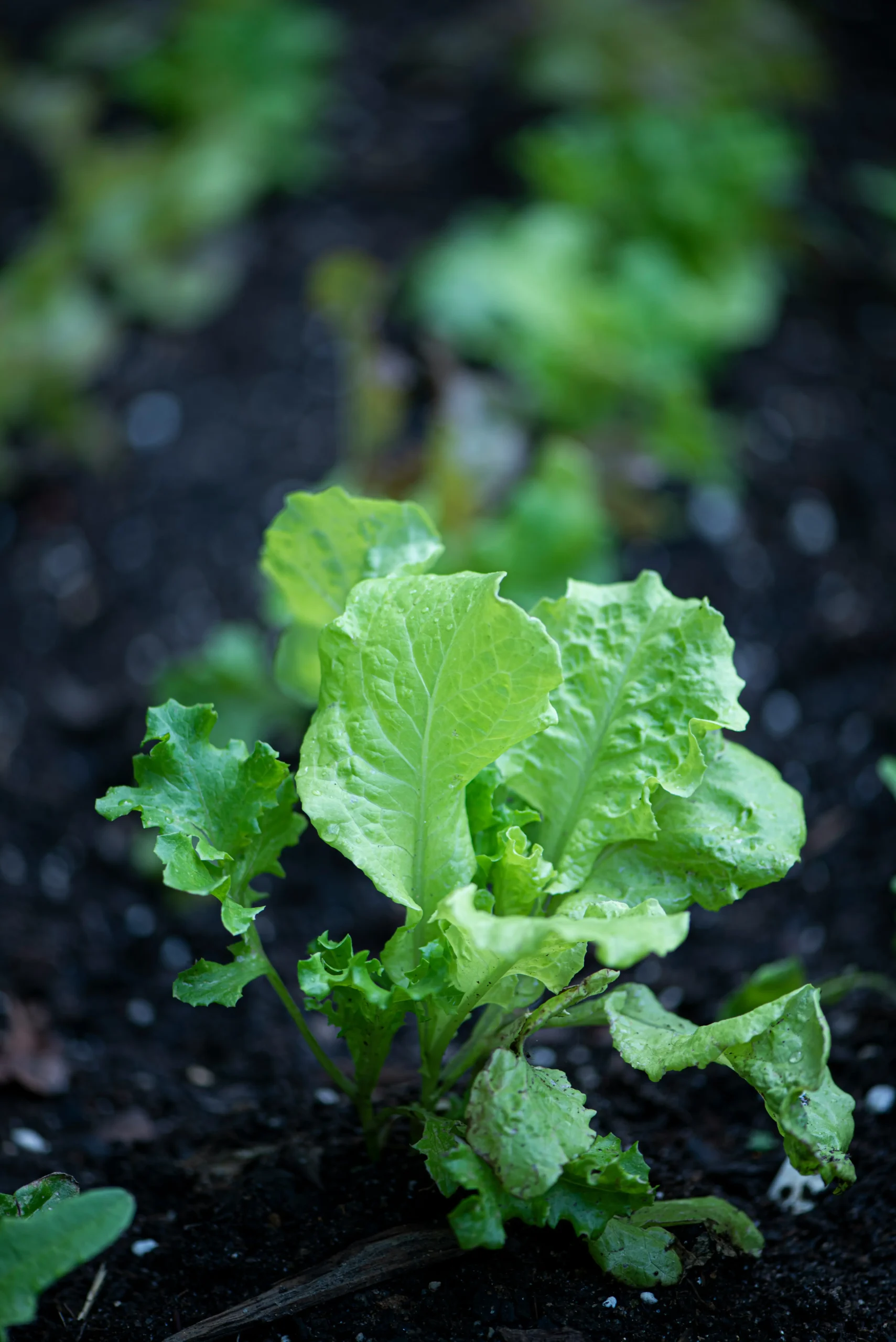
Lettuce
Lettuce is one of the fastest and easiest vegetables for indoor gardening. Loose leaf varieties grow especially quickly and can often be harvested gradually while continuing to produce fresh leaves. Indoor lettuce performs best in cooler temperatures with bright indirect light or grow lights.
Why Lettuce Grows Fast
- Shallow root system
- Rapid leaf development
- Compact container growth
- Continuous harvesting possible
Best Indoor Lettuce Types
- Loose leaf lettuce
- Butterhead lettuce
- Romaine baby varieties
- Oak leaf lettuce
Radishes
Radishes are among the quickest vegetables to mature from seed and are highly rewarding for indoor gardeners. Small round varieties grow especially well in deep containers or raised indoor beds.
Growing Requirements
- Bright light
- Loose soil
- Moderate watering
- Cool temperatures
Why Radishes Are Popular Indoors
- Fast root development
- Small growing space needed
- Simple beginner crop
- Quick harvesting cycle
Green Onions
Green onions are extremely easy to grow indoors and regrow repeatedly after harvesting. They adapt well to small containers, water propagation, and hydroponic systems.
Advantages
- Very fast regrowth
- Minimal growing space required
- Suitable for windowsills
- Continuous harvests possible
Helpful Growing Tips
- Use bright light
- Keep soil lightly moist
- Harvest outer leaves regularly
- Avoid overcrowding containers
Spinach
Spinach grows quickly indoors when temperatures remain cool and lighting is strong enough. Baby spinach leaves develop especially fast and can be harvested early for tender greens.
Ideal Conditions
- Cooler indoor temperatures
- Strong light
- Moist well draining soil
- Good airflow
Common Indoor Problems
- Heat stress
- Weak light
- Dry soil
- Overcrowding
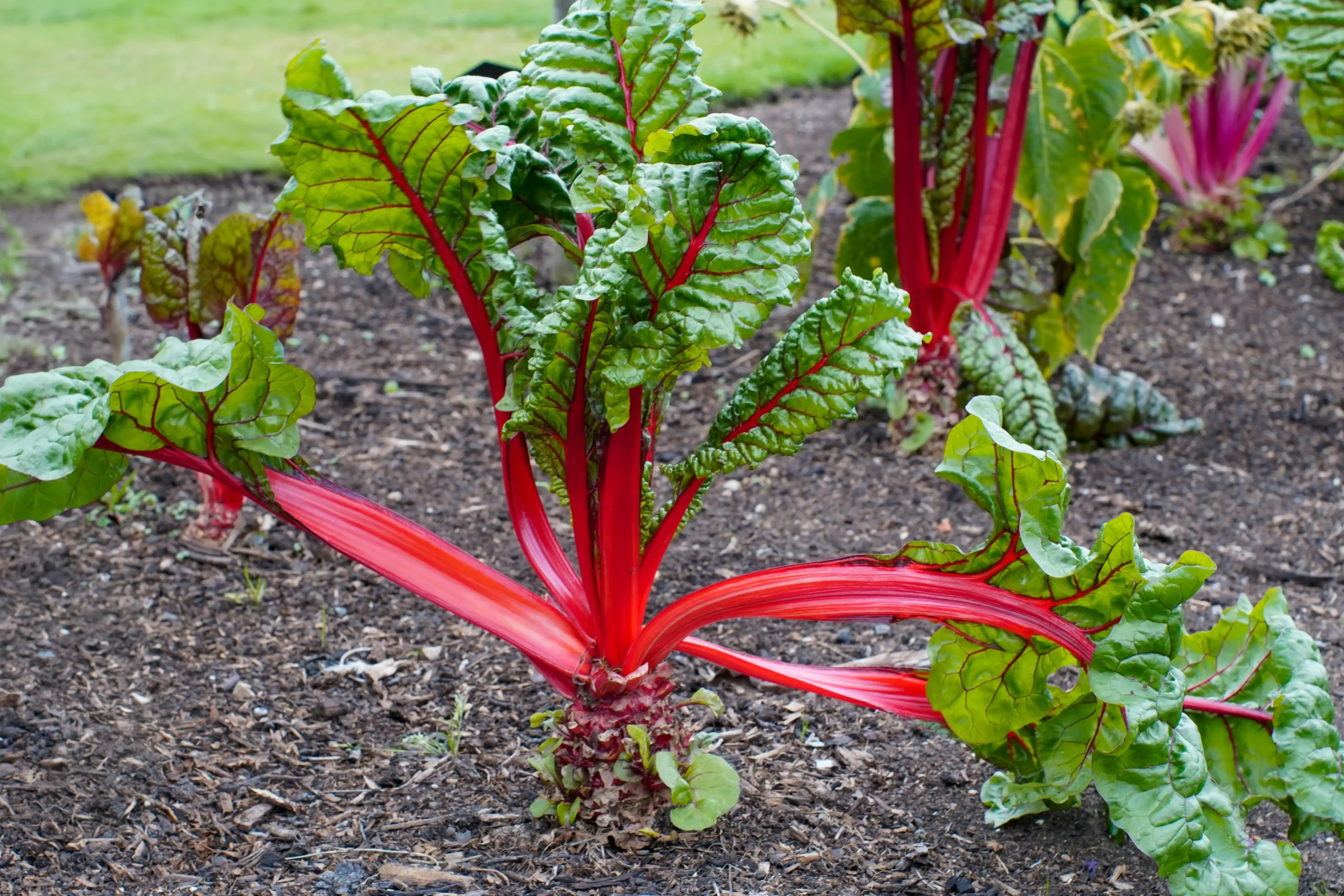
Swiss Chard
Swiss chard grows quickly and continues producing leaves for long periods indoors. Colorful varieties also add decorative value to indoor gardens.
Why It Performs Well Indoors
- Tolerates moderate indoor temperatures
- Produces repeated harvests
- Adaptable to containers
- Fast leafy growth
Best Indoor Care
- Use medium depth containers
- Provide strong lighting
- Water consistently
- Harvest regularly
Arugula
Arugula is one of the quickest leafy greens for indoor harvesting and develops a distinctive peppery flavor. Baby leaves grow especially fast under cool indoor conditions.
Benefits of Growing Arugula
- Fast germination
- Quick harvest cycle
- Compact growth habit
- Suitable for small containers
Growing Tips
- Keep temperatures moderate
- Avoid excessive heat
- Maintain balanced moisture
- Harvest leaves frequently
Microgreens
Microgreens are among the fastest edible crops possible indoors. Many varieties are ready for harvesting within days after sprouting. Popular microgreens include broccoli, sunflower, mustard, radish, and pea shoots.
Why Microgreens Grow So Quickly
- Harvested at seedling stage
- Require shallow containers
- Minimal root development needed
- Compact indoor growing setup
Best Conditions
- Bright light
- Shallow trays
- Consistent moisture
- Good airflow
Pea Shoots
Pea shoots grow rapidly indoors and are highly valued for their sweet fresh flavor and tender stems.
Advantages
- Fast harvests
- Compact growing setup
- Attractive climbing growth
- Nutrient rich greens
Growing Needs
- Bright light
- Moderate watering
- Trellis or support optional
- Cooler temperatures preferred
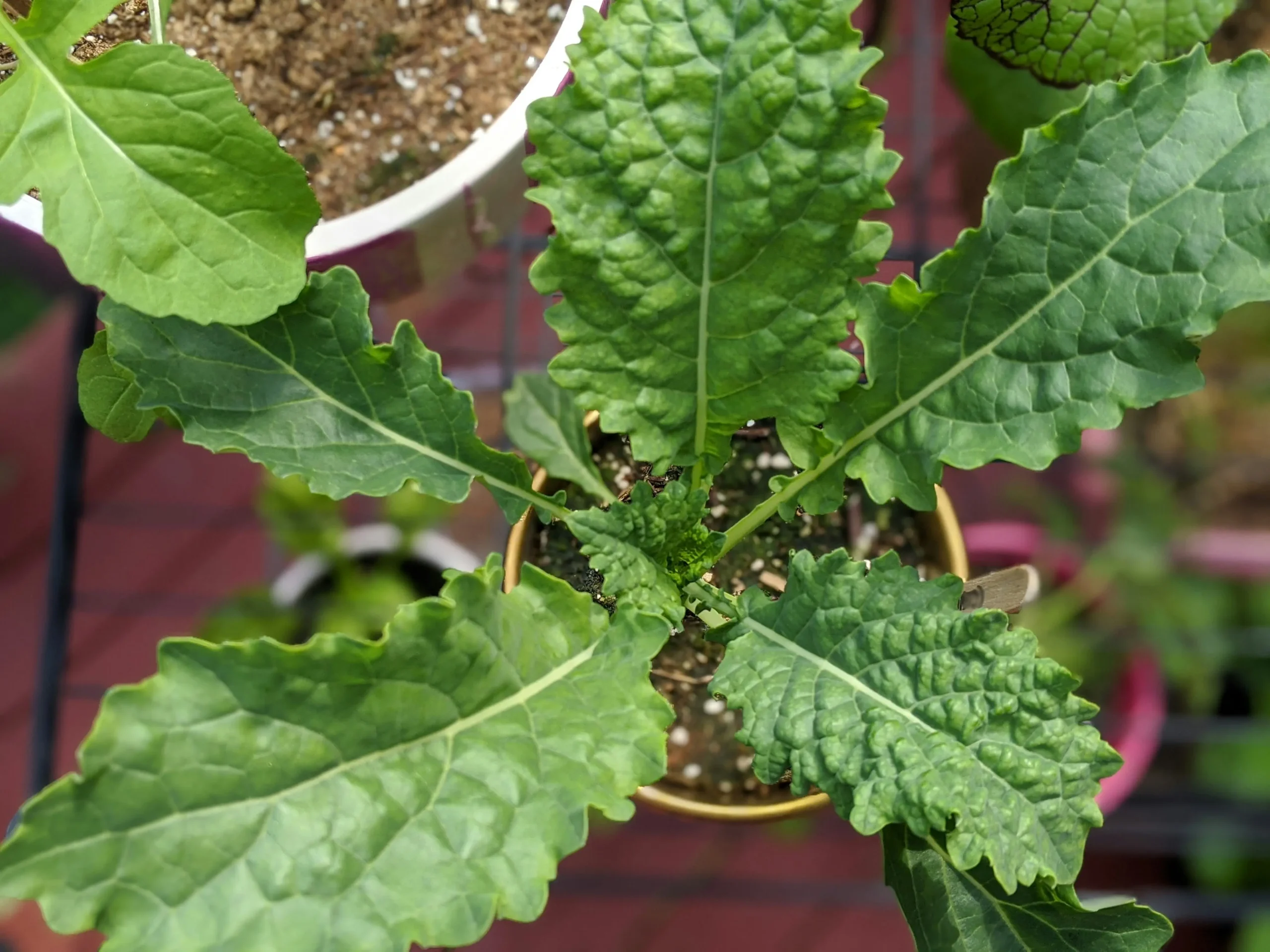
Kale
Baby kale grows relatively quickly indoors and tolerates cooler temperatures very well.
Why Indoor Gardeners Like Kale
- Nutritious leafy growth
- Repeated harvesting possible
- Adaptable to containers
- Long productive period
Helpful Care Tips
- Provide strong light
- Use fertile soil
- Maintain airflow
- Harvest outer leaves first
Herbs That Grow Quickly Indoors
Although technically herbs rather than vegetables, many indoor gardeners combine them with edible greens because of their fast growth and compact size. Fast growing indoor herbs include:
- Basil
- Cilantro
- Parsley
- Mint
- Dill
- Chives
Best Lighting for Fast Indoor Growth
Lighting strongly affects growth speed indoors. Without enough light, vegetables grow slowly and become weak or stretched. Many indoor gardeners use full spectrum LED grow lights because they provide consistent strong illumination throughout the year. For faster growth:
- Provide several hours of bright light daily
- Use grow lights when needed
- Rotate containers regularly
- Avoid dark corners indoors
Best Containers for Fast Growing Vegetables
Container choice affects root health, moisture balance, and overall growth speed. Good containers should provide:
- Proper drainage
- Enough root space
- Lightweight indoor design
- Moisture balance
- Airflow around roots
Common Mistakes That Slow Indoor Growth
Many indoor vegetable problems come from environmental imbalance rather than the plants themselves. Common mistakes include:
- Insufficient lighting
- Overwatering
- Poor airflow
- Overcrowded seedlings
- Weak soil fertility
- Excessive indoor heat
Final Thoughts
Fast growing vegetables make indoor gardening more rewarding because they provide quick visible progress and frequent harvests. Leafy greens, root vegetables, microgreens, and herbs all adapt especially well to indoor conditions when proper lighting and moisture are maintained.
With strong light, healthy soil, balanced watering, and suitable containers, indoor gardeners can enjoy continuous harvests of fresh vegetables throughout the year even in very limited spaces.
Yes, smaller radish varieties adapt very well to indoor containers.
Green onions, lettuce, kale, spinach, and swiss chard can continue producing after partial harvesting.
Strong lighting, healthy soil, balanced watering, and proper spacing improve growth speed.
Insufficient lighting is one of the most common reasons indoor vegetables fail to thrive.
Leaf curling may result from heat stress, pests, underwatering, or inconsistent conditions.
Short compact carrot varieties can grow indoors in deeper containers with loose soil.
Yes, but excessive indoor heat may stress cool season leafy greens.




- Be Respectful
- Stay Relevant
- Stay Positive
- True Feedback
- Encourage Discussion
- Avoid Spamming
- No Fake News
- Don't Copy-Paste
- No Personal Attacks
- Be Respectful
- Stay Relevant
- Stay Positive
- True Feedback
- Encourage Discussion
- Avoid Spamming
- No Fake News
- Don't Copy-Paste
- No Personal Attacks
