Grow Green Onions Indoors Like a Pro With These Proven Tips
Published: 2 Jun 2026
Green onions are among the easiest and most productive vegetables you can grow indoors. They require very little space, grow quickly, and can provide multiple harvests throughout the year. Whether grown from seeds, sets, or kitchen scraps, they adapt exceptionally well to indoor conditions and are perfect for windowsills, balconies, container gardens, and hydroponic systems.
One of the biggest reasons indoor gardeners love them is their reliability. Unlike many vegetables that require large containers and intense lighting, they remain compact while producing fresh edible leaves continuously. Even beginners can achieve successful harvests with minimal experience.
Another advantage is their versatility. Fresh green onions can be harvested young for salads, soups, stir-fries, sandwiches, and countless other recipes. Because they regrow quickly after cutting, a small indoor planting can provide a steady supply of fresh greens for months.
Understanding Green Onion Growth
They belong to the onion family but are harvested before a large bulb develops. Most varieties are grown specifically for their tender green tops and white stems.
Unlike bulb onions, they mature quickly and can often be harvested within a few weeks. Their shallow root systems make them especially suitable for container gardening and indoor cultivation. When provided with proper care, plants continuously produce new leaves from the center, allowing repeated harvests without replanting.
Best Seasons for Growing Green Onions Indoors
One major benefit of indoor gardening is the ability to grow crops regardless of outdoor weather conditions. They can be grown indoors throughout the year when adequate light and stable temperatures are provided.
Although indoor cultivation allows year-round production, growth is often fastest during spring and fall when temperatures naturally remain cooler. Ideal growing periods include:
- Spring
- Fall
- Winter indoors
- Year-round under grow lights
Growing Green Onions from Seeds
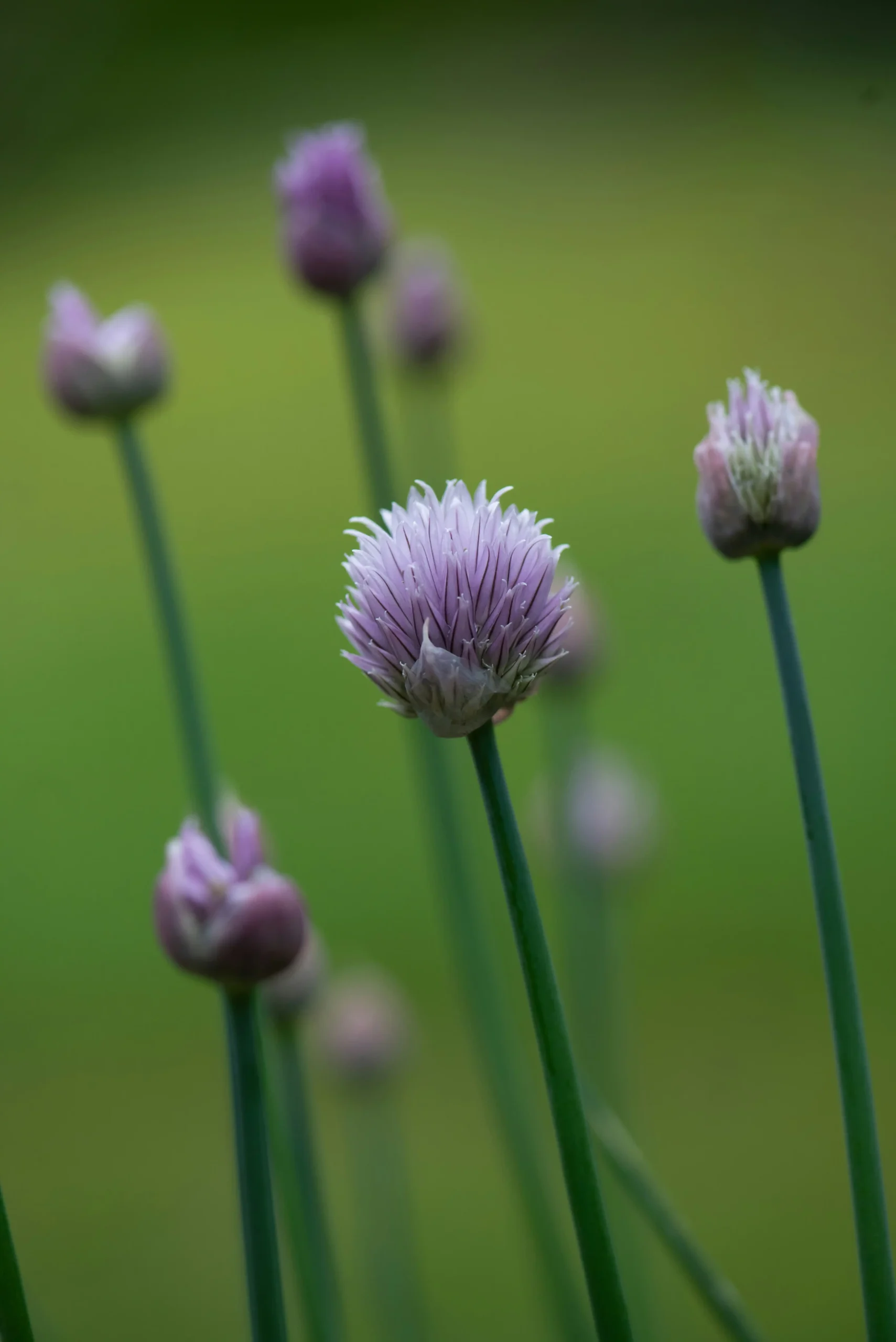
Growing from seed provides the greatest variety selection and allows gardeners to produce larger numbers of plants economically. Seeds germinate relatively quickly when kept moist and warm. Young seedlings develop rapidly and can begin producing harvestable leaves within a short period. Benefits of starting from seed include:
- Large number of plants
- Lower cost
- More variety choices
- Strong root development
- Continuous succession planting
Growing Green Onions from Kitchen Scraps
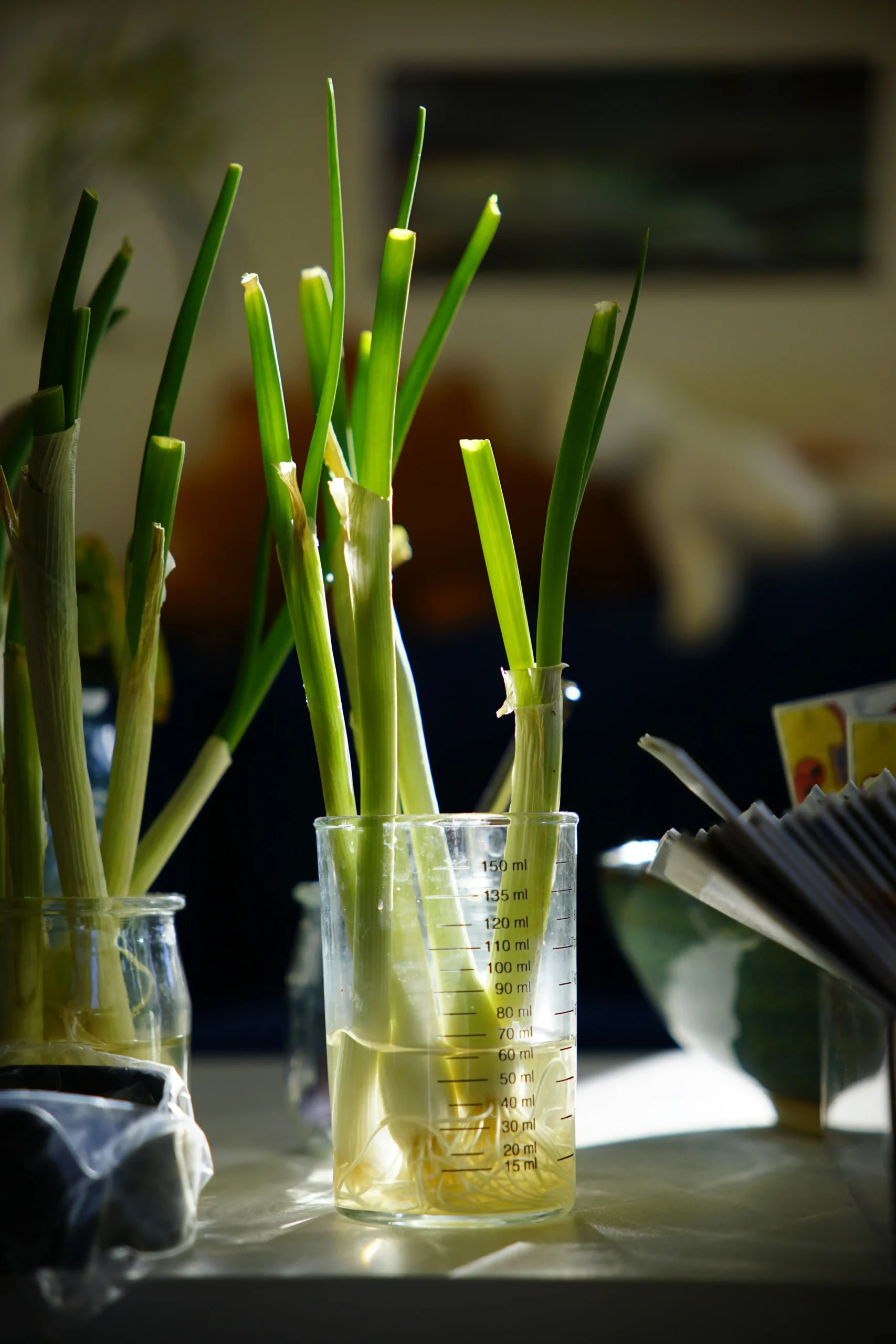
Many gardeners first discover indoor green onion growing by re-growing store-bought onions. This method is simple and requires very little effort. The white root section remaining after cooking can be placed in water or soil, where new green shoots quickly emerge. Advantages include:
- Extremely beginner friendly
- No seed purchase required
- Fast regrowth
- Minimal setup
- Continuous kitchen harvests
Choosing the Best Location
Location strongly influences plant health and productivity. They need sufficient light to maintain thick stems and healthy green leaves. Bright windows are often adequate, particularly those receiving several hours of sunlight daily. Indoor gardeners with limited natural light may achieve better results using grow lights. Good locations include:
- South-facing windows
- East-facing windows
- Bright balconies
- Indoor grow shelves
- Kitchen windowsills
Light Requirements
Light is one of the most important factors affecting indoor growth. Plants grown in poor lighting often become thin, weak, and slow growing. Strong lighting encourages thicker stems, darker foliage, and faster regrowth after harvesting. Helpful lighting practices include:
- Provide bright daily light
- Rotate containers regularly
- Supplement with grow lights if necessary
- Avoid dark corners
- Maintain consistent lighting schedules
Best Containers for Green Onions
Because green onions have relatively shallow roots, they do not require deep containers. However, proper drainage remains essential for healthy root development. Containers should provide enough space for multiple plants while allowing excess water to drain freely. Suitable container options include:
- Plastic pots
- Clay pots
- Window boxes
- Raised indoor planters
- Hydroponic containers
Soil Requirements
Healthy soil supports vigorous leaf production and strong root systems. They perform best in loose fertile soil that drains well while retaining moderate moisture. Heavy compacted soils often reduce growth and increase the risk of root problems. Good soil characteristics include:
- Well-draining structure
- Rich organic matter
- Moderate moisture retention
- Good aeration
- Loose texture
Watering Green Onions Indoors
Consistent moisture helps maintain steady growth and tender leaves. While they appreciate moist soil, overwatering can quickly create problems. Allowing soil to remain constantly saturated may encourage root diseases and poor growth. Helpful watering practices include:
- Keep soil evenly moist
- Avoid waterlogged conditions
- Check soil before watering
- Ensure proper drainage
- Reduce watering during slower growth periods
Fertilizing for Faster Growth
Although they are not heavy feeders, occasional fertilization helps maintain strong leafy growth and continuous harvests. A balanced fertilizer applied periodically usually provides sufficient nutrients for healthy development. Helpful feeding practices include:
- Use balanced fertilizer
- Apply compost when available
- Avoid excessive fertilization
- Feed during active growth
- Monitor leaf color regularly
Temperature and Humidity
Green onions prefer moderate temperatures and generally adapt well to normal indoor conditions. Extreme heat may reduce growth quality, while prolonged cold slows development. Stable indoor environments often provide excellent growing conditions throughout the year. Ideal conditions include:
- Moderate temperatures
- Good airflow
- Average indoor humidity
- Protection from drafts
- Consistent growing environment
Growing Green Onions Hydroponically
Green onions are among the easiest vegetables to grow hydroponically. Their compact root systems and rapid growth make them ideal for water-based growing systems. Hydroponic cultivation often produces faster growth and cleaner harvests compared to traditional soil gardening. Benefits include:
- Faster growth rates
- Cleaner production
- Efficient water use
- Easy harvesting
- Year-round production
Harvesting Green Onions
Proper harvesting techniques encourage continued growth and maximize production. Rather than removing entire plants, many gardeners harvest outer leaves while allowing the center to continue producing. Regular harvesting stimulates fresh growth and prevents plants from becoming overcrowded. Helpful harvesting practices include:
- Cut outer leaves first
- Leave growing centers intact
- Harvest regularly
- Use clean scissors
- Avoid damaging roots
Common Problems
Most indoor growing issues result from environmental conditions rather than serious diseases. Early observation helps gardeners correct problems before growth is affected significantly. Common problems include:
- Yellow leaves from overwatering
- Weak growth from insufficient light
- Slow development from poor nutrition
- Dry leaf tips from inconsistent watering
- Thin stems from overcrowding
Common Pests
Although indoor plants face fewer pest issues than outdoor gardens, infestations can still occur. Regular inspection helps identify pests before they spread. Common pests include:
- Aphids
- Whiteflies
- Thrips
- Spider mites
- Fungus gnats
Helpful prevention practices include:
- Inspect plants weekly
- Improve airflow
- Remove damaged foliage
- Avoid overcrowding
- Keep growing areas clean
Final Thoughts
Green onions are one of the simplest and most rewarding vegetables for indoor gardeners. Their rapid growth, minimal space requirements, and ability to produce repeated harvests make them ideal for beginners and experienced growers alike.
With proper lighting, consistent moisture, fertile soil, and regular harvesting, indoor green onions can provide a continuous supply of fresh flavorful leaves throughout the year.
No, regrowth eventually slows down and plants should be replaced periodically.
New leaves often begin developing within days after harvesting.
They can regrow temporarily in water, but long-term growth is usually better in soil or hydroponics.
Brown tips may result from underwatering, salt buildup, or dry indoor air.
This depends on container size, but moderate spacing helps maintain healthy growth.
Providing insufficient light is one of the most common reasons for weak, thin growth.
Yes, mature plants may eventually produce flower stalks.
Older leaves and stressed plants may develop tougher texture.
Their fast growth, compact size, simple care requirements, and ability to provide repeated harvests make them ideal for indoor gardening.


- Be Respectful
- Stay Relevant
- Stay Positive
- True Feedback
- Encourage Discussion
- Avoid Spamming
- No Fake News
- Don't Copy-Paste
- No Personal Attacks
- Be Respectful
- Stay Relevant
- Stay Positive
- True Feedback
- Encourage Discussion
- Avoid Spamming
- No Fake News
- Don't Copy-Paste
- No Personal Attacks
