Arugula Care Secrets for Faster Growth and Better Flavor
Published: 1 Jun 2026
Arugula is one of the fastest and most rewarding leafy greens you can grow at home. Known for its distinctive peppery flavor, this cool-season vegetable matures quickly and provides multiple harvests from a single planting. Whether grown indoors, outdoors, in containers, raised beds, or hydroponic systems, it is an excellent choice for both beginner and experienced gardeners.
One reason it has become increasingly popular is its versatility. Young leaves add a mild spicy flavor to salads, while mature leaves develop a stronger taste that works well in sandwiches, pasta dishes, pizzas, and cooked recipes. Because the plant grows rapidly and requires relatively little space, it fits perfectly into small gardens and indoor growing setups.
Another advantage is its short growing cycle. Many varieties can be harvested in less than a month after planting, making it one of the quickest vegetables to provide fresh homegrown produce.
Understanding Arugula Growth
This belongs to the mustard family and naturally prefers cooler temperatures. Unlike warm-season vegetables that thrive in summer heat, it performs best during spring, fall, and cool indoor conditions.
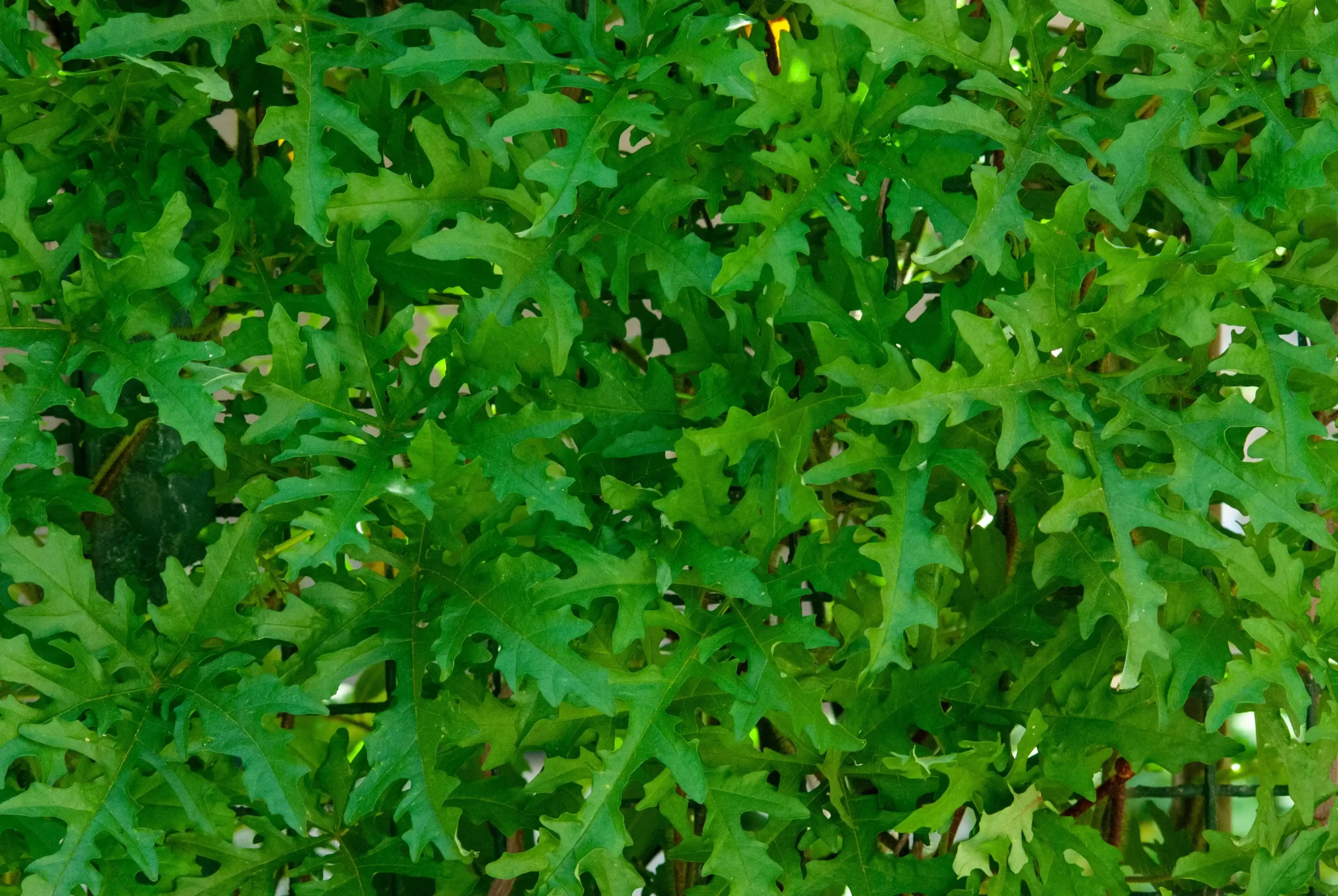
The plant forms clusters of deeply lobed green leaves that continuously grow from the center. Regular harvesting encourages new growth, allowing gardeners to enjoy fresh leaves over an extended period.
Because it grows quickly, it is often planted in succession. This means sowing new seeds every few weeks to maintain a continuous harvest throughout the growing season.
Best Seasons for Growing Arugula
Choosing the right season significantly affects leaf quality and overall productivity. Cool temperatures help produce tender leaves with balanced flavor, while excessive heat often causes bitterness and early flowering. The best seasons include:
- Early spring
- Late summer
- Fall
- Winter in mild climates
- Year-round indoors
Indoor growers can successfully cultivate arugula throughout the year by maintaining suitable temperatures and providing adequate lighting.
Choosing the Right Location
Location plays a major role in determining growth speed and leaf quality. It appreciates bright conditions but generally performs better when protected from intense afternoon heat.
Outdoor gardeners should select a location that receives morning sunlight and partial afternoon shade during warmer months. Indoor growers should place containers near bright windows or use grow lights for consistent development. Ideal growing conditions include:
- Bright indirect sunlight
- Cool temperatures
- Good airflow
- Protection from extreme heat
- Stable growing environment
Light Requirements
Proper lighting encourages strong leaf production and healthy plant development. While it can tolerate some shade, insufficient light often results in slow growth and smaller harvests.
Indoor plants benefit from consistent daily light exposure. If natural light is limited, supplemental grow lights can provide excellent results. Helpful lighting practices include:
- Provide several hours of bright light daily
- Rotate containers regularly
- Use grow lights in darker rooms
- Avoid extremely dark locations
- Protect plants from harsh afternoon sun
Soil Requirements
Healthy soil is essential for producing tender flavorful leaves. Arugula prefers fertile, loose, and well-draining soil that retains moderate moisture without becoming waterlogged.
Heavy compacted soil can restrict root development and slow growth. Adding organic matter improves both drainage and nutrient availability. Good soil characteristics include:
- Well-draining texture
- Rich organic content
- Moderate moisture retention
- Good aeration
- Loose structure
Growing Arugula in Containers
This adapts exceptionally well to container gardening, making it ideal for balconies, patios, windowsills, and indoor gardens.
Containers allow gardeners to control soil quality and move plants when temperatures become unfavorable. Even relatively small containers can produce impressive harvests because it has a shallow root system. Container growing advantages include:
- Suitable for limited spaces
- Easy maintenance
- Better environmental control
- Convenient harvesting
- Ideal for indoor growing
Planting Arugula Seeds
Seeds germinate quickly when planted in moist soil and cool conditions. Direct sowing is generally preferred because seedlings establish rapidly and do not require extensive transplanting.
Seeds should be planted shallowly because they need light contact with the soil while remaining close enough to the surface for successful emergence. Helpful planting tips include:
- Use fresh quality seeds
- Keep soil consistently moist
- Avoid planting too deeply
- Maintain adequate spacing
- Thin crowded seedlings
Watering Requirements
Consistent moisture is one of the most important factors for successful arugula production. Dry conditions can increase leaf bitterness and encourage premature flowering. Although it likes moisture, constantly saturated soil may lead to root problems and reduced plant vigor. For healthy growth:
- Keep soil evenly moist
- Avoid waterlogged conditions
- Water deeply when needed
- Reduce moisture loss with mulch outdoors
- Monitor containers frequently
Fertilizing Arugula
It is not considered a heavy feeder, but moderate fertility supports vigorous leaf production and repeated harvests.
Excessive fertilization may encourage overly rapid growth that can affect flavor and texture. Balanced feeding generally produces the best results. Helpful fertilizing practices include:
- Use compost-enriched soil
- Apply balanced fertilizer when necessary
- Feed lightly during active growth
- Avoid excessive nitrogen
- Monitor leaf color and vigor
Temperature and Humidity
Temperature strongly influences leaf quality. Cool growing conditions typically produce sweeter, more tender leaves, while excessive heat can trigger bolting and bitterness. Indoor gardeners often have an advantage because they can maintain stable temperatures throughout the year. It performs best with:
- Cool temperatures
- Moderate humidity
- Good airflow
- Stable growing conditions
- Protection from heat stress
Growing Arugula Indoors
Indoor cultivation allows gardeners to harvest fresh greens regardless of outdoor weather conditions. It grows especially well in containers placed near bright windows or beneath grow lights. The plant’s compact growth habit makes it perfect for kitchens, apartments, and indoor gardening shelves. Indoor growing benefits include:
- Year-round harvests
- Protection from weather
- Reduced pest pressure
- Convenient harvesting
- Greater environmental control
Growing Arugula Hydroponically
Arugula performs exceptionally well in hydroponic systems because of its rapid growth and relatively small root system.
Hydroponic growing often produces faster development and cleaner harvests compared to traditional soil gardening. Many commercial growers use hydroponics specifically for leafy greens because of their efficiency. Hydroponic advantages include:
- Faster growth
- Efficient water use
- Cleaner production
- Easy harvesting
- Continuous production potential
Harvesting Arugula
One of the most enjoyable aspects of growing it is how quickly harvesting can begin. Young leaves often provide the mildest flavor, while mature leaves develop stronger peppery characteristics. Regular harvesting encourages continued growth and helps delay flowering. Helpful harvesting practices include:
- Harvest outer leaves first
- Leave the center growing point intact
- Pick leaves regularly
- Use clean scissors
- Harvest before flowering for best flavor
Common Problems
Although arugula is generally easy to grow, a few issues may occasionally arise. Most problems are related to environmental conditions rather than serious diseases. Common problems include:
- Bitter leaves from excessive heat
- Bolting during warm weather
- Yellowing from overwatering
- Slow growth from insufficient light
- Poor germination from dry soil
Common Pests
This may attract several common garden pests, particularly when grown outdoors. Regular monitoring helps identify issues before serious damage occurs. Common pests include:
- Aphids
- Whiteflies
- Flea beetles
- Caterpillars
- Leaf miners
Preventive measures include:
- Inspect plants regularly
- Encourage airflow
- Remove damaged leaves
- Keep growing areas clean
- Monitor new growth frequently
Extending the Harvest Season
Many gardeners enjoy continuous harvests by planting new seeds every few weeks. Succession planting ensures a steady supply of fresh leaves rather than one large harvest. This approach is especially useful because arugula grows so quickly and eventually flowers as temperatures increase. To extend production:
- Plant seeds regularly
- Harvest frequently
- Protect plants from heat
- Maintain consistent moisture
- Grow indoors during extreme weather
Final Thoughts
THIS is one of the easiest and fastest leafy greens to grow, making it an excellent choice for home gardeners. Its rapid growth, compact size, and repeated harvest potential allow gardeners to enjoy fresh flavorful leaves with relatively little effort.
With proper lighting, fertile soil, consistent moisture, and cool growing conditions, arugula can provide abundant harvests throughout much of the year in both indoor and outdoor gardens.
Bolting is when the plant starts flowering, usually due to heat or maturity.
Seeds should be spaced or thinned to allow proper airflow and leaf growth.
Yes, a bright windowsill is suitable for indoor arugula growth.
Exposing it to excessive heat or allowing soil to dry out too often.
Yes, it is one of the best beginner-friendly vegetables due to its fast growth and easy care.
Yes, arugula grows well in winter indoors or in mild outdoor climates because it prefers cool temperatures.
Yes, arugula works well in vertical systems because it has shallow roots and fast growth.
Poor germination may be due to old seeds, dry soil, or incorrect temperature.





- Be Respectful
- Stay Relevant
- Stay Positive
- True Feedback
- Encourage Discussion
- Avoid Spamming
- No Fake News
- Don't Copy-Paste
- No Personal Attacks
- Be Respectful
- Stay Relevant
- Stay Positive
- True Feedback
- Encourage Discussion
- Avoid Spamming
- No Fake News
- Don't Copy-Paste
- No Personal Attacks
