Master Indoor Broccoli Growing With These 10 Proven Techniques
Published: 19 Jun 2026
Broccoli is one of the most rewarding vegetables to grow indoors if you enjoy fresh, nutrient rich produce from your own garden. Known for its dense green heads and highly nutritious leaves, this cool season vegetable can adapt well to indoor growing when provided with proper lighting, cool temperatures, and consistent care. While many gardeners assume broccoli only performs well outdoors, it can thrive inside containers with the right setup.
Growing this vegetable indoors allows you to control the environment much more effectively. You can manage temperature, soil quality, watering, and light exposure while protecting plants from harsh weather and many outdoor pests. Indoor cultivation is especially useful for gardeners with limited outdoor space or those living in apartments.
One thing to understand before growing broccoli indoors is that it requires more attention than leafy herbs or small greens. This is a heavier feeding crop and needs strong light to develop large healthy heads. However, if you provide the right conditions, the results can be extremely satisfying.
Why Grow Broccoli Indoors?
Growing broccoli indoors offers several advantages, especially for gardeners who want fresh vegetables throughout the year. Indoor growing provides better environmental control and can reduce many common outdoor growing challenges. This vegetable also offers excellent value because both the heads and leaves are edible, making each plant highly productive. Benefits of growing broccoli indoors include:
- Fresh homegrown harvests
- Nutrient rich vegetable
- Edible leaves and stems
- Suitable for containers
- Protection from harsh weather
- Reduced outdoor pest pressure
- Ideal for controlled environments
- Great for year round growing
- Highly rewarding harvest
- Excellent cool season crop
Understanding the Growth Habit
Broccoli grows as a sturdy plant with thick stems and broad leaves. During early growth, plants focus on developing foliage and strong root systems. Once mature, a dense central head forms at the top. After harvesting the main head, many varieties continue producing smaller side shoots, extending the harvest period. Characteristics of healthy plants include:
- Thick stems
- Large green leaves
- Compact growth
- Strong root development
- Dense central head
- Vigorous side shoots
- Healthy leaf color
- Steady growth
Choosing the Right Variety for Indoor Growing
Not all varieties perform equally well indoors. Compact and smaller heading varieties usually adapt better to containers and limited spaces. Choosing the right variety greatly improves success. Recommended varieties include:
- Green Magic
- De Cicco
- Calabrese
- Waltham 29
- Destiny
- Packman
- Belstar
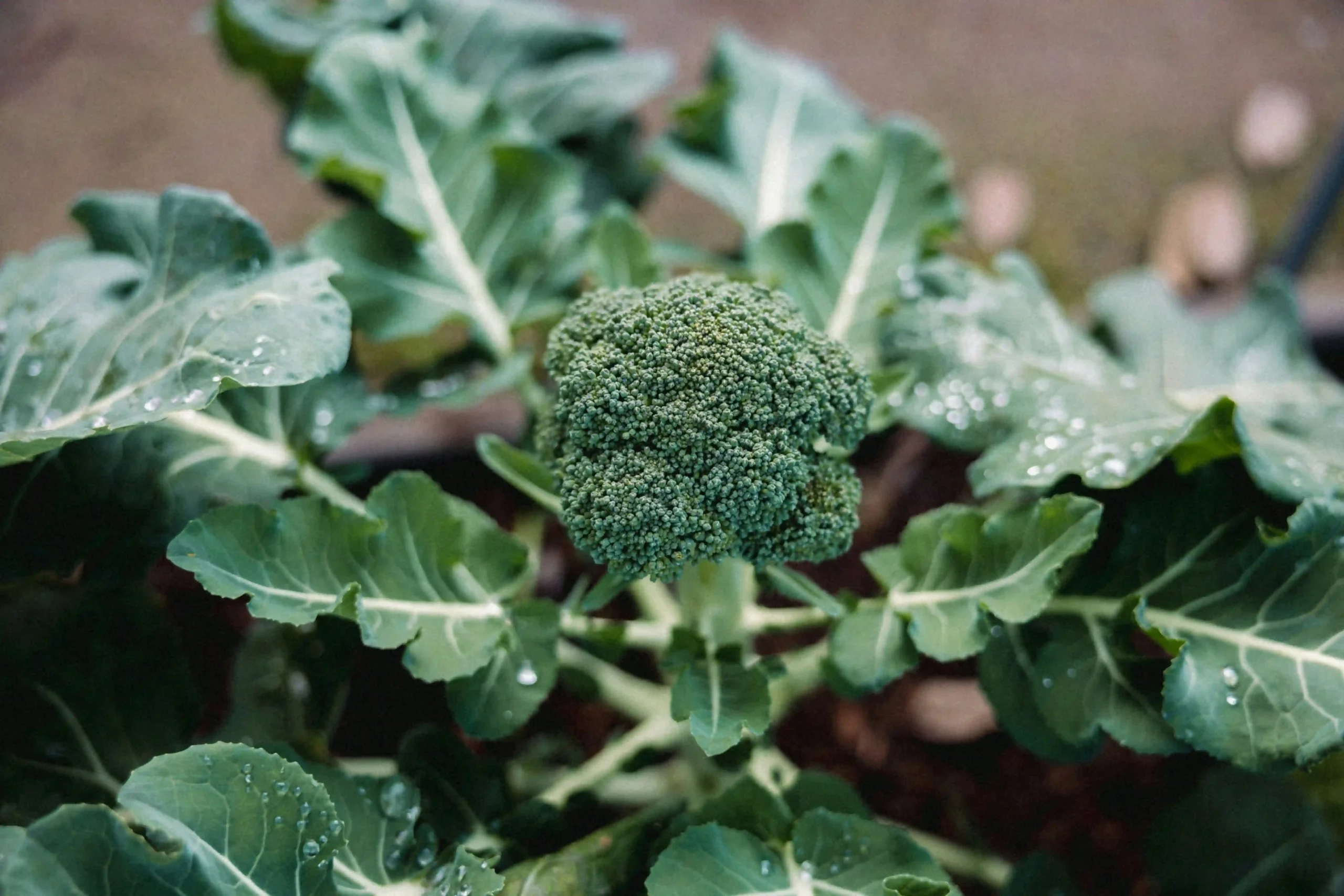
Choosing the Right Container
Broccoli develops a substantial root system and requires enough space for healthy growth. Small pots often lead to stunted growth and poor head formation. Larger containers support better growth and bigger harvests. When selecting a container:
- Choose a pot at least 12 inches deep
- Use wide containers
- Ensure drainage holes
- Allow adequate root space
- Select durable containers
- Avoid small pots
Best Soil for Indoor Growing
Broccoli performs best in fertile, loose, and well draining soil rich in organic matter. Heavy soil can cause drainage issues and poor root development. A nutrient rich potting mix supports vigorous growth. For the best growing medium:
- Use high quality potting mix
- Add compost
- Include perlite for drainage
- Maintain loose texture
- Avoid compacted soil
- Ensure good aeration
Light Requirements
Strong light is essential for healthy growth and head development. Broccoli requires more light than most indoor herbs and leafy greens. Without adequate light, plants may become weak and fail to form proper heads. For healthy growth:
- Provide 6 to 8 hours of direct sunlight
- Use south facing windows
- Supplement with grow lights
- Provide strong consistent light
- Rotate containers regularly
- Avoid low light conditions
Temperature Requirements
This crop prefers cooler conditions. High temperatures often reduce head quality and can cause premature bolting. Cool temperatures help produce dense, flavorful heads. Ideal growing conditions include:
- Temperatures between 55°F and 75°F
- Cool nights
- Stable conditions
- Good airflow
- Protection from heat
- Consistent temperatures
Starting Broccoli From Seed
Growing from seed is the most common and cost effective method. Seeds germinate relatively quickly under proper conditions. Strong seedlings establish faster and produce better harvests. For successful germination:
- Use seed starting mix
- Sow seeds shallowly
- Keep soil moist
- Maintain moderate temperatures
- Provide bright light
- Ensure airflow
Watering Requirements
Consistent moisture is important for healthy development. Uneven watering can affect head formation and overall plant health. The goal is evenly moist soil without soggy conditions. For proper watering:
- Check soil regularly
- Keep soil consistently moist
- Water deeply
- Avoid waterlogging
- Empty drainage trays
- Maintain consistency
Fertilizing for Strong Growth
Broccoli is a heavy feeder and requires regular nutrients to support leaf growth and head formation. Proper feeding significantly improves productivity. For successful fertilization:
- Use balanced fertilizer
- Feed regularly
- Add compost when needed
- Monitor growth
- Avoid nutrient deficiencies
- Support head development
Pollination
Unlike fruiting vegetables, broccoli does not require pollination to form edible heads. The harvest comes before flowering. This makes indoor cultivation easier compared to many other vegetables. Key points:
- No pollination required
- Focus on vegetative growth
- Harvest before flowering
- Maintain healthy development
Harvesting Broccoli
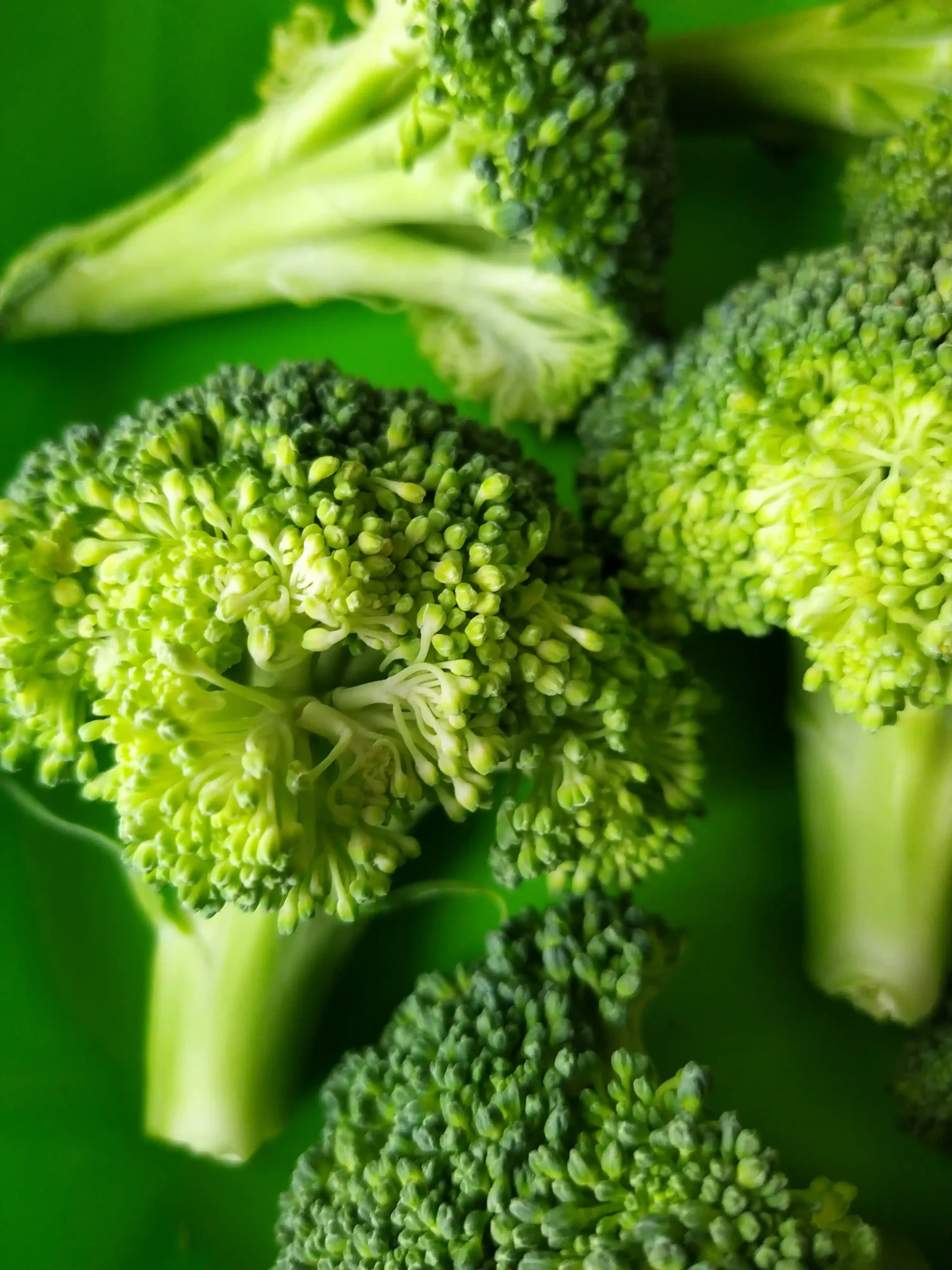
Harvest timing greatly affects flavor and texture. The best time to harvest is when heads are firm, tight, and fully developed but before flower buds begin opening. Waiting too long can reduce quality. For successful harvesting:
- Harvest tight heads
- Cut with clean tools
- Leave side shoots intact
- Check daily near maturity
- Avoid delayed harvest
- Encourage side shoot growth
Growing for Microgreens or Baby Greens
If producing full heads feels challenging indoors, growing broccoli as microgreens or baby greens is another excellent option. These are fast growing, highly nutritious, and require less space. Benefits include:
- Faster harvests
- Less space needed
- Easier indoor growing
- Nutrient dense greens
- Beginner friendly
Common Growing Problems
Most indoor growing issues are linked to environmental stress or nutrient imbalances. Early intervention improves plant health and harvest quality. Common issues include:
- Yellow leaves
- Slow growth
- Weak stems
- Small heads
- Bolting
- Wilting
- Pale foliage
- Poor head formation
Common Indoor Pests
Indoor broccoli can still face pest problems, though less frequently than outdoor plants. Regular monitoring helps prevent infestations. Common pests include:
- Aphids
- Spider mites
- Whiteflies
- Fungus gnats
- Thrips
Common Mistakes to Avoid
Many gardeners struggle with broccoli indoors because of a few common mistakes. Avoiding these greatly improves success. Common mistakes include:
- Insufficient light
- Small containers
- Overwatering
- Heat stress
- Poor soil quality
- Underfertilizing
- Inconsistent watering
- Delayed harvesting
Final Thoughts
Broccoli can be a highly rewarding indoor crop when grown under the right conditions. Although it requires more attention than many herbs and leafy greens, the payoff of harvesting fresh, nutritious heads from your indoor garden makes the effort worthwhile.
With strong light, cool temperatures, nutrient rich soil, and consistent care, healthy plants can produce impressive harvests even in containers. Whether you are growing full heads, side shoots, or nutrient packed microgreens, this versatile vegetable is an excellent addition to an indoor garden.
Frequently Asked Questions (FAQs)
Yes. Broccoli can grow indoors successfully when provided with strong light, cool temperatures, nutrient rich soil, and enough container space.
Most varieties take around 70 to 100 days from seed to harvest, depending on the variety and growing conditions.
Premature flowering, also called bolting, usually happens because of heat stress or inconsistent growing conditions.
It can, but only with strong lighting, large containers, cool temperatures, and proper feeding. Indoor heads are often slightly smaller.
Narrow leaves are often a sign of insufficient light, poor nutrition, or stress during early growth.
This can happen if the main head was harvested late, nutrients are low, or the plant is under stress.
Broccoli needs strong light. For one or two plants, a quality LED grow light in the 30 to 50 watt actual output range is usually the minimum for decent growth.
Common causes include weak light, cold temperatures, poor soil nutrition, or overwatering.
Broccoli naturally releases a cabbage-like smell, especially during active growth or after watering.
Purple stems can be normal in some varieties, but they may also indicate cool temperatures or phosphorus deficiency.


- Be Respectful
- Stay Relevant
- Stay Positive
- True Feedback
- Encourage Discussion
- Avoid Spamming
- No Fake News
- Don't Copy-Paste
- No Personal Attacks
- Be Respectful
- Stay Relevant
- Stay Positive
- True Feedback
- Encourage Discussion
- Avoid Spamming
- No Fake News
- Don't Copy-Paste
- No Personal Attacks
