Stop Buying Chives: Grow an Endless Supply Indoors
Published: 17 Jun 2026
Chives are one of the easiest and most productive herbs you can grow indoors. Their mild onion flavor, attractive green leaves, and ability to regrow after harvesting make them an excellent choice for windowsill gardens and indoor herb collections. Unlike many herbs that require constant attention, chives are remarkably forgiving and can continue producing fresh growth for years when provided with basic care.
Many indoor gardeners overlook this herb in favor of basil, parsley, or mint, but chives deserve a place in every indoor garden. They grow quickly, take up very little space, and can be harvested repeatedly without harming the plant. Freshly cut leaves add flavor to salads, soups, eggs, potatoes, and countless other dishes.
Another advantage is their compact growth habit. Even gardeners living in apartments or homes with limited space can successfully grow chives in small containers. Once established, a healthy plant can provide a steady supply of fresh leaves throughout much of the year.
Why Grow Chives Indoors?
Growing herbs indoors allows gardeners to enjoy fresh harvests regardless of the season. Instead of purchasing packaged herbs that lose flavor quickly, you can cut exactly what you need whenever you are cooking. Indoor cultivation also protects plants from harsh weather, heavy rain, and many outdoor pests. With proper care, plants remain productive and attractive for long periods. Benefits of growing chives indoors include:
- Fresh harvests year round
- Mild onion flavor
- Easy maintenance
- Compact growth habit
- Fast regrowth after harvesting
- Suitable for small spaces
- Attractive ornamental value
- Beginner friendly
- Long lifespan
- Excellent container plant
Understanding the Growth Habit
Chives belong to the onion family and grow in dense clumps of hollow green leaves. Unlike onions, which form large bulbs, chives direct most of their energy into producing foliage. As plants mature, the clumps gradually expand and become thicker. New leaves continuously emerge from the base, making regular harvesting possible without reducing plant vigor. Characteristics of healthy plants include:
- Bright green leaves
- Upright growth
- Dense clumps
- Continuous new shoots
- Healthy root systems
- Strong fragrance
- Thick foliage
- Vigorous regrowth
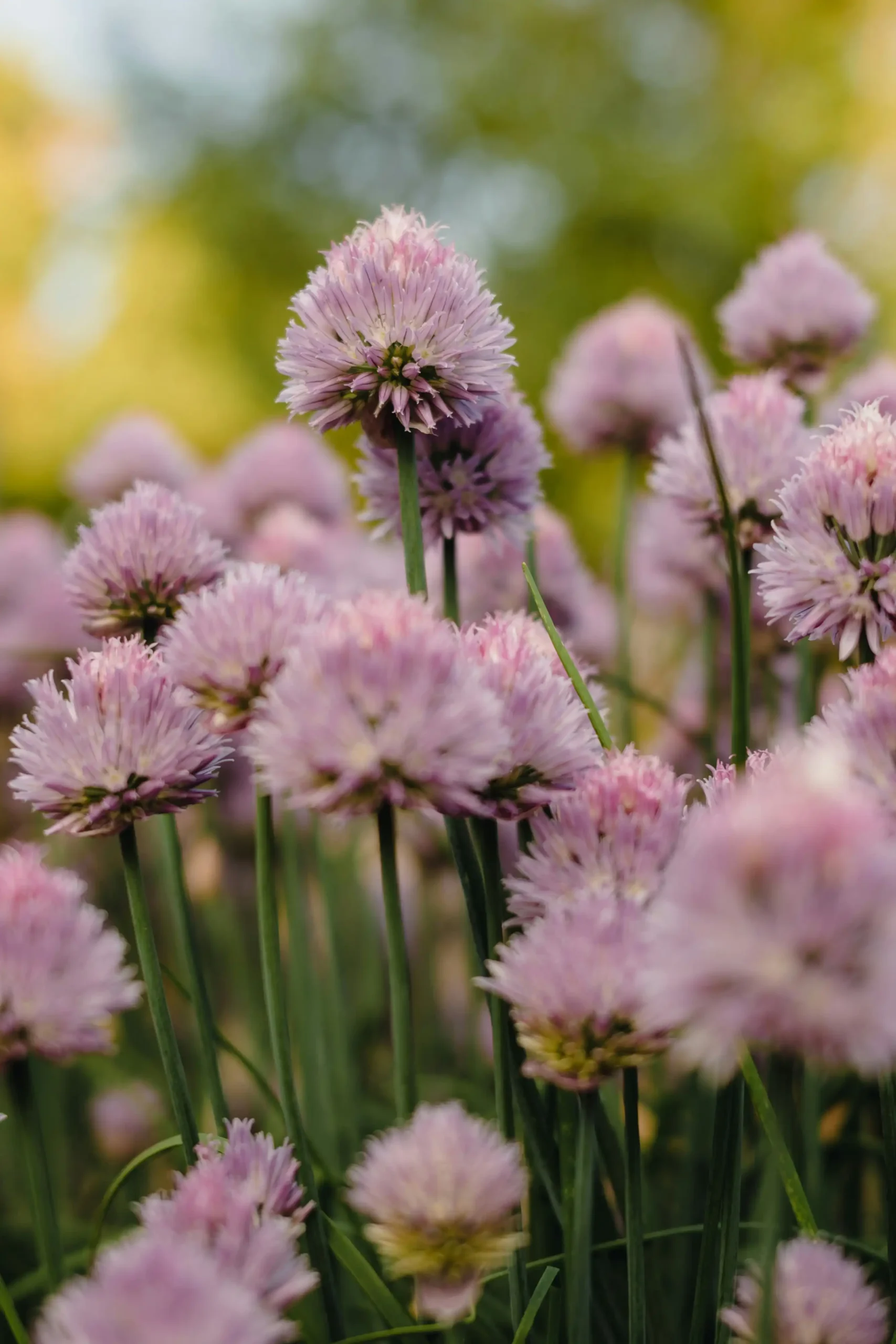
Starting Chives from Seeds
Growing from seed is one of the most economical ways to establish plants. Although germination may take a little longer than some herbs, seedlings are generally easy to grow. The seeds should be planted shallowly and kept consistently moist until germination occurs. Once seedlings develop several leaves, they begin growing much more rapidly. For successful germination:
- Use quality seed starting mix
- Sow seeds shallowly
- Keep soil moist
- Maintain warm temperatures
- Provide bright light
- Ensure good airflow
Growing Chives from Divisions
Many gardeners prefer dividing mature plants because it provides an instant harvest and faster establishment. Established clumps can be separated into smaller sections and replanted individually. This method is often the quickest way to start a productive indoor herb garden. For successful division:
- Use healthy mature plants
- Separate root clumps carefully
- Replant immediately
- Water thoroughly
- Provide bright light
- Avoid damaging roots
Choosing the Right Container
Container selection influences root development and long term productivity. While chives do not require extremely large pots, adequate space encourages healthier growth and larger harvests. Good drainage remains essential because overly wet soil can lead to root problems. When selecting a container:
- Choose a pot 6 to 8 inches deep
- Ensure drainage holes
- Use wide containers
- Select durable materials
- Allow room for clump expansion
- Avoid waterlogged conditions
Best Soil for Indoor Chives
Healthy roots depend on a well balanced growing medium. Soil should retain enough moisture for steady growth while allowing excess water to drain freely. Heavy garden soil often becomes compacted indoors and can restrict root development. For the best growing medium:
- Use quality potting mix
- Add compost sparingly
- Include perlite for drainage
- Maintain loose texture
- Avoid compacted soil
- Ensure good aeration
Light Requirements
Although chives tolerate lower light levels better than many herbs, they still perform best when exposed to bright light. Insufficient sunlight often results in thinner leaves and slower growth. Plants receiving strong light typically produce thicker foliage and more vigorous regrowth after harvesting. For healthy growth:
- Provide 6 hours of sunlight daily
- Use south facing windows
- Rotate containers regularly
- Supplement with grow lights
- Avoid dark locations
- Monitor leaf quality
Watering Requirements
Consistent moisture supports healthy foliage production, but constantly wet soil can damage roots. The goal is maintaining lightly moist soil without creating soggy conditions. Checking moisture before watering helps prevent common mistakes. For proper watering:
- Check soil regularly
- Water when the surface begins drying
- Water thoroughly
- Empty drainage trays
- Avoid overwatering
- Reduce watering during winter
Temperature and Humidity
Most homes provide ideal conditions for growing chives. They prefer moderate temperatures and generally adapt well to indoor environments. Extreme heat may reduce growth, while prolonged cold conditions can slow development. Ideal growing conditions include:
- Temperatures between 60°F and 75°F
- Moderate humidity
- Good airflow
- Stable indoor temperatures
- Protection from drafts
- Consistent conditions
Fertilizing for Continuous Growth
Because chives are harvested primarily for their foliage, they benefit from occasional feeding throughout the growing season. Moderate fertilization supports healthy leaf production without causing excessive soft growth. For successful fertilization:
- Use balanced fertilizer
- Feed monthly
- Apply diluted solutions
- Avoid excessive feeding
- Monitor growth
- Reduce winter fertilization
Growing Under Grow Lights
Grow lights are extremely useful when natural sunlight is limited. They allow gardeners to maintain active growth throughout the year and prevent weak, stretched foliage. Full spectrum LED lights are particularly effective for indoor herb gardens. For successful use:
- Provide 12 to 14 hours of light
- Position lights close to plants
- Use timers
- Adjust height regularly
- Monitor growth response
- Maintain consistency
Harvesting Chives Properly
Harvesting correctly encourages continued production and helps maintain plant health. Many beginners make the mistake of cutting only the tips, which often leads to unattractive plants. The best method is cutting leaves near the base while leaving enough growth for recovery. For successful harvesting:
- Cut leaves near the base
- Use clean scissors
- Harvest regularly
- Leave some foliage behind
- Avoid removing all growth
- Encourage regrowth
How to Encourage More Growth
Regular care and harvesting naturally stimulate new leaf production. Healthy plants can produce fresh growth repeatedly throughout the year. Providing consistent conditions often results in larger and more frequent harvests. To encourage growth:
- Provide bright light
- Harvest regularly
- Maintain moisture
- Feed moderately
- Divide crowded clumps
- Ensure good airflow
Flowering Indoors
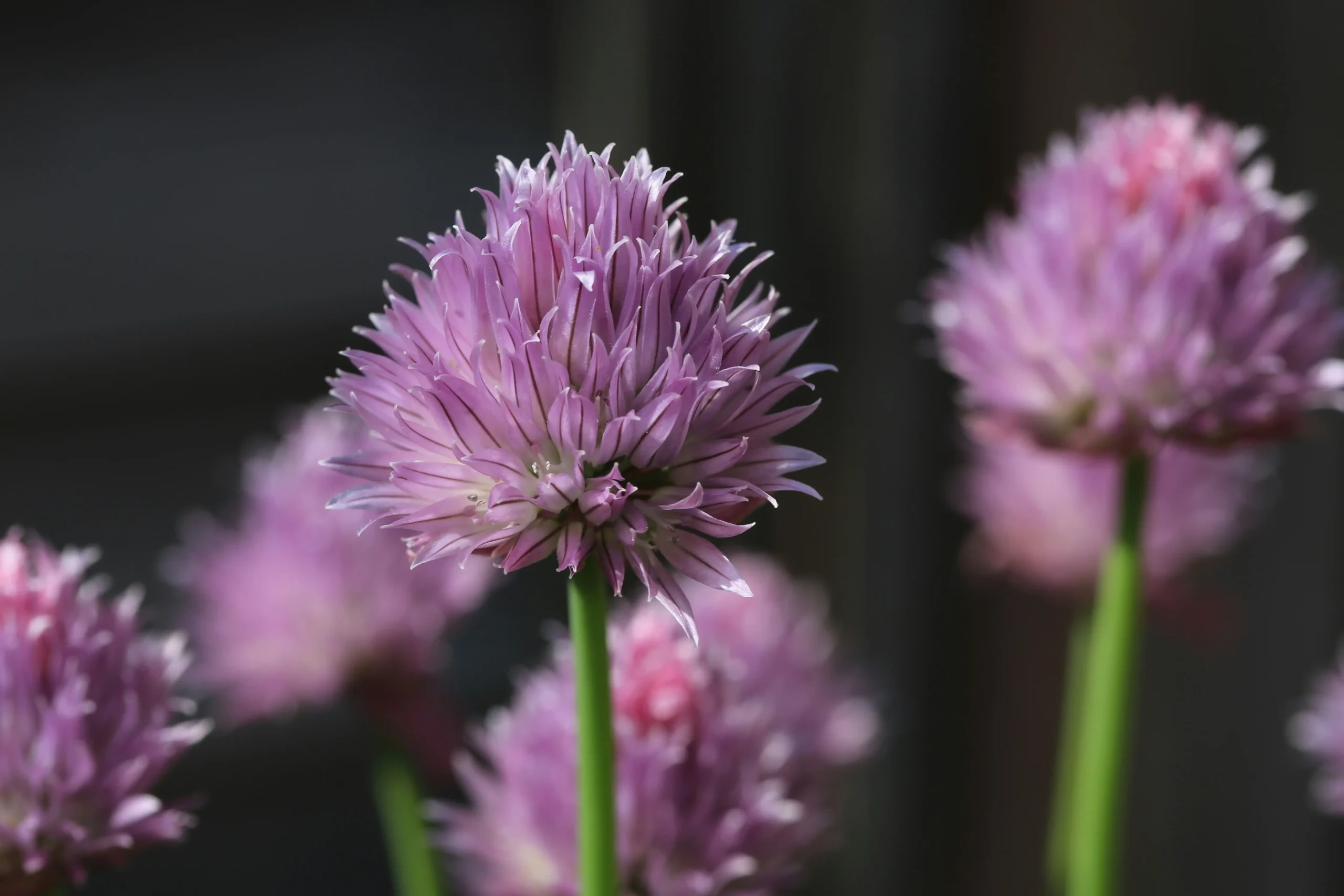
Mature plants may occasionally produce attractive purple flowers. These blooms are edible and can be used as garnishes in salads and other dishes. While flowering is attractive, some gardeners remove flower stalks to direct more energy toward leaf production. For managing flowers:
- Allow blooms for decoration
- Harvest edible flowers
- Remove flower stalks if desired
- Encourage foliage production
- Monitor plant vigor
Common Growing Problems
Most indoor growing problems are related to light, watering, or overcrowding rather than disease. Early identification makes it easier to restore healthy growth and maintain productivity. Common issues include:
- Yellow leaves
- Thin foliage
- Slow growth
- Wilting
- Root rot
- Pale leaves
- Weak regrowth
- Crowded clumps
Common Indoor Pests
Although relatively resistant to pests, occasional infestations can occur indoors. Regular inspection helps prevent small problems from becoming serious. Common pests include:
- Aphids
- Spider mites
- Thrips
- Fungus gnats
- Mealybugs
Common Mistakes to Avoid
Many gardeners unintentionally reduce productivity through simple care mistakes. Avoiding these problems helps maintain healthy and productive plants. Small adjustments often result in significant improvements. Common mistakes include:
- Overwatering
- Insufficient sunlight
- Using heavy soil
- Ignoring harvesting
- Overcrowding roots
- Poor drainage
- Excessive fertilization
- Allowing plants to dry completely
Final Thoughts
Chives are among the most rewarding herbs for indoor gardeners because they are productive, easy to maintain, and capable of providing fresh harvests throughout the year. Their compact growth habit makes them suitable for almost any indoor space, while their ability to regrow after cutting ensures a continuous supply of flavorful leaves.
With bright light, moderate watering, well draining soil, and regular harvesting, a single container can remain productive for years. Whether you are creating a windowsill herb garden or expanding an indoor growing collection, chives are an excellent choice for reliable and continuous harvests.
Frequently Asked Questions (FAQs)
You can harvest every few weeks once the leaves reach about 6 inches tall. Healthy plants regrow quickly after cutting.
Always cut leaves about 1 to 2 inches above the soil surface. Cutting only the tips reduces future productivity.
Yes. The flowers have a mild onion flavor and can be used in salads, soups, and garnishes.
Cutting too much foliage at once can temporarily slow regrowth. Leave some leaves behind during each harvest.
The plant is reaching toward the strongest light source. Rotate the pot weekly for balanced growth.
Every 2 to 3 years is usually enough to maintain vigorous growth and prevent overcrowding.
If your goal is maximum leaf production, removing flower stalks helps direct energy back into foliage growth.
Older plants often develop crowded centers. Dividing the clump usually solves the problem.
Once flowering begins, some energy is diverted away from foliage production. Removing flower stalks encourages more leaf growth.
With proper care, regular division, and occasional repotting, a plant can provide harvests for many years.




- Be Respectful
- Stay Relevant
- Stay Positive
- True Feedback
- Encourage Discussion
- Avoid Spamming
- No Fake News
- Don't Copy-Paste
- No Personal Attacks
- Be Respectful
- Stay Relevant
- Stay Positive
- True Feedback
- Encourage Discussion
- Avoid Spamming
- No Fake News
- Don't Copy-Paste
- No Personal Attacks
