Common Madagascar Periwinkle Growing Problems and Solutions
Published: 16 Jun 2026
Madagascar periwinkle is one of the most colorful flowering plants you can grow indoors. Known for its glossy green leaves and vibrant blooms in shades of pink, white, red, purple, and lavender, this tropical plant can flower almost continuously when given the right conditions. Its ability to tolerate heat, occasional drought, and indoor environments makes it a favorite among both beginner and experienced gardeners.
Native to Madagascar, this flowering plant thrives in warm temperatures and bright light. While it is often grown outdoors in flower beds and containers, it adapts surprisingly well to indoor cultivation. When placed in a sunny location and provided with proper care, it can reward gardeners with months of colorful blooms.
Unlike many flowering houseplants that bloom only during specific seasons, Madagascar periwinkle has the potential to flower for most of the year. This long blooming period is one of the reasons it remains popular among indoor gardeners looking for continuous color.
Why Grow Madagascar Periwinkle Indoors?
Many indoor gardeners focus on foliage plants, but flowering plants can add a completely different level of beauty to indoor spaces. This tropical bloomer combines attractive foliage with abundant flowers, creating an eye catching display on windowsills, balconies, and indoor garden shelves.
Indoor growing also protects plants from heavy rain, strong winds, and certain pests that may damage flowers outdoors. Benefits of growing Madagascar periwinkle indoors include:
- Long flowering season
- Bright colorful blooms
- Attractive glossy foliage
- Suitable for containers
- Relatively low maintenance
- Tolerates indoor conditions well
- Ideal for sunny windows
- Compact growth habit
- Drought tolerant once established
- Beginner friendly
Understanding the Plant’s Growth Habit
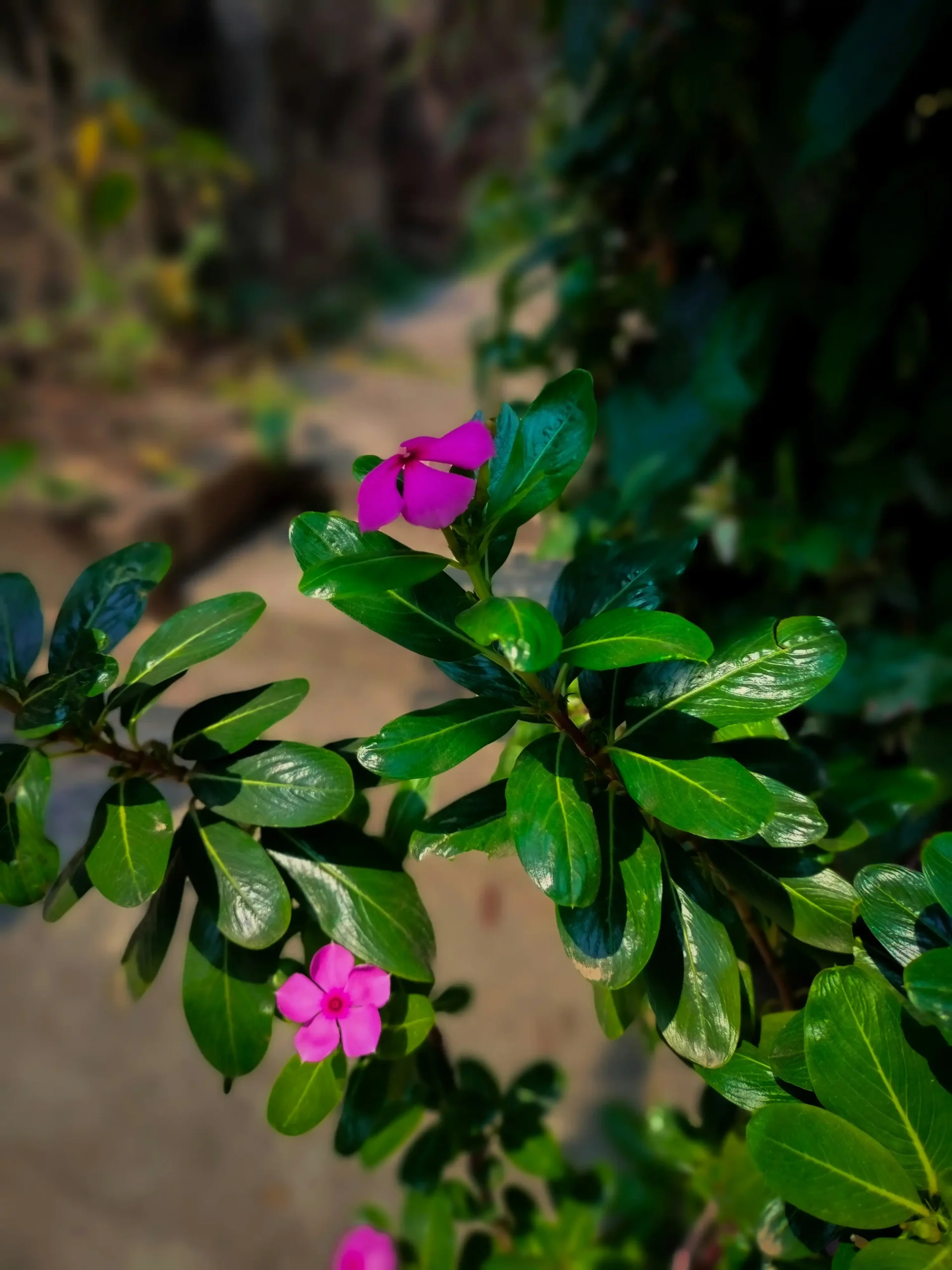
Madagascar periwinkle grows as a compact, bushy plant with multiple stems emerging from the base. As the plant matures, it produces a dense canopy of glossy leaves and develops flower buds continuously throughout the growing season.
Healthy plants remain relatively compact indoors, although some varieties can reach 18 to 24 inches in height under ideal conditions. The flowers usually appear at the tips of stems and continue opening as new growth develops. Characteristics of healthy plants include:
- Deep green leaves
- Strong stems
- Continuous flower production
- Compact growth
- Vigorous new shoots
- Healthy root development
- Bright flower color
- Dense branching
Choosing the Best Variety
Modern breeding has produced numerous varieties with different flower colors and growth habits. Some varieties remain compact and are perfect for indoor containers, while others grow larger and produce bigger flowers. Choosing the right variety can improve flowering performance and make maintenance easier indoors. Popular varieties include:
- Cora Series
- Titan Series
- Pacifica Series
- Mediterranean Series
- Nirvana Series
- Valiant Series
- Victory Series
Choosing the Right Container
Container selection affects root development, moisture retention, and overall plant health. Although this plant tolerates slightly crowded roots better than many houseplants, it still benefits from adequate growing space. Proper drainage is essential because excess moisture can quickly lead to root problems. When selecting a container:
- Choose a pot 8 to 12 inches deep
- Ensure drainage holes are present
- Use containers with adequate width
- Select breathable materials
- Allow room for root growth
- Avoid containers without drainage
Best Soil for Indoor Growing
The root system prefers loose, well draining soil. Heavy soil often retains too much moisture and can reduce plant vigor. A quality potting mix helps maintain the balance between moisture retention and drainage that healthy roots require. For the best growing medium:
- Use quality potting mix
- Add perlite for drainage
- Include compost sparingly
- Maintain loose texture
- Avoid compacted soil
- Ensure proper aeration
Light Requirements
Light is the most important factor affecting flower production. Plants grown in low light often develop fewer flowers and weaker stems. A bright south facing window is usually the best location indoors. The more sunlight the plant receives, the better its flowering performance will be. For healthy growth and flowering:
- Provide 6 to 8 hours of sunlight
- Use south facing windows
- Rotate containers regularly
- Supplement with grow lights if needed
- Avoid dark rooms
- Monitor flowering response
Watering Requirements
One of the biggest mistakes gardeners make is overwatering. Although this plant enjoys moderate moisture, it is surprisingly tolerant of short dry periods once established. Allowing the soil surface to dry slightly between watering sessions often produces healthier roots and better flowering. For proper watering:
- Check soil moisture regularly
- Water when the top inch feels dry
- Water thoroughly when needed
- Empty drainage trays
- Avoid constantly wet soil
- Reduce watering during cooler months
Temperature and Humidity
Being a tropical plant, Madagascar periwinkle prefers warm temperatures throughout the year. Most indoor environments naturally provide suitable growing conditions. Cold temperatures can slow growth and reduce flower production significantly. Ideal growing conditions include:
- Temperatures between 65°F and 85°F
- Moderate humidity
- Stable indoor conditions
- Good airflow
- Protection from cold drafts
- Warm growing environment
Fertilizing for Continuous Blooms
Regular flowering requires energy, and occasional feeding helps support healthy growth and flower production. However, excessive fertilizer can lead to lush foliage with fewer blooms. A balanced feeding schedule encourages both healthy leaves and abundant flowers. For successful fertilization:
- Use balanced fertilizer
- Feed every 4 to 6 weeks
- Apply diluted solutions
- Avoid excessive nitrogen
- Reduce feeding during slow growth
- Monitor flowering performance
Pruning and Pinching
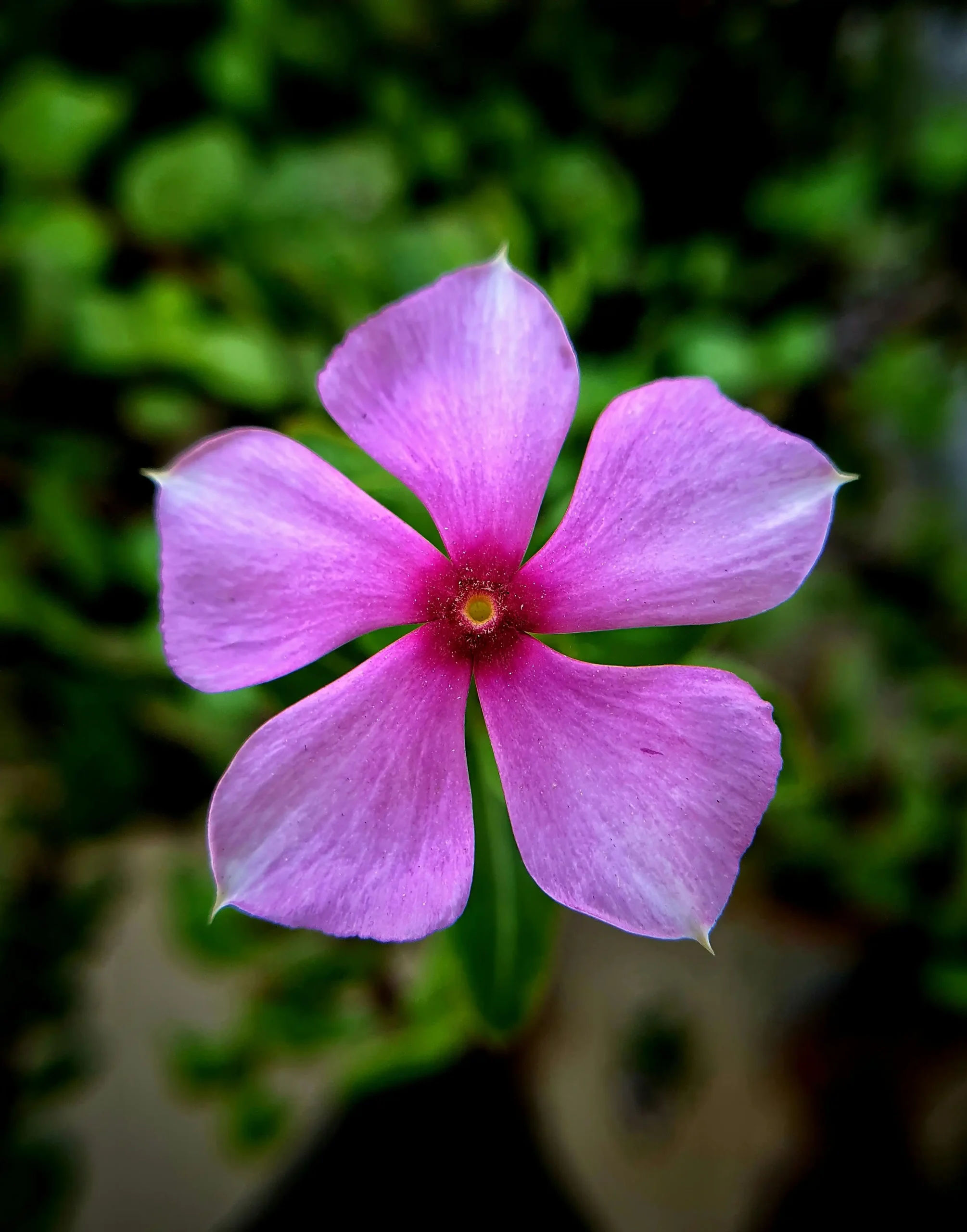
Pruning helps maintain a compact shape and encourages branching. Plants that are pinched regularly often develop more flowering stems and a fuller appearance. Removing faded flowers also helps keep the plant attractive and encourages continued blooming. For healthier growth:
- Pinch young stems
- Remove weak growth
- Trim leggy stems
- Remove damaged leaves
- Deadhead old flowers
- Encourage branching
Growing From Seeds
Although many gardeners purchase established plants, growing from seed can be rewarding and economical. Seeds germinate relatively quickly when provided with warmth and moisture. Young seedlings grow steadily and often begin flowering within a few months. For successful germination:
- Use sterile seed starting mix
- Keep soil lightly moist
- Maintain warm temperatures
- Provide bright light
- Ensure good airflow
- Avoid overwatering
Encouraging More Flowers
Continuous blooming depends on providing the right combination of sunlight, nutrition, and proper care. Plants grown under optimal conditions can remain covered with flowers for much of the year. Consistency is often the key to maintaining heavy bloom production. To increase flowering:
- Provide strong sunlight
- Feed regularly
- Remove old flowers
- Maintain proper watering
- Avoid excessive nitrogen
- Encourage branching
- Prevent stress
Common Growing Problems
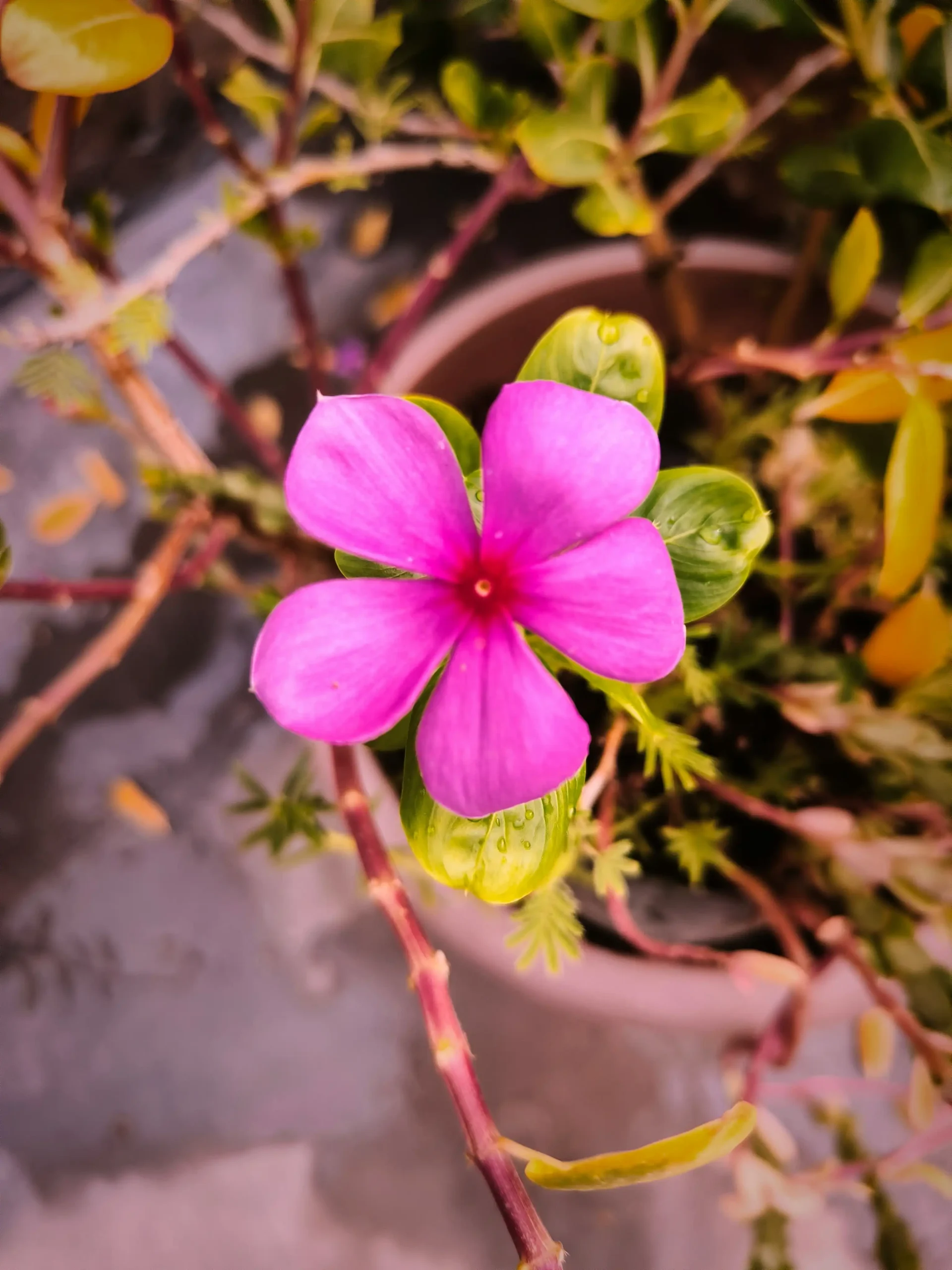
Most indoor growing issues result from environmental conditions rather than serious diseases. Identifying problems early usually allows for quick correction. Understanding common symptoms helps maintain healthier plants. Common issues include:
- Yellow leaves
- Poor flowering
- Leggy growth
- Root rot
- Wilting
- Brown leaf edges
- Dropping buds
- Pale foliage
- Slow growth
Common Indoor Pests
Although relatively resistant to many pests, infestations can occasionally occur indoors. Regular inspection helps prevent minor problems from becoming serious. Common pests include:
- Aphids
- Spider mites
- Whiteflies
- Mealybugs
- Thrips
- Fungus gnats
Common Mistakes to Avoid
Many gardeners unknowingly reduce flowering and plant health through simple care mistakes. Avoiding these errors can dramatically improve performance. Small changes often lead to significant improvements. Common mistakes include:
- Overwatering
- Growing in low light
- Using heavy soil
- Excessive fertilization
- Poor drainage
- Ignoring pruning
- Allowing cold exposure
- Overcrowding plants
- Inconsistent watering
Final Thoughts
Madagascar periwinkle is one of the best flowering plants for indoor gardeners who want long lasting color with relatively little maintenance. Its glossy foliage, vibrant blooms, and ability to flower for extended periods make it an excellent choice for windowsills, balconies, and indoor garden spaces.
With bright sunlight, well draining soil, moderate watering, and occasional feeding, a healthy plant can produce an impressive display of flowers throughout much of the year. Whether you are a beginner or an experienced gardener, this tropical bloomer can become one of the most rewarding plants in your indoor collection.
Frequently Asked Questions (FAQs)
For the best flower production, provide at least 6 to 8 hours of direct sunlight each day. A south facing window is usually the ideal location.
It may survive in low light, but flowering will be greatly reduced and growth may become weak and leggy.
Individual blooms typically last several days, but healthy plants continuously produce new flowers throughout the growing season.
Yes, but only in moderation. A balanced fertilizer applied every 4 to 6 weeks usually provides enough nutrients for healthy growth and flowering.
Yes. Seeds germinate relatively easily when provided with warmth, moisture, and bright light.
Yes. It adapts well to average household humidity and generally tolerates dry indoor conditions better than many tropical plants.
Yes. Although madagascar periwinkle often grown as an annual outdoors, it can live for multiple years indoors when properly cared for.
Yes, but flowering may slow if light levels decrease. Supplemental grow lights can help maintain blooms during shorter winter days.
Yes. It generally handles strong sunlight very well and often flowers more heavily when exposed to bright conditions.
Rainwater can be beneficial because it contains fewer dissolved salts than some tap water sources.


- Be Respectful
- Stay Relevant
- Stay Positive
- True Feedback
- Encourage Discussion
- Avoid Spamming
- No Fake News
- Don't Copy-Paste
- No Personal Attacks
- Be Respectful
- Stay Relevant
- Stay Positive
- True Feedback
- Encourage Discussion
- Avoid Spamming
- No Fake News
- Don't Copy-Paste
- No Personal Attacks
