10 Expert Tips for Growing Patio Pride Peas Indoors
Published: 18 Jun 2026
Patio Pride peas are one of the best vegetable varieties for indoor gardening. Unlike traditional pea plants that require large garden beds and tall trellises, this compact variety was specifically developed for containers and small growing spaces. Its manageable size, productive nature, and sweet tasting peas make it an excellent choice for indoor gardeners who want to harvest fresh vegetables from a windowsill, balcony, or grow room.
Many gardeners assume peas can only be grown outdoors, but Patio Pride peas adapt surprisingly well to indoor cultivation. Their dwarf growth habit allows them to thrive in containers while still producing an impressive harvest. When provided with adequate light, proper watering, and suitable temperatures, these plants can reward gardeners with pods filled with tender, flavorful peas.
Another reason this variety is popular among indoor gardeners is its fast growing nature. Compared to many indoor vegetables that take months to produce a harvest, Patio Pride peas develop relatively quickly. Watching seedlings emerge, climb, flower, and eventually produce pods makes them one of the most satisfying vegetables to grow indoors.
Why Grow Patio Pride Peas Indoors?
Growing peas indoors allows you to enjoy fresh harvests even when outdoor conditions are unsuitable. Indoor cultivation also provides greater control over temperature, watering, and pest management. Because this variety remains compact, it is particularly suited to apartments, small homes, and indoor gardening setups where space is limited. Benefits of growing Patio Pride peas indoors include:
- Compact growth habit
- Suitable for containers
- Sweet flavored peas
- Fast growing plants
- Ideal for small spaces
- Attractive foliage
- Edible shoots and pods
- Beginner friendly
- Productive variety
- Easy indoor management
Understanding the Growth Habit
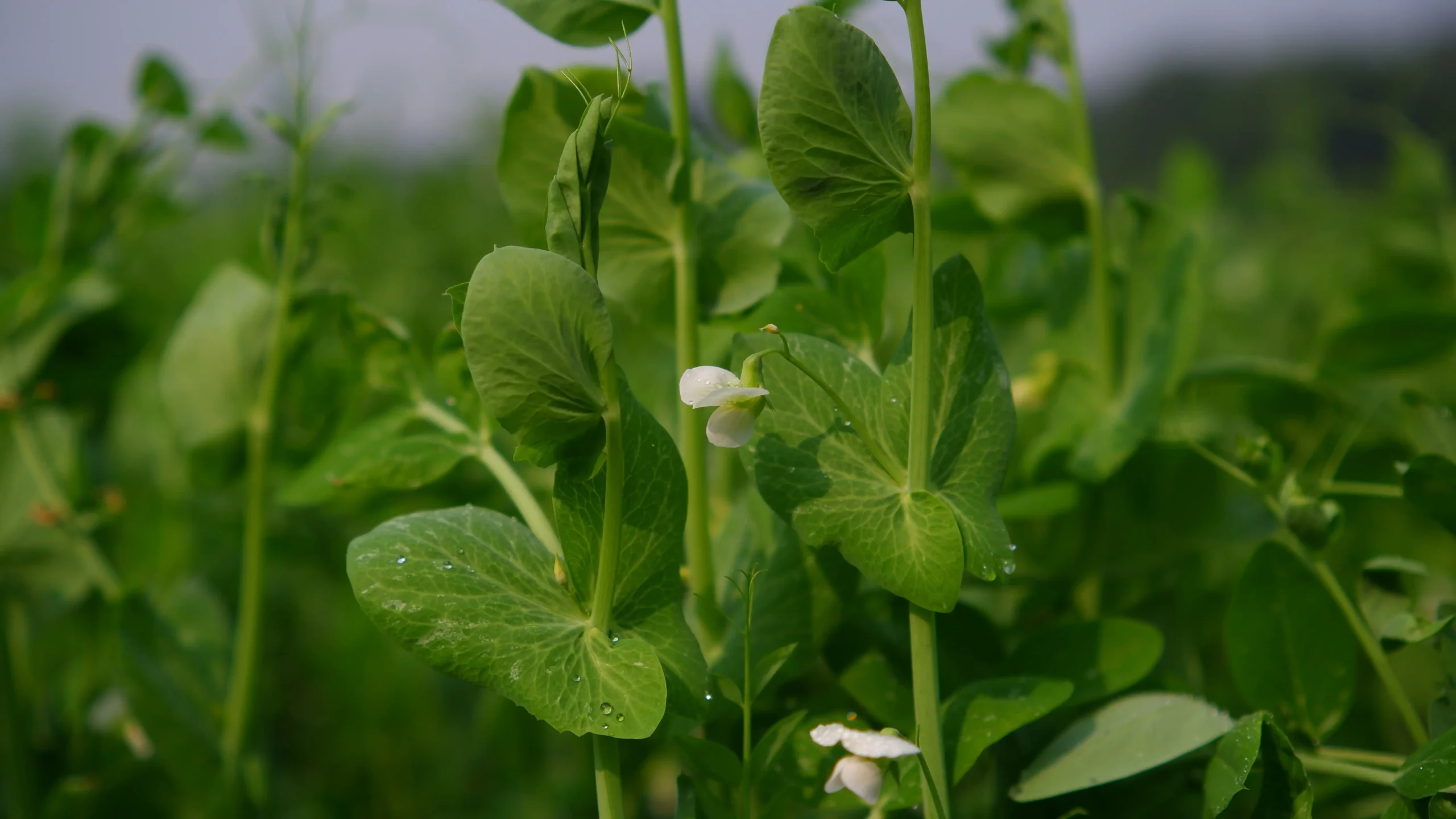
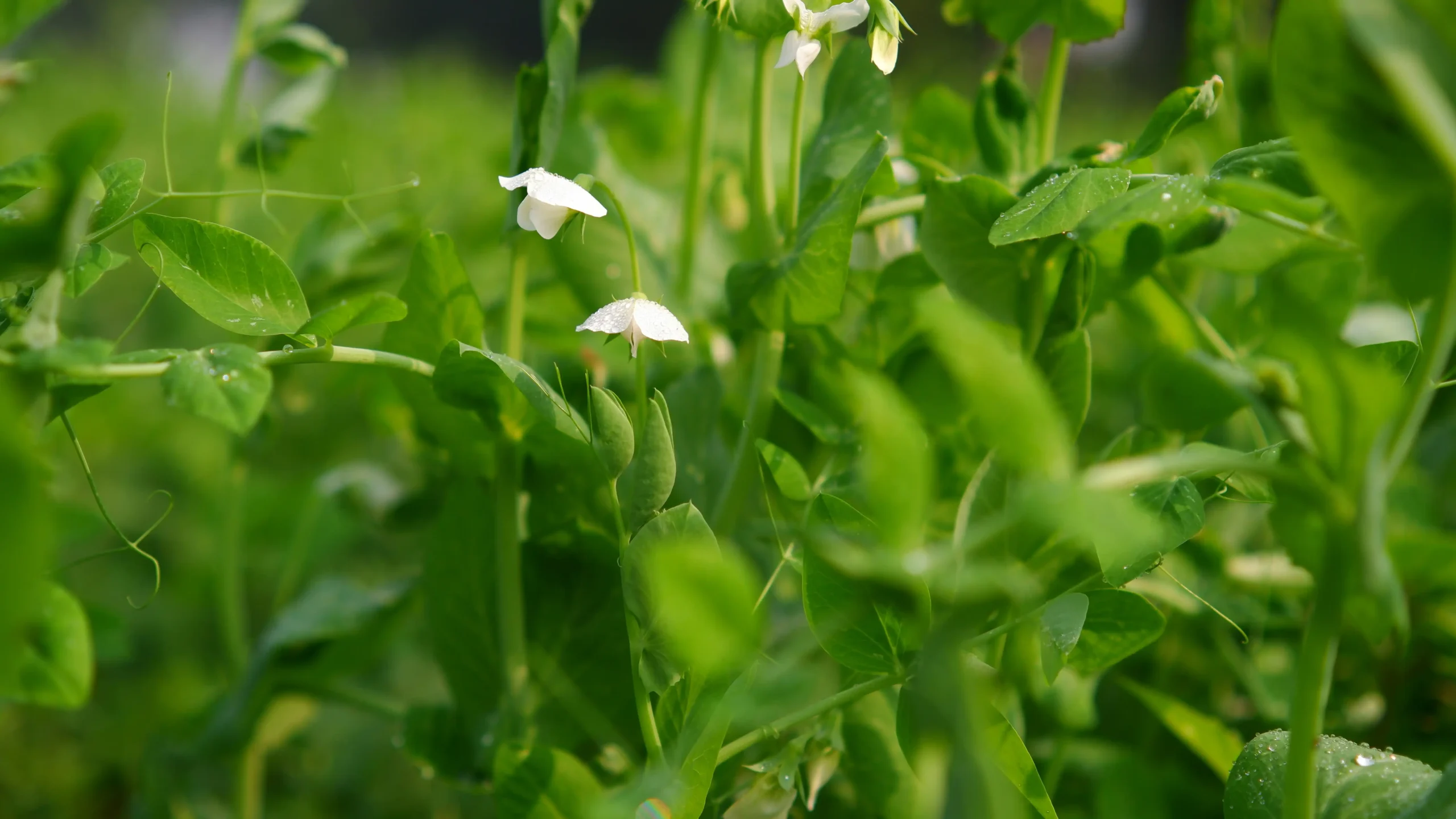
Patio Pride peas are dwarf plants that typically reach about 12 to 18 inches in height. Unlike taller pea varieties that require extensive support systems, these plants remain relatively compact while still producing abundant pods. As the plants mature, tendrils develop and naturally grab onto nearby supports. Small white flowers appear before pods begin forming. These flowers eventually develop into sweet edible peas. Characteristics of healthy plants include:
- Bright green leaves
- Strong stems
- Compact growth
- Numerous tendrils
- Healthy flowering
- Vigorous root system
- Consistent pod production
- Dense foliage
Choosing the Right Container
Container size directly affects root development and productivity. Although Patio Pride peas remain relatively small, they still require enough space for healthy root growth. A wider container often works better than a narrow one because multiple plants can be grown together while maintaining good airflow. When selecting a container:
- Choose a pot 8 to 10 inches deep
- Ensure drainage holes
- Use wide containers
- Allow room for root growth
- Select durable materials
- Avoid shallow pots
Best Soil for Indoor Peas
Healthy roots require loose, fertile, and well draining soil. Heavy soil often remains wet for too long and can lead to poor growth. A quality potting mix enriched with organic matter helps support vigorous growth and pod production. For the best growing medium:
- Use quality potting mix
- Add compost
- Include perlite for drainage
- Maintain loose texture
- Avoid compacted soil
- Ensure proper aeration
Light Requirements
Light is one of the most important factors affecting productivity. Pea plants require significantly more light than many leafy herbs commonly grown indoors. Insufficient light often results in weak growth, fewer flowers, and reduced pod production. For healthy growth:
- Provide 6 to 8 hours of direct sunlight
- Use south facing windows
- Supplement with grow lights
- Rotate containers regularly
- Avoid dark locations
- Monitor plant growth
Temperature Requirements
Unlike many indoor vegetables that thrive in warm conditions, peas prefer cooler temperatures. Excessive heat often reduces flowering and pod production. Maintaining moderate temperatures helps extend the productive period and improves harvest quality. Ideal growing conditions include:
- Temperatures between 55°F and 75°F
- Cool nights
- Good airflow
- Stable indoor conditions
- Protection from heat sources
- Consistent temperatures
Starting Patio Pride Peas From Seed
Growing from seed is the easiest and most reliable method. Peas generally germinate quickly and establish rapidly when provided with adequate moisture. Because seedlings grow fast, many gardeners sow seeds directly into their final containers. For successful germination:
- Sow seeds 1 inch deep
- Water thoroughly after planting
- Keep soil lightly moist
- Provide bright light
- Maintain cool temperatures
- Ensure good airflow
Watering Requirements
Consistent moisture is essential during flowering and pod development. However, overly wet soil can damage roots and reduce productivity. The goal is maintaining evenly moist soil without creating soggy conditions. For proper watering:
- Check soil moisture regularly
- Water when the surface begins drying
- Water deeply when needed
- Avoid waterlogged soil
- Empty drainage trays
- Maintain consistency
Providing Support
Although Patio Pride peas are compact, they still benefit from some form of support. Small trellises, stakes, or mesh structures help keep stems upright and improve airflow. Supporting plants also makes harvesting easier and prevents pods from resting on the soil surface. Suitable supports include:
- Small trellises
- Bamboo stakes
- Garden netting
- Wire supports
- Decorative plant grids
- Indoor climbing frames
Fertilizing for Better Harvests
Peas generally require less fertilizer than many other vegetables because they can naturally work with beneficial bacteria to access nitrogen. Excessive fertilization often results in leafy growth with fewer pods. For successful feeding:
- Use balanced fertilizer
- Feed lightly
- Avoid excess nitrogen
- Apply monthly if needed
- Monitor plant growth
- Support flowering
Pollination Indoors
Unlike some fruiting vegetables, peas are largely self pollinating. However, indoor conditions may reduce natural pollen movement. Gently shaking flowering plants can improve pollination and increase pod production. For successful pollination:
- Shake plants gently
- Improve airflow
- Maintain healthy flowers
- Encourage pollen movement
- Monitor pod formation
Harvesting Patio Pride Peas
Harvesting at the correct stage improves flavor and encourages continued production. Pods are usually sweetest when harvested while still young and tender. Frequent harvesting often stimulates plants to continue producing new pods. For successful harvesting:
- Pick pods regularly
- Harvest before pods become tough
- Use clean hands
- Avoid damaging stems
- Check plants daily
- Encourage continued production
Growing Pea Shoots Indoors
One unique advantage of growing peas indoors is the ability to harvest young shoots. These tender greens are highly nutritious and have a fresh pea flavor. Many gardeners grow additional plants specifically for shoot production. For harvesting shoots:
- Cut young growth carefully
- Harvest before flowering
- Leave growing points intact
- Encourage regrowth
- Use fresh immediately
Common Growing Problems
Most indoor growing issues are related to environmental conditions rather than serious diseases. Identifying problems early improves plant health and productivity. Common issues include:
- Yellow leaves
- Weak stems
- Poor flowering
- Slow growth
- Wilting
- Dropping flowers
- Small pods
- Reduced harvests
Common Indoor Pests
Although indoor cultivation reduces pest pressure, occasional infestations can still occur. Regular inspections help prevent major outbreaks. Common pests include:
- Aphids
- Spider mites
- Thrips
- Whiteflies
- Fungus gnats
Common Mistakes to Avoid
Many gardeners unintentionally reduce harvests through simple care mistakes. Understanding these problems helps maximize productivity. Small adjustments often lead to significant improvements. Common mistakes include:
- Growing in low light
- Overwatering
- Using shallow containers
- Ignoring support structures
- Excessive fertilization
- Allowing heat stress
- Overcrowding plants
- Delaying harvests
Final Thoughts
Patio Pride peas are among the best vegetables for indoor gardeners who want productive plants without needing a large growing area. Their compact size, fast growth, and sweet harvests make them ideal for containers, windowsills, and indoor garden setups.
With bright light, cool temperatures, proper watering, and basic support, these plants can provide a rewarding harvest even in limited spaces. Whether you are new to indoor gardening or looking for a productive container vegetable, Patio Pride peas are an excellent choice for year round growing.
Frequently Asked Questions (FAQs)
Most plants reach about 12 to 18 inches tall, which is much smaller than traditional climbing pea varieties.
Under good growing conditions, plants usually begin producing pods about 55 to 70 days after planting.
Insufficient light, excessive heat, or too much nitrogen fertilizer are the most common reasons.
Yes. Peas are largely self pollinating, although gently shaking flowering plants can improve pod formation.
Yes. Young shoots are edible and have a sweet pea flavor that works well in salads and sandwiches.
Yes. With adequate light and suitable temperatures, they can be grown successfully during winter.
Yes, but refreshing the soil with compost or replacing part of the mix is recommended before planting another crop.
Check plants daily once pod production begins. Frequent harvesting encourages continued production.
Pods left on the plant too long often become tougher and less sweet.
Stress from crowded roots, temperature fluctuations, or inconsistent watering can sometimes trigger earlier flowering.
Yes, but harvest only a small amount of young growth. Excessive shoot harvesting can reduce future pod production.

- Be Respectful
- Stay Relevant
- Stay Positive
- True Feedback
- Encourage Discussion
- Avoid Spamming
- No Fake News
- Don't Copy-Paste
- No Personal Attacks
- Be Respectful
- Stay Relevant
- Stay Positive
- True Feedback
- Encourage Discussion
- Avoid Spamming
- No Fake News
- Don't Copy-Paste
- No Personal Attacks
