Spinach Indoor: The Ultimate Beginner’s Growing Guide
Published: 17 Apr 2026
Growing spinach indoors means you are completely free from the constraints of outdoor seasons, unpredictable weather, soil quality issues, and garden pests.
Spinach is an extremely cold-hardy crop that naturally thrives in cool conditions. This makes it one of the most compatible vegetables for indoor growing environments where temperatures tend to stay moderate year-round.
This complete beginner’s guide covers everything you need to know.
Choosing the Right Spinach Variety for Indoor Growing
Not all spinach varieties perform equally well in indoor conditions. Selecting the right variety from the start makes a significant difference in how productive your indoor crop will be.
- Bloomsdale Long Standing : is a classic, heavily savored variety with deeply crinkled, dark green leaves and excellent bolt resistance. An important quality for indoor growing where light levels and temperature fluctuations can trigger premature bolting.
- Baby Leaf Spinach : Best choice for indoor growing. They are compact, fast-maturing, and can be harvested at a young age. Their smaller size makes them ideal for containers and window boxes.
- Tyee Hybrid : is a vigorous, productive variety with excellent disease resistance and strong bolt tolerance. It produces abundantly even in less-than-perfect light conditions, making it a reliable performer indoors.
- Space Spinach : is specifically bred for compact growing environments. True to its name, it requires less room than standard varieties and produces well in containers. This makes it a natural fit for indoor gardens.
- Regiment Spinach : produces uniform, upright leaves that are easy to harvest and handles indoor growing conditions with minimal fuss. It is a consistently reliable producer and a great choice for beginners.
What You Need to Grow Spinach Indoors:
- Potting mix: Use a high-quality, lightweight potting mix rather than garden soil. Look for a mix that includes compost for nutrition, perlite for drainage, and coco coir or peat moss for moisture retention. For seed starting specifically, a dedicated seed-starting mix gives you the lightest, most sterile environment for germination.
- Spinach seeds: Purchase fresh seeds from a reputable supplier. Spinach seeds have a relatively short viable lifespan of 3 to 5 years. So always check the packet date to ensure you are working with fresh, high-germination seed.
- Grow lights: Unless you have a genuinely bright, south-facing window that receives strong, direct sunlight for at least 6 hours a day. Supplemental grow lighting is essential for indoor spinach. Full-spectrum LED grow lights are the most energy-efficient and effective option. Choose a light that can be adjusted in height as your plants grow.
- Watering can with a fine rose head or a spray bottle: Gentle, even watering is critical for spinach, particularly during the delicate germination and seedling stages.
- Liquid fertilizer: A balanced, water-soluble fertilizer or one slightly higher in nitrogen will support healthy leaf growth throughout the growing cycle.
- Seedling heat mat : While spinach prefers cooler conditions than most vegetables. A heat mat can help maintain the consistent soil temperature. Which supports faster, more uniform germination, particularly during cold winter months when indoor temperatures may drop overnight.
Ideal Indoor Conditions for Growing Spinach:
Spinach is a cool-season leafy green that prefers a slightly cooler and well-balanced indoor environment:
- Day temperature: 15–21°C (59–70°F)
- Night temperature: 10–15°C (50–59°F)
- Light: 10–14 hours per day bright but not too intense
- Humidity: 40–70%
When to Sow Spinach Indoors
One of the greatest advantages of growing spinach indoors is that you can sow seeds at virtually any time of year. However, spinach is a cool-season crop at heart and performs most naturally during autumn, winter, and early spring. When indoor temperatures tend to stay in the cool-to-moderate range that spinach loves.
If your indoor environment stays consistently between 50°F and 65°F (10°C to 18°C), you can grow spinach successfully throughout the entire year.
Germination Timeline
At an indoor temperature of around 60°F (15°C), spinach seeds typically germinate in 7 to 10 days. At slightly warmer temperatures closer to 68°F, germination can occur in as little as 5 to 7 days. As soon as the majority of seedlings have emerged move the container immediately into strong light to prevent legginess.
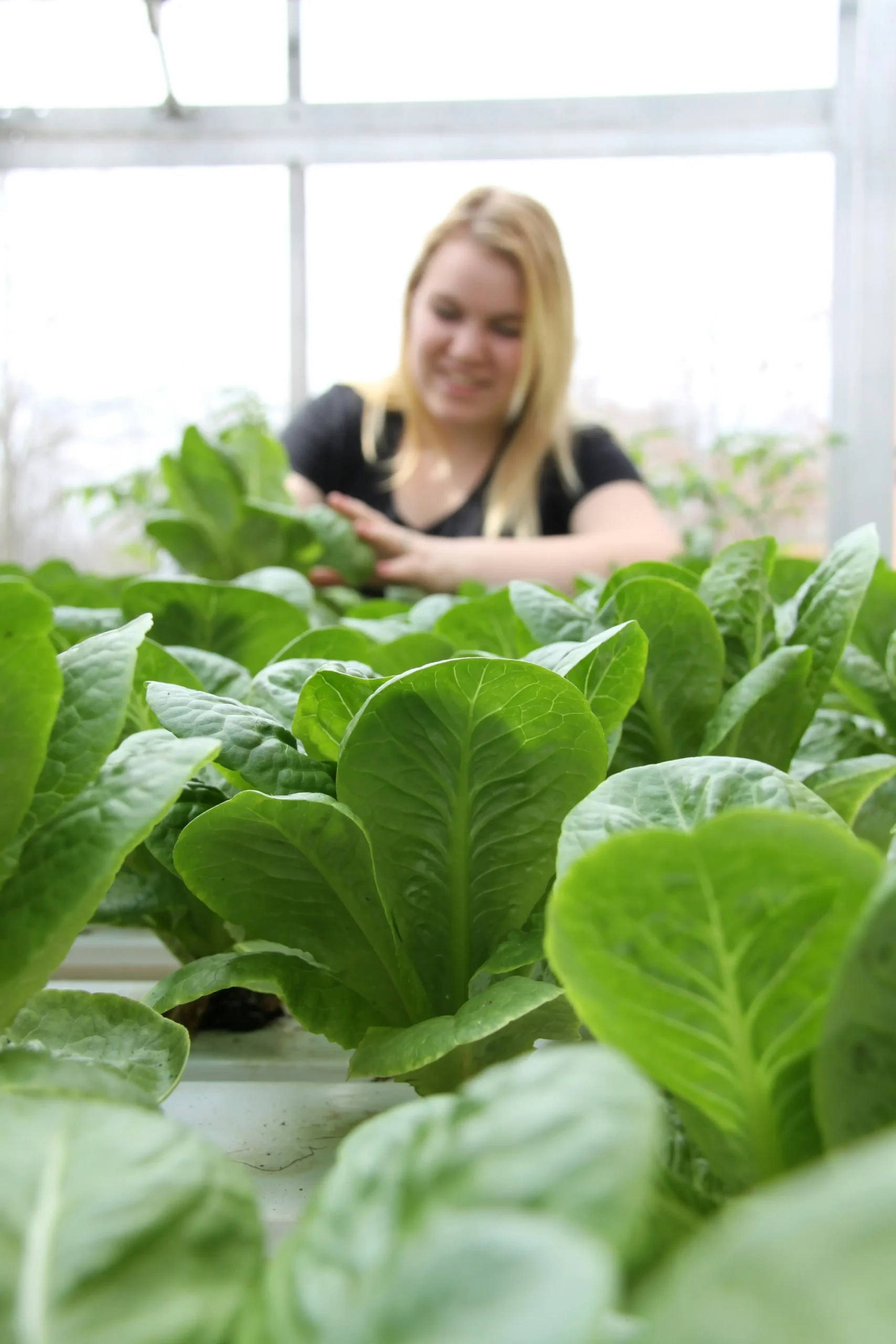
How to Sow Spinach Seeds Indoors
Preparing Your Containers
Begin by filling your chosen containers with pre-moistened potting or seed-starting mix. Leave approximately half an inch of space at the top to allow for watering without overflow. Gently firm the mix down — not so hard that it becomes compact.
Sowing the Seeds
Spinach seeds should be sown at a depth of ¼ to ½ inch (6 to 12mm).
For container growing, you have two effective approaches.
- The first is to sow in shallow rows or furrows spaced about 3 to 4 inches apart across the container. Placing seeds approximately 1 inch apart within each row.
- The second approach is broadcast sowing. Scattering seeds evenly across the entire surface of the container. Which works particularly well for baby leaf harvests where precise spacing is less critical.
After placing your seeds, cover them lightly with a thin layer of potting mix. Press gently to ensure good seed-to-soil contact. Water carefully with a spray bottle or fine-rose watering can to avoid displacing the seeds. Good seed-to-soil contact is essential. It allows the seed to draw moisture evenly from the surrounding mix. Which triggers germination more reliably and uniformly.
Cover the container loosely with a humidity dome. A sheet of clear plastic wrap, or a piece of glass to maintain moisture and warmth around the seeds. During the germination period, place the container in a warm location.
Soil temperature
Soil temperature is the most critical factor. The optimal soil temperature range for spinach germination is 45°F to 68°F (7°C to 20°C). The most important thing to avoid is excess heat germination rates drop drastically when soil temperatures exceed 75°F (24°C).
Moisture consistency
Moisture consistency is equally important. Seeds must have access to even, consistent moisture throughout the entire germination process. Allowing the potting mix to dry out even briefly during this period can interrupt germination mid-process and significantly reduce your final seedling count. Check your containers daily and mist lightly whenever the surface begins to look or feel dry.
Seed viability and age
Seed viability and age directly affect germination rates. Spinach seeds remain reliably viable for 3 to 5 years when stored in a cool, dry, dark location. Beyond this window, germination rates decline noticeably.
Soil compaction
Soil compaction can physically prevent seedlings from pushing through to the surface. Always use a light, airy seed-starting or potting mix and avoid pressing it down too firmly. A gentle press to establish seed-to-soil contact is all that is needed.
Day length sensitivity
Day length sensitivity : Spinach is genetically programmed to begin bolting sending up a flowering stalk when it perceives day length exceeding 12 hours, regardless of temperature. Indoors, this means your grow light schedule matters significantly. Running your grow lights for more than 12 to 14 hours per day can trigger premature bolting. Setting your grow lights on a timer for 10 to 12 hours per day mimics the shorter day lengths of autumn and winter that spinach naturally associates with. Its productive growing season, helping to delay bolting and extend your harvest window considerably.
Care Tips for Indoor Spinach
Thinning
Once your seedlings reach 2 to 4 true leaves, thin them to a final spacing of 2 to 4 inches apart for standard-size spinach. Leave them more densely spaced if harvesting as baby leaf greens. Always thin by snipping seedlings off at soil level with small scissors rather than pulling them out. Which disturbs the roots of surrounding plants.
Fertilizing
Begin fertilizing approximately two weeks after seedlings emerge. Use a balanced liquid fertilizer or one slightly higher in nitrogen diluted to half strength. Nitrogen drives the lush, dark green leaf growth that makes spinach so productive and nutritious.
Apply fertilizer every two weeks throughout the growing cycle. Only increase to full strength once plants are well established.
Avoid over-fertilizing pale, yellowing leaves indicate a need for more nutrition, while dark green, vibrant leaves indicate the plant is well fed.
Air Circulation
Good airflow around your indoor spinach plants helps prevent the buildup of humidity. Humidity encourages fungal diseases. A small oscillating fan set to its lowest setting. Running for a few hours each day, provides sufficient air movement without stressing the plants.
Pest Monitoring
Even indoors, spinach can attract aphids, fungus gnats, and spider mites. Check the undersides of leaves regularly. Treat any infestations promptly with diluted neem oil or insecticidal soap.
Use a high-quality lightweight potting mix containing compost for nutrition, perlite for drainage, and coco coir or peat moss for moisture retention.
Baby Leaf Spinach is the top choice for indoor growing — compact, fast-maturing, and perfect for containers.
Indoor spinach thrives at daytime temperatures of 15–21°C (59–70°F) and night temperatures of 10–15°C (50–59°F).
Yes , you can grow fresh spinach indoors as long as your indoor temperature stays consistently between 10–18°C and you provide 10–14 hours of light daily.
A container at least 6–8 inches deep and wide enough to space plants 2–4 inches apart gives indoor spinach. Shallow containers work surprisingly well for indoor spinach.





- Be Respectful
- Stay Relevant
- Stay Positive
- True Feedback
- Encourage Discussion
- Avoid Spamming
- No Fake News
- Don't Copy-Paste
- No Personal Attacks
- Be Respectful
- Stay Relevant
- Stay Positive
- True Feedback
- Encourage Discussion
- Avoid Spamming
- No Fake News
- Don't Copy-Paste
- No Personal Attacks
