The Bee Balm Growing Secrets Most Gardeners Ignore
Published: 29 Jun 2026
Bee balm is one of the most rewarding flowering perennials you can grow if you want a garden full of color, fragrance, and pollinator activity. When it reaches peak bloom in summer, the garden completely changes. The bright, spiky flowers attract bees, butterflies, and hummingbirds almost nonstop, creating constant movement and life around the plants. Few perennials can match the energy and visual impact this plant brings to a garden.
After years of growing it in different garden setups, one thing becomes clear: this plant grows fast and blooms heavily when planted correctly, but it also exposes gardening mistakes quickly. Poor airflow, overcrowding, heavy soil, and improper watering often lead to mildew, weak stems, and disappointing blooms. The good news is that once you understand what it wants, it becomes a strong and reliable perennial that returns every year with even better performance.
Why Grow Bee Balm?
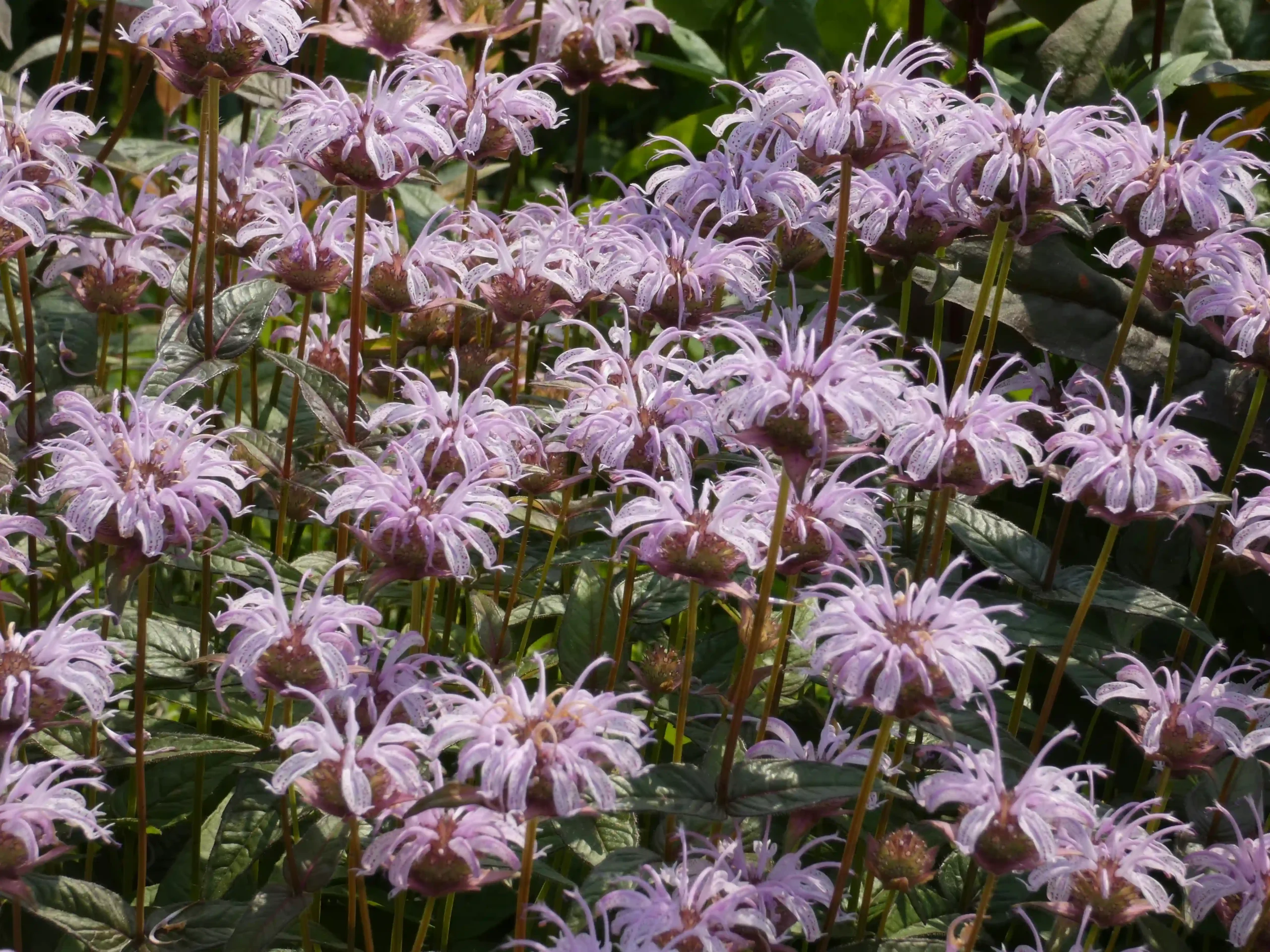
There are many reasons experienced gardeners love bee balm. The most obvious reason is its flowers. The blooms have a unique spiky shape that instantly stands out in garden beds, borders, and pollinator gardens. Colors range from red and pink to lavender and deep magenta, making it easy to pair with many other summer perennials.
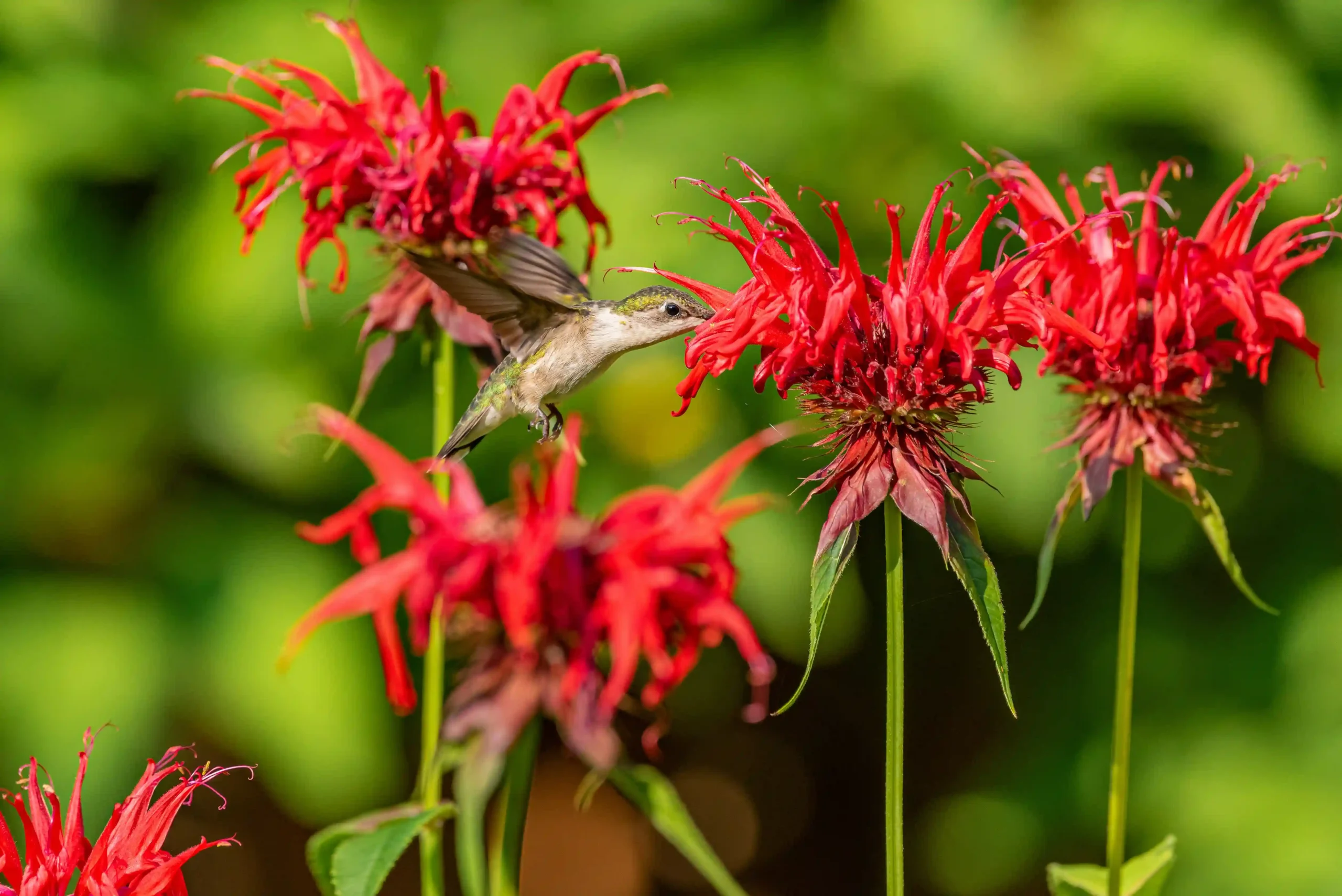
Beyond appearance, this plant is extremely valuable for pollinators. During bloom season, it becomes one of the busiest spots in the garden. Bees are naturally drawn to the nectar rich flowers, butterflies visit regularly, and hummingbirds especially love red varieties. The fragrant foliage is another major advantage. The leaves release a pleasant minty and herbal fragrance when touched or crushed. This makes it attractive not only visually but also aromatically. Benefits include:
- Attracts bees and butterflies
- Brings hummingbirds to the garden
- Produces long lasting blooms
- Adds strong summer color
- Has fragrant foliage
- Excellent for pollinator gardens
Best Varieties to Grow
Choosing the right variety matters more than many beginners realize. Different varieties vary in height, spread, bloom color, disease resistance, and growth habit. Some varieties are vigorous growers ideal for larger spaces, while others stay compact and fit better in smaller gardens.
Jacob Cline is widely considered one of the best red flowering varieties. It grows vigorously, attracts hummingbirds heavily, and has better mildew resistance than many older varieties. This makes it one of the strongest choices for beginners. Raspberry Wine produces rich magenta blooms and offers a dramatic look in perennial borders. It grows strongly and creates excellent visual impact during summer. Petite Delight is perfect for gardeners with limited space. It stays compact, making it easier to manage while still producing beautiful flowers. Best varieties include:
- Jacob Cline
- Raspberry Wine
- Marshall’s Delight
- Petite Delight
- Balmy Pink
- Panorama Red
Best Growing Conditions
Bee balm grows best in environments that balance sunlight, moisture, and airflow. It likes soil that stays moderately moist but drains well. It enjoys sunlight, but intense afternoon heat in very hot climates can create stress.
One important thing to understand is that this perennial spreads through underground rhizomes. Over time, it naturally expands outward and forms larger clumps. This spreading habit is beneficial for fuller growth but also means spacing and location matter greatly. The best growing areas are locations with good air circulation and enough space for expansion. Tight crowded areas almost always create disease problems later.
Ideal growing conditions include:
- Full sun to partial shade
- Rich soil
- Good drainage
- Consistent moisture
- Strong airflow
Light Requirements
Light is one of the biggest factors affecting bloom production and stem strength. In cooler regions, full sun usually produces the best flowering. More sunlight generally means stronger stems, healthier foliage, and more blooms.
In hotter climates, intense afternoon sun can cause stress, especially during peak summer heat. In these areas, morning sun with light afternoon shade often gives better results. Too much shade causes several problems. Plants stretch toward light, stems become weak, blooming decreases, and airflow often becomes poor because surrounding plants create shade and crowding.
Best light conditions:
- 6 to 8 hours sunlight
- Morning sun preferred
- Light afternoon shade in hot climates
Signs of poor lighting:
- Leggy stems
- Weak growth
- Fewer flowers
- Smaller blooms
Soil Requirements
Healthy soil is the foundation for strong growth. Bee balm prefers fertile soil rich in organic matter because nutrient rich soil supports stronger roots and healthier foliage. The ideal soil drains well but still retains enough moisture to prevent drought stress. Heavy clay soil creates root problems because it holds too much water and reduces oxygen around roots. Sandy soil drains too fast and may cause moisture stress.
Improving soil with compost before planting gives excellent results. Compost improves both drainage and moisture retention while also increasing nutrient availability. Best soil conditions:
- Rich organic soil
- Good drainage
- Moisture retention
- Slightly acidic to neutral pH
Watering Requirements
Watering is where many gardeners either overdo or underdo care. Bee balm likes consistent moisture, especially during active growth and bloom development. Dry conditions can reduce flower production and stress the plant quickly.
Deep watering works much better than shallow frequent watering because it encourages deeper root growth. Strong roots improve drought tolerance and overall plant vigor. Mulching around the base is extremely helpful because it helps maintain consistent soil moisture and keeps roots cooler during hot weather. For proper watering:
- Water deeply
- Keep soil evenly moist
- Avoid soggy soil
- Mulch around roots
Spacing Is Critical for Healthy Growth
This is one of the biggest secrets to growing healthy plants. Many beginners plant too close because young plants look small. Within a season or two, they spread and become crowded. Poor spacing leads to poor airflow, and poor airflow leads to powdery mildew. This is the most common issue gardeners face with this perennial. Giving plants enough space improves airflow, reduces disease pressure, and encourages healthier growth.
Recommended spacing:
- 18 to 24 inches for compact varieties
- 24 to 36 inches for larger varieties
Benefits of proper spacing:
- Better airflow
- Reduced mildew risk
- Healthier foliage
- Stronger blooming
Fertilizing for Bigger Blooms
Bee balm is not a heavy feeder. Over fertilizing, especially with high nitrogen fertilizers, often creates lush leafy growth but fewer flowers. This is one of the most common mistakes. The plant may look large and green, but bloom production becomes disappointing.
A layer of compost in spring is usually enough for healthy growth. If needed, a light balanced fertilizer can support flowering without causing excessive foliage growth. For feeding:
- Add compost in spring
- Feed lightly
- Use balanced fertilizer
- Avoid excess nitrogen
Blooming Season
Blooming typically begins in mid to late summer, depending on climate and variety. Healthy plants produce dense clusters of bright flowers that attract pollinators continuously. Flower production depends heavily on sunlight, watering, spacing, and overall plant health. Strong plants with proper care can bloom heavily for weeks. Deadheading spent flowers may encourage additional blooming and improve appearance. Signs of healthy blooming include:
- Bright flowers
- Strong stems
- Healthy foliage
- Heavy pollinator activity
Pruning and Deadheading
Pruning helps improve both appearance and plant health. Removing faded blooms keeps plants looking neat and can extend flowering. Pruning also improves airflow, which reduces mildew risk. At the end of bloom season, cutting plants back helps maintain shape and encourages healthier future growth. For pruning:
- Remove spent blooms
- Cut damaged stems
- Improve airflow
- Cut back after flowering
Dividing Mature Plants
Because bee balm spreads steadily, mature clumps eventually become overcrowded. Overcrowded clumps bloom less and become more prone to disease. Division is one of the best ways to rejuvenate older plants. It improves vigor, reduces crowding, and creates new plants for other garden areas. Early spring and early fall are usually the best times for division. Benefits of division:
- Rejuvenates growth
- Improves blooming
- Reduces crowding
- Creates new plants
Common Problems
Powdery mildew is by far the most common issue. It appears as a white powdery coating on leaves and usually develops when airflow is poor and humidity remains trapped around crowded plants. Other common problems include yellow leaves, wilting, and weak blooming caused by poor growing conditions. Common issues include:
- Powdery mildew
- Yellow leaves
- Wilting
- Weak blooms
- Root stress
Common Pests
This perennial is generally strong, but pests can occasionally appear, especially during hot dry weather. Regular inspection helps catch problems before they spread. Common pests include:
- Aphids
- Spider mites
- Thrips
- Stalk borers
Biggest Mistakes to Avoid
Most problems come from avoidable mistakes. Small corrections often make a huge difference in plant health. Avoid these mistakes:
- Overcrowding
- Poor airflow
- Overwatering
- Heavy shade
- Poor drainage
- Excess fertilizer
Final Thoughts
Bee balm is one of the best flowering perennials for gardeners who want strong summer color and a pollinator friendly landscape. Its vibrant blooms, fragrant foliage, and nonstop pollinator activity make it one of the most rewarding plants in the garden. Give it sunlight, healthy soil, consistent moisture, and good airflow, and it will reward you with vigorous growth and stunning blooms year after year.
Frequently Asked Questions (FAQs)
Powdery mildew usually develops because of poor airflow, overcrowded plants, high humidity, or overhead watering. This is the most common issue gardeners face.
Powdery mildew rarely kills healthy plants, but severe infections weaken growth, reduce blooming, and make foliage unattractive.
Reduced blooming often happens because of overcrowded roots, aging clumps, poor sunlight, nutrient imbalance, or drought stress.
Undivided clumps usually become overcrowded, weaker, and more prone to disease over time.
This plant naturally spreads through underground rhizomes. In ideal conditions, it can expand aggressively.
Yes, removing spent blooms often improves appearance and may encourage additional flowering.
Yes, especially red and bright pink varieties. Hummingbirds are strongly attracted to nectar rich flowers.
Yes, but intense heat can stress plants if soil dries out too quickly. In hot climates, afternoon shade and consistent moisture help significantly.
Plants usually become floppy because of excessive shade, overcrowding, weak stems, or overly rich soil with too much nitrogen.
Bee balm is generally considered safer than many garden plants, but pets should still avoid eating large amounts.

- Be Respectful
- Stay Relevant
- Stay Positive
- True Feedback
- Encourage Discussion
- Avoid Spamming
- No Fake News
- Don't Copy-Paste
- No Personal Attacks
- Be Respectful
- Stay Relevant
- Stay Positive
- True Feedback
- Encourage Discussion
- Avoid Spamming
- No Fake News
- Don't Copy-Paste
- No Personal Attacks
