Grow Indoor Marigolds With Bright and Beautiful Flowers
Published: 4 Jul 2026
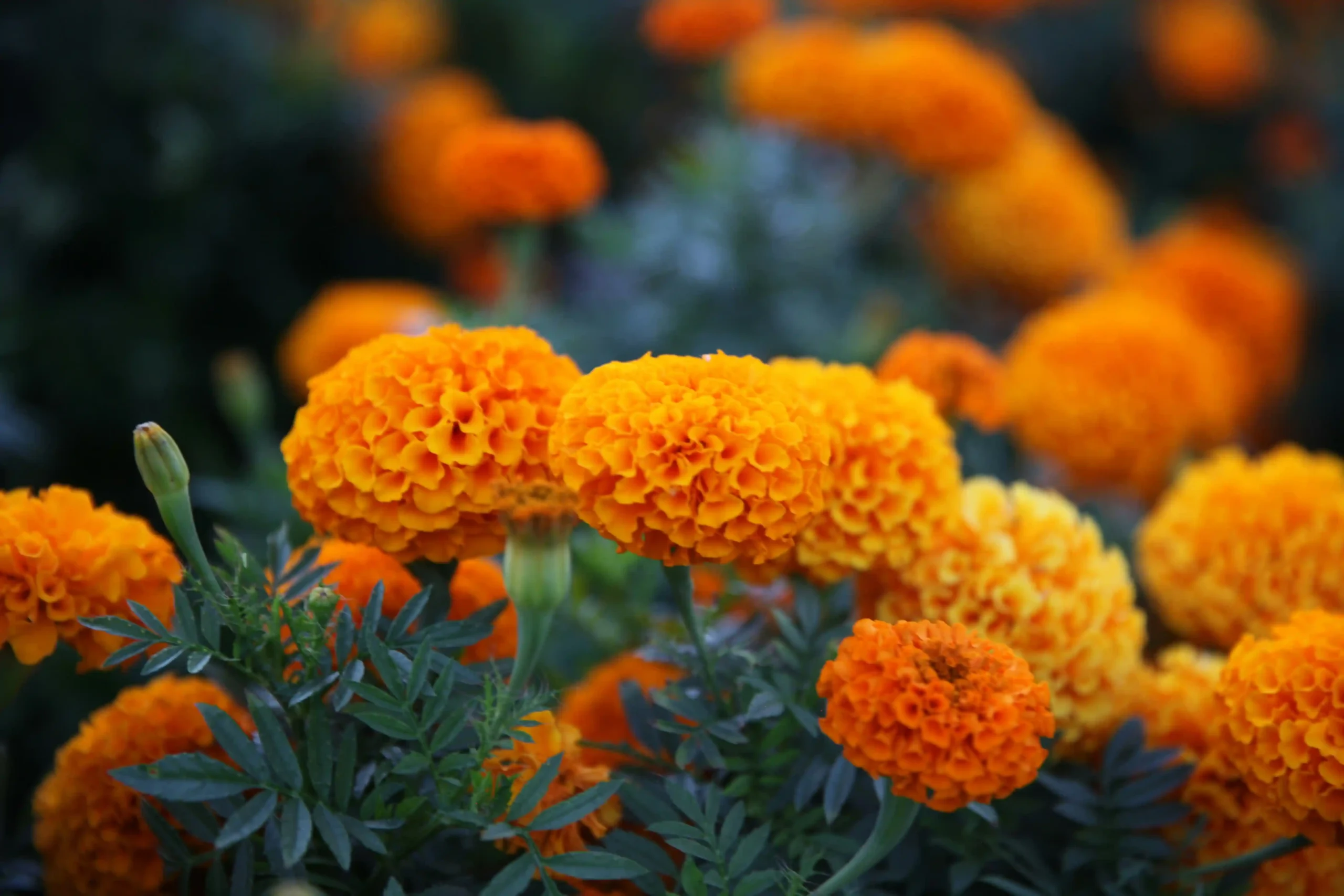
Marigolds are popular flowering plants known for their bright yellow, orange, and golden blooms. They are easy to grow, bloom quickly, and add strong color to indoor spaces. Their cheerful flowers make them a favorite for windowsills, balconies, and sunny indoor spots.
Although they are commonly grown outdoors, they can also grow successfully indoors with the right conditions. The biggest challenge is providing enough light and managing growth so plants stay compact and bloom well.
Choosing the Right Variety of Marigold
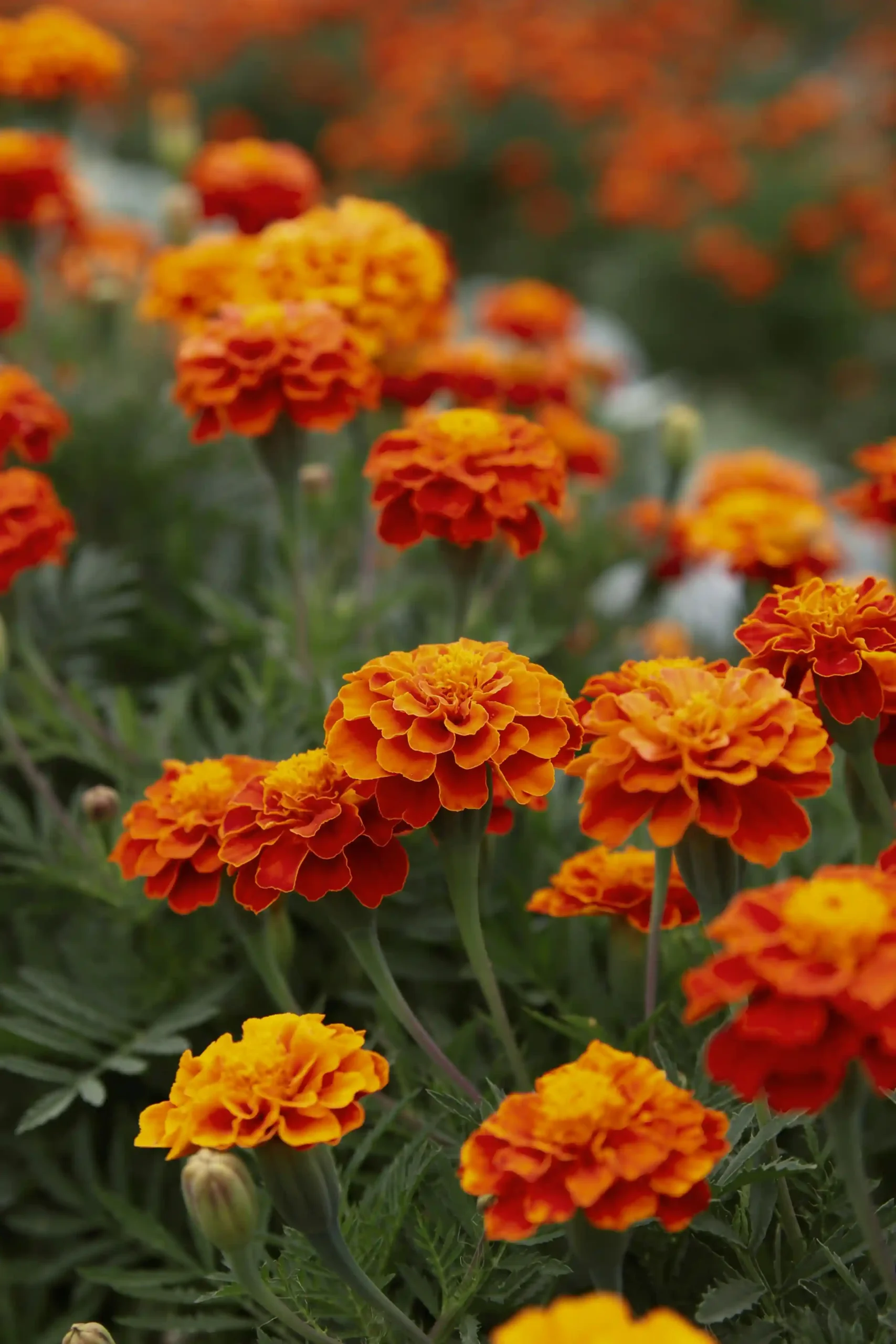
Not all varieties perform equally well indoors. Some types grow too large and become difficult to manage in containers. Compact and dwarf varieties are usually the best choice for indoor growing because they adapt better to pots and smaller spaces. French varieties are often the best option for indoor gardeners because they stay compact and flower heavily. African varieties produce larger flowers but usually need more space and stronger light. Best indoor varieties include:
- French marigolds
- Dwarf marigolds
- Signet marigolds
- Compact hybrid varieties
Benefits of compact varieties:
- Easier indoor care
- Better container growth
- More manageable size
- Better flowering indoors
Growing From Seeds or Nursery Plants
These flowers can be grown from both seeds and nursery plants. Seeds are affordable and easy to start indoors. They germinate quickly under warm conditions and usually sprout within a week. Growing from seed gives better control over plant health from the beginning. Nursery plants offer faster flowering and are a good option for growers who want immediate blooms. Both methods work well indoors if proper growing conditions are provided. Growing from seed offers:
- Lower cost
- More variety options
- Better control from early growth
Nursery plants offer:
- Faster blooms
- Easier beginner setup
- Less waiting time
Soil and Pot Selection
Healthy roots are essential for strong growth and flowering. Root health directly affects flower production, plant size, and overall vigor. These plants prefer loose and well draining soil. Heavy soil holds too much moisture and increases root problems. A balanced potting mix works best for containers. Good soil should provide:
- Drainage
- Root airflow
- Moderate moisture retention
Best soil mix includes:
- Potting mix
- Compost
- Perlite
Pot size also matters. Small pots dry too quickly, while oversized pots can hold too much water. Choose containers with drainage holes to prevent water buildup. Important pot features:
- Drainage holes
- Proper size
- Good airflow
- Stable support
Germination and Early Growth
If growing from seeds, germination is usually quick and easy under the right conditions. Warmth and moisture are the two biggest factors for successful sprouting. Sow seeds in lightly moist soil and cover them with a thin layer of growing medium. Keep the soil slightly moist but never soggy. Place seed trays or pots in a warm bright location. Seeds usually germinate within 5 to 10 days. Once seedlings develop a few true leaves, they can be moved into individual pots. Successful germination needs:
- Warm conditions
- Lightly moist soil
- Good airflow
- Bright location
Light Requirements
This is the most important factor for indoor growing. Unlike many houseplants, marigolds need strong light to grow well and produce flowers. Weak light leads to poor growth, fewer blooms, and leggy stems. They grow best in bright direct sunlight. A sunny window with several hours of sunlight is ideal. South facing windows usually provide the best indoor light. East facing windows can also work well. If natural light is limited, grow lights can make a big difference. Best light conditions:
- Bright direct sunlight
- At least 6 hours of light
- Sunny windows
- Grow lights if needed
Signs of low light:
- Leggy growth
- Weak stems
- Fewer blooms
- Slow growth
Signs of sufficient light:
- Compact growth
- Strong stems
- Healthy foliage
- More flowers
Watering Requirements
Proper watering helps maintain healthy roots and steady flowering. These plants prefer slightly moist soil but do not like soggy roots. Overwatering is one of the most common problems in containers. Allow the top layer of soil to dry slightly before watering again. Water thoroughly until excess drains from the bottom. Plants in bright sunny spots may need more frequent watering because soil dries faster. Best watering practices:
- Check soil before watering
- Water thoroughly
- Let excess water drain
- Avoid soggy soil
Signs of overwatering:
- Yellow leaves
- Soft stems
- Root problems
- Weak growth
Signs of under watering:
- Dry soil
- Wilting
- Drooping leaves
- Slower flowering
Temperature and Humidity
These flowers prefer warm temperatures and average indoor humidity. They do not need high humidity like many tropical plants. Warm stable conditions support stronger growth and better flowering. Cold temperatures can slow growth and reduce blooming. Ideal temperatures:
- 65°F to 80°F
- Warm stable conditions
Avoid exposure to:
- Cold drafts
- Sudden temperature changes
- Very cold rooms
Humidity needs:
- Average indoor humidity works well
- Good airflow helps prevent disease
Fertilizer and Flowering
Healthy growth and frequent blooming require proper nutrition. These plants do not need heavy feeding, but regular fertilizing helps improve flower production. Too much fertilizer can cause excessive leaf growth with fewer flowers. This is a common mistake. Use a balanced fertilizer during active growth. For better flowering, focus on light, healthy roots, and balanced feeding. Best feeding practices:
- Use balanced fertilizer
- Feed every few weeks
- Avoid overfeeding
- Support bloom production
For more flowers:
- Increase light
- Remove old blooms
- Maintain healthy roots
- Feed properly
Pruning and Deadheading
Regular maintenance helps keep plants healthy, compact, and productive. One of the best ways to encourage continuous blooming is deadheading. This means removing old or faded flowers before they start producing seeds. When the plant spends energy making seeds, flower production often slows down. Removing spent blooms encourages new flowers. Light pruning also helps control shape and encourages bushier growth. Good maintenance practices:
- Remove faded flowers
- Trim weak stems
- Remove damaged leaves
- Keep plants compact
Common Problems and Troubleshooting
Most indoor problems are caused by light, watering, or poor airflow. Leggy growth is one of the most common problems indoors. This usually happens because the plant is not getting enough light. Yellow leaves often indicate watering issues, especially overwatering. Poor flowering usually means insufficient light or too much fertilizer. Wilting may happen from both under watering and overwatering, so checking soil is important. Common problems include:
- Leggy growth
- Yellow leaves
- Weak flowering
- Wilting
- Root problems
Common causes include:
- Low light
- Overwatering
- Poor airflow
- Nutrient imbalance
Common Pests
These flowers are fairly resilient, but pests can still appear indoors. Aphids, spider mites, and whiteflies are the most common pests. Plants growing in weak conditions are more likely to attract pest problems. Regular inspection helps catch infestations early. Common pests include:
- Aphids
- Spider mites
- Whiteflies
Signs of pests:
- Sticky leaves
- Tiny insects
- Damaged leaves
- Weak growth
Biggest Mistakes to Avoid
Most indoor growing failures happen because of a few repeated mistakes. The biggest mistake is not providing enough light. Without strong light, plants become weak and flowering declines. Overwatering is another major issue. Poor drainage and soggy soil quickly damage roots. Choosing very large varieties for small indoor spaces can also create problems. Avoid these mistakes:
- Low light
- Overwatering
- Poor drainage
- Overfeeding
- Choosing large varieties
Final Thoughts
Marigolds can grow successfully indoors when their main needs are met. Strong light, balanced watering, healthy roots, and regular deadheading are the keys to success. With proper care, they reward growers with bright flowers, compact growth, and continuous blooms that add color to indoor spaces.
Frequently Asked Questions (FAQs)
Small blooms often happen because of poor light, nutrient imbalance, overcrowding, or restricted root growth.
This is often caused by watering stress, weak light, heat stress, or sudden environmental changes.
This usually means the plant gets enough nutrition for foliage growth but not enough light for blooming.
Check every few days and remove faded flowers regularly to encourage continuous blooming.
This often happens due to weak stems, excess moisture, or fungal problems during early growth.
Most varieties do not need manual pollination for flowering, but seed production may require pollination.
Blooming often slows because of poor light, lack of deadheading, root stress, or nutrient imbalance.
French marigolds and dwarf varieties usually perform best indoors because they stay compact and bloom heavily.
Reduced blooming often happens because of weak light, nutrient imbalance, root crowding, or skipped deadheading.
Yes, marigolds can become root bound in small pots, which may slow growth and reduce flower production.





- Be Respectful
- Stay Relevant
- Stay Positive
- True Feedback
- Encourage Discussion
- Avoid Spamming
- No Fake News
- Don't Copy-Paste
- No Personal Attacks
- Be Respectful
- Stay Relevant
- Stay Positive
- True Feedback
- Encourage Discussion
- Avoid Spamming
- No Fake News
- Don't Copy-Paste
- No Personal Attacks
