How to Grow English Ivy Indoors With Beautiful Cascading Vines
Published: 7 Jul 2026
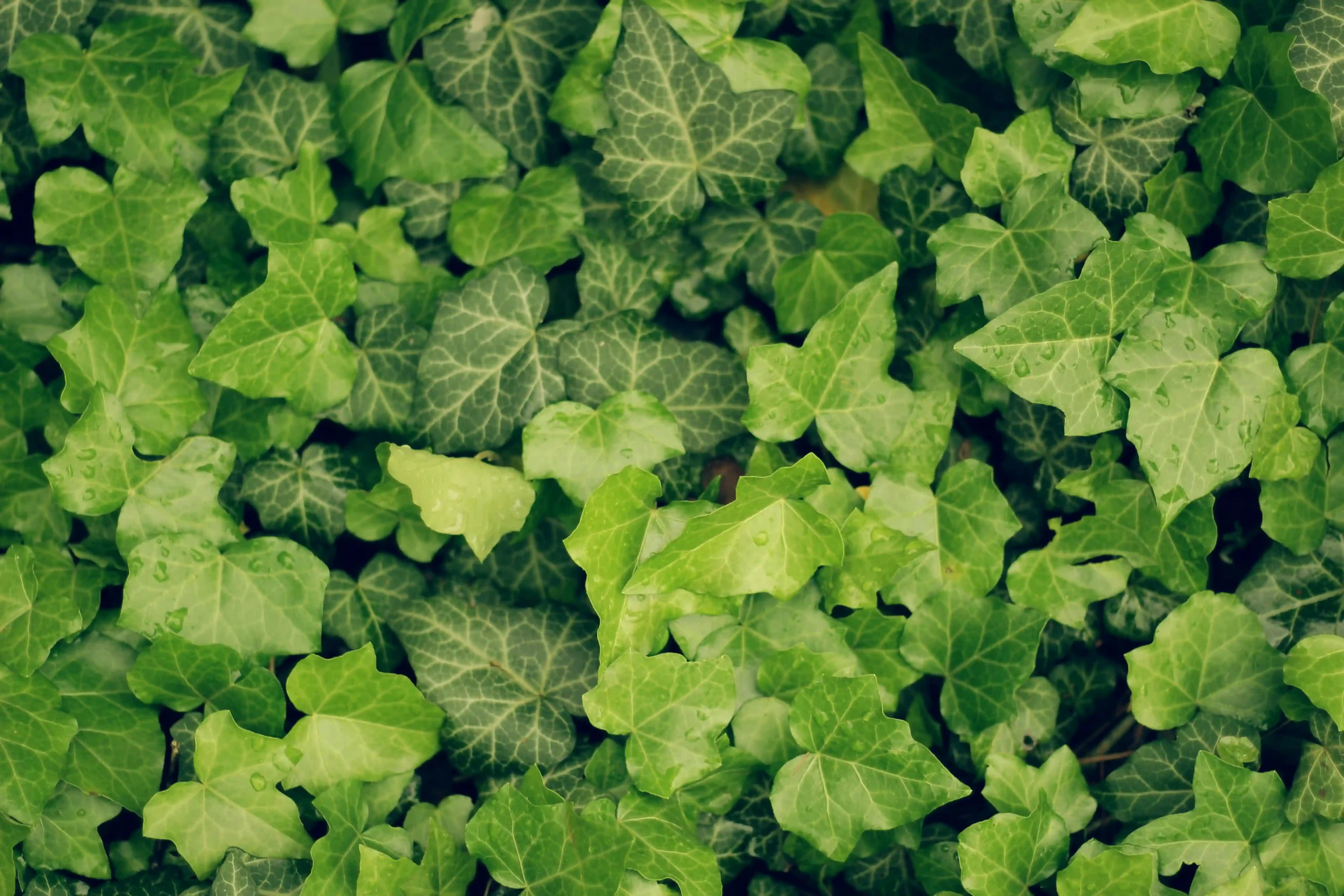
English ivy is one of the most attractive indoor vines, valued for its elegant trailing stems, evergreen foliage, and ability to adapt to containers. Whether displayed in a hanging basket, trained on a trellis, or allowed to cascade from a shelf, it adds year round greenery and texture to any indoor space.
Although it is considered an easy houseplant, many indoor growers struggle with leaf drop, brown foliage, sparse vines, and slow growth. Most of these problems are caused by incorrect light, watering, or environmental conditions rather than the plant itself. Understanding its natural growing habits makes indoor care much easier.
Choose the Right Variety of English Ivy
Many gardeners assume all English ivy varieties grow the same way, but there are hundreds of cultivars with different leaf sizes, colors, and growth habits. Compact cultivars usually adapt better to indoor containers because they produce shorter internodes, fuller growth, and require less pruning. Large vigorous cultivars can quickly outgrow small indoor spaces. Variegated varieties add beautiful contrast to indoor displays but generally require brighter light than solid green types to maintain their leaf patterns. Popular indoor varieties include:
- Needlepoint
- Glacier
- Gold Child
- Eva
- Kolibri
- Anne Marie
Benefits of choosing compact cultivars:
- Fuller appearance
- Easier maintenance
- Better container growth
- Less frequent pruning
- More attractive indoor display
Choosing the Right Pot and Soil
Healthy roots are the foundation of vigorous vines and dense foliage. English ivy prefers loose, well draining soil that allows moisture to reach the roots without remaining constantly wet. Heavy garden soil should never be used indoors because it becomes compacted and limits root oxygen. Containers must always have drainage holes. Even occasional standing water can damage roots and eventually lead to yellow leaves or root rot. Choose a container only slightly larger than the root ball. Very large pots often stay wet much longer than necessary. An ideal growing mix contains:
- High quality potting mix
- Perlite
- Compost
- Pine bark fines
A suitable container should provide:
- Drainage holes
- Stable support
- Good airflow around roots
- Enough room for moderate root growth
Light Requirements
Light is one of the biggest differences between thriving plants and declining ones. English ivy prefers bright indirect light. While it tolerates lower light better than many houseplants, prolonged low light often produces smaller leaves, weak stems, and sparse vines. Variegated cultivars require brighter conditions than solid green varieties because they contain less chlorophyll. Place the plant near an east or north facing window, or slightly away from a bright south or west facing window where direct afternoon sunlight is filtered. If natural light is limited, full spectrum grow lights help maintain healthy foliage. Signs of sufficient light:
- Dense leafy vines
- Strong leaf color
- Compact growth
- Steady new leaves
- Healthy branching
Signs of insufficient light:
- Long bare stems
- Smaller leaves
- Slow growth
- Loss of variegation
- Wide spacing between leaves
Watering Requirements
Proper watering is the most important part of indoor care. Unlike many tropical houseplants, English ivy prefers slightly moist soil but dislikes constantly wet roots. Allow the top inch of soil to dry before watering again. Water deeply until excess moisture drains from the bottom of the container, then empty the drainage tray. Watering frequency changes throughout the year. Active growth during spring and summer usually requires more frequent watering than winter. Good watering habits:
- Check soil before watering
- Water thoroughly
- Empty excess water
- Reduce watering during winter
- Avoid constantly wet soil
Signs of overwatering:
- Yellow leaves
- Soft stems
- Root rot
- Leaf drop
- Slow growth
Signs of underwatering:
- Dry soil
- Brown leaf edges
- Crispy leaves
- Wilting vines
- Slower growth
Temperature and Humidity
English ivy naturally grows in cooler environments than many popular houseplants. It performs best when indoor temperatures remain moderate rather than excessively warm. Very warm rooms can cause faster soil drying, weaker growth, and an increased risk of spider mites. Average household humidity is usually acceptable, but extremely dry air can cause brown leaf edges and reduced growth. Good air circulation also helps prevent fungal diseases while keeping foliage healthy. Ideal growing conditions:
- Temperature between 55°F and 75°F
- Moderate humidity
- Good air circulation
- Bright location away from heat sources
Avoid:
- Heating vents
- Air conditioners blowing directly on the plant
- Hot sunny windows during summer afternoons
- Poorly ventilated rooms
Fertilizer for Healthy Growth
English ivy is not a heavy feeder, but regular nutrition keeps the foliage lush and encourages steady vine growth. Feed every four to six weeks during spring and summer using a balanced liquid fertilizer. Avoid excessive fertilizing because rapid growth often produces weaker stems and softer leaves. Do not fertilize during winter when growth naturally slows. Good feeding practices:
- Feed during active growth
- Use balanced fertilizer
- Water before feeding
- Stop feeding during winter
Signs the plant needs nutrients:
- Pale leaves
- Slower growth
- Small new leaves
- Reduced branching
Climbing or Trailing
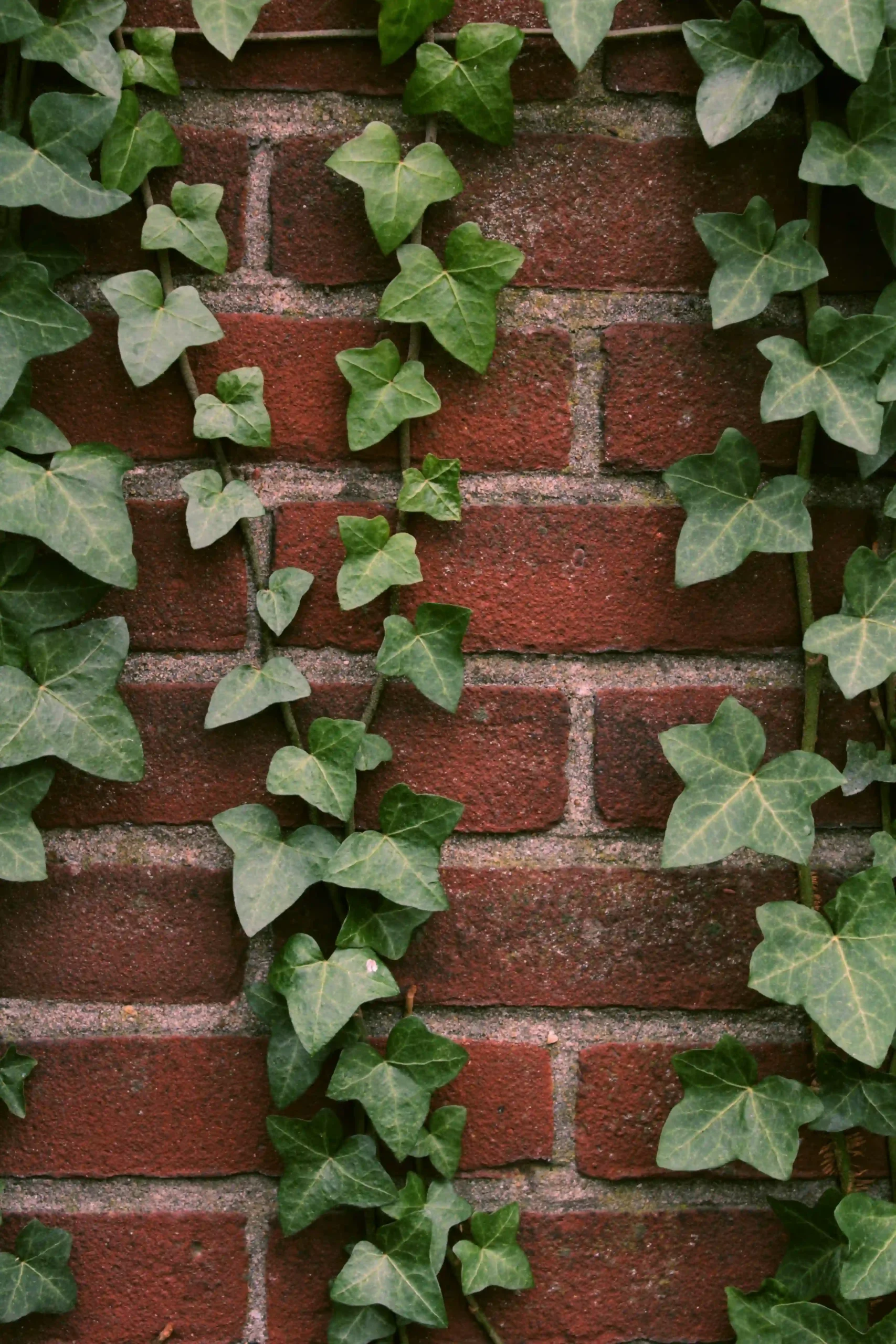
One advantage of English ivy is its versatility. It can be grown as a trailing plant in hanging baskets or trained to climb supports. Trailing plants create elegant cascading vines that work well on shelves and hanging containers. Climbing plants naturally develop stronger stems and often produce larger, healthier leaves because more foliage receives light. Suitable supports include:
- Small trellis
- Moss pole
- Wire frame
- Bamboo stakes
- Decorative wall supports
Benefits of climbing:
- Larger leaves
- Better light exposure
- Stronger stems
- Fuller appearance
- Easier maintenance
Pruning for Fuller Growth
Many indoor plants become sparse because they are never pruned. Without pruning, vines continue growing longer while producing fewer side branches. Regular trimming encourages dormant buds to develop into new shoots, creating a thicker, bushier plant. The best time to prune is during active growth in spring or early summer. Benefits of pruning:
- Fuller vines
- More branches
- Better shape
- Healthier growth
- Easier size control
Propagation
English ivy is one of the easiest houseplants to propagate. Healthy stem cuttings root quickly in either water or moist potting mix. Each cutting should contain at least one node because roots develop from the nodes rather than the leaves. Once roots become well established, transplant the cutting into fresh potting soil. Successful propagation requires:
- Healthy stems
- One or more nodes
- Bright indirect light
- Warm temperatures
- Lightly moist growing medium
Repotting
English ivy grows best when slightly root bound. Repot only when roots completely fill the container or begin emerging from drainage holes. Moving the plant into an oversized container often results in excessive soil moisture and slower top growth. Repot during early spring before vigorous growth begins. Signs it needs repotting:
- Roots growing from drainage holes
- Water draining unusually fast
- Crowded root ball
- Slower growth
- Soil drying very quickly
Common Problems and Troubleshooting
Most indoor English ivy problems develop gradually. Changes in leaf color, vine growth, or foliage density usually indicate that one or more growing conditions need adjustment. Identifying the problem early makes recovery much easier.
Yellow Leaves
Yellow leaves are most commonly caused by excessive watering or poor drainage. Roots that remain constantly wet cannot absorb oxygen properly, eventually causing older leaves to yellow and drop. Possible causes:
- Overwatering
- Poor drainage
- Root rot
- Low temperatures
- Nutrient imbalance
Brown Leaf Edges
Brown edges usually develop when the plant experiences dry conditions or environmental stress. Possible causes:
- Dry indoor air
- Underwatering
- Hot air from heating vents
- Salt buildup from fertilizer
Long, Sparse Vines
Healthy vines should remain leafy from the base to the tips. Long stems with few leaves usually indicate insufficient light. Possible causes:
- Low light
- No pruning
- Excess nitrogen
- Overcrowding
Leaf Drop
Occasional leaf loss is normal, but heavy leaf drop signals stress. Possible causes:
- Sudden temperature changes
- Overwatering
- Underwatering
- Relocating the plant
- Cold drafts
Slow Growth
Growth naturally slows during winter, but poor growth during spring and summer usually indicates environmental problems. Possible causes:
- Low light
- Root bound plant
- Poor nutrition
- Compact soil
- Low temperatures
Common Pests
English ivy is more susceptible to pests than many other indoor plants, especially when grown in warm, dry rooms. Regular inspection helps prevent small infestations from becoming serious problems. Common pests include:
- Spider mites
- Aphids
- Mealybugs
- Scale insects
- Whiteflies
Signs of pest damage:
- Tiny webs
- Sticky leaves
- White cotton like clusters
- Distorted new growth
- Yellow speckled foliage
Seasonal Indoor Care
The plant’s needs change throughout the year, and adjusting your care routine keeps it healthy.
Spring
The growing season begins. During spring:
- Resume fertilizing
- Increase watering gradually
- Prune leggy vines
- Repot if needed
- Begin propagation
Summer
Growth is usually at its fastest. During summer:
- Keep soil evenly moist
- Protect from harsh afternoon sun
- Watch for spider mites
- Feed regularly
Autumn
Growth gradually slows. During autumn:
- Reduce fertilizer
- Water less frequently
- Remove damaged growth
- Prepare for slower winter growth
Winter
Growth becomes minimal. During winter:
- Reduce watering
- Stop fertilizing
- Keep away from heaters
- Maintain bright indirect light
- Monitor humidity
Biggest Mistakes to Avoid
Many indoor ivy plants decline because of a few preventable mistakes rather than difficult care requirements. Avoid these common mistakes:
- Growing in very dark locations
- Keeping the soil constantly wet
- Allowing water to remain in the saucer
- Growing near heating vents
- Never pruning long vines
- Using heavy garden soil
- Over fertilizing
- Ignoring pest infestations
- Choosing an oversized pot
- Allowing vines to become overcrowded
Final Thoughts
English ivy is one of the easiest and most versatile indoor vines when its growing conditions are understood. Bright indirect light, well draining soil, moderate watering, regular pruning, and good air circulation encourage dense foliage and healthy growth. Whether displayed in a hanging basket or trained to climb a trellis, a well cared for plant can remain lush, vibrant, and attractive for many years while bringing lasting greenery to your indoor space.
Frequently Asked Questions (FAQs)
Leaf drop is usually caused by overwatering, sudden temperature changes, low humidity, or moving the plant to a new location. Check the soil moisture and keep the growing conditions consistent.
Smaller leaves can result from low light, nutrient deficiency, root crowding, or a lack of regular pruning.
Pale foliage often indicates insufficient nutrients, poor light, or watering problems.
It grows well both ways. Climbing often produces larger leaves, while trailing creates a cascading display that is ideal for shelves and hanging baskets.
Signs include roots emerging from drainage holes, water running straight through the pot, slower growth, and soil drying much faster than normal.
Variegated varieties may develop greener leaves when grown in insufficient light because the plant produces more chlorophyll to capture available light.
Sticky leaves usually indicate aphids or scale insects, which produce a sugary substance known as honeydew.
Yes. Removing yellow, brown, or damaged leaves improves the plant’s appearance and allows it to focus energy on healthy new growth.
With proper care, English ivy can remain healthy indoors for many years, making it one of the longest-lived foliage houseplants.
Rapid drying can be caused by a root-bound plant, a pot that is too small, warm indoor temperatures, or low humidity.



- Be Respectful
- Stay Relevant
- Stay Positive
- True Feedback
- Encourage Discussion
- Avoid Spamming
- No Fake News
- Don't Copy-Paste
- No Personal Attacks
- Be Respectful
- Stay Relevant
- Stay Positive
- True Feedback
- Encourage Discussion
- Avoid Spamming
- No Fake News
- Don't Copy-Paste
- No Personal Attacks
