Different Types of Ferns Indoor That Instantly Make Your Home Lush
Published: 17 Apr 2026
Ferns are one of the most beautiful and calming plants you can grow indoors. Their soft green leaves and natural texture can instantly make any space feel fresh and lively. These plants are especially popular because many of them thrive in indoor conditions where light is indirect and humidity is higher.
In this detailed guide, you will learn about different types of indoor ferns, their unique features, and how to choose the right one for your home.
Why Ferns Are Perfect for Indoor Gardening
Ferns are widely used in indoor gardening because they are adaptable and visually appealing. They fit well in homes, offices, and small apartments. Here are some reasons why ferns are ideal indoor plants:
• They grow well in low to medium light
• They add a lush and natural look to any space
• Many varieties are beginner friendly
• They help improve indoor air quality
• They are suitable for pots and hanging baskets
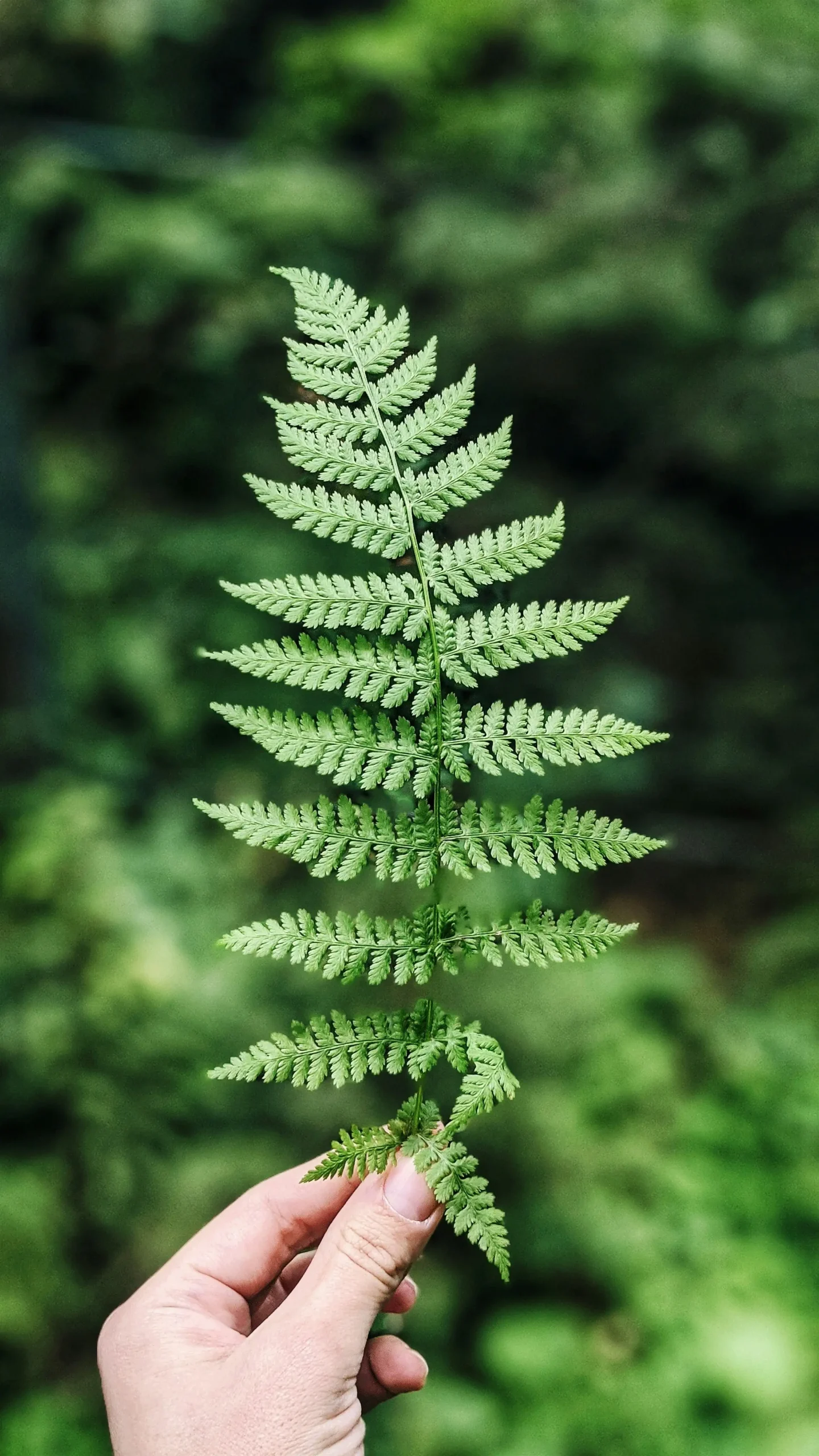
Boston Fern
The Boston Fern is one of the most popular indoor ferns. It is known for its long, arching fronds that create a full and bushy appearance.
This fern is often placed in hanging baskets or decorative pots to highlight its flowing leaves. It grows best in bright indirect light and needs consistent moisture. Regular misting helps maintain the humidity it loves.
Maidenhair Fern
The Maidenhair Fern is admired for its delicate and elegant look. It has soft, fan shaped leaves attached to thin black stems.
This fern is more sensitive than others and requires steady care. It needs constant moisture and high humidity. Even a short period of dryness can cause its leaves to wilt, so it is best placed in a humid area like a bathroom or near a humidifier.
Bird’s Nest Fern
The Bird’s Nest Fern has a very different look compared to traditional ferns. Its leaves are wide, smooth, and grow from the center in a rosette shape.
It is easier to care for and can tolerate lower humidity levels. This makes it a great option for beginners. It prefers medium to low indirect light and gentle watering. Avoid pouring water into the center of the plant.
Staghorn Fern
The Staghorn Fern is one of the most unique indoor plants. Its leaves resemble deer antlers, giving it a bold and artistic appearance.
This fern is usually mounted on wood instead of being planted in soil. It absorbs moisture through its roots and leaves. It needs bright indirect light and should be soaked in water occasionally rather than watered daily.
Kimberly Queen Fern
The Kimberly Queen Fern is known for its upright and structured growth. Unlike the Boston fern, its leaves grow more straight and compact.
It is more tolerant of dry conditions, making it easier to maintain. It grows well in indirect light and requires moderate watering. This fern is perfect for tabletops and floor planters.
Rabbit’s Foot Fern
The Rabbit’s Foot Fern stands out because of its fuzzy rhizomes that grow over the edges of the pot. These look like small rabbit feet and give the plant a unique appearance.
It prefers indirect light and moderate humidity. The soil should be kept slightly moist, but overwatering should be avoided. Make sure the fuzzy rhizomes stay above the soil.
Asparagus Fern
The Asparagus Fern is not a true fern but is often grouped with ferns due to its similar look. It has soft, feathery foliage that adds a light texture to indoor spaces.
It is more durable than many true ferns and can tolerate a wider range of conditions. It prefers bright indirect light and regular watering, with slight drying between watering sessions.
Blue Star Fern
The Blue Star Fern is known for its unusual bluish green leaves. Its fronds have a slightly wavy and modern appearance.
This fern is low maintenance and can handle some neglect. It grows well in indirect light and average humidity, making it ideal for beginners or busy plant owners.
Holly Fern
The Holly Fern has thick, glossy leaves that resemble holly leaves. It has a bold and structured look compared to softer ferns.
It is one of the toughest indoor ferns and can tolerate lower light and less humidity. It is a great choice for those who want a low maintenance plant.
How to Choose the Right Fern for Your Home
Choosing the right fern depends on your indoor conditions and how much care you can provide. Some ferns need more attention, while others are easier to manage. Here are some factors to consider before selecting a fern:
• Check how much natural light your space gets
• Consider the humidity level in your home
• Choose beginner friendly ferns if you are new
• Think about the size and placement of the plant
• Decide whether you want a hanging or potted plant
Common Problems with Indoor Ferns
Ferns can sometimes face issues if their growing conditions are not ideal. Understanding these problems can help you take quick action. Here are some common problems you may notice:
• Brown leaf tips due to low humidity
• Yellow leaves caused by overwatering
• Dry and crispy leaves from lack of water
• Slow growth due to insufficient light
• Leaf drop caused by sudden temperature changes
Final Thoughts
Different types of ferns offer a wide variety of textures, shapes, and styles for indoor gardening. Whether you prefer delicate leaves or bold foliage, there is a fern that suits your taste. By understanding the needs of each type and providing the right care, you can enjoy healthy and thriving ferns that make your indoor space feel more natural and refreshing.
Brown leaf tips are usually caused by low humidity or dry air.
Most indoor ferns are safe, but it is always good to check if you have pets or specific concerns.
Leaf drop can be caused by sudden temperature changes, underwatering, or low humidity.
Yes, ferns like Boston fern and Staghorn fern grow beautifully in hanging baskets or mounted displays.
Yes, but only lightly. Feeding once a month during the growing season is usually enough.


- Be Respectful
- Stay Relevant
- Stay Positive
- True Feedback
- Encourage Discussion
- Avoid Spamming
- No Fake News
- Don't Copy-Paste
- No Personal Attacks
- Be Respectful
- Stay Relevant
- Stay Positive
- True Feedback
- Encourage Discussion
- Avoid Spamming
- No Fake News
- Don't Copy-Paste
- No Personal Attacks
