How to Grow Kale Indoors: A Complete Guide for Fresh Greens Year Round
Published: 28 Apr 2026
Growing kale indoors is one of the smartest ways to keep a continuous supply of fresh, healthy greens without depending on outdoor space or seasonal changes. Kale is naturally hardy, adapts well to containers, and keeps producing leaves even after repeated harvesting. This makes it ideal for indoor gardening, especially if you want something reliable and productive.
What makes kale stand out is its ability to grow in cooler conditions and its “cut and come again” nature. Instead of harvesting once and removing the plant, you can keep picking leaves over time while the plant continues to grow. When you combine this with a controlled indoor setup, you get a plant that is not only easy to grow but also highly rewarding.
Why Growing Kale Indoors Is a Smart Choice
Indoor gardening gives you control over the environment, which means fewer surprises and more consistent results. With kale, this control becomes even more valuable because the plant responds very well to stable conditions. Understanding these benefits helps you see why kale is one of the top choices for indoor growers.
- You can grow kale all year without worrying about seasons
- Fresh, chemical free leaves are always available at home
- Indoor plants face fewer pests and diseases
- Perfect for small spaces like kitchens or apartments
- One plant can provide multiple harvests over time
Choosing the Best Kale Variety for Indoors
Not all kale varieties perform the same in indoor conditions. Some grow too large and spread out, which makes them harder to manage in limited space. Choosing the right variety ensures better growth and easier care. A good variety will stay manageable and focus on producing leaves rather than struggling for space.
- Dwarf or compact varieties that fit well in containers
- Curly kale which grows quickly and is easy to harvest
- Baby kale varieties for faster results
- Lacinato kale which adapts well to indoor environments
- Slow bolting varieties that extend the growing period
Creating the Ideal Indoor Growing Setup
Indoor success is not about luck, it is about creating the right environment. Since your plant cannot rely on natural outdoor conditions, you need to provide everything it needs in a balanced way. A stable setup allows the plant to grow without stress and improves both quality and yield.
- Place your plant near a bright window with consistent light
- Use grow lights if natural sunlight is not strong enough
- Keep the plant in a location with stable temperature
- Ensure there is some airflow to prevent moisture buildup
- Avoid moving the plant too often once it starts growing
Choosing the Right Container and Soil
Kale roots prefer space to spread rather than grow very deep, so choosing the right container is important. The soil must also support both moisture retention and drainage to keep roots healthy. A well prepared container setup helps the plant grow faster and reduces common problems.
- Use containers that are 6 to 8 inches deep and reasonably wide
- Ensure proper drainage holes to prevent water buildup
- Use a high quality potting mix instead of garden soil
- Add compost to provide steady nutrients
- Mix in perlite or similar material for better drainage
Planting Kale Seeds the Right Way
Planting is simple, but doing it correctly improves germination and early growth. Seeds need the right depth, spacing, and moisture to sprout properly. Strong seedlings lead to a stronger and more productive plant later.
- Sow seeds about half an inch deep in the soil
- Leave space between seeds to avoid overcrowding
- Water lightly after planting to settle the soil
- Keep soil slightly moist until seedlings appear
- Expect germination within 5 to 10 days
Light Requirements: The Most Important Factor
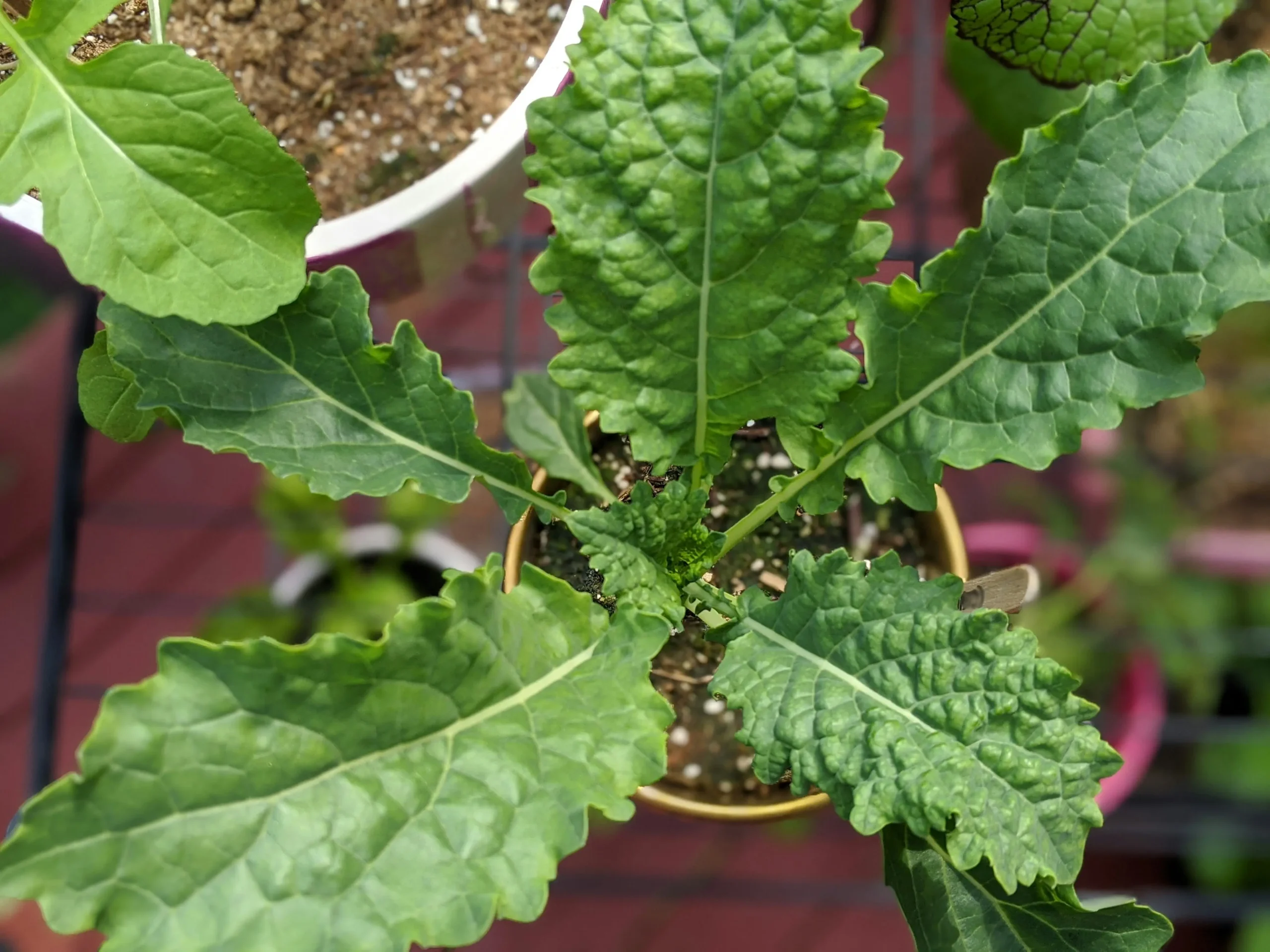
Light is the single most important factor for growing kale indoors successfully. Without enough light, the plant becomes weak, stretched, and less productive. Providing consistent light helps the plant develop thick, healthy leaves and maintain steady growth.
- Provide at least 5 to 7 hours of good light daily
- Use grow lights to extend light exposure if needed
- Keep lights close enough to prevent weak growth
- Rotate the plant regularly for even development
- Watch for pale or leggy growth as a sign of low light
Watering and Moisture Balance
Kale prefers evenly moist soil, but it does not tolerate waterlogged conditions. The goal is to maintain a balance where the roots receive enough moisture without being overwhelmed. Consistent watering supports healthy leaf production and prevents stress.
- Water when the top layer of soil feels dry
- Avoid letting the soil dry out completely
- Ensure excess water drains out properly
- Reduce watering slightly in cooler conditions
- Keep a regular watering routine instead of random watering
Temperature and Indoor Conditions
Kale naturally prefers cooler temperatures, which makes it very suitable for indoor environments. High heat can cause the plant to grow poorly or bolt early. Maintaining a stable environment helps extend the plant’s productive life.
- Keep temperatures between 15 to 24 degrees Celsius
- Avoid placing the plant near heat sources
- Protect it from sudden temperature changes
- Ensure gentle airflow around the plant
- Keep humidity balanced, not too high or too low
Feeding and Nutrient Management
Since kale is grown in containers, nutrients in the soil get used up over time. Providing additional nutrients helps maintain steady growth and healthy leaves. Feeding should be balanced to avoid overgrowth or weak plants.
- Use a balanced liquid fertilizer every few weeks
- Focus on nutrients that support leaf growth
- Avoid excessive feeding that leads to weak stems
- Use organic options like compost tea if possible
- Adjust feeding based on plant condition
Thinning, Pruning, and Plant Care
As seedlings grow, they may become crowded. Thinning helps each plant get enough space, light, and nutrients to grow properly. Regular care improves plant health and productivity.
- Remove weaker seedlings early
- Maintain proper spacing between plants
- Trim yellow or damaged leaves regularly
- Keep the plant open for better airflow
- Avoid overcrowding in containers
Understanding Growth Timeline
Knowing what to expect helps you stay patient and confident during the growing process. Kale grows at a steady pace and rewards consistency. Having a timeline makes it easier to track progress.
- Seeds germinate within 5 to 10 days
- Leaves become harvest ready in about 4 to 6 weeks
- Full growth occurs within 50 to 70 days
- Continuous harvesting can extend the plant’s life
Common Problems and How to Fix Them
Even though kale is easy to grow, small issues can still appear. These are usually caused by imbalances in light, water, or nutrients. Understanding these problems helps you fix them quickly and keep your plant healthy.
- Yellow leaves caused by overwatering or poor drainage
- Weak or leggy growth due to insufficient light
- Slow growth is due to lack of nutrients
- Wilting due to inconsistent watering
- Poor leaf quality due to weak soil
Harvesting Kale for Continuous Growth
Harvesting kale correctly is what makes it such a valuable indoor plant. Instead of removing the entire plant, you harvest leaves in a way that encourages new growth. This method keeps the plant productive for a long time.
- Start harvesting when leaves reach a usable size
- Pick outer leaves first and leave the center intact
- Harvest regularly to encourage new leaves
- Use clean tools for cutting
- Avoid removing too many leaves at once
Final Thoughts
Growing kale indoors is not just simple, it is highly practical and rewarding. With the right setup and consistent care, you can enjoy fresh, nutrient rich greens throughout the year without needing a garden.
Once you understand how to manage light, water, and temperature, kale becomes one of the easiest plants to grow indoors. It offers continuous harvest, requires minimal effort, and fits perfectly into small living spaces, making it an excellent choice for anyone interested in indoor gardening.
Yellow leaves are usually caused by overwatering, poor drainage, or nutrient imbalance in the soil.
Harvest outer leaves first and leave the center intact so the plant continues to grow and produce more leaves.
Yes, kale grows relatively quickly and starts producing harvestable leaves within a few weeks.
Provide enough light, consistent watering, and proper nutrients to encourage larger leaf growth.
With proper care, a kale plant can continue producing leaves for several weeks or even months.



- Be Respectful
- Stay Relevant
- Stay Positive
- True Feedback
- Encourage Discussion
- Avoid Spamming
- No Fake News
- Don't Copy-Paste
- No Personal Attacks
- Be Respectful
- Stay Relevant
- Stay Positive
- True Feedback
- Encourage Discussion
- Avoid Spamming
- No Fake News
- Don't Copy-Paste
- No Personal Attacks
