Grow Begonias Indoor: Secrets to Healthy and Vibrant Plants
Published: 9 May 2026
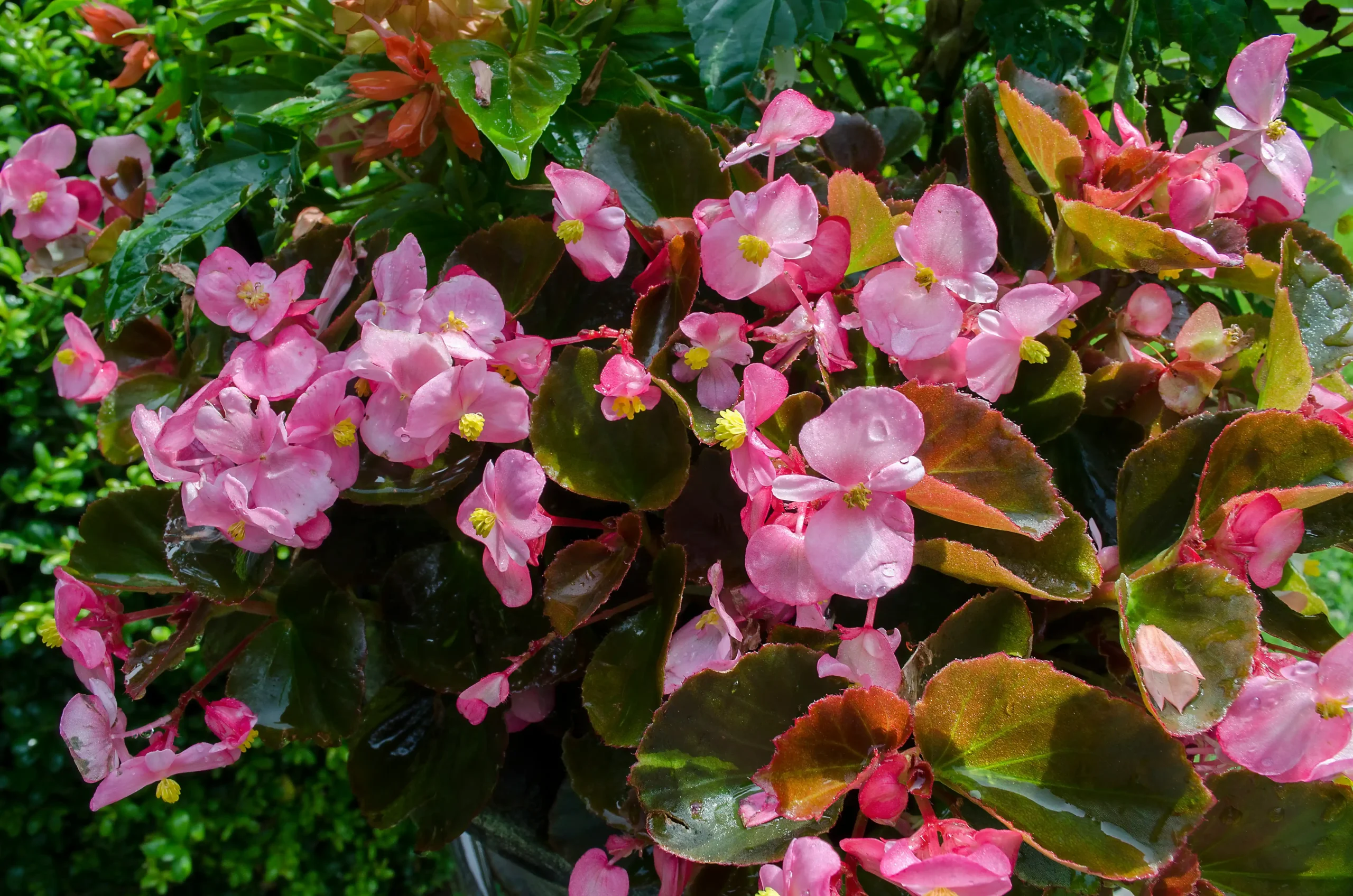
Growing Begonia indoors is a great way to add color, texture, and life to your home. Begonias are loved for their striking leaves and delicate flowers, and many varieties adapt beautifully to indoor conditions. Whether you are growing them for foliage or blooms, they can thrive with the right care.
What makes begonias special is their variety. Some are grown for bold patterned leaves, while others produce beautiful flowers. Despite their differences, most indoor begonias share similar care needs, especially when it comes to light, watering, and humidity.
Understanding Begonias Indoors
Begonias are generally divided into types such as fibrous, rhizomatous, and tuberous. Each type has slightly different growth habits, but indoors they all benefit from a stable environment.
They prefer conditions that are bright, warm, and slightly humid. Unlike tougher houseplants, begonias are sensitive to overwatering and poor airflow, so balance is key to keeping them healthy.
Light Requirements
Light plays a big role in how well begonias grow indoors. They need enough light to maintain strong leaves and, in some cases, produce flowers, but direct sunlight can be too harsh. Providing the right light helps prevent weak growth and leaf damage.
- Place near a bright window with indirect light
- Allow gentle morning sunlight if possible
- Avoid strong afternoon sun
- Rotate the plant regularly
- Use grow lights if natural light is limited
Watering and Moisture Balance
Begonias prefer slightly moist soil but are very sensitive to overwatering. Too much water can quickly lead to root rot, especially in indoor conditions. Keeping a steady watering routine helps maintain healthy roots.
- Water when the top layer of soil feels dry
- Avoid letting the soil stay soggy
- Ensure excess water drains out
- Reduce watering during slower growth periods
- Avoid wetting the leaves excessively
Choosing the Right Soil
The soil you use affects how well your begonia grows. It needs to hold some moisture while still allowing good drainage. A well-balanced mix supports healthy roots and prevents common issues.
- Use a light, well-draining potting mix
- Add perlite for better airflow
- Avoid heavy or compact soil
- Use containers with drainage holes
- Refresh soil when it becomes dense
Temperature and Indoor Conditions
Begonias grow best in a stable indoor environment. Sudden temperature changes can stress the plant and affect growth. Keeping conditions consistent helps the plant stay healthy.
- Maintain temperatures between 18 to 26 degrees Celsius
- Avoid cold drafts and sudden changes
- Keep away from heaters and air conditioners
- Provide gentle airflow
- Choose a stable location
Humidity Needs
Begonias enjoy higher humidity than many houseplants. Dry indoor air can cause leaf edges to brown or curl. Increasing humidity slightly can improve plant health and appearance.
- Maintain moderate to high humidity
- Use a humidity tray if needed
- Group plants together
- Avoid very dry environments
- Keep leaves clean for better function
Feeding and Fertilizing
Begonias benefit from regular feeding during their active growing period. Nutrients help support both leaf growth and flowering. Balanced feeding keeps the plant strong.
- Use a balanced liquid fertilizer every few weeks
- Feed during active growth
- Avoid over-fertilizing
- Reduce feeding in winter
- Adjust based on plant condition
Pruning and Maintenance
Regular care helps keep begonias looking neat and encourages new growth. Removing unhealthy parts allows the plant to focus its energy better. Simple maintenance can make a big difference.
- Remove dead or damaged leaves
- Trim leggy growth
- Pinch tips to encourage bushiness
- Clean leaves to remove dust
- Avoid overcrowding
Common Problems and Solutions
Begonias can show signs of stress if conditions are not ideal. Most issues are related to watering, light, or humidity. Recognizing problems early helps prevent damage.
- Yellow leaves caused by overwatering
- Brown edges due to low humidity
- Leggy growth from insufficient light
- Drooping due to watering imbalance
- Root rot from poor drainage
Encouraging Growth and Blooming
Healthy begonias grow steadily and may produce flowers depending on the variety. Good care supports both foliage and blooms. Focusing on the right factors improves results.
- Provide consistent light
- Maintain proper watering
- Feed regularly during growth
- Keep humidity balanced
- Avoid sudden changes
Final Thoughts
Growing begonias indoors is a rewarding experience once you understand their needs. They are not difficult, but they do require a bit of attention to detail.
With the right balance of light, water, and humidity, begonias can thrive indoors and become one of the most beautiful plants in your collection, adding color and life to your space.
Yes, begonias are very easy to propagate using stem or leaf cuttings.
Not always, only when they outgrow their pot or the soil becomes compacted.
Sudden leaf drop is often caused by stress, temperature changes, or watering issues.
Yes, especially trailing varieties, which look great in hanging containers.
Keep them in a cool, dry place until the next growing season.
They can root in water temporarily, but long-term growth requires soil.
Pinching the tips regularly encourages fuller, bushier growth.
No, begonias can be toxic if ingested, so keep them away from pets.





- Be Respectful
- Stay Relevant
- Stay Positive
- True Feedback
- Encourage Discussion
- Avoid Spamming
- No Fake News
- Don't Copy-Paste
- No Personal Attacks
- Be Respectful
- Stay Relevant
- Stay Positive
- True Feedback
- Encourage Discussion
- Avoid Spamming
- No Fake News
- Don't Copy-Paste
- No Personal Attacks
