Stop Your Coleus From Becoming Thin and Leggy Indoors
Published: 18 May 2026
Growing Coleus indoors is one of the easiest ways to bring bold color and decorative foliage into your home. Unlike many indoor plants that rely mainly on flowers for visual appeal, coleus stands out because of its vibrant leaves. Depending on the variety, the foliage may feature deep purple, lime green, burgundy, pink, yellow, or even multi colored patterns that instantly brighten indoor spaces.
One reason this plant has become increasingly popular indoors is its fast growth and adaptability. It works beautifully in containers, tabletop planters, shelves, hanging baskets, and bright indoor corners. With proper care, the plant grows quickly and becomes full and bushy within a short time.
Many people think colorful foliage plants are difficult to maintain, but this one is surprisingly beginner friendly. Once you understand its light, watering, and pruning needs, keeping it healthy indoors becomes much easier.
Understanding Coleus as an Indoor Plant
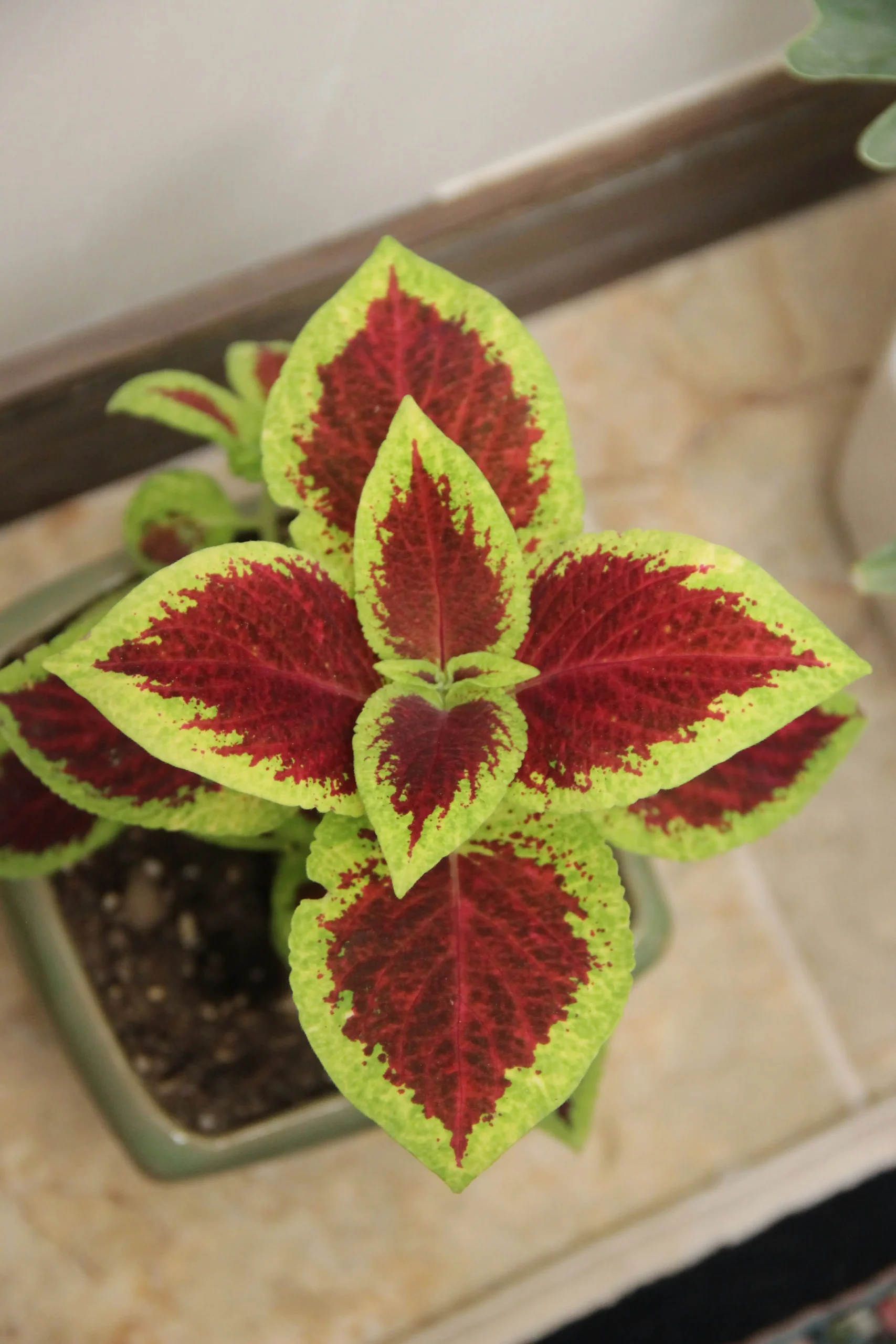
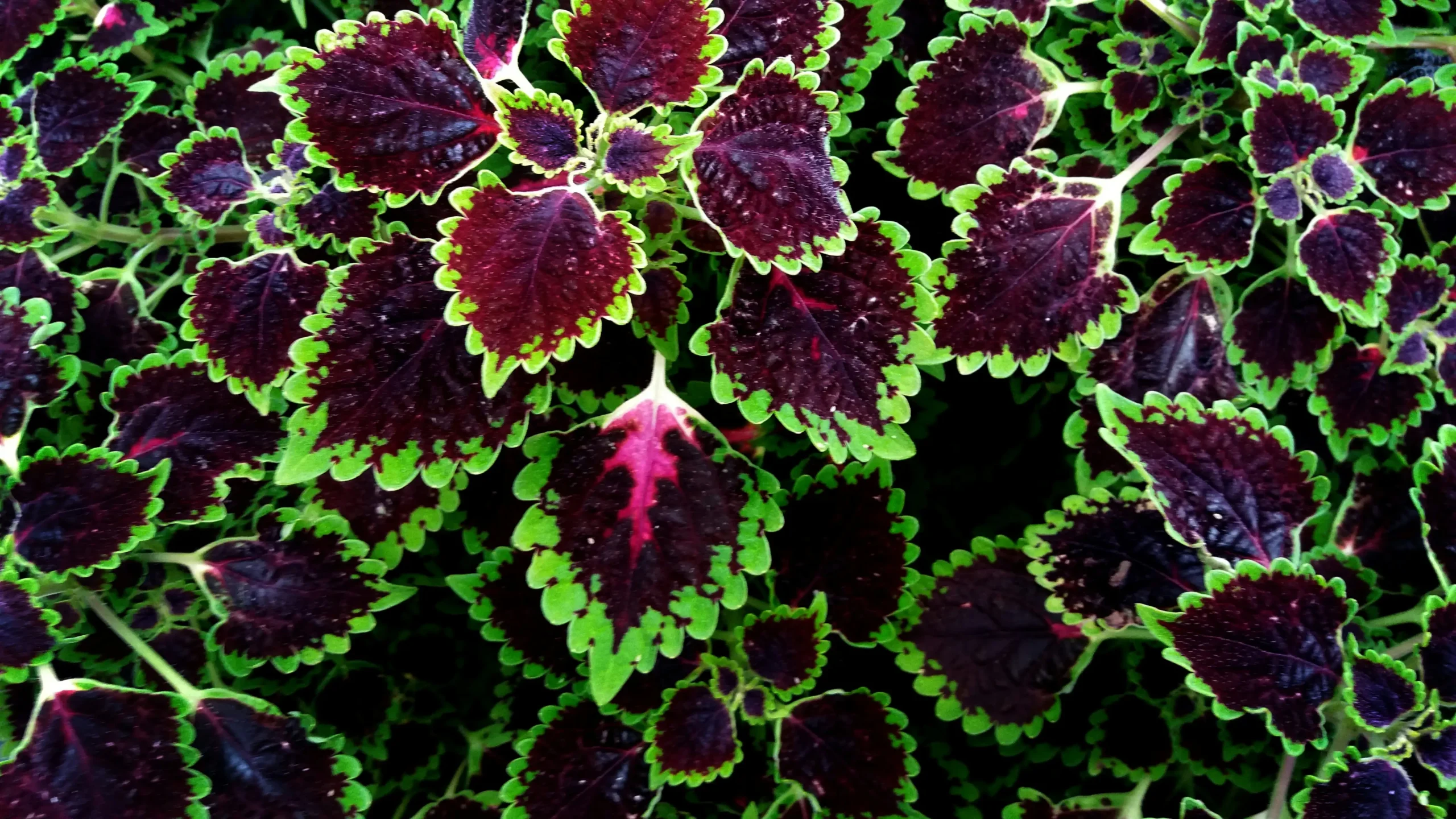
Coleus naturally grows in warm tropical regions where it receives filtered sunlight and steady warmth. Indoors, it adapts well when those conditions are recreated as closely as possible. The foliage is the main feature of the plant. Some varieties produce highly detailed leaf patterns that almost look painted. Others display dramatic color contrasts that make the plant stand out even from a distance.
Although it can produce flowers, most indoor gardeners remove them. Flowering often redirects energy away from foliage production, which can make the plant look thinner over time. One thing many beginners notice is how quickly the stems grow. Without regular trimming, the plant may become leggy instead of remaining compact and full.
Choosing the Best Indoor Location
Placement affects both color intensity and overall plant health. Bright conditions usually produce stronger leaf color and fuller growth. Rooms with filtered sunlight are ideal because too much harsh sun can fade or scorch delicate foliage. Stable indoor placement also helps reduce stress. Frequently moving the plant between rooms may slow growth or affect leaf quality.
- Place near bright windows with indirect light
- East facing windows often work very well
- Avoid dark corners with weak lighting
- Protect leaves from harsh afternoon sun
- Rotate the container for balanced growth
Light Requirements
Lighting plays one of the biggest roles in maintaining healthy foliage. The colors become much richer when the plant receives enough brightness throughout the day. Insufficient light usually causes dull leaves, faded patterns, and stretched stems. Bright indirect sunlight is generally the safest option indoors. Some varieties tolerate gentle morning sun, but intense afternoon heat can damage the leaves. Varieties with darker foliage often tolerate slightly lower light better than lighter colored types.
- Provide several hours of bright light daily
- Use grow lights if natural light is limited
- Watch for fading color as a low light warning
- Prevent scorching from strong direct sunlight
- Increase light gradually after moving the plant
Best Soil for Healthy Growth
Fast growing foliage plants need soil that stays balanced between moisture retention and airflow. Heavy compacted soil often leads to root problems and weak growth. A loose indoor mix encourages healthier roots and more vigorous foliage production. Healthy roots directly affect leaf color, growth speed, and overall appearance indoors.
- Use quality indoor potting soil
- Add perlite for better drainage
- Avoid dense garden soil indoors
- Choose containers with drainage holes
- Refresh old compacted soil regularly
Watering Without Overwatering
This plant prefers evenly moist soil but dislikes sitting in constantly wet conditions. Overwatering is one of the most common reasons indoor plants suddenly decline. The goal is to keep the soil lightly moist while still allowing airflow around the roots. If the leaves begin drooping dramatically, the soil may have become too dry. Fortunately, healthy plants often recover quickly once watered properly.
- Water when the upper soil begins to dry slightly
- Avoid soggy soil conditions
- Reduce watering during cooler months
- Empty excess water from trays
- Keep watering routines fairly consistent
Temperature and Indoor Conditions
Warm temperatures help maintain steady growth and vibrant foliage. Sudden cold exposure may damage leaves and slow growth significantly. Most indoor environments are suitable as long as temperatures remain stable. Consistent indoor conditions usually produce fuller and healthier growth over time.
- Keep temperatures between 18 to 27 degrees Celsius
- Avoid cold drafts near windows or doors
- Keep away from heaters and air conditioners
- Maintain gentle airflow indoors
- Protect the plant from sudden temperature swings
Humidity Requirements
Moderate humidity helps keep the foliage fresh and healthy, especially during dry indoor seasons. Very dry air may cause crispy leaf edges or slower growth. Although it appreciates humidity, proper airflow is still important to prevent moisture related issues.
- Maintain moderate indoor humidity
- Mist lightly during dry weather if needed
- Use humidity trays for extra moisture
- Group plants together naturally
- Avoid extremely dry airflow
Feeding and Fertilizing
Because of its rapid growth, regular feeding helps support fuller foliage and stronger stems. Too much fertilizer, however, may weaken the plant or reduce leaf quality. Balanced nutrients help maintain vibrant leaf color and steady growth indoors.
- Use balanced liquid fertilizer every few weeks
- Feed mainly during spring and summer
- Reduce feeding during winter
- Avoid excessive fertilizer buildup
- Water lightly before feeding
Pruning for Bushier Growth
Pruning is one of the most important parts of indoor care. Without trimming, stems may grow long and sparse instead of staying compact. Pinching the growing tips encourages branching and creates a fuller appearance. Regular pruning is one reason experienced indoor gardeners keep their plants looking dense and colorful.
- Pinch back stem tips regularly
- Remove weak or leggy growth
- Trim flower spikes if they appear
- Use clean pruning tools
- Shape the plant gradually over time
Propagating Indoors
One of the easiest things about growing this plant indoors is propagation. Stem cuttings root quickly and allow you to create new plants with very little effort. This makes it simple to refresh older plants or fill containers more densely. Because propagation is so easy, many growers refresh older plants regularly rather than keeping overly woody stems for years.
- Take healthy stem cuttings
- Remove lower leaves before rooting
- Root cuttings in water or soil
- Keep cuttings in bright indirect light
- Transplant after roots become established
Common Problems and Solutions
Most indoor issues happen because of poor lighting, watering imbalance, or lack of pruning. Small adjustments usually solve problems quickly. Careful observation usually helps identify problems before major damage occurs.
- Leggy stems caused by weak lighting
- Faded leaves from insufficient brightness
- Yellow foliage from overwatering
- Crispy edges from dry air
- Weak growth caused by nutrient deficiency
Encouraging Rich Leaf Color Indoors
The biggest attraction of this plant is its dramatic foliage. Rich color depends heavily on proper lighting and balanced care. Plants grown in dim areas often lose their vibrant appearance over time. New growth often develops the strongest color when conditions are ideal.
- Provide bright indirect light consistently
- Avoid excessive nitrogen fertilizer
- Prune regularly for fresh growth
- Keep watering balanced
- Rotate the plant occasionally for even color
Final Thoughts
Coleus is one of the most rewarding foliage plants for indoor gardeners who want fast growth and bold color without complicated care routines. Its vibrant leaves, easy propagation, and adaptable nature make it an excellent choice for shelves, desks, hanging baskets, and bright indoor spaces.
With proper light, regular pruning, and balanced watering, this colorful plant can thrive indoors for long periods while continuously adding energy and personality to your indoor garden.
Low light is one of the main reasons foliage becomes dull or faded indoors.
Yes, removing flower spikes often helps the plant stay fuller and more focused on leaf growth.
Dry air, underwatering, or excessive sunlight may cause crispy edges.
Frequent light pinching during active growth keeps the plant compact and bushy.
Yes, if it continues receiving enough bright light.
Sudden intense sunlight or inconsistent watering may damage leaf pigmentation.
Provide bright indirect light, balanced watering, regular pruning, and stable indoor conditions.
Yes, although most indoor growers prefer propagation through cuttings for faster results.






- Be Respectful
- Stay Relevant
- Stay Positive
- True Feedback
- Encourage Discussion
- Avoid Spamming
- No Fake News
- Don't Copy-Paste
- No Personal Attacks
- Be Respectful
- Stay Relevant
- Stay Positive
- True Feedback
- Encourage Discussion
- Avoid Spamming
- No Fake News
- Don't Copy-Paste
- No Personal Attacks
