What Ruins Indoor Cannas Faster Than Most People Realize
Published: 19 May 2026
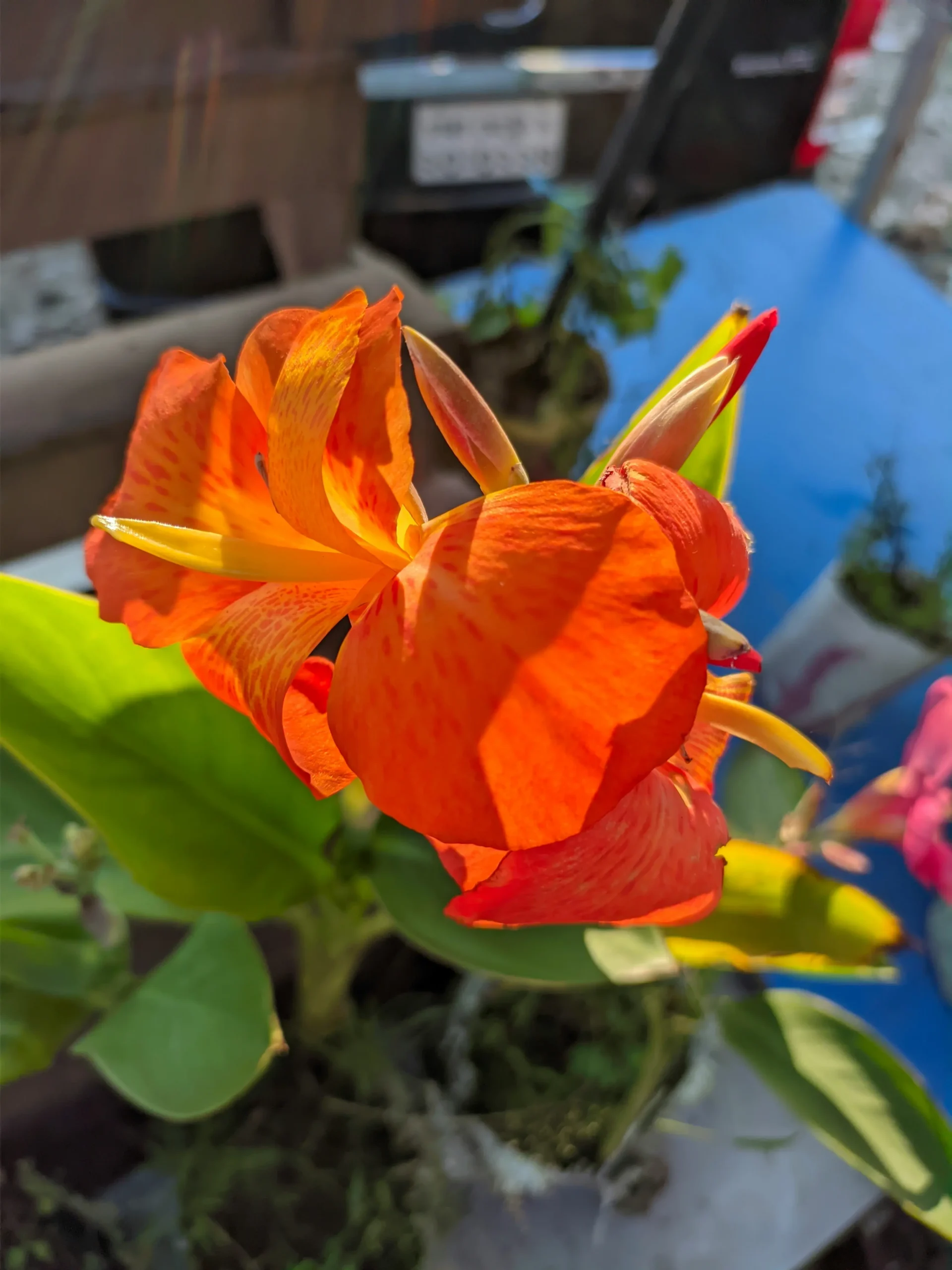
Growing Canna indoors can add a bold tropical look to your home with large dramatic leaves and vibrant flowers. While cannas are more commonly grown outdoors, they can also adapt to indoor containers when given enough light, warmth, and space. Their lush foliage instantly creates a tropical atmosphere indoors, making them a striking choice for sunrooms, bright corners, and indoor garden spaces.
Many people are attracted to these plants because of their oversized leaves and colorful blooms. Depending on the variety, the foliage may appear green, bronze, purple, or striped, while the flowers can display shades of red, orange, yellow, pink, or cream. Although indoor growing requires slightly more attention compared to smaller houseplants, healthy growth becomes much easier once the plant’s basic needs are understood.
Understanding Cannas Indoors
Cannas are tropical and subtropical plants that naturally thrive in warm sunny climates. Indoors, they behave differently than outdoors because container size, light exposure, and airflow are more limited. Unlike compact houseplants, these plants grow upright and can become fairly large even indoors. Because of this, choosing the right location is extremely important before planting.
Their growth is powered by underground rhizomes that store energy and moisture. Healthy rhizomes produce stronger foliage and improve flowering performance over time. One important thing to understand is that indoor flowering usually depends heavily on light intensity. Without enough brightness, the plant may produce beautiful foliage but limited blooms.
Choosing the Best Indoor Location
Placement has a major impact on both foliage growth and flowering. These tropical plants require much brighter conditions than many standard indoor houseplants. A sunny room with strong natural light is usually the best choice. Good airflow also helps reduce moisture related problems around the foliage.
- Place near bright south or west facing windows
- Provide several hours of direct or very bright light
- Use grow lights if sunlight is limited
- Avoid dark indoor corners
- Ensure enough space for large leaves to spread
Light Requirements
Lighting is one of the most important factors when growing cannas indoors. Weak lighting often results in stretched stems, smaller leaves, and poor flowering. These plants naturally thrive under intense sunlight outdoors, so indoor conditions should be as bright as possible. Large healthy leaves usually indicate the plant is receiving enough energy for steady growth.
- Provide at least several hours of strong light daily
- Supplement with grow lights during winter
- Rotate the container regularly
- Watch for leaning stems caused by uneven light
- Increase brightness gradually after moving indoors
Best Soil for Indoor Cannas
Healthy roots and rhizomes depend on rich but well draining soil. The mix should retain enough moisture while still allowing airflow around the roots. Heavy waterlogged soil can quickly damage rhizomes indoors. A slightly loose and airy texture supports healthier root development.
- Use nutrient rich indoor potting soil
- Add perlite for better drainage
- Mix in compost for organic matter
- Avoid dense compacted soil
- Choose large containers with drainage holes
Watering Properly Indoors
Cannas prefer consistently moist soil during active growth, but overly wet conditions indoors may lead to root problems if drainage is poor. The key is maintaining steady moisture without allowing the container to stay waterlogged. Plants growing in stronger light usually require more frequent watering.
- Water when the upper soil begins drying slightly
- Keep soil evenly moist during active growth
- Reduce watering during slower winter growth
- Empty drainage trays after watering
- Avoid allowing the soil to become completely dry for long periods
Temperature and Indoor Environment
Warm temperatures are essential for healthy tropical growth. Cold indoor conditions can slow development and damage foliage. Stable warmth encourages stronger leaves and better flowering potential. Warm consistent conditions help the plant remain actively growing for longer periods.
- Keep temperatures between 20 to 30 degrees Celsius
- Protect from cold drafts and sudden temperature drops
- Avoid placing near air conditioners
- Maintain gentle airflow indoors
- Keep away from freezing temperatures completely
Humidity Needs
Because these plants naturally grow in humid tropical regions, moderate humidity often improves leaf quality indoors. Dry air may lead to browning edges or slower development. Balancing humidity with airflow helps prevent fungal problems indoors.
- Maintain moderate indoor humidity
- Mist lightly if air becomes extremely dry
- Use humidity trays if needed
- Group tropical plants together naturally
- Ensure airflow around the leaves
Feeding and Fertilizing
Cannas are heavier feeders than many indoor plants because of their rapid foliage growth and flowering potential. Regular nutrients help maintain healthy leaves and stronger blooms. Plants producing flowers usually require more nutrients than foliage only growth
- Use balanced fertilizer during active growth
- Feed every few weeks in spring and summer
- Reduce feeding during winter
- Avoid excessive fertilizer buildup
- Water lightly before feeding
Choosing the Right Container
Container size matters more with cannas than with many smaller houseplants. Tight root space may restrict growth and reduce flowering. Larger containers help support both root development and top growth. Larger containers also help retain moisture more evenly indoors.
- Choose wide deep containers
- Ensure strong drainage holes
- Avoid extremely small pots
- Use stable heavy containers for tall plants
- Repot when roots become crowded
Managing Size Indoors
One challenge of growing these tropical plants indoors is controlling their size. Some varieties can become too large for average rooms if not managed properly. Dwarf varieties are often better suited for indoor containers. Proper light and pruning help maintain a cleaner indoor appearance.
- Choose compact varieties for smaller spaces
- Trim damaged leaves regularly
- Remove spent flowers when needed
- Rotate plants for balanced growth
- Repot only when necessary
Dormancy and Winter Care
Unlike many common houseplants, cannas may slow down significantly during cooler seasons. Some indoor growers allow partial dormancy during winter. Growth naturally becomes slower when light levels decrease. Understanding seasonal changes helps prevent overwatering during slower growth periods.
- Reduce watering during inactive periods
- Stop heavy feeding in winter
- Remove damaged foliage if necessary
- Maintain moderate warmth indoors
- Increase care again during spring growth
Common Problems and Solutions
Most indoor issues happen because of insufficient light, watering imbalance, or lack of space. Early adjustments usually help restore healthier growth.
- Yellow leaves from overwatering
- Weak stems caused by low light
- Brown edges from dry air
- Poor flowering due to insufficient brightness
- Root rot caused by waterlogged soil
Final Thoughts
Growing cannas indoors is an excellent way to create a dramatic tropical atmosphere with bold foliage and vibrant flowers. Although they require brighter light and more space than many traditional houseplants, their striking appearance makes the extra effort worthwhile.
With strong lighting, warm temperatures, balanced watering, and proper containers, these tropical plants can thrive indoors while becoming one of the most eye catching features in your indoor garden.
Yes, compact varieties are usually easier to manage inside smaller indoor spaces.
Large leaves can tear from strong indoor airflow or physical handling.
Yes, healthy rhizomes can be divided during repotting or active growth periods.
Older leaves naturally decline, but excessive moisture may accelerate yellowing.
Containers without drainage greatly increase the risk of root rot.
Reduced nutrients or insufficient light often affect repeat flowering.
Their rhizomes and rapid foliage growth require more root space.




- Be Respectful
- Stay Relevant
- Stay Positive
- True Feedback
- Encourage Discussion
- Avoid Spamming
- No Fake News
- Don't Copy-Paste
- No Personal Attacks
- Be Respectful
- Stay Relevant
- Stay Positive
- True Feedback
- Encourage Discussion
- Avoid Spamming
- No Fake News
- Don't Copy-Paste
- No Personal Attacks
