Why Ignoring Indoor Plant Pests Makes the Problem Worse
Published: 31 May 2026
Indoor plants may look protected inside the home, but they can still suffer from a wide range of plant pests that weaken foliage, damage roots, slow growth, and spread quickly between nearby plants. Many infestations begin quietly and become serious before plant owners notice the warning signs. Learning how to identify common indoor plant pests early is one of the best ways to keep houseplants healthy and attractive.
Most indoor pests thrive in warm stable environments where plants are closely grouped together. Weak lighting, excessive moisture, poor airflow, and stressed plants often make infestations worse. Some insects feed directly on plant sap, while others damage roots or leave sticky residue that encourages fungal problems.
The good news is that most indoor plant pests can be controlled successfully with early treatment, proper care adjustments, and regular plant inspection.
Why Indoor Plants Get Pests
Indoor pests usually appear because conditions allow insects to reproduce easily. Bringing new plants indoors without inspection is one of the most common ways infestations begin. Stressed plants also become more vulnerable because weak growth attracts insects more easily. Common causes include:
- Bringing infected plants indoors
- Poor airflow around plants
- Excess moisture and humidity imbalance
- Overcrowded plant arrangements
- Weak lighting conditions
- Dirty leaves and neglected maintenance
Spider Mites
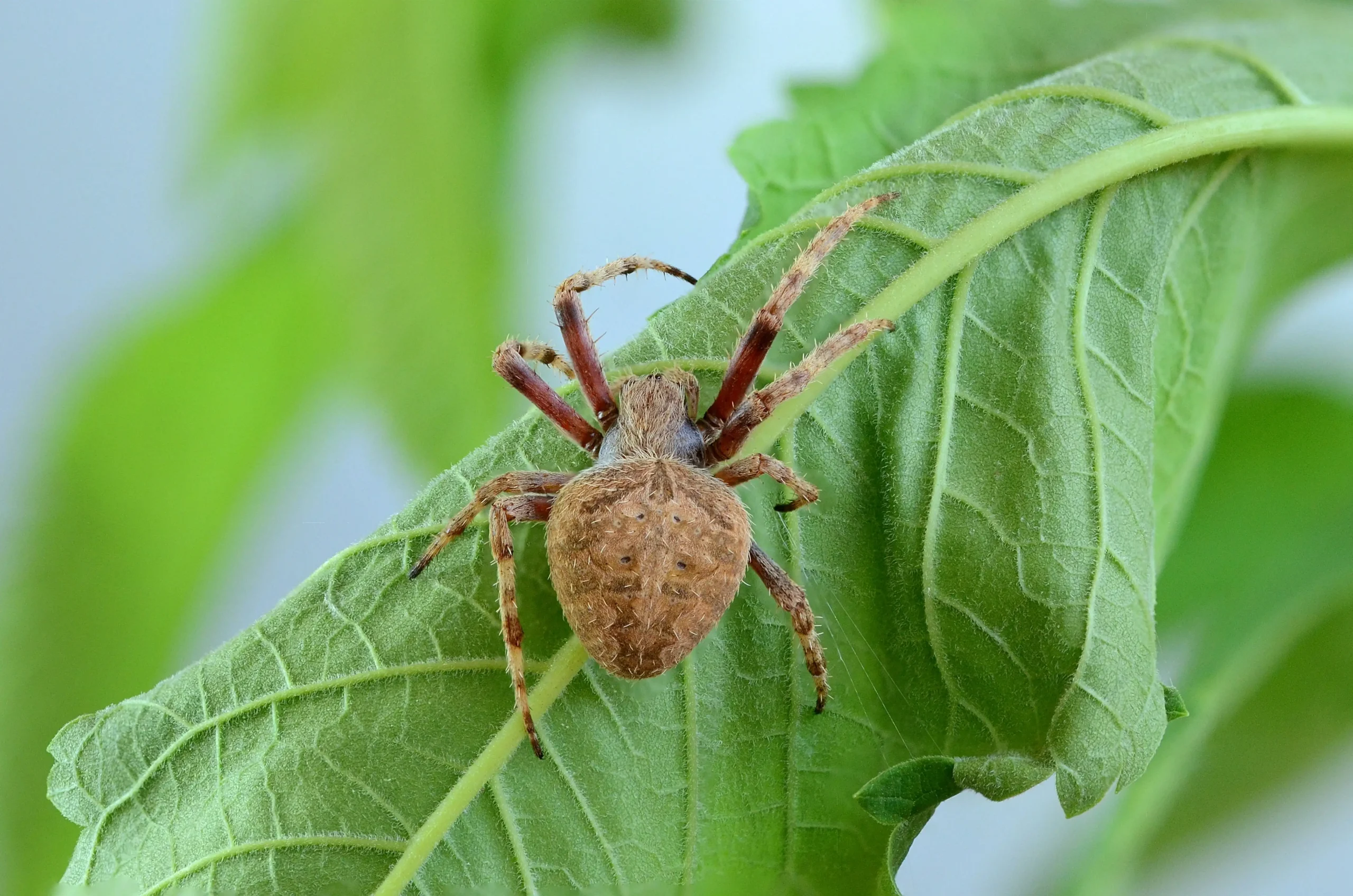
Spider mites are among the most common and frustrating indoor plant pests. These tiny pests feed on plant sap and are often difficult to notice until damage becomes visible. They usually thrive in dry warm indoor conditions.
Signs of Spider Mites
- Tiny webbing on leaves and stems
- Speckled yellow leaf damage
- Dry or dusty looking foliage
- Leaf drop during severe infestations
Remedies for Spider Mites
- Increase humidity around plants
- Wash leaves with water regularly
- Use insecticidal soap
- Isolate infected plants
- Improve airflow indoors
Whiteflies
Whiteflies are small white flying insects that gather on the undersides of leaves and feed on plant sap. They spread quickly between indoor plants if untreated.
Signs of Whiteflies
- Tiny white insects flying when disturbed
- Sticky honeydew residue on leaves
- Yellowing foliage
- Weak plant growth
Remedies for Whiteflies
- Use yellow sticky traps
- Spray leaves with insecticidal soap
- Apply neem oil treatments
- Remove heavily infested leaves
- Isolate affected plants
Fungus Gnats
Fungus gnats are small dark flying insects commonly seen hovering around moist indoor soil. Adult gnats are mainly annoying, but larvae can damage roots in overly wet soil.
Signs of Fungus Gnats
- Tiny flying insects near soil
- Constantly wet potting mix
- Weak seedling growth
- Root stress in severe cases
Remedies for Fungus Gnats
- Allow soil to dry slightly between watering
- Use sticky traps
- Improve drainage
- Replace heavily infested soil
- Reduce overwatering habits
Mealybugs
Mealybugs are soft white insects covered in cotton like material. They cluster on stems, leaf joints, and undersides of foliage while feeding on plant sap.
Signs of Mealybugs
- White cottony clusters
- Sticky leaves
- Slow plant growth
- Distorted new growth
Remedies for Mealybugs
- Remove insects manually with cotton swabs
- Use rubbing alcohol carefully
- Spray with neem oil
- Prune badly infested growth
- Isolate infected plants
Aphids
Aphids are small soft bodied insects that gather on new growth and flower buds. They reproduce quickly and weaken plants by feeding on sap.
Signs of Aphids
- Clusters of green, black, or brown insects
- Curled leaves
- Sticky residue on foliage
- Distorted new growth
Remedies for Aphids
- Wash insects off with water
- Use insecticidal soap
- Remove heavily affected stems
- Encourage healthier plant growth
- Repeat treatments regularly
Scale Insects
Scale insects attach themselves firmly to stems and leaves while feeding on plant sap. Their hard shell makes them harder to remove than many other pests.
Signs of Scale
- Small brown bumps on stems
- Sticky leaves
- Yellowing foliage
- Weak growth over time
Remedies for Scale
- Remove scale manually
- Use neem oil treatments
- Clean stems carefully
- Prune severe infestations
- Monitor plants closely afterward
Thrips
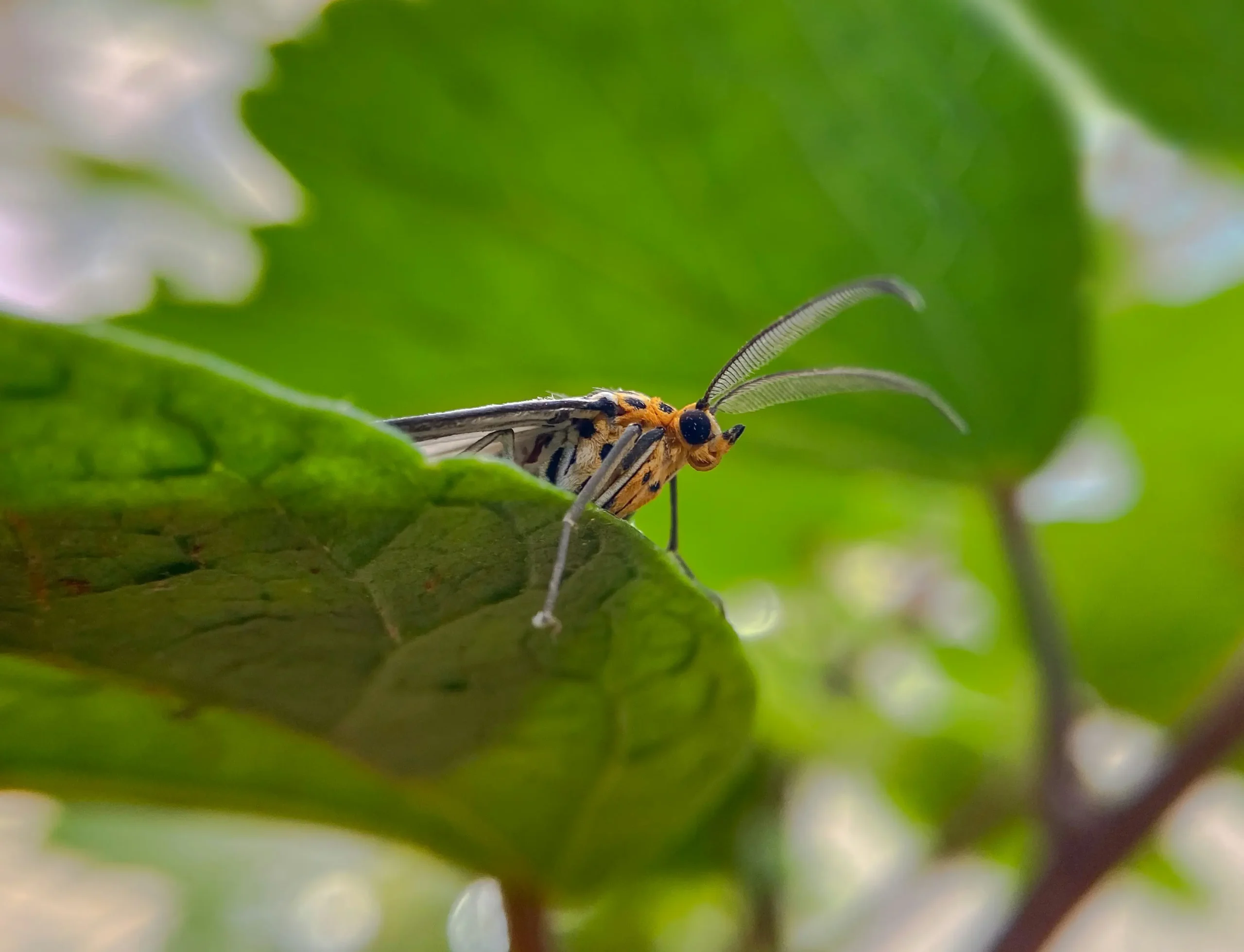
Thrips are slender insects that damage leaves and flowers by scraping plant tissue and feeding on sap.
Signs of Thrips
- Silvery leaf streaks
- Distorted foliage
- Tiny black droppings
- Damaged flower buds
Remedies for Thrips
- Use sticky traps
- Spray insecticidal soap
- Increase humidity slightly
- Remove badly damaged foliage
- Isolate infected plants
Root Mealybugs
Unlike regular mealybugs, root mealybugs hide beneath the soil and attack roots directly.
Signs of Root Mealybugs
- Weak unexplained plant decline
- White cottony material near roots
- Poor growth despite watering
- Yellow leaves
Remedies for Root Mealybugs
- Remove old soil completely
- Wash roots carefully
- Repot in clean fresh soil
- Sterilize old containers
- Monitor roots regularly
Natural Pest Prevention Tips
Healthy plants are more resistant to pest problems. Preventive care is often more effective than treating severe infestations later.
- Inspect new plants before bringing indoors
- Keep leaves clean
- Avoid overcrowding plants
- Improve indoor airflow
- Water plants properly
- Remove dead foliage regularly
- Monitor plants weekly for pests
Best Natural Treatments for Indoor Plant Pests
Many indoor gardeners prefer gentle treatments that are safer for indoor environments. Popular natural remedies include:
- Neem oil
- Insecticidal soap
- Sticky traps
- Rubbing alcohol spot treatment
- Water sprays for foliage cleaning
- Manual insect removal
When to Isolate Indoor Plants
Separating infected plants is one of the most important steps during infestations because many pests spread rapidly indoors. Plants should be isolated when:
- Flying insects appear
- Sticky residue develops
- Webbing becomes visible
- Multiple plants show symptoms
- New plants arrive indoors
Final Thoughts
Indoor plant pests are common, but most infestations can be controlled successfully with early detection and proper treatment. Regular plant inspection, balanced watering, healthy airflow, and good maintenance habits greatly reduce pest problems indoors.
Understanding the warning signs of common pests helps indoor gardeners react quickly before infestations spread and damage healthy plants.
Yellowing leaves, sticky residue, tiny insects, webbing, distorted growth, and unexplained leaf drop are common early signs.
These are often fungus gnats, which are attracted to consistently moist soil.
A weekly inspection helps detect infestations before they become serious.
Some pests, especially fungus gnat larvae, live and develop in the soil.
Grow lights do not directly cause infestations, but they may create favorable conditions for existing pests.
Regular inspections, proper watering, good airflow, clean foliage, and quarantining new plants greatly reduce pest problems.
Yes, contaminated tools and equipment can transfer pests between plants.
Many pests remain active year round indoors, but outbreaks often increase during warm conditions.
Maintaining healthy plants, inspecting regularly, quarantining new arrivals, and correcting environmental stress factors provides the best long term protection.

- Be Respectful
- Stay Relevant
- Stay Positive
- True Feedback
- Encourage Discussion
- Avoid Spamming
- No Fake News
- Don't Copy-Paste
- No Personal Attacks
- Be Respectful
- Stay Relevant
- Stay Positive
- True Feedback
- Encourage Discussion
- Avoid Spamming
- No Fake News
- Don't Copy-Paste
- No Personal Attacks
