Houseplant Fertilizer Mistakes That May Be Damaging Your Plants
Published: 4 Jun 2026
Healthy houseplants need more than just water and sunlight. Over time, the nutrients available in potting soil become depleted, especially in containers where roots have limited access to fresh organic matter. Fertilizer helps replenish those nutrients and supports the steady growth that many indoor gardeners want from their plants.
An all purpose fertilizer is often the simplest option for houseplant owners because it can be used on a wide range of indoor plants. Instead of purchasing multiple specialized products, gardeners can use a single balanced formula to support foliage growth, root development, and overall plant health.
Many beginners hesitate to fertilize because they worry about damaging their plants. While over fertilization can cause problems, using the right product correctly is usually straightforward. Understanding when, how, and why to feed indoor plants can make a noticeable difference in their appearance and long-term health.
What Is an All Purpose Houseplant Fertilizer?
An all purpose fertilizer is designed to provide a balanced supply of essential nutrients that most indoor plants need for healthy growth. These products are formulated to support a wide range of species, from leafy tropical plants to flowering varieties and many common houseplants.
Unlike specialty fertilizers that target specific plant groups, general-purpose formulas focus on overall plant development. This makes them particularly useful for households with multiple types of indoor plants. Most products contain:
- Nitrogen
- Phosphorus
- Potassium
- Micronutrients
- Trace minerals
Why Houseplants Need Fertilizer
In nature, plants receive a continuous supply of nutrients from decomposing organic matter, rainfall, and natural soil processes. Indoor plants grow in containers where nutrient reserves gradually decline over time. Even high-quality potting mixes eventually lose their fertility. Without occasional feeding, growth may slow and plants can begin showing signs of nutrient deficiency. Common benefits of regular feeding include:
- Stronger growth
- Greener foliage
- Better root development
- Increased vigor
- Improved overall appearance
Understanding Plant Nutrients
To use fertilizer effectively, it helps to understand the major nutrients plants require. Each nutrient contributes to different aspects of growth and development. Nitrogen is often associated with leafy growth and rich green foliage. Phosphorus supports root development and energy transfer within the plant. Potassium contributes to overall health, stress tolerance, and plant function. Important nutrients include:
- Nitrogen for foliage growth
- Phosphorus for root development
- Potassium for plant health
- Calcium for cell strength
- Magnesium for chlorophyll production
- Iron for healthy leaf color
Types of Fertilizer
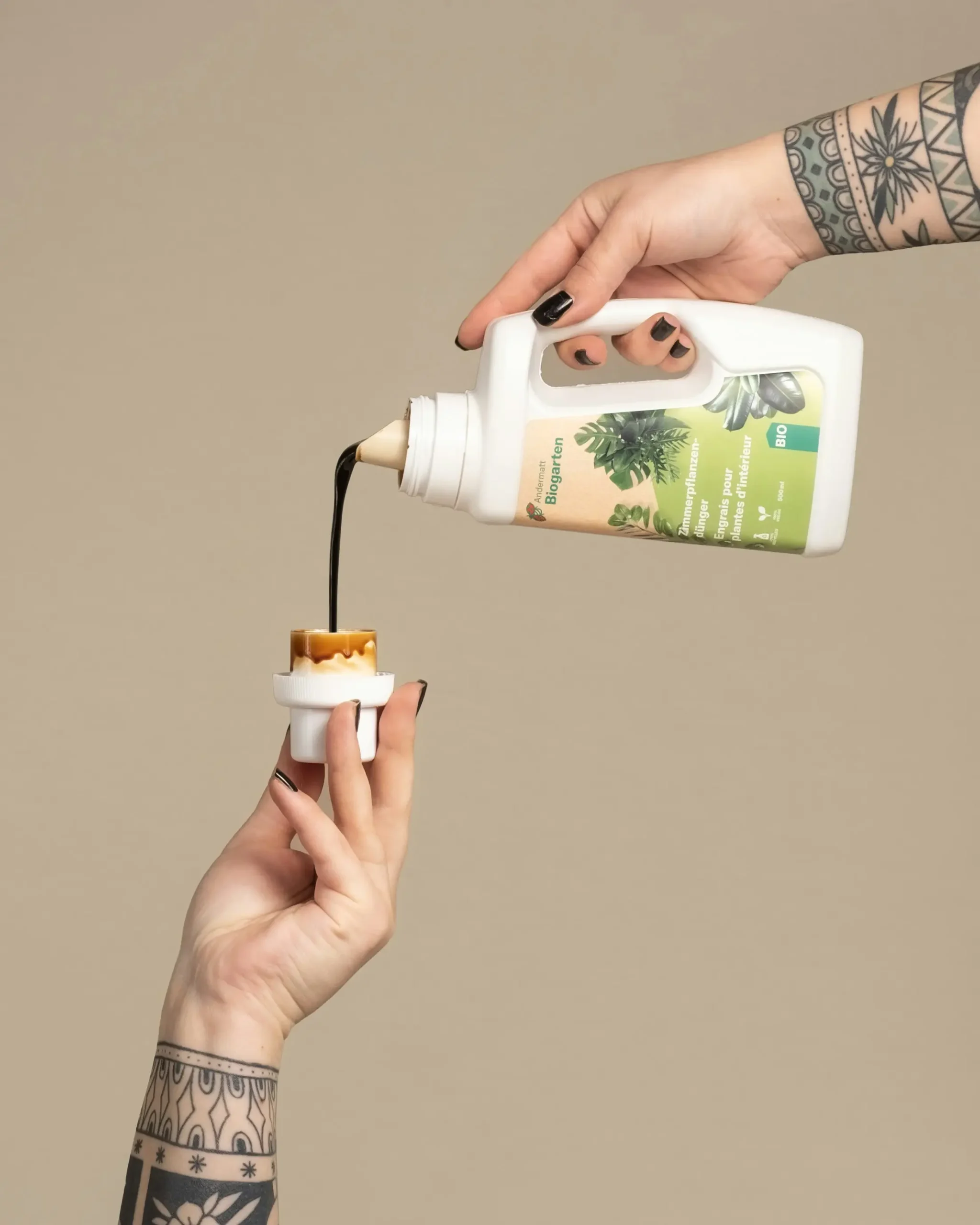
Indoor gardeners can choose from several houseplant fertilizers depending on their preferences and plant collection. Liquid products are among the most popular because they are easy to apply and provide nutrients quickly. Slow-release options offer convenience by feeding plants gradually over an extended period. Common types include:
- Liquid concentrates
- Water-soluble powders
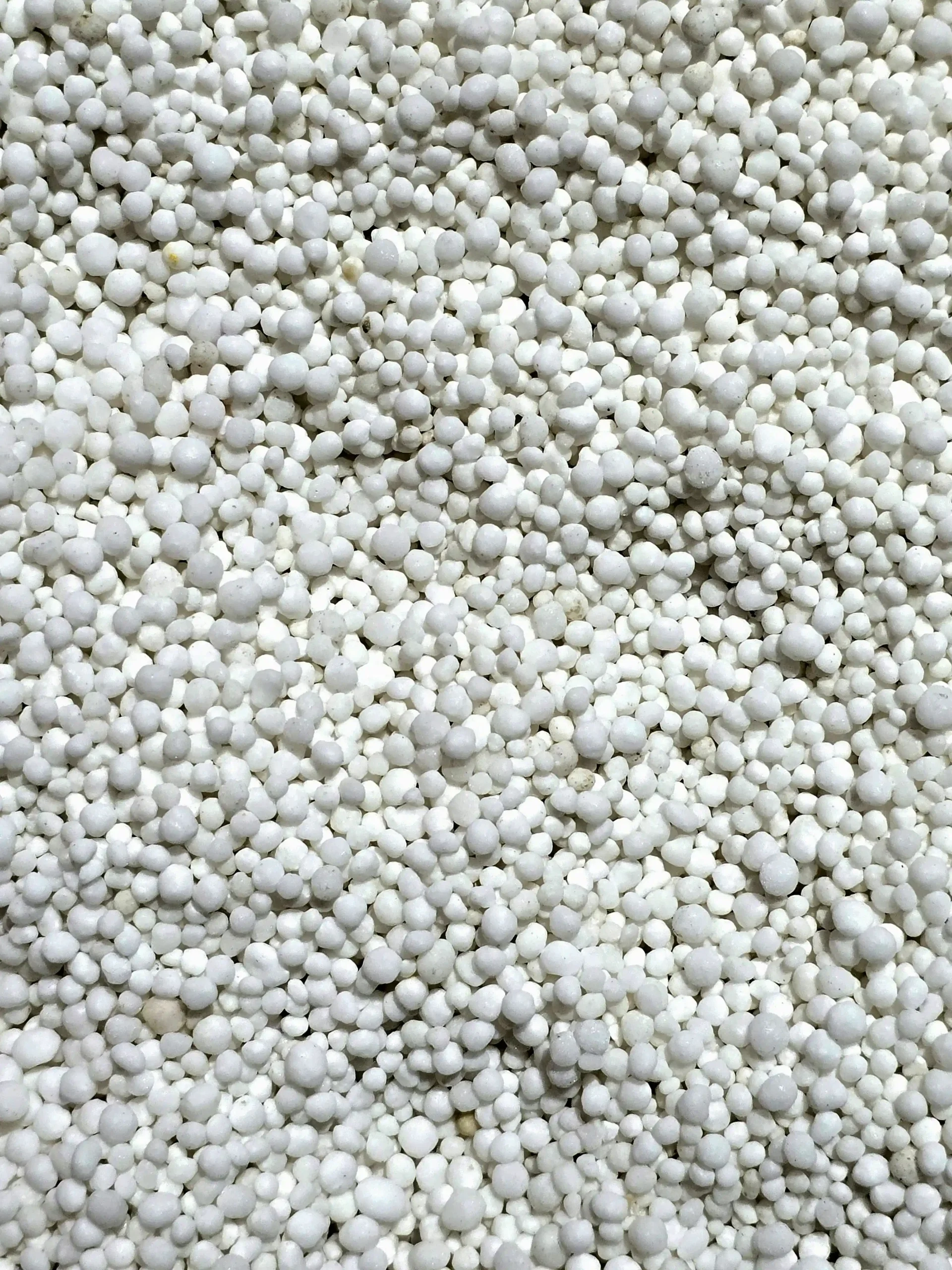
- Slow-release granules
- Organic fertilizers
- Synthetic fertilizers
Choosing the Right Product
Not every fertilizer is suitable for every situation. While most all purpose products work well for common houseplants, selecting a quality formula helps ensure better results. The ideal choice depends on the types of plants being grown, watering habits, and maintenance preferences. When selecting a product, look for:
- Balanced nutrient ratios
- Clear application instructions
- Micronutrient content
- Reliable manufacturer information
- Compatibility with indoor plants
When to Fertilize Indoor Plants
Timing plays a significant role in successful feeding. Most houseplants grow more actively during spring and summer when daylight hours increase. During periods of active growth, plants generally use nutrients more efficiently. Growth often slows during cooler months, reducing the need for frequent feeding. Good times to fertilize include:
- Spring growth periods
- Summer growing season
- After active growth begins
- Following repotting recovery
- During healthy growth cycles
When to Reduce Feeding
Indoor plants do not always require the same amount of fertilizer throughout the year. Feeding heavily when growth has slowed may lead to nutrient buildup in the soil. Certain situations call for reduced fertilizer applications. Consider reducing feeding when:
- Growth slows significantly
- Temperatures decrease
- Plants become dormant
- Light levels drop
- Recently stressed plants are recovering
How to Apply Fertilizer
Application methods vary depending on the product being used. Following manufacturer instructions helps prevent overfeeding and ensures nutrients are delivered effectively. Many gardeners prefer applying fertilizer during regular watering sessions because nutrients can be distributed evenly throughout the root zone. Helpful application practices include:
- Read label directions carefully
- Apply to moist soil
- Use correct dilution rates
- Avoid excessive applications
- Monitor plant response
Signs Your Plants Need Nutrients
Plants often provide visual clues when nutrient levels become insufficient. While symptoms can sometimes resemble watering or lighting problems, deficiencies frequently affect overall growth and appearance. Observing changes early allows gardeners to address problems before significant damage occurs. Possible signs include:
- Pale leaves
- Slow growth
- Smaller foliage
- Weak stems
- Reduced vigor
Signs of Over fertilization
Applying too much fertilizer is often more harmful than applying too little. Excess nutrients can accumulate in the soil and interfere with healthy root function. Recognizing early warning signs helps prevent long-term damage. Common symptoms include:
- Brown leaf tips
- Leaf scorch
- Salt buildup on soil
- Wilting despite moist soil
- Root damage
Fertilizing Different Types of Houseplants
Although many indoor plants can share the same general-purpose fertilizer, their feeding frequency may differ. Fast-growing species usually consume nutrients more quickly than slow-growing plants. Understanding these differences helps prevent both underfeeding and overfeeding. Plants that often benefit from regular feeding include:
- Pothos
- Philodendrons
- Monsteras
- Peace lilies
- Spider plants
Plants that generally require lighter feeding include:
- Snake plants
- ZZ plants
- Succulents
- Cacti
- Jade plants
Organic vs Synthetic Fertilizers
Both organic and synthetic products can support healthy growth when used correctly. Each option offers advantages depending on gardening preferences. Organic products often improve soil quality over time, while synthetic products usually provide nutrients more quickly and predictably. Potential advantages of organic options include:
- Natural ingredients
- Improved soil structure
- Gradual nutrient release
- Reduced salt buildup
Potential advantages of synthetic options include:
- Precise nutrient ratios
- Fast nutrient availability
- Consistent performance
- Easy application
Common Fertilizer Mistakes
Many houseplant problems occur not because fertilizer is used, but because it is used incorrectly. Small adjustments often solve these issues quickly. Common mistakes include:
- Applying too much fertilizer
- Feeding stressed plants
- Ignoring product instructions
- Fertilizing dry soil
- Using excessive frequency
Creating a Simple Feeding Routine
A consistent routine makes plant care easier and helps maintain steady growth throughout the year. Rather than feeding randomly, many gardeners establish a schedule based on seasons and plant activity. Helpful routine practices include:
- Monitor plant growth regularly
- Feed during active growth periods
- Adjust schedules seasonally
- Record fertilizer applications
- Observe plant responses
Final Thoughts
An all purpose fertilizer can be one of the most useful tools for maintaining healthy indoor plants. By replenishing nutrients that become depleted in containers, it supports stronger growth, healthier foliage, and improved overall plant performance.
When used properly, a balanced feeding routine helps houseplants remain attractive and vigorous throughout the year. Combined with proper watering, lighting, and occasional repotting, fertilizer provides the nutritional foundation that allows indoor plants to thrive.
It is a balanced fertilizer designed to provide the essential nutrients most indoor plants need for healthy growth.
Nitrogen, phosphorus, and potassium are the primary nutrients required for healthy development.
NPK refers to nitrogen, phosphorus, and potassium, the three main plant nutrients.
Most plants benefit from feeding during spring and summer when growth is most active.
Organic fertilizers come from natural sources, while synthetic products are manufactured for precise nutrient delivery.
It may help if nutrient deficiency is the cause, but yellowing can also result from watering or lighting problems.
Applying too much fertilizer is one of the most common and damaging mistakes.
Only if it is suitable for container-grown plants and applied according to directions.
Yes, hanging baskets often require feeding because nutrients are quickly used and washed out.
Its ability to support a wide variety of indoor plants with a single balanced nutrient formula.




- Be Respectful
- Stay Relevant
- Stay Positive
- True Feedback
- Encourage Discussion
- Avoid Spamming
- No Fake News
- Don't Copy-Paste
- No Personal Attacks
- Be Respectful
- Stay Relevant
- Stay Positive
- True Feedback
- Encourage Discussion
- Avoid Spamming
- No Fake News
- Don't Copy-Paste
- No Personal Attacks
