The Secret to Growing Orchids Indoors and Getting More Flowers
Published: 5 Jun 2026
Orchids are among the most beautiful flowering houseplants you can grow indoors. Their elegant blooms, vibrant colors, and long flowering period make them a favorite among both beginner and experienced gardeners. Despite their reputation for being difficult plants, most indoor orchids are surprisingly easy to maintain when provided with the right growing conditions. Many people struggle with orchids because they treat them like ordinary houseplants, but orchids have unique requirements that differ from most indoor plants.
In their natural environment, many orchids grow attached to trees in tropical forests where their roots are exposed to fresh air, filtered sunlight, and periodic rainfall. Understanding this natural growth habit is the key to growing healthy orchids indoors. Once you learn how to provide proper light, moisture, humidity, and airflow, your orchid can thrive for years and reward you with spectacular blooms season after season.
Why Orchids Are Perfect Indoor Plants
They offer a combination of beauty, longevity, and versatility that few houseplants can match. Unlike many flowering plants that produce blooms for only a few weeks, orchids can display flowers for months at a time. They also require less space than many indoor plants, making them suitable for apartments, offices, and smaller homes.
Many species adapt extremely well to indoor environments because household temperatures are often similar to the conditions they experience in nature. With proper care, a single orchid can become a long term part of your indoor garden and continue producing flowers year after year. Benefits of growing these indoors include:
- Long lasting flowers
- Stunning colors and patterns
- Compact growth habit
- Suitable for small spaces
- Can live for many years
- Available in hundreds of varieties
- Add an elegant appearance to indoor spaces
Choosing the Best variety for Indoor Growing
Selecting the right variety can significantly improve your chances of success. While there are thousands of orchid species around the world, only a handful are commonly grown as houseplants. Some are much more forgiving than others and can tolerate occasional mistakes in watering or humidity.
For beginners, it is usually best to start with varieties that are known for their adaptability. These perform well in normal household conditions and do not require specialized equipment to grow successfully.
Popular varieties for indoor growing include:
- Phalaenopsis orchids
- Dendrobium orchids
- Oncidium orchids
- Paphiopedilum orchids
- Cattleya orchids
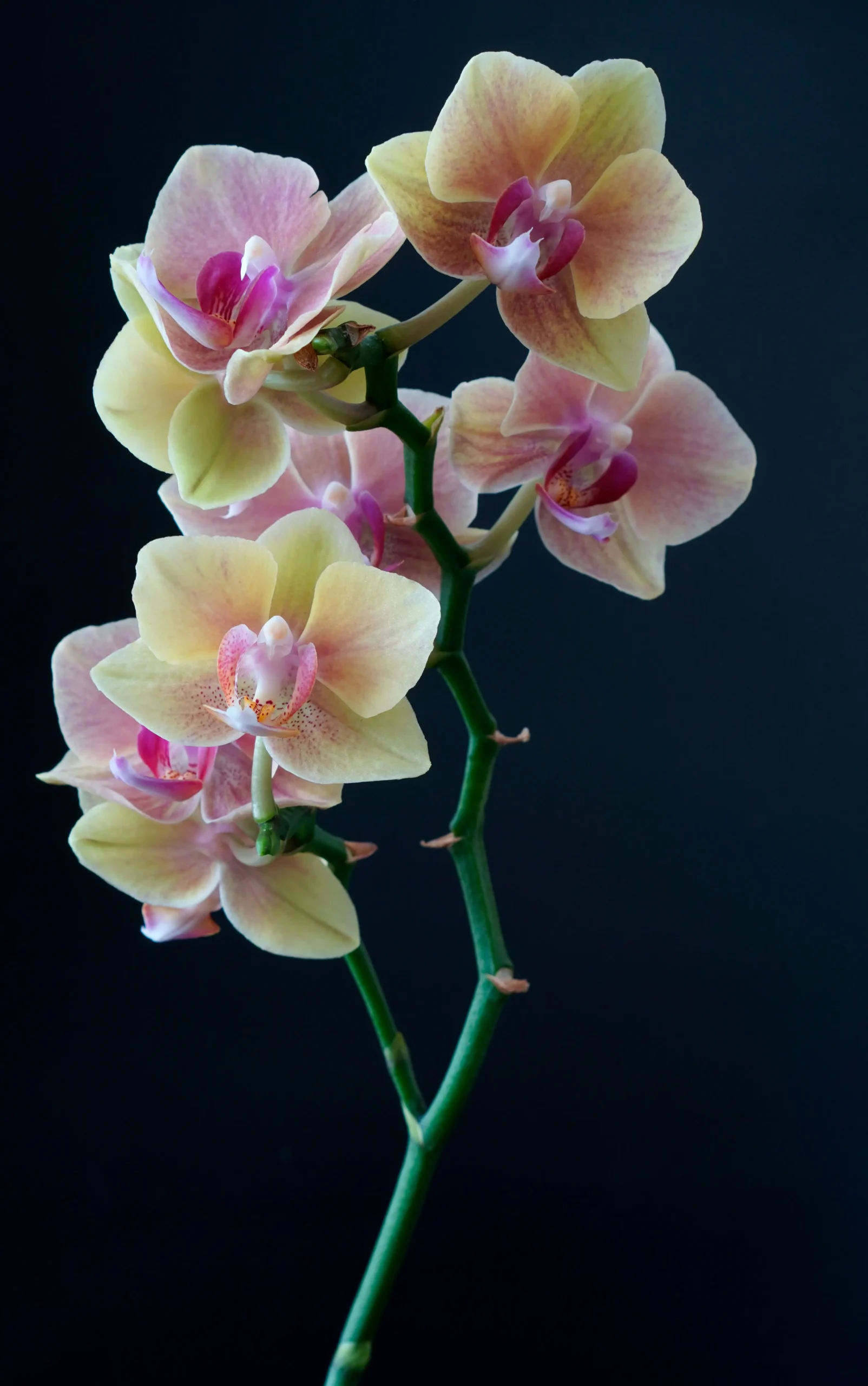
Among these options, Phalaenopsis orchids are often considered the easiest choice because they tolerate average indoor humidity and produce flowers that can remain attractive for several months.
Understanding Orchid Light Requirements
Light is one of the most important factors affecting growth and flowering. An orchid may survive in poor lighting conditions, but it will rarely produce healthy flowers. Providing the correct amount of light encourages stronger roots, healthier leaves, and more frequent blooming.
Most indoor plants prefer bright indirect light. In nature, they receive sunlight filtered through tree canopies rather than direct exposure to intense sun. Replicating these conditions inside the home helps prevent leaf damage while supplying enough energy for growth.
The best locations for indoor include bright windows where sunlight is filtered throughout the day. East facing windows are often ideal because they provide gentle morning sunlight without the intense heat of afternoon sun.
Good lighting locations include:
- East facing windows
- Bright north facing windows
- South facing windows with sheer curtains
- Bright rooms with indirect sunlight
- Areas supplemented with grow lights
Signs your plant may need more light include:
- Dark green leaves
- Slow growth
- Lack of flower spikes
- Reduced blooming
Signs of excessive light include:
- Yellow leaves
- Brown spots on foliage
- Leaf scorching
- Dry leaf edges
Choosing the Right Pot and Growing Medium
One of the biggest mistakes new growers make is planting orchids in standard potting soil. Unlike traditional houseplants, they require excellent airflow around their roots. Ordinary soil remains too dense and holds excessive moisture, which can quickly lead to root rot.
A suitable growing medium allows water to drain freely while maintaining enough moisture to support healthy root development. The goal is to create an environment that mimics the airy conditions they experience in nature. Common ingredients found in growing media include:
- Pine bark
- Fir bark
- Sphagnum moss
- Perlite
- Charcoal
- Coconut husk chips
The container you choose is equally important. The roots benefit from containers that provide excellent drainage and airflow. Features of a good orchid pot include:
- Multiple drainage holes
- Good air circulation
- Adequate root space
- Fast water drainage
- Easy root inspection
How to Water Orchids Properly
Watering is often the most misunderstood aspect of their care. Many beginners assume these plants require frequent watering because they originate from tropical regions. In reality, most indoor plants prefer to dry slightly between watering. Constantly wet roots can quickly develop rot and lead to declining plant health.
Instead of watering according to a strict schedule, it is better to monitor the condition of the growing medium and roots. Environmental factors such as temperature, humidity, airflow, and light levels all influence how quickly an orchid uses water. Signs your plant is ready for watering include:
- Silvery colored roots
- Dry growing medium
- Lightweight pot
- Slightly dry surface bark
Proper watering practices include:
- Water thoroughly
- Allow complete drainage
- Empty saucers after watering
- Water during the morning
- Avoid standing water around roots
Humidity Requirements
Most plants originate from tropical and subtropical regions where humidity levels remain consistently higher than those found in the average home. While many popular varieties can adapt to normal indoor conditions, providing additional humidity often results in stronger growth, healthier roots, and more reliable flowering. Dry indoor air is especially common during winter when heating systems are running, making humidity management an important part of orchid care.
The good news is that they do not require a greenhouse environment to thrive. Small adjustments can often provide enough humidity to keep plants healthy throughout the year. Increasing humidity around your plant also helps prevent excessive moisture loss from leaves and roots. Ways to increase humidity around plants include:
- Using a room humidifier
- Placing plants on pebble trays
- Grouping houseplants together
- Growing orchids in naturally humid rooms
- Monitoring humidity with a hygrometer
Temperature Requirements
Temperature plays a major role in both orchid growth and flowering. Most commonly grown indoor orchids prefer conditions that are comfortable for people, which is one reason they perform so well as houseplants. Consistent temperatures help maintain healthy growth, while slight changes between day and night temperatures often encourage flower production.
Although they tolerate some variation, extreme temperatures can stress plants and reduce blooming potential. Keeping them away from heat sources, cold drafts, and sudden temperature fluctuations helps maintain their overall health. Ideal temperature conditions include:
- Daytime temperatures between 65 and 80°F
- Night temperatures between 55 and 70°F
- Moderate seasonal variation
- Protection from cold drafts
- Protection from heating vents
Fertilizing Indoor Orchids
Unlike plants growing in rich garden soil, they receive very few nutrients from their growing medium. Materials such as bark and moss provide support for the roots but contribute little nutrition. Regular fertilization helps them produce strong leaves, healthy roots, and abundant flowers.
Many growers make the mistake of applying too much fertilizer, believing it will encourage faster growth. In reality, excessive feeding can damage roots and create salt buildup within the pot. Light but consistent feeding is usually the most effective approach. Good fertilizing practices include:
- Using a balanced orchid fertilizer
- Feeding during active growth periods
- Applying diluted fertilizer solutions
- Flushing the pot periodically with plain water
- Reducing feeding during slower growth periods
Repotting Orchids
Repotting is an essential part of long term care. Over time, bark and other growing media begin to break down and lose their ability to provide proper airflow around the roots. As the medium decomposes, it retains more moisture and increases the risk of root problems.
Most plants benefit from repotting every one to two years. Repotting not only refreshes the growing medium but also allows you to inspect the root system and remove any damaged or unhealthy roots. Signs that an orchid needs repotting include:
- Decomposed growing medium
- Roots growing outside the container
- Poor drainage
- Root rot symptoms
- Slow or declining growth
Steps involved in repotting include:
- Removing the orchid from its pot
- Cleaning away old growing medium
- Trimming dead roots
- Positioning the plant in fresh media
- Watering lightly after repotting
How to Get Orchids to Bloom Again
One of the most common questions orchid owners ask is why their plant has stopped flowering. In many cases, the orchid is perfectly healthy but lacks one or more conditions needed to initiate blooming. Flower production requires energy, and orchids must receive adequate light, nutrients, and proper temperatures before they can produce new flower spikes.
Patience is often necessary because orchids may spend several months focusing on root and leaf growth before producing flowers again. Maintaining consistent care throughout the year greatly improves the chances of re-blooming. Factors that encourage flowering include:
- Bright indirect light
- Healthy root systems
- Regular fertilization
- Proper watering practices
- Cooler nighttime temperatures
- Consistent care throughout the year
Common Orchid Problems and Solutions
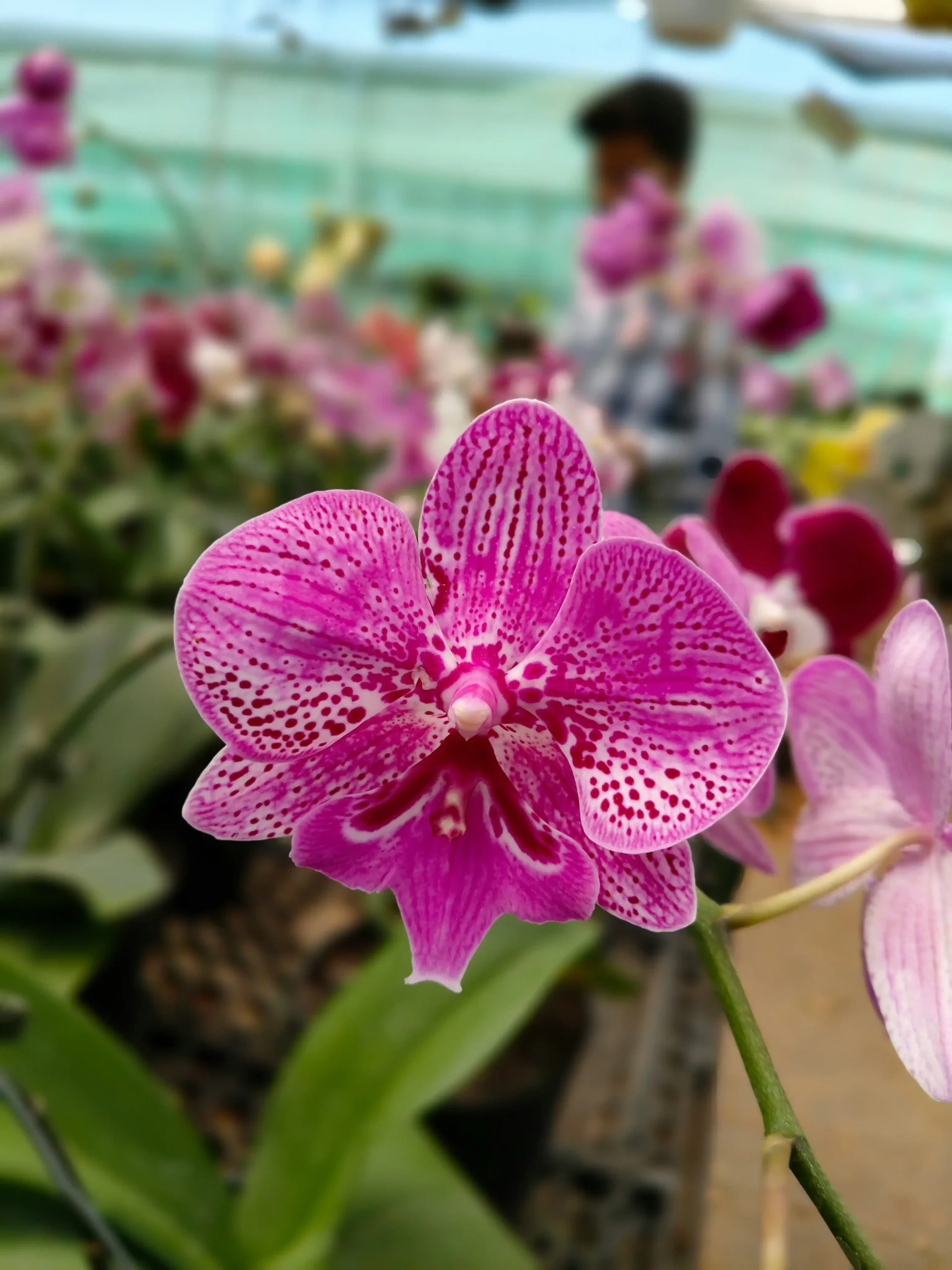
Even well cared for orchids occasionally encounter problems. Fortunately, most issues can be corrected once the underlying cause is identified. Paying close attention to leaves, roots, and flowers can help you detect problems before they become serious. Learning to recognize common symptoms allows growers to make adjustments quickly and prevent long term damage to their plants. Common orchid problems include:
- Yellow leaves
- Root rot
- Wrinkled foliage
- Flower bud drop
- Lack of blooming
- Brown leaf tips
- Soft roots
Common causes behind these problems include:
- Excessive watering
- Insufficient light
- Poor drainage
- Low humidity
- Temperature stress
- Fertilizer buildup
- Aging foliage
Orchid Pests and Diseases
Indoor orchids are generally less susceptible to pests than many houseplants, but infestations can still occur. Pests often hide beneath leaves, around flower spikes, or near the base of the plant. Regular inspections help identify problems before they spread to other houseplants. Maintaining good air circulation and avoiding excessive moisture are two of the most effective ways to prevent disease issues. Common orchid pests include:
- Mealybugs
- Spider mites
- Scale insects
- Aphids
- Fungus gnats
Disease prevention practices include:
- Avoiding overwatering
- Providing adequate airflow
- Removing dead plant material
- Keeping leaves clean
- Isolating infected plants
Seasonal Orchid Care
Although orchids are grown indoors, their growth patterns often change throughout the year. Understanding these seasonal changes helps you adjust your care routine accordingly. Many orchids grow more actively during warmer months and slow down during cooler periods. Adapting your care practices to match these natural cycles helps maintain healthy growth and improves flowering performance.
Spring and summer care focuses on:
- Active growth support
- Regular feeding
- Monitoring water needs
- Managing increased sunlight
Fall and winter care focuses on:
- Reduced watering
- Lower fertilizer application
- Monitoring indoor humidity
- Protecting from cold temperatures
Tips for Beginners Growing Orchids Indoors
Growing orchids becomes much easier once you understand their basic requirements. Many beginners lose orchids because they overwater them or place them in unsuitable locations. Focusing on a few fundamental principles can dramatically improve your success rate.
Rather than constantly changing care routines, it is usually better to provide stable growing conditions and allow the plant time to adapt. Orchids respond well to consistency and often reward patient growers with years of healthy growth and beautiful flowers. Important tips for beginners include:
- Start with a Phalaenopsis orchid
- Use a proper orchid growing medium
- Provide bright indirect light
- Water only when needed
- Avoid using regular potting soil
- Maintain good air circulation
- Repot every one to two years
- Be patient between bloom cycles
Final Thoughts
Growing orchids indoors is far easier than many people expect. Once you understand how these plants grow in nature, providing the right conditions becomes much more straightforward. Proper lighting, careful watering, adequate humidity, and a well draining growing medium form the foundation of successful orchid care.
Whether you are purchasing your first orchid or expanding an existing collection, these remarkable plants can provide years of enjoyment and stunning blooms. With consistent care and attention to their unique needs, orchids can become one of the most rewarding houseplants in your indoor garden.
With proper care, indoor orchids can live for many years and sometimes even decades. Many orchid owners successfully grow the same plant for ten years or more while enjoying regular blooms.
Aerial roots are completely normal and help orchids absorb moisture and nutrients from the air. Healthy aerial roots are a sign that the plant is growing naturally and do not necessarily mean it needs repotting.
Individual flowers can last for several months, but most orchids do not bloom continuously throughout the year. With proper care, many varieties flower once or twice annually and produce long lasting displays.
Bud drop is usually caused by sudden changes in environment such as temperature shifts, low humidity, underwatering, or moving the plant to a new location. Orchids are sensitive during the budding stage, so stability is important. Even small stress factors can cause buds to drop before opening.
Yes, in most cases tap water is fine, but it depends on water quality. If your tap water is very hard or heavily chlorinated, it may cause salt buildup in the potting medium over time. Letting water sit for a few hours before use can help reduce chlorine levels.
You should only remove roots that are dead, mushy, or clearly rotting. Healthy long aerial roots should not be cut because they help the plant absorb moisture and nutrients from the air.
Clear plastic pots with drainage holes are often ideal because they allow you to monitor root health and moisture levels. Good airflow and drainage are more important than decorative appearance.






- Be Respectful
- Stay Relevant
- Stay Positive
- True Feedback
- Encourage Discussion
- Avoid Spamming
- No Fake News
- Don't Copy-Paste
- No Personal Attacks
- Be Respectful
- Stay Relevant
- Stay Positive
- True Feedback
- Encourage Discussion
- Avoid Spamming
- No Fake News
- Don't Copy-Paste
- No Personal Attacks
