How to Keep Pothos Thriving Indoors With Lush Vines and Strong Roots
Published: 3 Jul 2026
Pothos is one of the most adaptable plants for indoor spaces, but keeping it alive is different from helping it produce dense, healthy foliage. A plant can survive in a dim corner for months while gradually developing long bare stems, smaller leaves, or weak growth.
The best results come from matching light, watering, soil, and pruning to the way this tropical vine naturally grows. With the right setup, it can produce vigorous stems, attractive leaves, and a fuller shape without demanding constant attention.
Choose the Right Spot Before You Change Anything Else
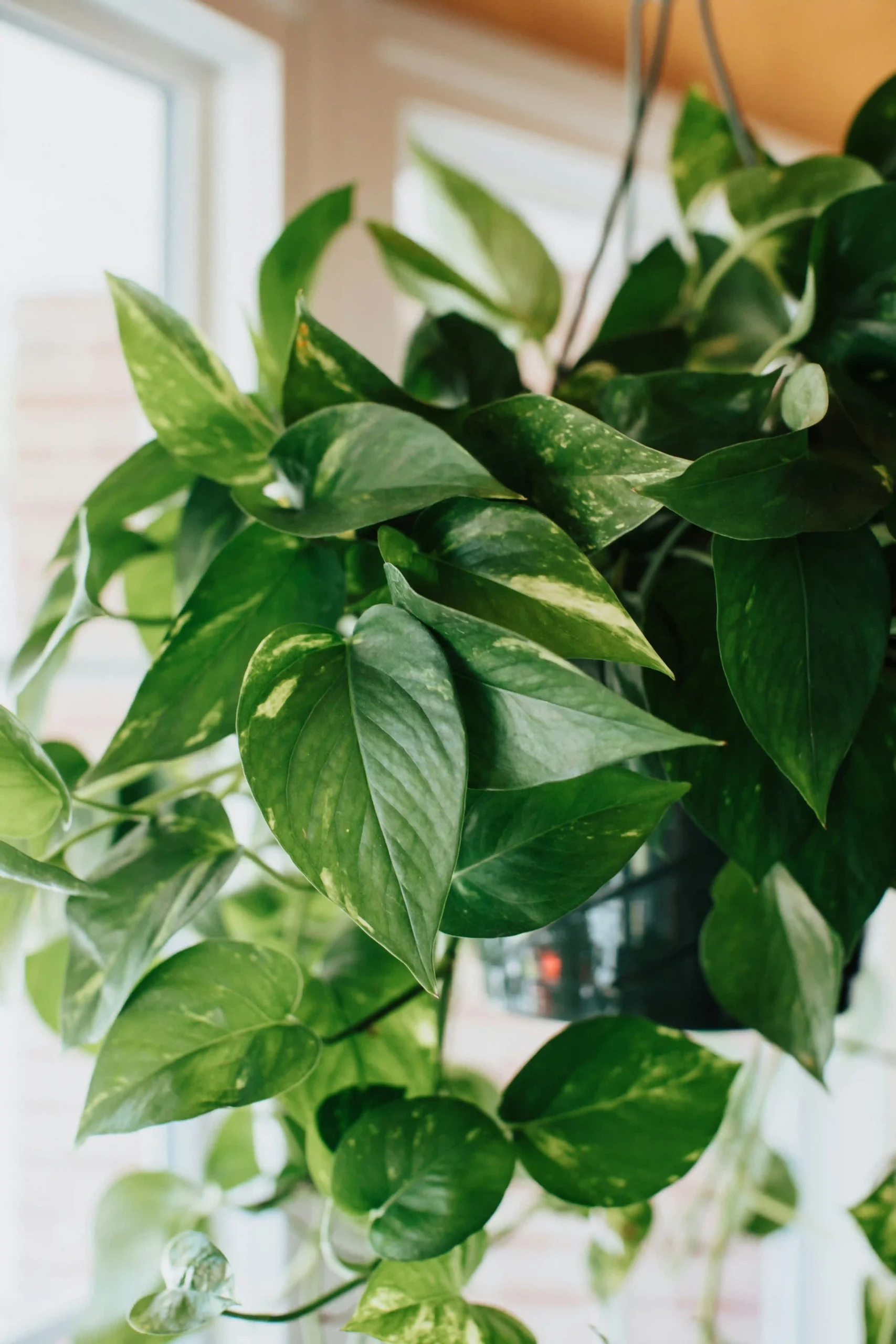
Light determines much of the plant’s appearance. Bright indirect light is ideal because it provides enough energy for strong growth without exposing the foliage to harsh afternoon sun. It can tolerate lower light, but growth becomes slower and more open.
Place the container near a bright window where sunlight is filtered through a curtain or reaches the plant indirectly. An east facing window is often convenient, while a bright south or west facing location may need protection from intense direct rays.
Variegated types need particular attention. White, cream, or yellow sections contain less chlorophyll than green tissue, so these cultivars generally need stronger light to maintain attractive patterns. If new leaves become increasingly green, inadequate light may be contributing to the loss of variegation.
A darker room does not automatically mean the plant will fail. The important difference is between surviving and growing well. If stems become widely spaced and leaves become noticeably smaller, move the container closer to a suitable light source or supplement natural light with an indoor grow light.
Build a Root Environment That Drains Quickly
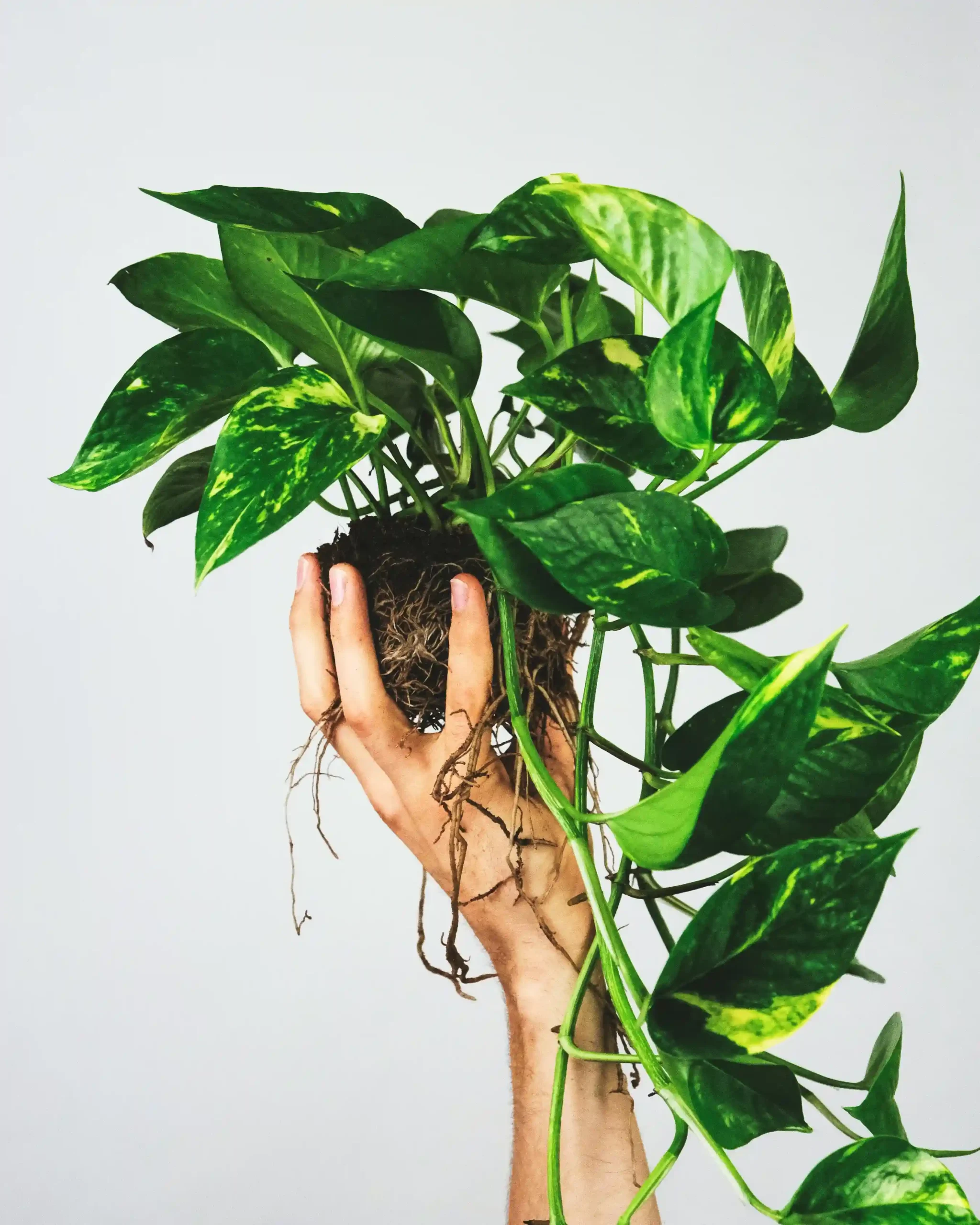
Healthy foliage begins below the surface. Pothos does not need constantly wet compost. Its roots need access to both moisture and oxygen, which is why a loose, well draining growing medium is more useful than a heavy mix that stays saturated.
Use a quality indoor potting mix and improve its structure with materials such as perlite and fine bark. The aim is not to make the container extremely dry. It should hold enough moisture for the roots while allowing excess water to escape easily.
The container matters just as much. Choose a pot with drainage holes and avoid moving a small root system into a dramatically oversized container. Excess soil around the roots can remain wet for too long, increasing the risk of root problems. The RHS also identifies overwatering and poor drainage as common causes of unhealthy houseplants.
Water According to the Soil, Not the Calendar
A fixed watering schedule is one of the easiest ways to create problems. Indoor conditions change with season, light, temperature, pot size, and airflow, so the plant may need water more frequently in one room or season than another.
Let the upper layer of growing medium dry before watering again. For a typical indoor container, checking around the top inch of compost gives you a useful indication of whether watering is necessary. RHS guidance for Epipremnum similarly recommends allowing the upper layer to dry between waterings.
When the plant needs water, soak the root area thoroughly until excess water escapes through the drainage holes. Then empty water collected in an outer pot or saucer.
Avoid both extremes. Constantly saturated soil can lead to yellowing and root damage, while repeatedly allowing the entire root ball to become bone dry can cause wilting, leaf loss, and crispy edges.
Give the Vines Enough Warmth Without Creating Stress
Stable indoor conditions are more important than trying to create a tropical greenhouse.
Keep the plant away from heating vents, radiators, cold drafts, and air conditioners that blow directly onto the foliage. Sudden changes in temperature can stress houseplants even when the average room temperature seems comfortable.
Moderate humidity is helpful, especially during very dry periods, but constantly misting the leaves is not a substitute for proper watering. Good airflow around the foliage is also important because stagnant, humid conditions can encourage disease.
If the plant is in a room where the air becomes extremely dry, increasing ambient humidity or grouping compatible plants can be more useful than repeatedly spraying the leaves.
Feed for Strong Growth Without Forcing Excess Foliage
Pothos is a relatively vigorous grower, so it does not need heavy feeding to remain healthy. Excess fertilizer can create unnecessary salt buildup and may damage roots when applied too frequently.
During active growth, use a balanced liquid houseplant fertilizer according to the product’s instructions. A weaker, consistent feeding routine is generally preferable to applying concentrated fertilizer whenever growth appears slow.
If a plant has recently been repotted into fresh, nutrient containing potting mix, additional fertilizer may not be necessary immediately.
Poor growth should not automatically be treated as a fertilizer problem. Low light, root restriction, damaged roots, and unsuitable watering can all slow growth. Correct the growing environment first before increasing feeding.
Prune Leggy Vines to Create a Fuller Plant
Long vines are part of the natural growth habit, but an unpruned plant can eventually look sparse because the distance between older leaves becomes more noticeable.
Pruning is most useful when you want to control size, remove damaged growth, or encourage a fuller appearance. Cut healthy stems just above a node, where new growth can develop from the remaining vine.
The best period for substantial pruning is during active growth. Light maintenance can be performed when necessary, while major pruning is better avoided when growth is naturally slow. Regular light pruning can encourage branching and help keep a container plant compact.
Do not throw away every healthy cutting. Sections containing viable nodes can be rooted and later planted back into the original container to increase fullness.
Decide Whether Your Plant Should Trail or Climb
This plant can create two very different indoor displays.
Allowing the stems to trail works especially well from hanging baskets, shelves, and tall planters. The vines gradually cascade downward and create a softer appearance.
Training the stems upward produces a more structured display. A moss pole, coir support, or small trellis gives aerial roots opportunities to attach as the plant climbs. Mature climbing growth can also produce larger foliage under suitable conditions. The RHS specifically notes that Epipremnum can be grown either as a trailing plant or as a climber on a moss or coir covered support.
Choose the method based on the space you have rather than forcing every plant into the same shape.
Propagate From Healthy Nodes for More Plants
Stem cuttings are one of the easiest ways to produce new plants.
Select a healthy section containing at least one node. A node is the point on the stem from which roots and new growth can develop. Place the cutting in water or a suitable growing medium while keeping the node in contact with moisture.
Water propagation makes root development easy to observe, while direct rooting in growing medium avoids the later transition from water grown roots to soil.
Keep new cuttings in bright indirect light and maintain consistent moisture. Once a strong root system has developed, move soil rooted plants into their growing container or transplant water rooted cuttings carefully.
Propagation is also useful after pruning because healthy trimmed sections do not have to go to waste.
Fix Yellow Leaves by Finding the Cause First
A yellow leaf does not automatically mean the plant needs fertilizer.
One or two older leaves may naturally yellow as they age, but widespread yellowing deserves investigation. Overwatering, poor drainage, low light, temperature stress, and root damage can all contribute to yellow foliage.
Start by checking the soil. If it remains wet for long periods, examine drainage and reduce watering frequency. If the soil is consistently dry and the plant is also wilting, underwatering may be responsible.
If the soil appears appropriate, assess light and the plant’s recent environment before changing fertilizer.
Why the Leaves Turn Brown or the Vines Become Sparse
Brown edges usually point toward environmental stress rather than a single universal cause. Dry conditions, inconsistent watering, excessive direct sunlight, or unsuitable indoor conditions can all contribute to damaged foliage.
Sparse vines are more strongly associated with insufficient light or a lack of pruning. If new leaves are becoming smaller and the spaces between them are increasing, move the plant into a brighter position before simply cutting the vines back.
Pruning can improve the shape, but it cannot compensate for inadequate light. New growth will remain weak if the underlying problem is not corrected.
Repot Only When the Roots Need More Space
Repotting is useful when roots have filled the existing container, growth has slowed despite suitable conditions, or the growing medium has become badly compacted.
Move the plant into a container only modestly larger than the current root system. A huge pot may look like an investment in future growth, but it also creates a larger volume of wet compost around relatively few roots.
After repotting, water thoroughly and return the plant to its normal bright location. Avoid immediately adding heavy fertilizer while the roots adjust.
Keep Pests From Becoming a Bigger Problem
Healthy plants are better equipped to tolerate occasional pest pressure, but indoor vines can still attract common houseplant pests.
Inspect the undersides of leaves, new growth, and stem joints regularly. Look for fine webbing, sticky residue, distorted leaves, cottony clusters, or small insects.
If you find a problem, isolate the affected plant from nearby houseplants while you identify and manage the pest. Early detection makes control much easier and reduces the chance of spreading pests throughout your indoor collection.
The Most Common Mistakes That Keep Pothos From Thriving
The plant is forgiving, but easy care does not mean that every condition is suitable. The following mistakes are particularly damaging when repeated over time:
- Keeping the soil wet continuously
- Growing in a very dark location
- Using a pot much larger than the root system
- Applying fertilizer too frequently
- Leaving long bare vines unpruned
- Placing the plant beside heating or cooling vents
- Ignoring early signs of pests
- Removing healthy foliage without correcting the underlying problem
Final Thoughts
A thriving indoor pothos is the result of balance rather than complicated care. Give the roots a loose growing medium, allow the upper soil to dry between waterings, provide bright indirect light, and keep the plant away from sudden environmental changes.
Once those foundations are right, pruning and propagation become tools for shaping the plant rather than methods for rescuing it. With consistent conditions, the vines can remain leafy, vigorous, and attractive for years.
Frequently Asked Questions (FAQs)
This usually happens because of low light, poor pruning, or stress. The plant stretches toward light, creating long bare sections between leaves.
Larger leaves usually develop when the plant gets brighter light, better nutrition, healthy roots, and vertical climbing support.
Variegated varieties lose color when they do not receive enough light. Low light causes the plant to produce more green leaves for better photosynthesis.
It grows in both, but soil usually supports faster growth and stronger long term development.
Poor rooting usually happens because nodes are missing, temperatures are too cold, or lighting is too weak.
Sparse growth usually happens because of poor light, lack of pruning, or long neglected vines.
This usually happens because of low humidity, inconsistent watering, or stress during active growth.
Leaf tearing often happens due to dry air, low humidity, or mechanical damage.
Older lower leaves may yellow naturally, but frequent yellowing often points to watering stress or root problems.
Fast drying often happens because of small pots, root crowding, strong light, or very airy soil.

- Be Respectful
- Stay Relevant
- Stay Positive
- True Feedback
- Encourage Discussion
- Avoid Spamming
- No Fake News
- Don't Copy-Paste
- No Personal Attacks
- Be Respectful
- Stay Relevant
- Stay Positive
- True Feedback
- Encourage Discussion
- Avoid Spamming
- No Fake News
- Don't Copy-Paste
- No Personal Attacks
