How to Grow and Care for Rosemary at Home: The Complete Guide
Published: 17 Apr 2026
Rosemary is a fragrant, evergreen herb that is loved for its strong aroma, needle-like leaves, and versatile uses. It is commonly grown in pots and containers and can thrive at home when given the right care.
This guide covers everything you need to know about growing rosemary successfully. After reading this, you will not need another article to get started.
What Is Rosemary
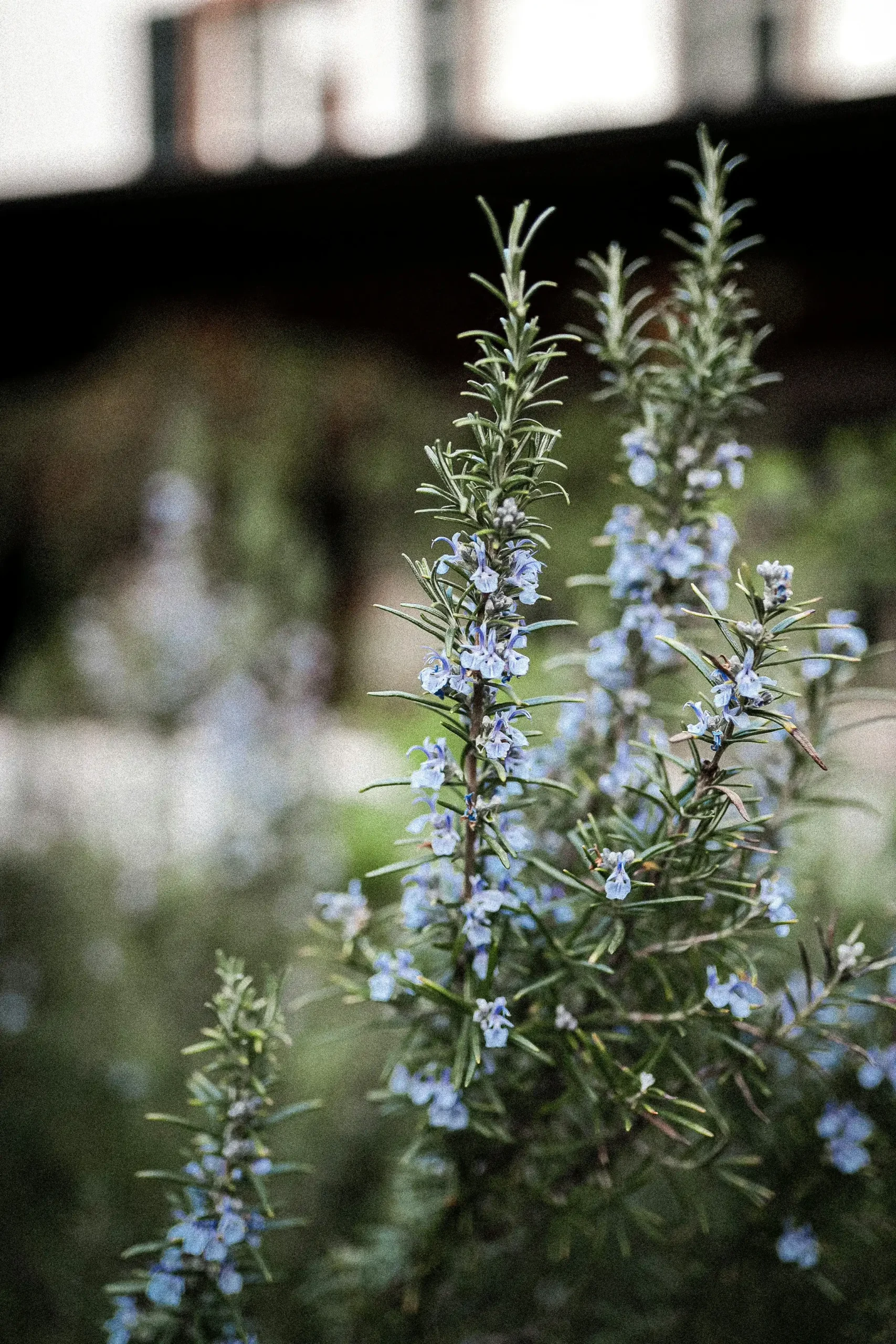
Rosemary is a woody herb that belongs to the mint family. It has thin, needle-like leaves and produces small blue or purple flowers. The plant is widely used in cooking, herbal teas, and natural remedies.
Its leaves are rich in natural oils that give it a fresh, pine-like scent. Because of its flavor and fragrance, rosemary is a favorite among gardeners and cooks.
Why Grow Rosemary at Home
Growing rosemary gives you fresh herbs anytime you need them. It is a long-lived plant and can grow for years when properly cared for. Some benefits of growing rosemary include
• Fresh herbs for cooking and tea
• Natural fragrance for your home
• Easy to grow with minimal care
• Attractive plant for your space
• Can be used for natural remedies
Choosing the Right Variety
Not all rosemary varieties grow the same way. Some grow tall and upright, while others spread out and trail. For growing in pots, compact varieties are better because they do not take too much space. Choose a variety based on the space you have. Common types include
• Upright rosemary which grows tall
• Creeping rosemary which spreads sideways
Best Location for Rosemary
Rosemary needs plenty of light to grow well. Light is the most important factor for healthy growth. A bright windowsill is usually the best spot for rosemary. Choose a spot that receives
• Bright natural light
• Several hours of sunlight daily
• Good air movement
Choosing the Right Pot
The pot you use can greatly affect the health of your rosemary. Since rosemary does not like wet roots, drainage is very important. A medium sized pot is usually enough for one plant. When selecting a pot
• Choose one with drainage holes
• Terracotta pots are best because they allow air flow
• Avoid pots that trap water
Soil Requirements
Rosemary grows best in well draining soil. Heavy or soggy soil can damage the roots and cause the plant to die. You can improve drainage by mixing sand or perlite into regular potting soil. Ideal soil conditions
• Light and sandy soil
• Good drainage
• Slightly dry rather than wet
Planting Rosemary
You can grow rosemary from seeds, but growing from cuttings is faster and easier. To plant rosemary
• Fill the pot with well draining soil
• Make a small hole in the soil
• Place the cutting or plant in the hole
• Gently cover the roots
• Water lightly after planting
Do not plant too deep, as this can harm the stem.
Watering Requirements
Proper watering is one of the most important parts of rosemary care. Overwatering is the most common reason rosemary plants fail. If the top layer of soil feels dry, it is time to water. Watering tips
• Let the soil dry between waterings
• Do not keep the soil wet
• Water less in colder months
• Always check the soil before watering
Light Requirements
Rosemary loves bright light. Without enough light, the plant will become weak and leggy. If natural light is not enough, grow lights can help. For healthy growth
• Provide at least six hours of light daily
• Place near a sunny window
• Rotate the pot for even growth
Temperature and Humidity
Rosemary prefers warm and dry conditions. It does not like very cold or very humid environments. Avoid placing the plant near cold drafts or air conditioners. Best conditions are
• Temperature between 15 and 25 degrees Celsius
• Low to moderate humidity
• Good air circulation
Fertilizing Rosemary
Rosemary does not need heavy feeding, but occasional fertilizer helps growth. Too much fertilizer can weaken the plant. Fertilizing tips
• Use a balanced liquid fertilizer
• Feed once every four to six weeks
• Avoid overfeeding
Pruning and Harvesting
Pruning keeps rosemary healthy and encourages new growth. It also helps maintain the shape of the plant. You can use the fresh leaves in cooking or dry them for later use. To prune rosemary
• Cut stems just above leaf joints
• Remove dry or damaged parts
• Do not cut more than one third at a time
Propagating Rosemary
Rosemary is easy to grow from cuttings. This is the fastest way to grow new plants. Steps to propagate
• Cut a healthy stem from the plant
• Remove lower leaves
• Place in water or soil
• Keep in a warm, bright place
Common Problems and Solutions
Rosemary is generally hardy, but problems can occur if care is not correct. Most problems can be solved by adjusting water, light, and soil conditions. Common issues include
• Yellow leaves from overwatering
• Slow growth due to low light
• Root rot from poor drainage
• Fungal issues from too much moisture
How to Use Rosemary
Rosemary is very useful and can be used in many ways. Fresh rosemary gives the best flavor and aroma. Common uses include
• Cooking and flavoring food
• Making herbal tea
• Adding fragrance to oils
• Using in natural remedies
Final Thoughts
Growing rosemary at home is simple and rewarding. With the right light, watering, and care, you can enjoy fresh rosemary throughout the year. It is a hardy herb that adds flavor, fragrance, and beauty to your space. By following these steps, you can grow a healthy rosemary plant that lasts for years. Once you start growing rosemary, you will enjoy both the plant and its many uses
Well-draining, light, and sandy soil is ideal for rosemary. Adding sand or perlite helps improve drainage.
Regular pruning encourages bushy growth. Trim the tips and avoid letting the plant grow too long and woody.
Yes, rosemary can survive indoors during winter if placed in a sunny spot away from cold drafts.
With proper care, rosemary can live for several years and continue producing fresh leaves.
Yes, fresh rosemary can be used immediately in cooking, or it can be dried and stored for later use.
To prevent root rot, use well-draining soil, avoid overwatering, and ensure the pot has proper drainage holes.




- Be Respectful
- Stay Relevant
- Stay Positive
- True Feedback
- Encourage Discussion
- Avoid Spamming
- No Fake News
- Don't Copy-Paste
- No Personal Attacks
- Be Respectful
- Stay Relevant
- Stay Positive
- True Feedback
- Encourage Discussion
- Avoid Spamming
- No Fake News
- Don't Copy-Paste
- No Personal Attacks
