Small House Plants That Stay Beautiful All Year
Published: 22 May 2026
Small house plants are perfect for adding greenery to limited spaces without making rooms feel crowded. Their compact size makes them ideal for apartments, desks, shelves, bedrooms, offices, and small indoor corners where larger plants may not fit comfortably. Even a few small plants can completely change the atmosphere of a room and make it feel fresher and more relaxing.
One of the biggest advantages of small house plants is how flexible they are. They can fit into decorative pots, hanging displays, narrow shelves, window ledges, and tabletop arrangements with very little effort. Many compact plants are also easier to maintain because they require less pruning and take up less space while still providing beautiful foliage or flowers.
Small house plants are available in many different styles. Some are grown mainly for colorful leaves, some for trailing vines, and others for compact flowers. Choosing the right plant depends on lighting conditions, humidity, watering habits, and the amount of maintenance you prefer indoors.
Why Small Indoor Plants Are So Popular
Small house plants work well in almost every indoor setting because they are easy to move and simple to style. They help soften empty spaces and create a natural indoor atmosphere without overwhelming the room.
Many people also prefer smaller plants because they are easier for beginners to manage. Large plants often require more soil, heavier containers, and larger growing areas, while compact varieties stay manageable for long periods.
- Fit well in small spaces
- Easy to move and rearrange
- Require less maintenance
- Suitable for shelves and desks
- Add greenery without clutter
- Work well in apartments and offices
Best Small Indoor House Plants
There are many excellent compact plants for indoor growing. Some tolerate low light, while others prefer brighter spaces. Mixing different leaf shapes and textures can create a more decorative indoor display.
Easy Low Maintenance Plants
These are among the easiest small plants for beginners.
- Pothos in compact containers
- Peperomia with textured foliage
- Snake Plant dwarf varieties
- Spider Plant young offsets
- ZZ Plant compact forms
- Jade Plant for succulent growth
- Fittonia with colorful leaf veins
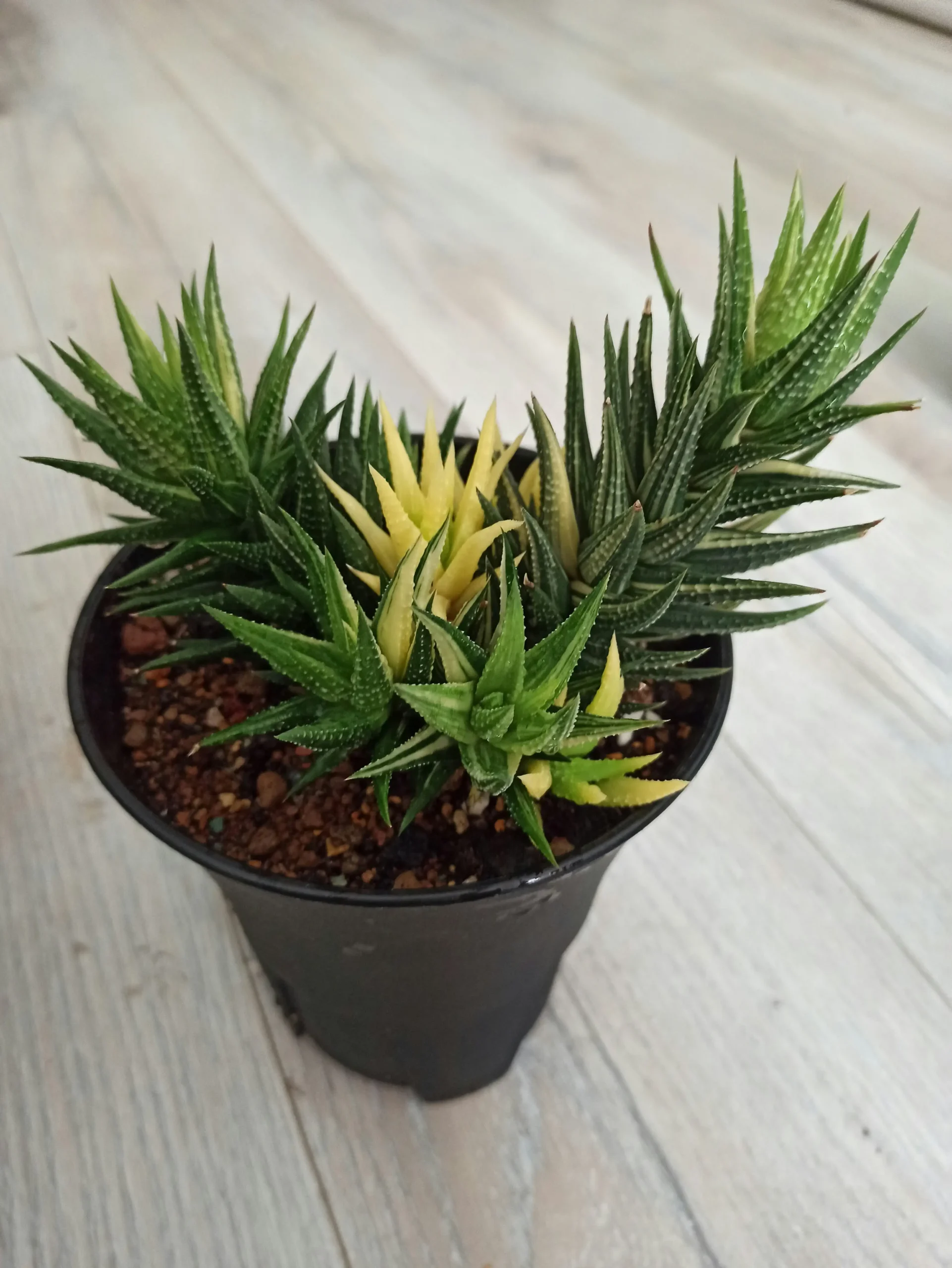
- Haworthia for small succulent displays
Small Flowering Plants
Flowering plants add extra color and brightness indoors.
- African Violet with compact blooms
- Kalanchoe with long lasting flowers
- Peace Lily smaller varieties
- Mini Begonia types
- Christmas Cactus compact plants
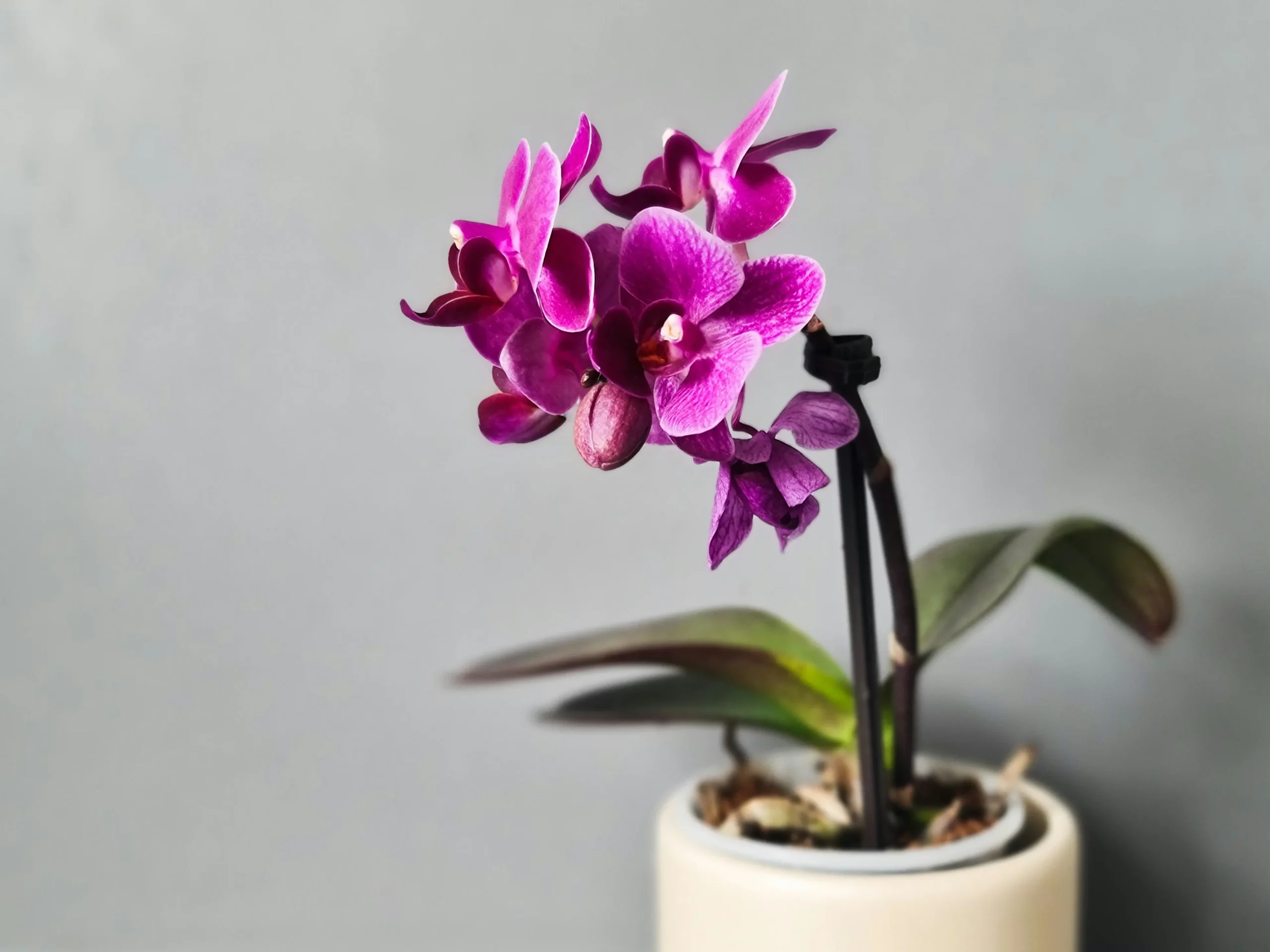
- Miniature Orchids for decorative blooms
Choosing the Right Indoor Location
Placement strongly affects plant health and growth speed. Some small plants tolerate lower light conditions, while others need bright indirect sunlight to maintain healthy foliage.
Windows with filtered light are usually ideal for most compact plants. Rooms with very little sunlight may require low light tolerant species or supplemental grow lights.
Temperature stability is also important because smaller containers dry faster and react more quickly to environmental changes.
- Place near bright indirect light
- Avoid harsh afternoon sun on delicate plants
- Keep away from heaters and cold drafts
- Rotate containers regularly
- Match the plant to the room lighting
Light Requirements
Different small house plants require different light levels. Understanding light needs helps prevent weak growth and yellowing leaves.
Low light tolerant plants grow more slowly but adapt well to offices and shaded rooms. Bright light plants usually produce stronger color and fuller growth.
Plants for Lower Light
These adapt better to moderate indoor lighting.
- ZZ Plant
- Snake Plant
- Pothos
- Peace Lily
- Philodendron
Plants for Bright Light
These species prefer stronger sunlight or grow lights.
- Succulents
- Jade Plant
- Haworthia
- Kalanchoe
- Mini flowering plants
Best Soil for Small Indoor Plants
Small containers require soil that drains well while still holding enough moisture for healthy roots. Heavy compacted soil can quickly create root problems indoors. The ideal mix should feel light and airy after watering.
- Use quality indoor potting mix
- Add perlite for drainage
- Avoid dense garden soil indoors
- Choose pots with drainage holes
- Refresh compacted soil regularly
Watering Small House Plants Properly
Small pots dry differently than large containers. Some may dry quickly in bright sunlight, while others stay moist longer in shaded areas. Overwatering is one of the most common problems because small plants need less water than many people expect. The safest approach is checking the soil before watering again.
- Water when the upper soil begins drying
- Avoid constantly wet soil
- Empty drainage trays after watering
- Reduce watering during winter
- Adjust watering based on lighting conditions
Humidity and Indoor Conditions
Many compact tropical plants appreciate moderate humidity indoors. Dry air may cause crispy leaf edges or slower growth over time. Balanced airflow helps keep foliage healthier and reduces fungal problems.
- Maintain moderate humidity
- Avoid strong dry airflow
- Group plants together naturally
- Use humidity trays if needed
- Ensure gentle air circulation
Feeding and Fertilizing
Small plants still require nutrients for healthy growth, especially during active growing seasons. However, excessive fertilizer can damage roots more quickly in small containers. Balanced feeding supports healthier leaves and stronger growth.
- Use balanced liquid fertilizer occasionally
- Feed during spring and summer
- Reduce feeding during winter
- Avoid fertilizer buildup in soil
- Water lightly before feeding
Decorative Styling Ideas
Small indoor plants are extremely versatile for decorating indoor spaces. Mixing container styles, heights, and foliage textures creates a more natural and layered appearance. Compact plants also work well in grouped arrangements because they do not overcrowd indoor spaces quickly.
- Use decorative ceramic pots
- Group plants in odd numbers
- Mix foliage textures and colors
- Create shelf displays
- Use window ledges creatively
- Combine trailing and upright plants
Common Problems and Solutions
Most small indoor plant problems are related to improper watering, weak lighting, or poor airflow. Observing leaves and soil conditions usually helps identify issues early.
- Yellow leaves caused by overwatering
- Brown tips from dry air or underwatering
- Leggy growth caused by insufficient light
- Root rot from soggy soil
- Slow growth from low nutrients
- Drooping leaves from watering imbalance
Final Thoughts
Small house plants are one of the easiest and most effective ways to bring greenery into indoor spaces without requiring large containers or complicated maintenance. Their compact size makes them flexible, decorative, and suitable for almost every room.
With proper light, balanced watering, healthy soil, and occasional maintenance, small house plants can thrive indoors for years while adding freshness and natural beauty to your home.
ZZ plants, snake plants, pothos, and peace lilies adapt well to lower indoor lighting conditions
Overwatering, poor drainage, and insufficient light are the most common causes of indoor plant failure.
Peperomia, mini snake plants, pothos, parlor palms, and succulents are popular for desks and office spaces.
All plants need light, but some species tolerate artificial lighting or very low natural light better than others.
Spider plants, peperomia, calathea, and parlor palms are commonly recommended as pet friendly choices.
Most experienced growers recommend waiting until the plant adjusts or becomes root bound.
Many plants experience temporary stress when lighting, temperature, or humidity suddenly changes.
Cast iron plants, snake plants, philodendrons, and ZZ plants are known for extreme durability.
Most beginners either overwater their plants or place them too far from windows.


- Be Respectful
- Stay Relevant
- Stay Positive
- True Feedback
- Encourage Discussion
- Avoid Spamming
- No Fake News
- Don't Copy-Paste
- No Personal Attacks
- Be Respectful
- Stay Relevant
- Stay Positive
- True Feedback
- Encourage Discussion
- Avoid Spamming
- No Fake News
- Don't Copy-Paste
- No Personal Attacks
