Why Your Indoor Echinacea Keeps Failing to Bloom
Published: 21 May 2026
Growing Echinacea indoors can bring bright colorful flowers and a natural wildflower look into your home. Although this plant is commonly grown outdoors, it can adapt surprisingly well to indoor containers when given enough sunlight and proper care. Its upright stems and bold blooms create a very different appearance compared to typical tropical houseplants.
One reason many gardeners enjoy growing coneflowers inside is their hardy nature. They tolerate occasional care mistakes better than many delicate flowering plants and can continue blooming for long periods under the right conditions. Since they naturally grow in open sunny areas, indoor success mainly depends on providing strong light and avoiding overly wet soil.
Understanding Echinacea Indoor
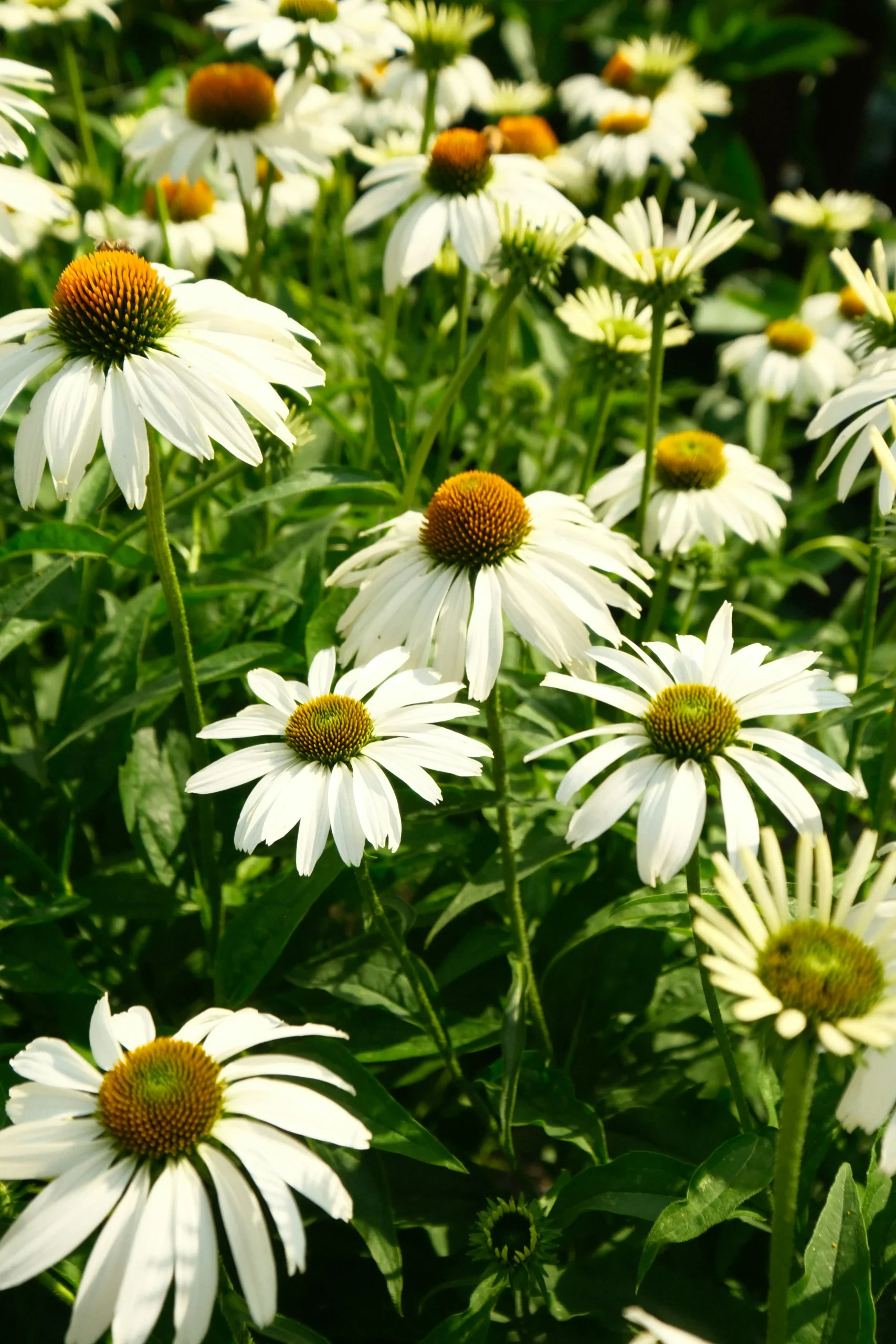
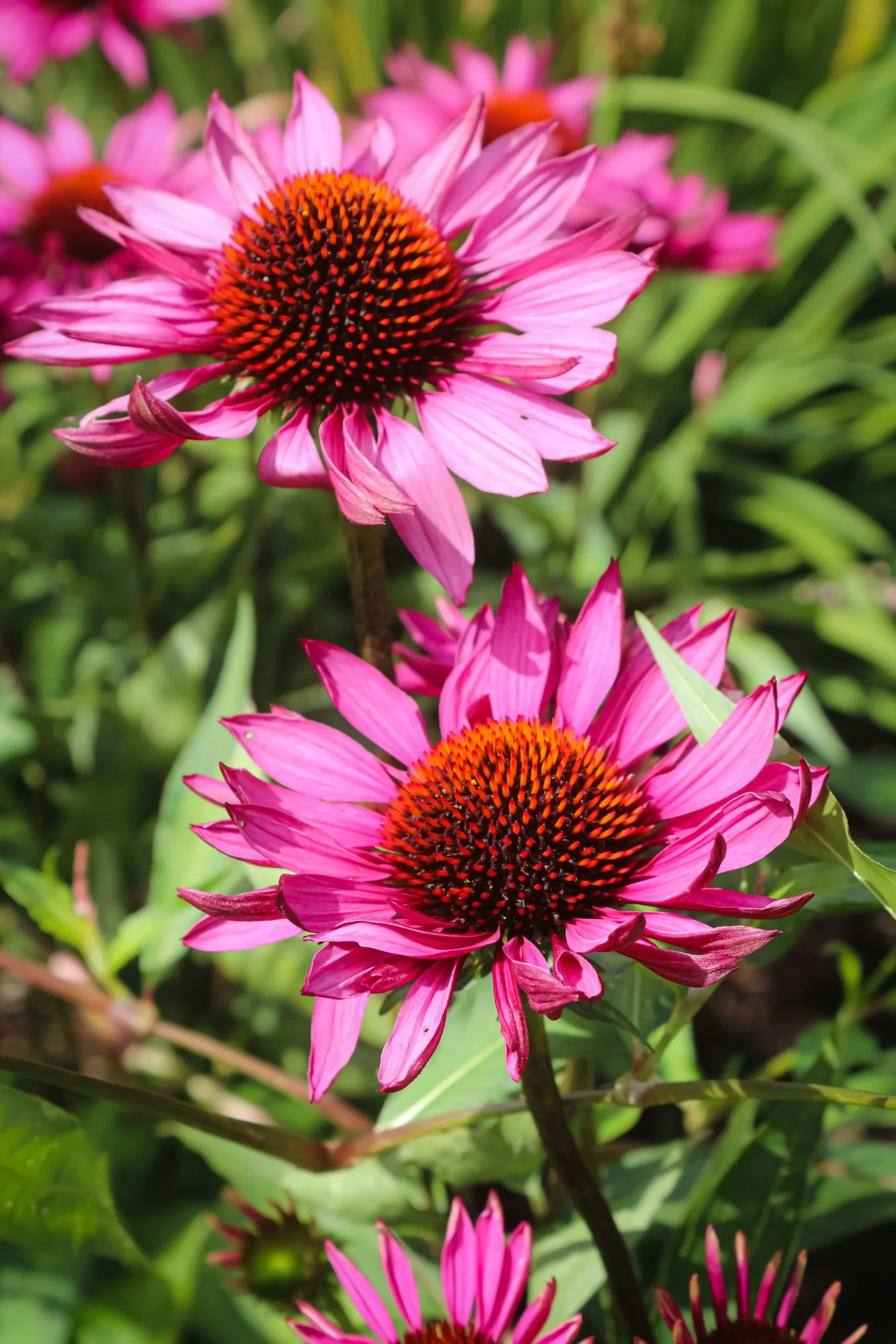
This plant naturally grows in bright open spaces with good airflow and long hours of sunlight. Indoors, growth tends to become more compact because light intensity is lower than outside. Healthy plants usually develop upright stems, textured green leaves, and colorful daisy shaped blooms with raised centers.
Because indoor conditions are different from outdoor gardens, the plant may grow more slowly inside containers. However, with stable conditions and enough brightness, it can still become an attractive flowering feature indoors.
- Upright flowering stems
- Colorful long lasting blooms
- Textured green foliage
- Compact indoor growth
- Strong developing roots
Choosing the Best Indoor Location
Placement is extremely important for healthy flowering and sturdy growth. The brightest window in the home is usually the best location. South facing windows often provide the strongest sunlight during the day, which helps maintain healthier stems and more blooms. Dark rooms or shaded corners usually lead to weak stretched growth and reduced flowering.
- Place near bright sunny windows
- South facing windows work best
- Provide several hours of sunlight daily
- Avoid dark indoor corners
- Rotate the container regularly
Light Requirements
Strong light is one of the biggest requirements for successful indoor growth. Unlike many foliage plants that tolerate moderate light, this flowering plant needs intense brightness to remain healthy and bloom consistently. If natural sunlight is weak, grow lights can help maintain healthier development.
- Provide at least 6 hours of strong light daily
- Use grow lights when needed
- Avoid long periods of low light
- Watch for stretched stems
- Keep lighting conditions consistent
Best Soil for Healthy Roots
Well draining soil is essential because overly wet roots can quickly lead to problems indoors. The soil should stay light and airy while still retaining enough moisture for steady growth. Heavy compacted soil usually causes poor root health.
- Use loose well draining potting mix
- Add perlite or coarse sand for drainage
- Avoid dense garden soil indoors
- Choose pots with drainage holes
- Replace compacted soil when necessary
Watering Properly
This plant tolerates slight dryness better than soggy conditions. Overwatering is one of the most common indoor mistakes because containers dry more slowly indoors than outdoor garden beds. The soil should dry slightly between watering sessions.
- Water when the upper soil begins drying
- Avoid constantly wet soil
- Empty drainage trays after watering
- Reduce watering during winter
- Adjust watering based on sunlight levels
Temperature and Indoor Conditions
Moderate temperatures and good airflow help maintain healthier foliage and stronger stems. Unlike tropical plants, this species does not require extremely warm humid conditions. Stable environments generally produce the best indoor results.
- Keep temperatures between 18 to 24 degrees Celsius
- Maintain gentle airflow indoors
- Avoid excessive heat buildup
- Protect from freezing conditions
- Avoid sudden environmental changes
Humidity Requirements
Average indoor humidity levels are usually suitable. Very high humidity is unnecessary and may even encourage fungal issues if airflow is poor. Balanced air circulation is often more important than humidity itself.
- Maintain moderate indoor humidity
- Ensure good airflow around the plant
- Avoid damp stagnant conditions
- Keep leaves relatively dry
- Avoid overcrowding nearby plants
Feeding and Fertilizing
Occasional feeding supports stronger flowering and healthier foliage. However, excessive fertilizer may encourage leafy growth instead of blooms. Moderate balanced feeding works best during active growth periods.
- Use balanced fertilizer every few weeks
- Feed during spring and summer
- Reduce feeding during winter
- Avoid excessive nitrogen fertilizer
- Water lightly before feeding
Pruning and Maintenance
Regular maintenance keeps the plant healthier and improves overall appearance indoors. Removing faded flowers also encourages cleaner growth. Pruning weak stems helps maintain a more compact shape.
- Remove faded flowers regularly
- Trim weak or damaged stems
- Remove yellowing leaves
- Clean fallen debris from the soil
- Support tall stems if necessary
Growing From Seeds Indoors
Starting from seeds is a popular method because seedlings adapt well to containers when grown under strong light. Germination may take some patience, but healthy seedlings usually establish steadily. Young plants require especially bright conditions during early growth.
- Start seeds in light soil mix
- Keep soil lightly moist during germination
- Provide warmth and strong light
- Thin crowded seedlings carefully
- Transplant after roots establish well
Common Problems and Solutions
Most indoor problems are caused by poor lighting or excessive moisture around the roots. Observing leaf color and stem growth often helps identify issues early.
- Weak stems from insufficient light
- Yellow leaves caused by overwatering
- Reduced blooms from low sunlight
- Root rot caused by soggy soil
- Powdery mildew from poor airflow
Encouraging Better Flowering
Consistent sunlight and balanced care are the biggest factors behind healthy flowering indoors. Plants receiving enough brightness usually develop stronger stems and more blooms.
- Provide strong daily sunlight
- Avoid excessive fertilizer use
- Maintain proper drainage
- Remove old blooms regularly
- Keep conditions stable indoors
Final Thoughts
Coneflowers can become unique and rewarding indoor flowering plants when provided with strong light and balanced care. Their bright blooms and upright growth create a bold natural appearance that stands out from many traditional indoor plants.
With proper placement, careful watering, and healthy soil conditions, they can continue growing and flowering indoors while adding vibrant color to sunny spaces.
Strong full-spectrum grow lights can help maintain healthy growth when natural light is limited.
Yes, south facing windows usually provide the strongest indoor light exposure.
Poor drainage or overly wet soil around the roots may still be causing stress.
Yes, removing old blooms encourages cleaner growth and may support additional flowering.
Poor airflow and excess humidity may encourage fungal issues like powdery mildew.
It can survive, but balanced feeding supports healthier flowering and foliage.
Plants grown from seed may take a long time before flowering fully.
This may indicate aster yellows disease, which can spread through insect activity.


- Be Respectful
- Stay Relevant
- Stay Positive
- True Feedback
- Encourage Discussion
- Avoid Spamming
- No Fake News
- Don't Copy-Paste
- No Personal Attacks
- Be Respectful
- Stay Relevant
- Stay Positive
- True Feedback
- Encourage Discussion
- Avoid Spamming
- No Fake News
- Don't Copy-Paste
- No Personal Attacks
