How to Master Growing Bougainvillea Indoors Step by Step
Published: 5 May 2026
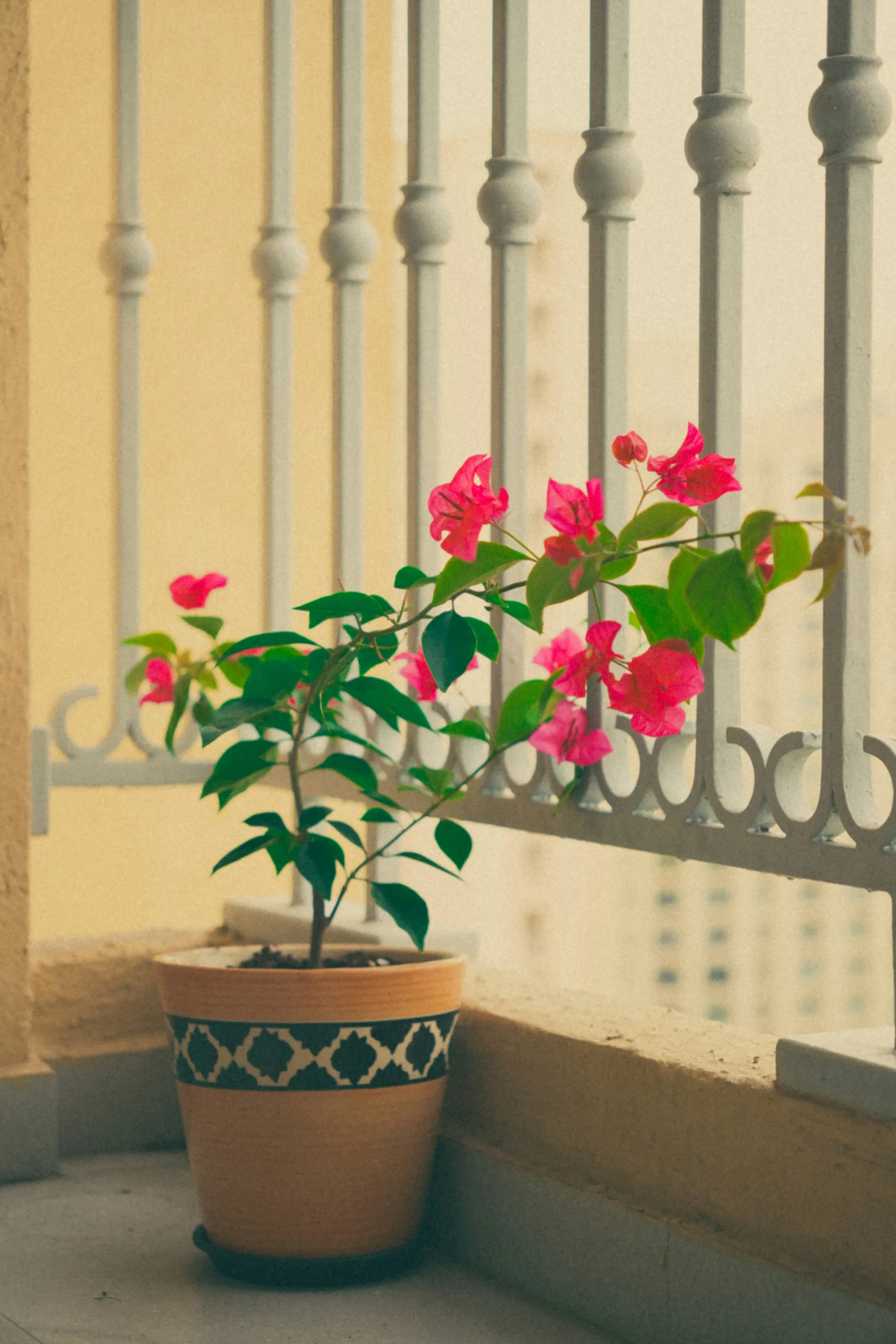
Growing Bougainvillea indoors can feel challenging at first, especially if you’re used to low-maintenance houseplants. This plant naturally thrives outdoors in hot, sunny climates, so bringing it inside means you have to recreate those conditions as closely as possible. When you get it right, though, bougainvillea rewards you with vibrant, paper-like blooms that instantly brighten up any indoor space.
Can You Grow Bougainvillea Indoors Successfully
Bougainvillea can grow indoors, but success depends on how well you meet its specific needs. Unlike typical indoor plants, it doesn’t like constant pampering. It actually performs better when conditions are slightly tough, especially when it comes to watering and root space. Understanding this mindset is key to growing it successfully indoors.
- yes, it can grow indoors with proper care
- flowering depends heavily on strong sunlight
- it prefers slightly stressful conditions to trigger blooms
- too much watering or feeding reduces flowering
Best Indoor Location for Bougainvillea
Light is the single most important factor when growing bougainvillea indoors. Without enough direct sunlight, the plant may grow leaves but will struggle to produce flowers. Choosing the brightest spot in your home makes a noticeable difference in both growth and blooming.
- place near a south-facing window for maximum light
- ensure at least 5 to 6 hours of direct sunlight daily
- rotate the plant regularly for even growth
- avoid low-light rooms or shaded corners
Ideal Temperature and Environment
Bougainvillea thrives in warm, stable environments and does not tolerate sudden changes well. Indoors, you need to protect it from cold drafts and fluctuating temperatures that can stress the plant and cause leaf drop. A consistent environment helps the plant grow stronger and adapt better.
- maintain temperatures between 18°C to 30°C
- keep away from cold drafts and air conditioning vents
- prefers moderate to slightly dry air conditions
- avoid sudden temperature fluctuations
Choosing the Right Pot and Soil
The root system of bougainvillea prefers tight conditions and excellent drainage. A pot that is too large or soil that holds too much water can lead to root rot and poor flowering. Keeping the roots slightly restricted actually encourages better blooming.
- use a pot with proper drainage holes
- keep the plant slightly root-bound
- choose a well-draining mix like sandy or cactus soil
- avoid heavy soil that retains excess moisture
Watering Bougainvillea Indoors
Watering is where most people go wrong. Bougainvillea does not like constantly moist soil and responds better when allowed to dry out between watering. This controlled dryness helps mimic its natural environment and encourages stronger growth.
- water only when the top layer of soil feels dry
- allow soil to dry slightly between watering sessions
- reduce watering during cooler months
- ensure excess water drains out completely
How to Encourage Blooms Indoors
Getting bougainvillea to bloom indoors requires a balance between light, watering, and mild stress. If the plant is too comfortable, it focuses on leaf growth instead of producing flowers. Creating the right conditions signals the plant to start blooming.
- provide consistent direct sunlight daily
- allow slight dryness between watering
- avoid excessive fertilizing
- keep roots slightly confined in the pot
Fertilizing for Healthy Growth
Fertilizer can support growth, but overfeeding often leads to lush green leaves with very few flowers. The goal is to provide just enough nutrients without encouraging excessive vegetative growth.
- use a balanced liquid fertilizer every 2 to 4 weeks
- switch to a bloom-focused fertilizer when flowering starts
- reduce feeding during winter months
- avoid heavy or frequent fertilization
Pruning and Training the Plant
Pruning plays an important role in keeping your bougainvillea manageable indoors. It encourages new growth, which is where flowers form, and helps maintain a compact shape suitable for indoor spaces.
- prune lightly after each flowering cycle
- remove weak or leggy stems
- shape the plant to control its size
- use support like a trellis if needed
Common Problems and Solutions
Indoor bougainvillea can show signs of stress if conditions are not right. Most problems are related to light, watering, or environmental changes, and fixing these quickly can restore plant health.
- leaf drop caused by sudden environmental changes
- lack of blooms due to insufficient sunlight
- root rot from overwatering
- pests like aphids or whiteflies affecting leaves
Best Time to Grow Bougainvillea Indoors
Starting at the right time gives your plant a better chance to establish and grow strong. Seasonal changes influence how well the plant adapts and how actively it grows.
- start growing in spring for best results
- summer supports strong growth and flowering
- reduce care during winter dormancy
- avoid repotting during cold months
Tips for Long-Term Success
Bougainvillea thrives when you follow a balanced care routine rather than overdoing things. Paying attention to its natural preferences will help you maintain a healthy and blooming plant over time.
- provide as much sunlight as possible
- avoid overwatering at all times
- allow the plant to experience mild stress
- maintain stable indoor conditions
- observe plant response and adjust care
Final Thoughts
Growing bougainvillea indoors becomes much easier once you understand that it doesn’t behave like a typical houseplant. It thrives on sunlight, controlled watering, and a slightly restricted environment rather than constant care and attention. When you stop over-managing it and start mimicking its natural conditions, the plant begins to respond in a much healthier way.
With patience and consistency, you’ll start to see stronger growth and eventually those bright, eye-catching blooms. At that point, all the effort feels worth it, and maintaining the plant becomes a simple, rewarding routine.
Bougainvillea can survive in bright indirect light, but it will struggle to bloom. Without direct sunlight, you’ll mostly see leafy growth instead of flowers.
Yes, it can be grown in hanging baskets, especially dwarf varieties. However, it still needs strong sunlight and careful watering to thrive.
Brown leaves are usually caused by inconsistent watering, low humidity, or sudden environmental changes like temperature drops or drafts.
Bougainvillea has thorns and mild toxicity, so it’s best to keep it out of reach of pets and children.
Flower drop can happen due to stress from changes in light, temperature, or watering routine.
Yes, bougainvillea can be trained as a bonsai with careful pruning and root control, making it suitable for small indoor spaces.
Check light, watering, and soil conditions first. Correcting these factors and removing damaged parts can help the plant recover.
Yes, especially dwarf varieties or well-pruned plants that can be kept compact and manageable.

- Be Respectful
- Stay Relevant
- Stay Positive
- True Feedback
- Encourage Discussion
- Avoid Spamming
- No Fake News
- Don't Copy-Paste
- No Personal Attacks
- Be Respectful
- Stay Relevant
- Stay Positive
- True Feedback
- Encourage Discussion
- Avoid Spamming
- No Fake News
- Don't Copy-Paste
- No Personal Attacks
