Ficus Plant Care Indoor: Mistakes You Must Avoid
Published: 15 May 2026
Growing a Ficus indoors is one of the best ways to create a lush, elegant atmosphere inside your home. These tropical plants are admired for their glossy foliage, tree like appearance, and ability to adapt beautifully to indoor spaces when cared for properly.
Many people also refer to these plants as indoor figs because ficus belongs to the fig family. Popular houseplants like the weeping fig, rubber plant, and fiddle leaf fig are all part of this group. While each variety looks different, their indoor care needs are quite similar.
One reason these plants are so popular is their ability to become long lasting statement pieces indoors. With enough light and stable conditions, they can grow into impressive indoor trees that instantly make a room feel more alive and natural.
Understanding Indoor ficus Plants
Indoor fig plants naturally come from warm tropical environments where they receive filtered sunlight, steady warmth, and moderate humidity. Inside the home, they grow best when those conditions are recreated as closely as possible. These plants can sometimes seem sensitive at first, especially after being moved into a new environment. Temporary leaf drop is common while the plant adjusts. Once it becomes comfortable in its location, growth usually stabilizes and the foliage becomes fuller.
Different varieties offer different looks. Some have large dramatic leaves, while others produce smaller elegant foliage with arching branches.
- Weeping varieties with graceful hanging growth
- Rubber plants with thick glossy leaves
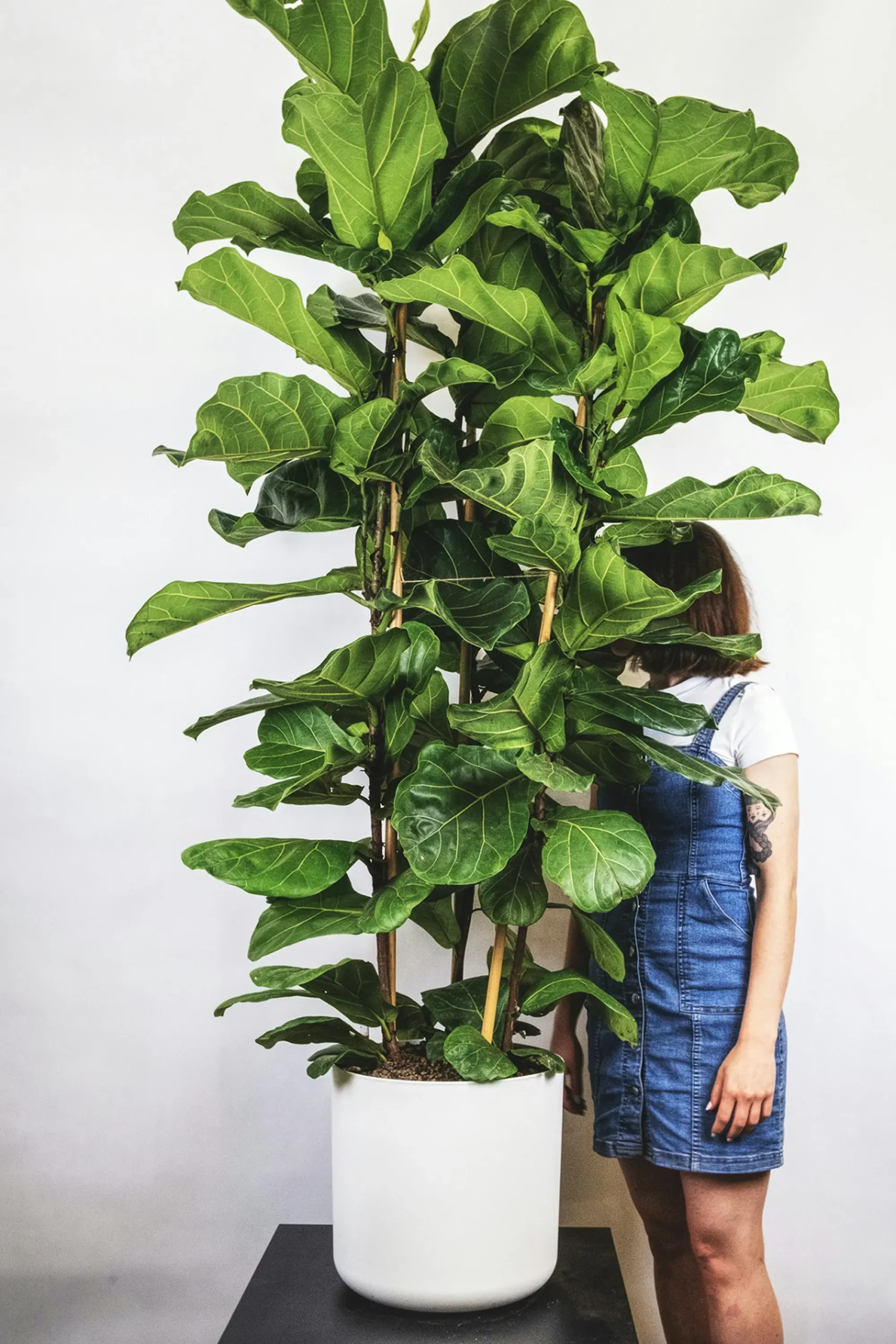
- Fiddle leaf types with large decorative foliage
- Compact dwarf options for smaller rooms
- Variegated forms for extra color contrast
Choosing the Right Location
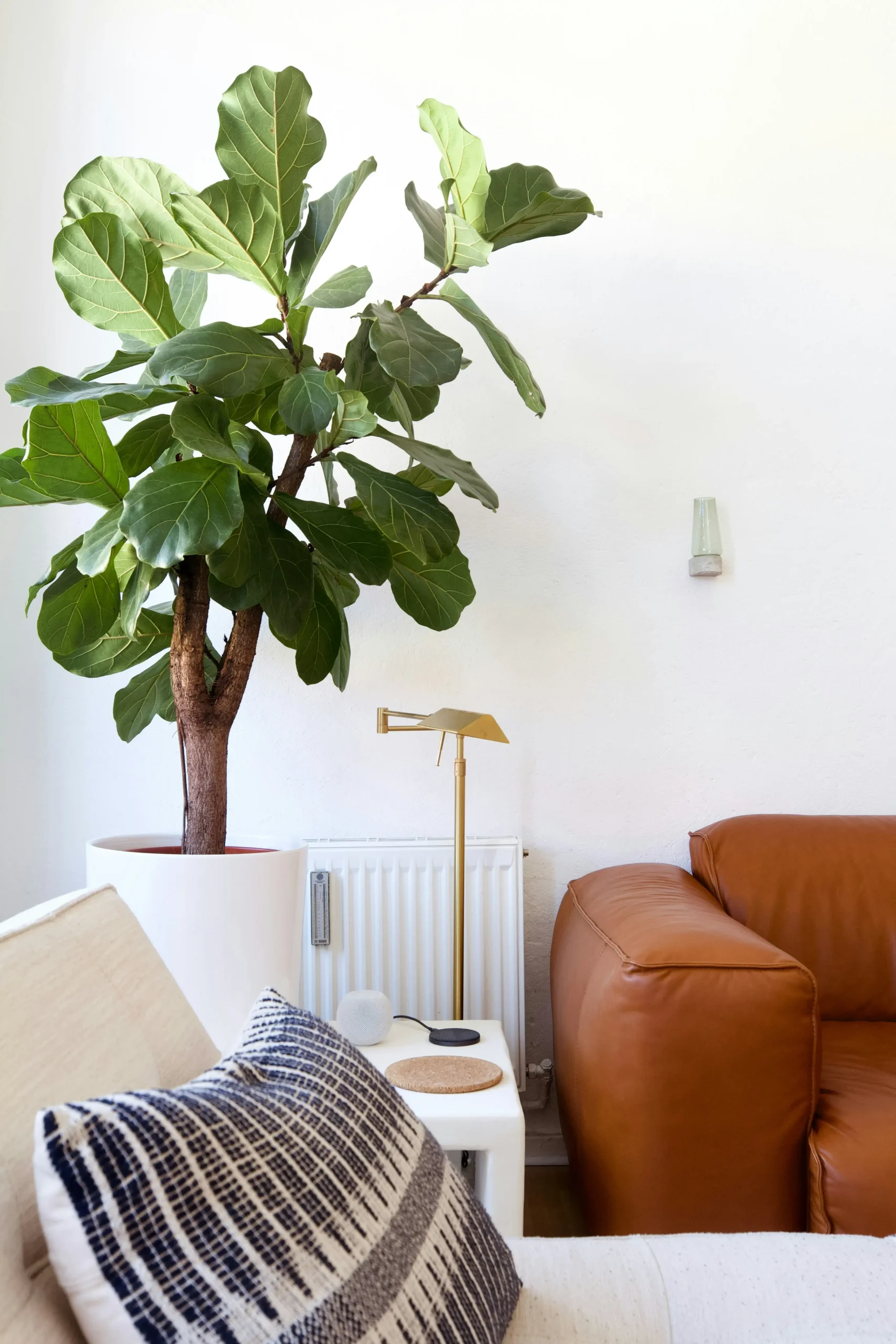
Placement has a major impact on growth and leaf health. These indoor trees prefer stable environments and usually react poorly to constant movement or sudden temperature changes. Bright areas with indirect sunlight provide the best conditions for healthy foliage and steady growth.
- Place near bright windows with filtered light
- East or south facing windows work well
- Avoid very dark corners indoors
- Keep away from strong drafts
- Avoid moving the plant too frequently
Light Requirements
Good lighting is one of the most important parts of indoor care. Without enough light, growth slows down and leaves may begin to drop. Most indoor figs thrive in bright indirect sunlight where they receive enough energy without being exposed to harsh heat.
- Provide several hours of bright light daily
- Filter intense afternoon sunlight if needed
- Rotate the container regularly
- Use grow lights in darker rooms
- Watch for pale or stretched growth
Soil and Potting Mix
Healthy roots depend heavily on loose, well draining soil. Heavy compacted mixes hold too much water and increase the risk of root problems. A balanced indoor potting mix helps maintain airflow while still holding enough moisture for steady growth.
- Use quality indoor potting soil
- Add perlite for improved drainage
- Avoid dense garden soil indoors
- Choose containers with drainage holes
- Replace compacted soil when necessary
Watering Properly
Consistent watering is essential, but overwatering is one of the most common mistakes. These plants prefer lightly moist soil rather than constantly wet conditions. Allowing the top layer of soil to dry slightly between watering usually works best.
- Water when the top soil feels slightly dry
- Avoid soggy soil conditions
- Empty excess water from trays
- Reduce watering during winter
- Keep watering routines consistent
Temperature and Indoor Environment
Warm and stable temperatures help indoor fig plants remain healthy and reduce stress related leaf drop. Sudden environmental changes are often more harmful than slightly imperfect conditions.
- Keep temperatures between 18 to 27 degrees Celsius
- Protect from cold drafts
- Keep away from heaters and air conditioners
- Maintain gentle airflow
- Avoid freezing conditions completely
Humidity Needs
Most varieties appreciate moderate humidity indoors, especially during dry seasons. Low humidity can sometimes lead to brown leaf edges. Balanced humidity helps maintain healthy glossy foliage.
- Maintain moderate indoor humidity
- Mist lightly during very dry weather
- Use humidity trays if needed
- Group plants together naturally
- Ensure airflow around the leaves
Feeding and Fertilizing
Indoor trees benefit from occasional feeding during active growth periods. Proper nutrients support stronger stems and healthier foliage. Too much fertilizer, however, can damage roots and create salt buildup.
- Use balanced liquid fertilizer every few weeks
- Feed during spring and summer
- Reduce feeding during winter
- Avoid excessive fertilizer use
- Flush soil occasionally if buildup appears
Repotting and Root Growth
As the plant matures, roots gradually fill the container and may need additional space. Repotting refreshes the soil and encourages healthier development. Repotting should be done carefully to avoid unnecessary stress.
- Repot every few years if needed
- Choose slightly larger containers only
- Replace old compacted soil
- Handle roots gently during repotting
- Water lightly afterward
Pruning and Shaping
Regular pruning helps maintain a cleaner shape and encourages fuller growth indoors. It also improves airflow between branches. Careful trimming keeps larger varieties manageable inside the home.
- Remove damaged or yellow leaves
- Trim leggy branches carefully
- Use clean pruning tools
- Avoid heavy pruning at once
- Prune during active growing seasons
Common Problems and Solutions
Most indoor problems happen because of watering imbalance, poor lighting, or environmental stress. Fortunately, these issues are usually manageable when identified early.
- Leaf drop caused by sudden changes
- Yellow leaves from excessive watering
- Brown edges due to dry indoor air
- Weak growth from insufficient light
- Root rot caused by poor drainage
Final Thoughts
Indoor figs are among the most rewarding houseplants for creating a bold tropical atmosphere inside the home. Their elegant structure, decorative foliage, and long lifespan make them excellent centerpiece plants for living rooms, offices, and indoor corners.
With proper light, stable temperatures, and balanced watering, these beautiful indoor trees can thrive for many years while becoming one of the most striking parts of your indoor garden.
Leaf drop is commonly caused by sudden environmental changes, overwatering, or low light.
It is better to avoid direct airflow because sudden temperature changes can stress the plant.
Brown spots may happen because of dry air, watering issues, or excessive sunlight.
Leaning usually happens because the plant is reaching toward a light source.
Yes, some varieties can grow quite tall indoors when given enough space and proper care.
Yes, during warm weather it can benefit from outdoor conditions in filtered light.
Yes, healthy plants often grow new leaves once conditions improve.
Light misting can help during very dry conditions, but excessive moisture should be avoided.



- Be Respectful
- Stay Relevant
- Stay Positive
- True Feedback
- Encourage Discussion
- Avoid Spamming
- No Fake News
- Don't Copy-Paste
- No Personal Attacks
- Be Respectful
- Stay Relevant
- Stay Positive
- True Feedback
- Encourage Discussion
- Avoid Spamming
- No Fake News
- Don't Copy-Paste
- No Personal Attacks
