Stop Whiteflies Before They Kill Your Indoor Plants
Published: 25 May 2026
Whiteflies are one of the most frustrating pests indoor gardeners deal with. These tiny flying insects may look harmless at first, but they multiply quickly and can weaken plants surprisingly fast. Once they settle on indoor plants, they begin feeding on sap, damaging leaves, slowing growth, and creating sticky residue that attracts additional problems.
The difficult part about whiteflies is how quickly they spread indoors. A small unnoticed infestation can turn into a larger problem within a short period, especially in warm indoor conditions where plants grow close together.
Fortunately, whiteflies can be controlled successfully if action is taken early and treatments are applied consistently. Understanding how they behave is the key to stopping them before they seriously damage your indoor garden.
What Whiteflies Look Like
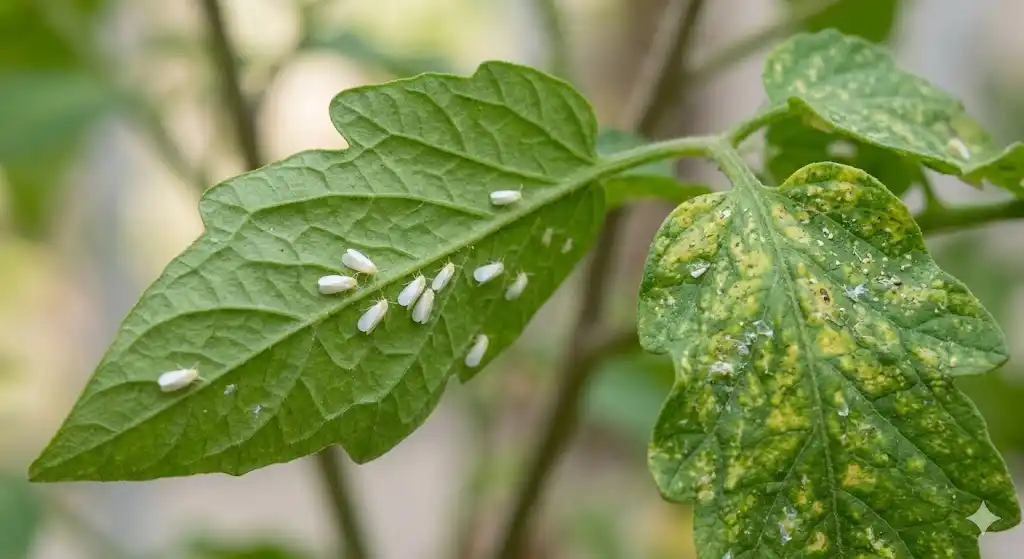
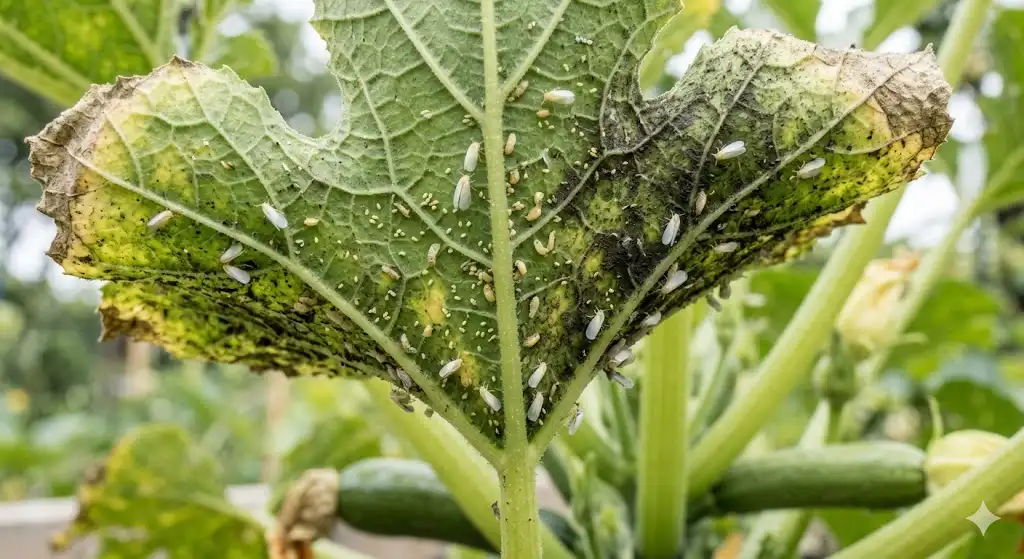
Whiteflies are tiny soft bodied insects that appear white or pale yellow. They usually gather underneath leaves where they feed and reproduce. When disturbed, they often fly upward in small clouds around the plant. Many people mistake them for tiny moths because of their powdery white wings.
The immature stages are harder to notice because they remain attached to leaf surfaces and look almost scale like. Plants with soft leafy growth are usually attacked more aggressively than tougher plants. Common signs include:
- Small white insects flying when leaves are touched
- Clusters underneath leaves
- Sticky residue on foliage or nearby surfaces
- Yellowing or weakening leaves
- Slow unhealthy plant growth
Why Whiteflies Are Harmful Indoors
Whiteflies damage plants by sucking sap from leaves and stems. This weakens the plant over time and interferes with normal growth. As they feed, they produce a sticky substance called honeydew. This sticky coating attracts fungal growth and dust, leaving leaves dirty and unhealthy looking. Indoor plants already dealing with low light or watering problems often struggle even more when whiteflies appear. Heavy infestations may cause:
- Yellowing foliage
- Leaf drop
- Stunted growth
- Curling leaves
- Weak new growth
- Increased plant stress
Plants Most Commonly Affected
Whiteflies attack many indoor plants, but some species are more vulnerable than others. Soft leaved plants and fast growing foliage plants tend to attract them more frequently. Dense foliage gives the insects more hiding places and makes infestations harder to detect early. Common targets include:
- Hibiscus
- Coleus
- Pothos
- Tomato seedlings indoors
- Herbs
- Fuchsia
- Begonias
- Geraniums
How Whiteflies Spread Indoors
Whiteflies often enter homes through newly purchased plants, outdoor plants brought inside, or open windows during warm weather. Once indoors, they spread quickly between nearby plants. Because the insects reproduce rapidly, even a few adults can eventually create a major infestation. Common causes include:
- Bringing infested plants indoors
- Poor airflow around plants
- Overcrowded indoor gardens
- Lack of routine leaf inspection
- Warm indoor temperatures
Early Signs You Should Never Ignore
Catching the problem early makes treatment much easier. The first signs are often subtle and easily overlooked. Many growers notice sticky leaves before actually seeing insects. Checking underneath leaves regularly is one of the best prevention habits. Watch for:
- Tiny flying insects around plants
- Sticky shiny residue on leaves
- Fading or yellow spots
- Weak new growth
- White insects underneath leaves
- Leaves feeling slightly tacky
Isolating Infected Plants
One of the first things you should do after discovering whiteflies is separate the affected plant from healthy ones. This helps slow the spread and protects the rest of your indoor collection. Keeping infected plants separate during treatment improves control success significantly. Isolation reduces:
- Insect movement between plants
- Egg spreading
- Larger infestations
- Repeated reinfestation cycles
Washing Whiteflies Off the Plant
Physical removal is one of the simplest first steps. While it usually does not eliminate the entire infestation alone, it helps reduce insect numbers quickly. A gentle rinse removes many adults and weakens the population. Focus especially on the undersides where insects gather most heavily. Helpful methods include:
- Rinsing leaves with lukewarm water
- Wiping leaf undersides carefully
- Using a soft spray to dislodge insects
- Cleaning sticky residue from foliage
Using Yellow Sticky Traps
Yellow sticky traps are extremely effective for monitoring and reducing adult whitefly populations indoors. Whiteflies are strongly attracted to bright yellow surfaces. Although traps alone rarely solve severe infestations, they work very well alongside other treatments. Sticky traps help by:
- Capturing flying adults
- Monitoring infestation severity
- Slowing reproduction cycles
- Identifying problem areas quickly
Insecticidal Soap Treatments
Insecticidal soaps are commonly used indoors because they are effective against soft bodied insects while being gentler than harsh chemicals. The spray works by coating and damaging the insects directly. Consistency matters more than a single heavy treatment. For best results:
- Spray both upper and lower leaf surfaces
- Repeat treatments consistently
- Avoid spraying under intense sunlight
- Test sensitive plants first
- Apply during cooler parts of the day
Neem Oil for Whiteflies
Neem oil is another widely used option for controlling indoor pests. It helps disrupt feeding and reproduction while also coating insects. Regular applications are often necessary because eggs may survive initial treatment. Heavy infestations may require stronger control methods in addition to neem oil. Neem oil works best when:
- Applied consistently over time
- Used on both sides of leaves
- Combined with pruning and cleaning
- Applied before infestations become severe
Pruning Severely Infested Areas
Sometimes the fastest way to reduce whiteflies is removing heavily infested foliage entirely. This immediately lowers insect numbers and improves airflow around the plant. Dispose of removed material carefully to avoid spreading pests elsewhere indoors.
- Severely damaged leaves
- Dense overcrowded growth
- Weak yellow foliage
- Areas heavily covered with insects
Improving Indoor Conditions
Weak stressed plants attract pests more easily. Improving growing conditions helps plants recover faster and resist future infestations better. Healthy plants are more resilient overall. Good plant care reduces long term pest pressure indoors. Helpful improvements include:
- Increasing airflow around plants
- Avoiding overcrowding
- Providing balanced watering
- Improving lighting conditions
- Cleaning leaves regularly
Preventing Future Whitefly Problems
Prevention is much easier than dealing with a severe infestation later. Routine monitoring helps catch problems before they spread widely. Regular observation is one of the most powerful pest control habits. Prevention tips include:
- Inspect new plants carefully
- Quarantine new arrivals temporarily
- Check leaf undersides regularly
- Keep indoor spaces clean
- Remove weak damaged foliage quickly
Final Thoughts
Whiteflies can become a serious indoor plant problem if ignored, but early action and consistent treatment usually bring them under control successfully. The key is combining several methods instead of relying on only one solution.
With proper inspection, regular cleaning, improved airflow, and targeted treatments like sticky traps or insecticidal soap, indoor plants can recover and continue growing healthily without long term damage.
Overcrowded plants, weak airflow, and bringing infested plants indoors are common causes.
Hibiscus, poinsettias, tomatoes, herbs, and soft leaf tropical plants are commonly affected.
Whiteflies mainly harm plants and are not considered dangerous to people.
Weak stressed plants from poor watering conditions may become more vulnerable.
Yes, honeydew may encourage sooty mold growth on foliage.
Bright warm rooms with many plants are especially attractive to whiteflies.
Whiteflies directly damage leaves and plant health, while fungus gnats mainly affect soil conditions.
They prefer softer foliage but may occasionally appear on succulents.

- Be Respectful
- Stay Relevant
- Stay Positive
- True Feedback
- Encourage Discussion
- Avoid Spamming
- No Fake News
- Don't Copy-Paste
- No Personal Attacks
- Be Respectful
- Stay Relevant
- Stay Positive
- True Feedback
- Encourage Discussion
- Avoid Spamming
- No Fake News
- Don't Copy-Paste
- No Personal Attacks
