Hydroponic Eggplants Grow Faster With Proper Lighting and Nutrients
Published: 30 May 2026
Growing eggplant in a hydroponic system is one of the most effective ways to produce strong healthy plants with faster growth and cleaner root conditions than traditional soil gardening. Because nutrients are delivered directly through water, plants can focus more energy on leaf development, flowering, and fruit production instead of searching through soil for moisture and minerals.
Eggplants adapt surprisingly well to hydroponic systems when environmental conditions remain stable. They require stronger lighting and warmer temperatures than leafy greens, but they reward growers with vigorous growth and high yields when properly maintained. Many home gardeners successfully grow hydroponic eggplants indoors, in greenhouses, on balconies, and in protected growing rooms.
Unlike smaller hydroponic crops such as lettuce or herbs, eggplants become larger and heavier over time. Their size means they need better root support, stronger lighting, stable nutrient management, and physical support structures once fruits begin forming. Choosing the right system and maintaining proper environmental balance is essential for long term healthy growth.
Why Grow Eggplant Hydroponically
Hydroponic growing offers several advantages for eggplants because roots receive a constant supply of oxygen, nutrients, and water in controlled conditions. Plants often grow faster and produce more consistently than those grown in traditional soil gardens.
Another major advantage is cleanliness and efficiency. Indoor hydroponic systems reduce many soil related problems such as compaction, muddy conditions, and certain root diseases. Water usage is also more efficient because many systems recycle nutrient solution instead of losing water into surrounding soil.
Hydroponic systems are especially useful for gardeners with limited outdoor space because productive plants can be grown indoors throughout much of the year with proper lighting and temperature control. Main benefits include:
- Faster growth rates
- Cleaner root environment
- Better nutrient control
- Reduced soil problems
- Efficient water usage
- Suitable for indoor growing
- Higher productivity in controlled conditions
Best Eggplant Varieties for Hydroponics
Choosing the right variety makes hydroponic growing easier, especially for indoor gardeners working with limited space. Compact and medium sized varieties are usually more manageable because they require less vertical space and structural support.
Small fruited varieties are often highly productive and easier to maintain indoors. They also mature faster in many hydroponic systems compared to large traditional varieties. Compact varieties are often preferred for home hydroponic systems because they adapt better to containers and indoor lighting setups.Popular varieties include:
- Fairy Tale eggplant
- Little Finger
- Hansel
- Gretel
- Ichiban Japanese eggplant
- Black Beauty
Best Hydroponic Systems for Eggplant
Eggplants require stable root support and consistent nutrient delivery because mature plants become heavy once fruits develop. Larger hydroponic systems generally perform better than very small countertop setups.
Deep Water Culture systems can support eggplants successfully if the root zone remains highly oxygenated. These systems suspend roots directly into nutrient rich water while air pumps provide oxygen continuously. Healthy oxygen levels are extremely important because poor aeration may quickly damage roots.
Drip systems are another excellent option because they provide steady controlled nutrient delivery directly to the root zone. These systems are especially useful for larger fruiting plants because moisture and nutrients can be adjusted more precisely.
Dutch bucket systems are commonly used for larger hydroponic fruiting crops. They provide excellent drainage, strong root support, and enough growing space for mature plants. Commonly used systems include:
- Deep Water Culture systems
- Drip hydroponic systems
- Dutch bucket systems
- Recirculating hydroponic setups
Lighting Requirements
Strong lighting is one of the most important factors for successful hydroponic eggplant production. These plants require significantly more light than leafy greens because flowering and fruit production consume large amounts of energy.
Without enough light, plants may become stretched, weak, and less productive. Flowering may decline, and fruits often remain small or fail to develop properly.
Indoor growers usually rely on full spectrum LED grow lights because they provide strong consistent illumination while producing less heat than older lighting systems. Healthy lighting practices include:
- Provide strong bright light daily
- Maintain consistent lighting schedules
- Position lights properly above plants
- Rotate plants if needed for even growth
- Avoid weak shaded growing locations
Poor lighting commonly causes:
- Leggy stems
- Weak flowering
- Slow growth
- Small fruit development
- Pale foliage
Temperature Requirements
Eggplants are warm season plants and perform best in stable warm environments. Cold temperatures can slow growth dramatically and interfere with flowering and fruit production.
Indoor hydroponic growers usually achieve the best results by maintaining moderate warmth while avoiding sudden temperature fluctuations. Consistency is especially important once flowering begins. Warm conditions support:
- Faster growth
- Better flowering
- Improved fruit development
- Stronger foliage production
Cold stress may lead to:
- Flower drop
- Weak growth
- Reduced fruit production
- Slower nutrient uptake
Nutrient Requirements
Hydroponic eggplants are considered relatively heavy feeders because they continuously produce leaves, flowers, and fruit throughout the growing cycle. Balanced nutrients are essential for maintaining healthy development over long periods.
Nitrogen supports leafy growth during early development, while phosphorus and potassium become especially important during flowering and fruiting stages. Calcium is also critical because deficiency problems may affect fruit quality. Nutrient imbalance often causes visible problems such as poor flowering, weak stems, leaf discoloration, or blossom end rot. Important nutrients include:
- Nitrogen
- Phosphorus
- Potassium
- Calcium
- Magnesium
- Trace minerals
Best Growing Mediums
Even though hydroponics does not use traditional soil, roots still need physical support from a growing medium. The best mediums hold moisture while still maintaining airflow around the roots.
Clay pebbles are especially popular because they provide strong aeration and excellent drainage. Coco coir also works well because it retains moderate moisture while remaining airy around the roots. Popular growing mediums include:
- Clay pebbles
- Coco coir
- Rockwool
- Perlite blends
The ideal growing medium should provide:
- Good drainage
- Strong root support
- Balanced moisture retention
- Healthy root aeration
Pollination Indoors
Outdoor eggplants are naturally pollinated by insects and wind movement, but indoor hydroponic systems usually require manual assistance because pollinators are absent.
Lightly shaking flowering branches often helps transfer pollen successfully. Some growers also use small brushes or fans to improve pollination indoors. Helpful pollination practices include:
- Gently shake flowering stems
- Improve airflow around flowers
- Maintain healthy humidity levels
- Support flowering with strong lighting
Pruning and Plant Support
As hydroponic eggplants mature, stems become heavier from foliage and developing fruits. Physical support structures help prevent branches from bending or snapping under the weight.
Pruning also improves airflow and helps direct plant energy toward healthier fruit production instead of overcrowded foliage growth. Support methods include:
- Stakes
- Tomato cages
- Trellises
- Soft plant ties
Helpful pruning practices include:
- Remove damaged leaves
- Improve lower airflow
- Thin overcrowded growth
- Support balanced plant structure
Water and Oxygen Levels
Healthy roots require constant oxygen exposure in hydroponic systems. Poor oxygenation is one of the fastest ways to damage hydroponic eggplants because roots remain continuously exposed to water.
Water temperature and circulation both strongly affect root health. Stagnant nutrient solution often increases the risk of root diseases and slower growth. For healthier roots:
- Maintain strong aeration
- Replace nutrient solution regularly
- Avoid stagnant water conditions
- Monitor water temperatures carefully
Common Problems
Most hydroponic eggplant problems are related to lighting imbalance, poor nutrient management, weak airflow, or unstable environmental conditions.
Many issues become visible first through leaf discoloration, flower drop, or weak fruit development. Common problems include:
- Blossom drop from temperature stress
- Weak fruiting from insufficient light
- Root rot from poor oxygenation
- Calcium deficiency problems
- Nutrient imbalance
- Overcrowded foliage growth
Common Pests
Indoor hydroponic systems are cleaner than outdoor gardens, but pests may still appear under warm indoor conditions. Early inspection is important because infestations spread quickly in enclosed growing environments. Common pests include:
- Aphids
- Whiteflies
- Spider mites
- Fungus gnats
Helpful prevention practices include:
- Inspect plants regularly
- Improve airflow
- Avoid overcrowding
- Keep growing areas clean
- Remove damaged foliage quickly
Harvesting Eggplants
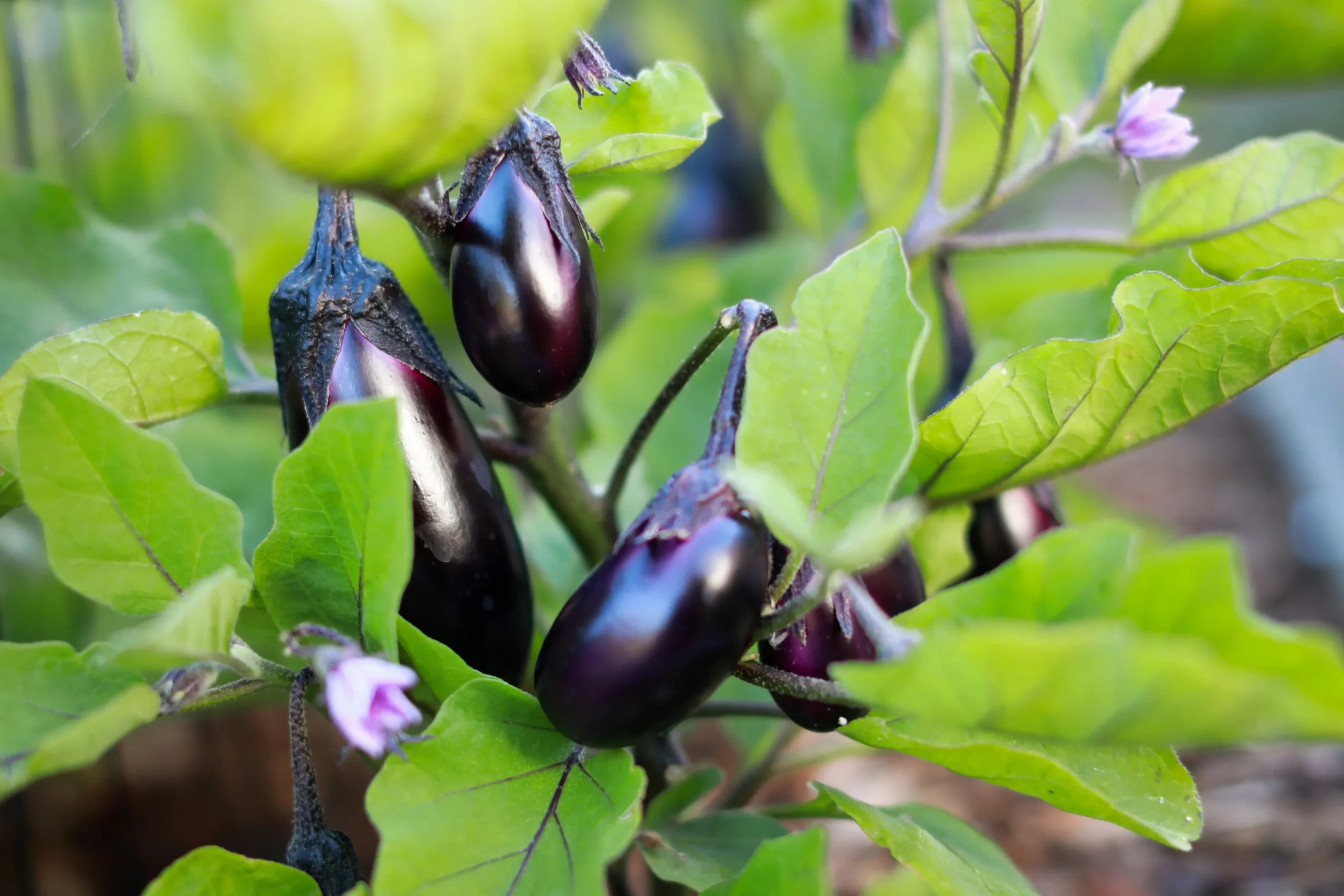
Eggplants are usually harvested once fruits become glossy, firm, and fully colored. Overripe fruits often lose their shine and develop tougher texture and bitterness.
Regular harvesting encourages plants to continue producing additional flowers and fruit throughout the growing cycle. Helpful harvesting practices include:
- Use clean scissors or pruners
- Avoid tearing stems
- Harvest fruits while shiny
- Pick regularly for continued production
Drip systems and Dutch bucket systems are especially popular because they support larger fruiting plants effectively.
Hydroponic eggplants often grow faster because nutrients and oxygen are delivered directly to the roots.
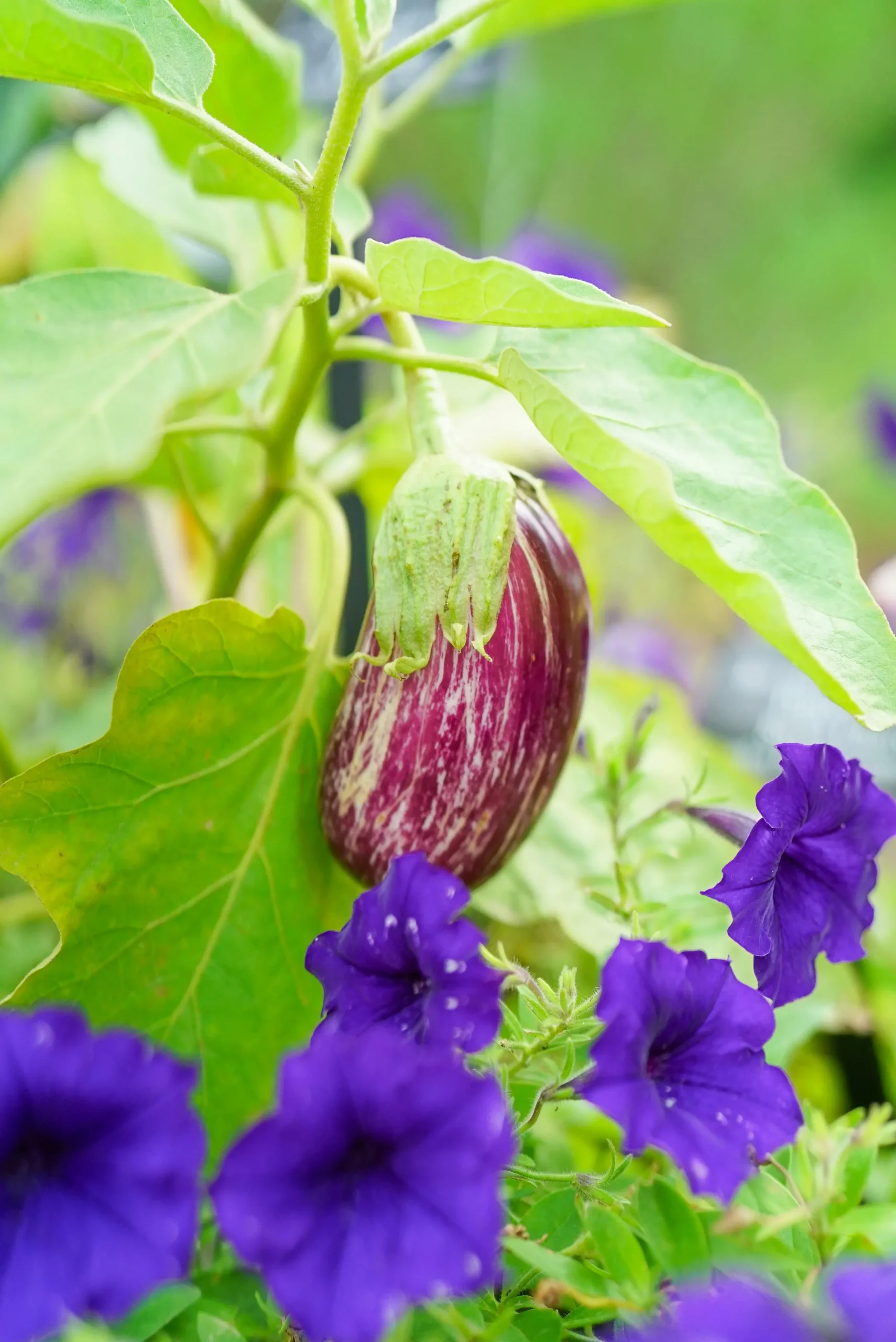
Compact varieties such as Fairy Tale, Hansel, Gretel, and Little Finger are excellent for hydroponic growing.
Poor pollination, weak lighting, or temperature stress commonly reduce fruit set.
Growth speed depends on variety and conditions, but hydroponic systems often accelerate development.
Nitrogen, phosphorus, potassium, calcium, and magnesium are especially important.
Fruits are usually harvested while glossy, firm, and fully colored for the best quality.






- Be Respectful
- Stay Relevant
- Stay Positive
- True Feedback
- Encourage Discussion
- Avoid Spamming
- No Fake News
- Don't Copy-Paste
- No Personal Attacks
- Be Respectful
- Stay Relevant
- Stay Positive
- True Feedback
- Encourage Discussion
- Avoid Spamming
- No Fake News
- Don't Copy-Paste
- No Personal Attacks
