Why Your Sweet Potato Plants Look Healthy but Produce Poorly
Published: 3 Jun 2026
Growing your own sweet potatoes is one of the most satisfying experiences in the vegetable garden. A single healthy plant can produce multiple tubers, making it a productive crop for gardeners who want to maximize their harvest from a relatively small space. Once established, the vines grow vigorously, covering the soil with lush foliage while developing their edible roots beneath the surface.
Many beginners assume these vegetables are planted like regular potatoes, but the process is actually quite different. Instead of planting pieces of tubers directly into the ground, gardeners usually start with slips. These young shoots develop from a mature root and eventually become full plants capable of producing a generous harvest.
Another reason this crop is so popular is its versatility. It can be grown in traditional garden beds, raised beds, large containers, and grow bags. As long as the plants receive warmth, sunlight, and well-prepared soil, they can thrive in many different growing environments.
Understanding the sweet potatoes
Before planting, it helps to understand how the plant develops throughout the season. During the first few weeks, most of the energy goes into root establishment and vine growth. Once the root system becomes strong, underground tubers begin forming and gradually increase in size as the season progresses.
Unlike leafy vegetables that provide quick harvests, this crop requires patience. Most of the important growth occurs below the soil, which means healthy roots and proper growing conditions are essential from the beginning. Healthy plants typically develop:
- Strong root systems
- Vigorous vines
- Dense foliage
- Multiple underground tubers
- High yields at harvest time
Choosing the Best Time to Plant
Warm weather is critical for success. These plants thrive in heat and can be damaged by cool temperatures. Planting too early often results in slow growth and poor establishment. The soil should feel consistently warm before slips are moved outdoors. Waiting a little longer is usually better than rushing the planting process. The best planting period is generally:
- After the last frost
- During late spring
- In early summer
- When nights remain mild
- Once the soil has warmed thoroughly
Starting Slips
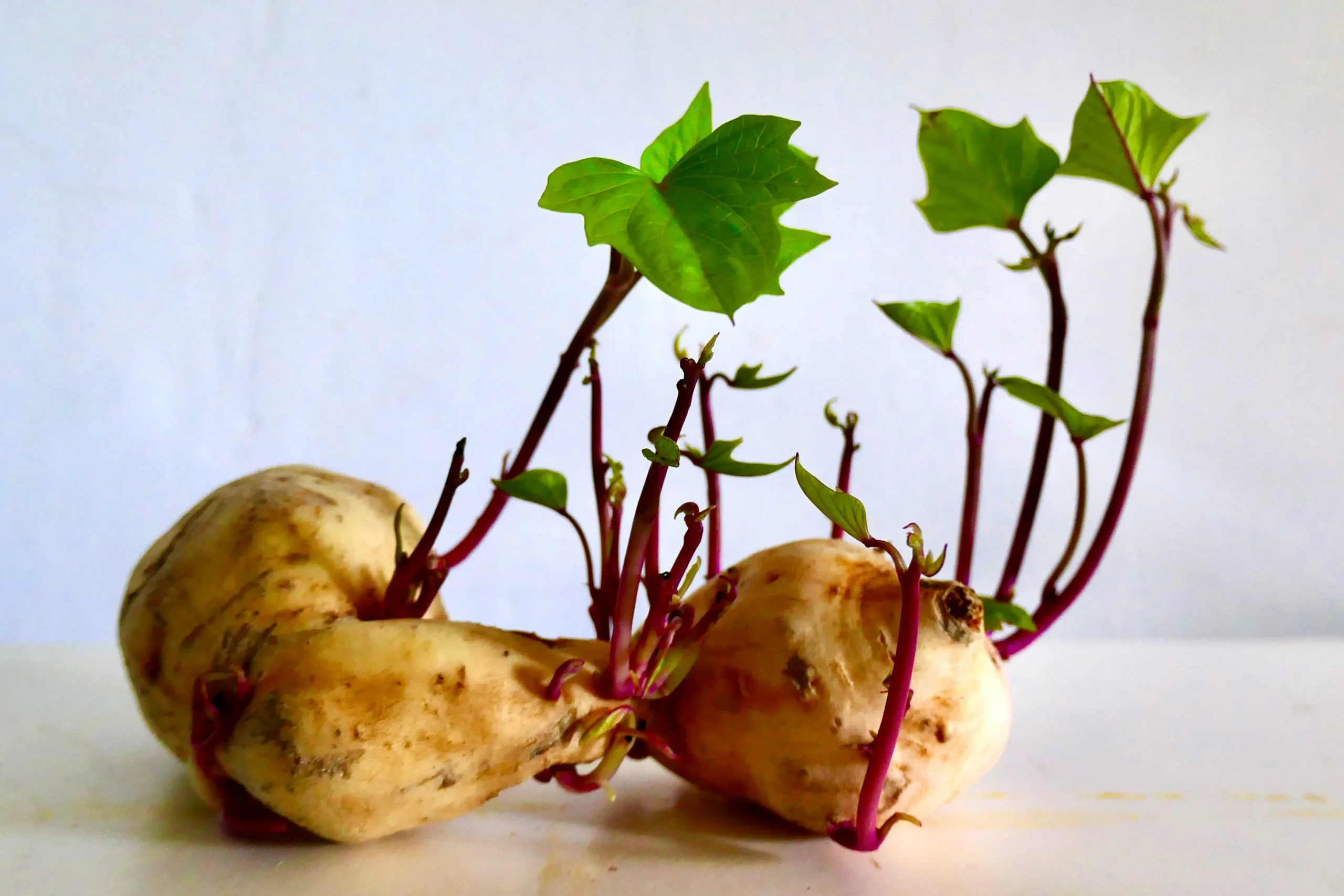
Most gardeners begin by producing slips from a healthy tuber. This process allows multiple plants to be grown from a single root, making it both economical and practical. After several weeks, shoots begin emerging from the tuber. Once these shoots reach a suitable size, they can be removed and rooted before planting. Benefits of growing slips include:
- Lower planting costs
- More plants from one tuber
- Strong starts for the garden
- Greater variety selection
- Easy propagation
Selecting the Right Growing Area
Location has a major impact on the final harvest. Areas that receive abundant sunlight throughout the day usually produce healthier vines and larger roots. Poorly lit locations often encourage weak growth and smaller yields. Since this crop remains in the ground for several months, choosing the best possible site is worth the effort. Ideal growing locations provide:
- Full sun exposure
- Good air circulation
- Excellent drainage
- Loose soil
- Plenty of growing space
Preparing the Soil
The quality of the soil largely determines the quality of the harvest. Loose soil allows roots to expand easily and develop into larger, more uniform tubers. Heavy compacted ground can restrict development and produce misshapen roots. Improving the planting area before the season begins often makes a noticeable difference in productivity. Good growing soil should be:
- Loose and airy
- Well-draining
- Rich in organic matter
- Free from large stones
- Easy for roots to penetrate
Planting the Slips
Once rooted slips are ready, they can be transplanted into their permanent growing location. The lower portion of the stem should be buried while the leaves remain above the soil surface. Proper spacing allows each plant enough room to spread and develop healthy underground growth. Crowded conditions can reduce airflow and limit production. When planting:
- Use healthy rooted slips
- Plant deeply enough for strong root development
- Water immediately after transplanting
- Space plants properly
- Keep the soil moist during establishment
Growing in Containers
Gardeners without traditional garden space can still achieve excellent results using containers. Large pots, grow bags, and raised planters all work well when filled with quality soil. Container gardening also makes it easier to control drainage and soil quality. The most important factor is providing enough room for root development beneath the surface. Suitable options include:
- Grow bags
- Large fabric pots
- Wooden planters
- Raised beds
- Deep containers
Watering and Moisture Needs
Consistent moisture is important during the early stages of growth. Newly planted slips need enough water to establish roots and recover from transplanting. As the plants mature, they become more tolerant of short dry periods. However, extended drought can reduce both quality and yield. Helpful watering practices include:
- Water deeply when necessary
- Avoid soggy conditions
- Maintain consistent moisture
- Check soil regularly
- Improve drainage if needed
Feeding the Plants
This crop generally performs best when nutrients are balanced. Too much nitrogen often encourages excessive vine growth while reducing root development. Building fertility before planting is usually more effective than applying large amounts of fertilizer later in the season. Helpful feeding practices include:
- Add compost before planting
- Use balanced fertilizers when needed
- Avoid excessive nitrogen
- Monitor plant growth
- Improve soil naturally whenever possible
Providing the Right Growing Conditions
Warm temperatures encourage vigorous growth throughout the season. Consistent heat helps both the vines and the underground roots develop properly. Cold weather, on the other hand, slows growth significantly and may damage plants if temperatures become too low. Ideal conditions include:
- Warm days
- Mild nights
- Plenty of sunlight
- Good airflow
- Stable growing conditions
Common Problems
Most growing issues can be traced back to environmental conditions rather than serious diseases. Regular observation helps identify problems before they affect the harvest. Common issues include:
- Slow growth
- Yellowing leaves
- Poor root development
- Excessive vine growth
- Small harvests
Pests to Watch For
Although generally easy to grow, the plants can occasionally attract insects that feed on foliage or damage developing roots. Inspecting the garden regularly makes it easier to catch infestations before they become severe. Common pests include:
- Aphids
- Whiteflies
- Beetles
- Caterpillars
- Wireworms
Helpful prevention measures include:
- Regular inspections
- Good garden sanitation
- Proper spacing
- Healthy soil management
- Prompt removal of damaged growth
Knowing When to Harvest
Patience is important because the roots continue increasing in size throughout the growing season. Harvesting too early may result in smaller yields, while waiting too long can expose the crop to cooler weather. Most gardeners begin checking for maturity near the end of the growing season when vine growth starts slowing naturally. Signs that harvest time is approaching include:
- Mature vines
- Full growing season completed
- Well-developed roots
- Consistent warm weather
- Healthy plant growth
Storing the Harvest
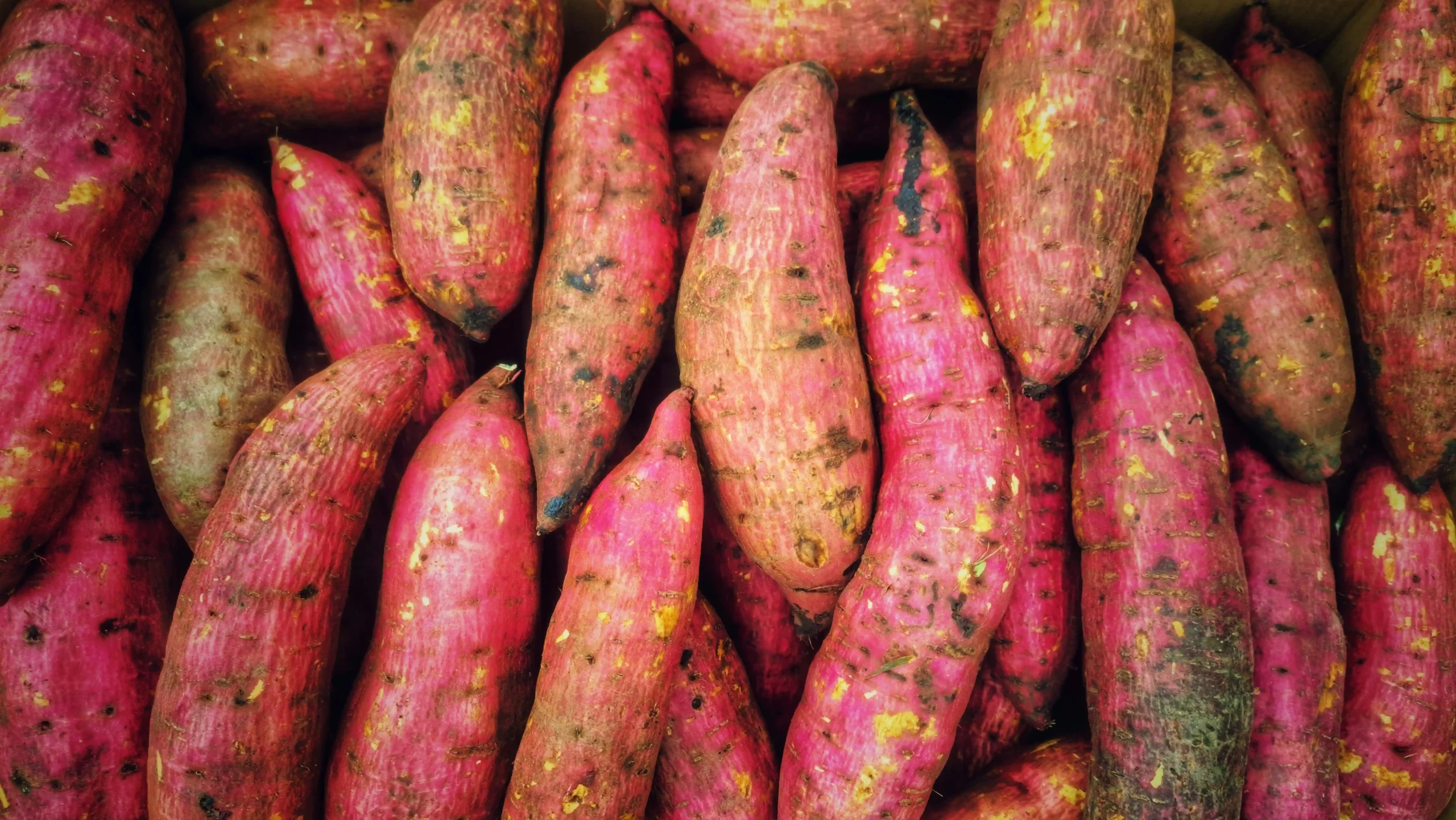
Proper storage helps preserve quality and improve flavor. Freshly harvested roots are often cured before being placed into long-term storage. Careful handling is important because damaged roots tend to deteriorate more quickly. Good storage practices include:
- Cure before storing
- Keep in a cool location
- Avoid excess moisture
- Handle gently
- Inspect regularly
Final Thoughts
This warm-season vegetable rewards gardeners with a generous harvest when given the right conditions. Healthy slips, loose soil, plenty of sunlight, and consistent care throughout the season all contribute to better results.
Whether grown in a backyard garden, raised bed, or large container, these productive plants can provide months of fresh homegrown food and make an excellent addition to any vegetable garden.
Slips are young shoots that grow from a sweet potato and are used for planting.
Most sweet potatoes are grown from slips rather than seeds.
Transplant shock and insufficient moisture are common causes.
Moderate fertility supports healthy growth, but excessive nitrogen may reduce tuber production.
Too much nitrogen or poor growing conditions may encourage vine growth over tuber formation.
A healthy slip can produce multiple tubers under good growing conditions.
In warm climates they can be grown for extended periods, while indoor growing may allow year-round cultivation.
They can be grown hydroponically, though it is less common than soil cultivation.
Heavy clay soil often limits tuber development.




- Be Respectful
- Stay Relevant
- Stay Positive
- True Feedback
- Encourage Discussion
- Avoid Spamming
- No Fake News
- Don't Copy-Paste
- No Personal Attacks
- Be Respectful
- Stay Relevant
- Stay Positive
- True Feedback
- Encourage Discussion
- Avoid Spamming
- No Fake News
- Don't Copy-Paste
- No Personal Attacks
