Why Your Oregano Keeps Dying Indoors and How to Save It
Published: 14 Jun 2026
Oregano is one of the most reliable herbs for indoor gardening. Its rich aroma, strong flavor, and easy growing nature make it a favorite among home gardeners who want a continuous supply of fresh herbs throughout the year. Whether you enjoy cooking Mediterranean dishes, homemade pizza, pasta sauces, or roasted vegetables, having a healthy plant within reach can transform your cooking experience.
Many indoor gardeners begin with basil or mint and later discover that oregano is often easier to maintain. Once established, it tolerates occasional neglect better than many culinary herbs and continues producing fresh growth for years. Unlike annual herbs that must be replanted regularly, this perennial herb can remain productive for a long time when provided with proper care. Growing indoors also allows you to control environmental conditions. Outdoor plants are exposed to heavy rain, extreme temperatures, pests, and seasonal changes. Indoor cultivation eliminates many of these challenges and provides a more stable environment that encourages healthy growth and consistent harvests.
Why Oregano Is Ideal for Indoor Gardening
One of the biggest advantages of growing oregano indoors is its adaptability. Native to the Mediterranean region, it evolved in environments with bright sunlight, moderate moisture, and well drained soil. These conditions can often be recreated successfully inside the home.
Another reason it performs well indoors is its compact growth habit. Unlike herbs that quickly outgrow containers, oregano remains manageable and responds well to pruning. Regular trimming encourages dense branching and keeps plants attractive throughout the year. Benefits of growing oregano indoors include:
- Fresh herbs in every season
- Stronger flavor than dried products
- Compact growth for small spaces
- Easy maintenance
- Long lifespan
- Continuous harvest potential
- Suitable for windowsills and containers
- Attractive appearance
- Pleasant fragrance
Choosing the Best Oregano Variety
Not all varieties are identical. Some are grown primarily for ornamental value, while others are prized for their culinary qualities. Selecting the right variety can make a noticeable difference in flavor, productivity, and overall growing success.
Greek Oregano is often considered the gold standard for cooking because of its strong aroma and concentrated flavor. Italian Oregano offers a slightly milder taste and is commonly used in Mediterranean dishes. Golden Oregano provides colorful foliage but generally has a less intense flavor than culinary varieties. Popular varieties include:
- Greek Oregano
- Italian Oregano
- Syrian Oregano
- Turkish Oregano
- Golden Oregano
- Hot and Spicy Oregano
- Compact Oregano
Understanding How Oregano Grows
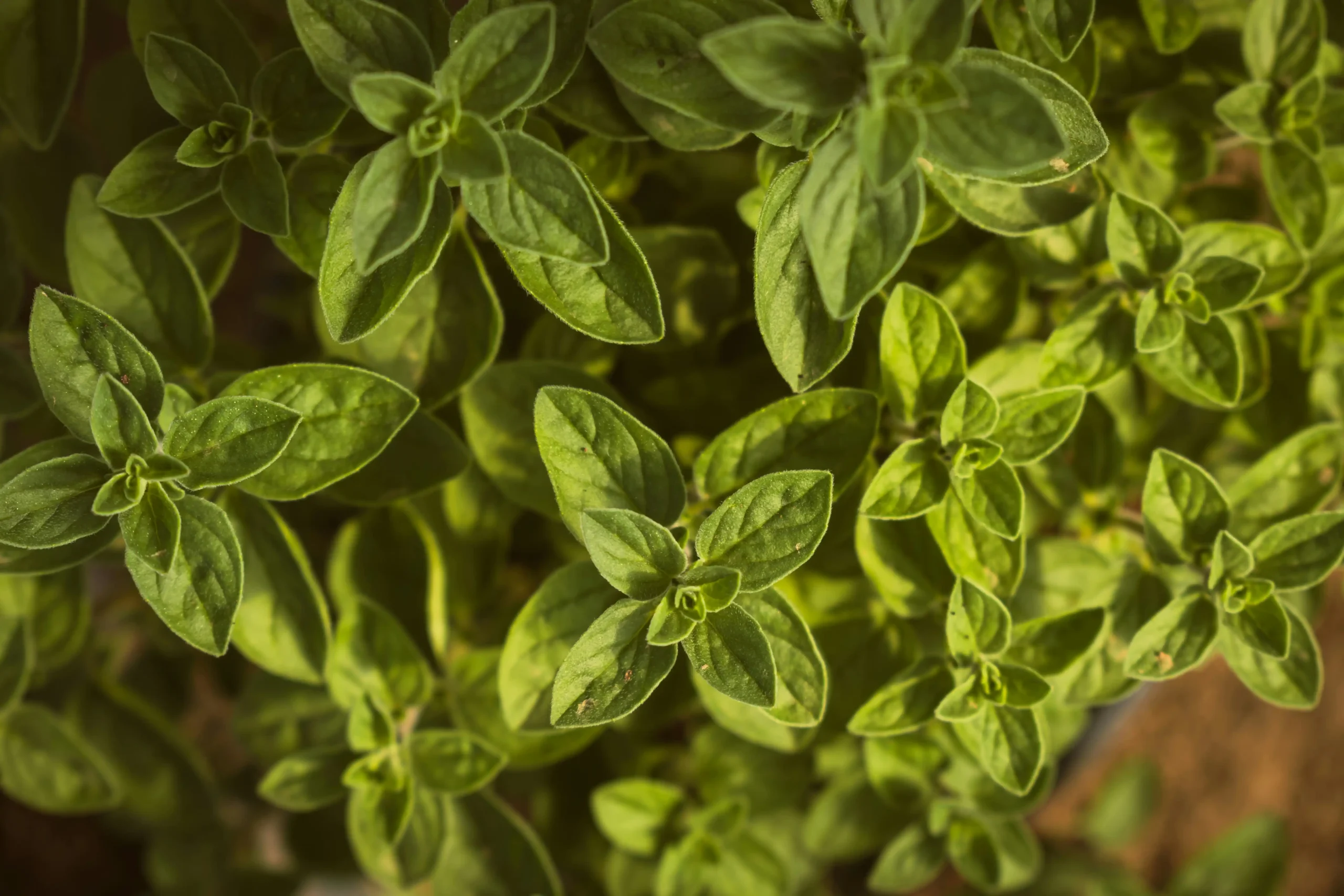
Before planting, it is useful to understand the plant’s natural growth habit. Oregano develops from a central root system that continuously produces new stems. As these stems mature, they become thicker and gradually woody near the base.
New growth typically appears throughout the growing season. When stems are harvested regularly, the plant redirects energy into producing additional branches. This natural response creates a fuller and more productive plant. Healthy plants usually display the following characteristics:
- Dense branching
- Compact shape
- Strong fragrance
- Deep green leaves
- Continuous new growth
- Firm stems
- Healthy root development
Starting Oregano from Seeds
Growing from seed is one of the most economical methods for producing multiple plants. Although germination is relatively straightforward, patience is required because seedlings grow slowly during the early stages. The seeds are extremely small and require light for successful germination. Burying them deeply often reduces germination rates. Instead, they should be placed on the surface of a moist growing medium and lightly pressed into place. For successful germination:
- Use a quality seed starting mix
- Sow seeds on the surface
- Keep soil consistently moist
- Maintain warm temperatures
- Provide bright light
- Ensure adequate airflow
Growing Oregano from Cuttings
Many gardeners prefer propagation through cuttings because it produces mature plants more quickly. This method also ensures that the new plant retains the exact characteristics of the parent plant. Rooting cuttings is relatively simple and often results in strong, healthy plants within a few weeks. Soft stems taken from actively growing plants generally root most successfully. For successful propagation:
- Choose healthy stems
- Cut below a leaf node
- Remove lower leaves
- Place in water or moist soil
- Keep in bright indirect light
- Transplant after roots develop
Choosing the Right Container
Container selection plays a major role in long term success. While oregano does not have an enormous root system, adequate space encourages vigorous growth and reduces stress. Drainage is especially important. Excess moisture trapped around the roots can quickly lead to problems such as root rot and poor plant performance. When selecting a container:
- Choose a pot 8 to 10 inches deep
- Ensure drainage holes
- Use a wide container
- Select durable materials
- Allow room for root expansion
Best Soil for Indoor Oregano
The growing medium should provide both drainage and fertility. Heavy garden soil often becomes compacted inside containers and restricts root growth. A quality potting mix creates a healthier environment for root development. Adding organic matter improves nutrient availability while maintaining soil structure. Good drainage prevents excess moisture from accumulating around the roots. For the best growing medium:
- Use quality potting mix
- Add compost
- Include perlite
- Maintain loose texture
- Avoid heavy soil
Light Requirements
Light is the most important factor influencing growth, flavor, and overall health. Plants grown in insufficient light often become leggy and produce weaker tasting leaves. A bright south facing window is usually ideal. During winter months, supplemental lighting may be necessary to maintain strong growth and prevent stretching. For healthy development:
- Provide 6 to 8 hours of sunlight
- Use south facing windows
- Supplement with grow lights
- Rotate containers weekly
- Avoid dark locations
Watering Oregano Correctly
Overwatering is the most common mistake made by indoor gardeners. Because oregano evolved in relatively dry environments, it prefers soil that dries slightly between watering sessions. The goal is to maintain moderate moisture without creating constantly wet conditions. Checking soil moisture before watering is often the simplest way to avoid problems. For proper watering:
- Check soil before watering
- Allow slight drying
- Water thoroughly
- Empty drainage trays
- Avoid soggy soil
Fertilizing for Healthy Growth
Unlike heavy feeding vegetables, oregano does not require large amounts of fertilizer. Excess nutrients often encourage rapid leafy growth while reducing flavor intensity. Moderate feeding supports healthy growth while preserving the strong aroma that makes this herb so valuable in the kitchen. For effective fertilization:
- Use balanced fertilizer
- Feed lightly
- Apply compost occasionally
- Reduce feeding in winter
- Avoid excessive nitrogen
Pruning for a Fuller Plant
Pruning is one of the most important maintenance tasks. Plants that are never trimmed eventually become woody and less productive. Regular pruning stimulates branching and encourages fresh growth. A well pruned plant often produces significantly more harvestable foliage than an unpruned specimen. For bushier growth:
- Pinch growing tips
- Remove leggy stems
- Trim above leaf nodes
- Remove damaged growth
- Encourage branching
Harvesting for Maximum Flavor
Harvesting not only provides fresh herbs for cooking but also improves future growth. The best flavor is usually found in healthy, actively growing stems. Frequent harvesting encourages continued production and helps maintain a compact growth habit. For successful harvesting:
- Harvest mature stems
- Cut above leaf nodes
- Leave sufficient foliage
- Harvest regularly
- Use clean scissors
Common Growing Problems
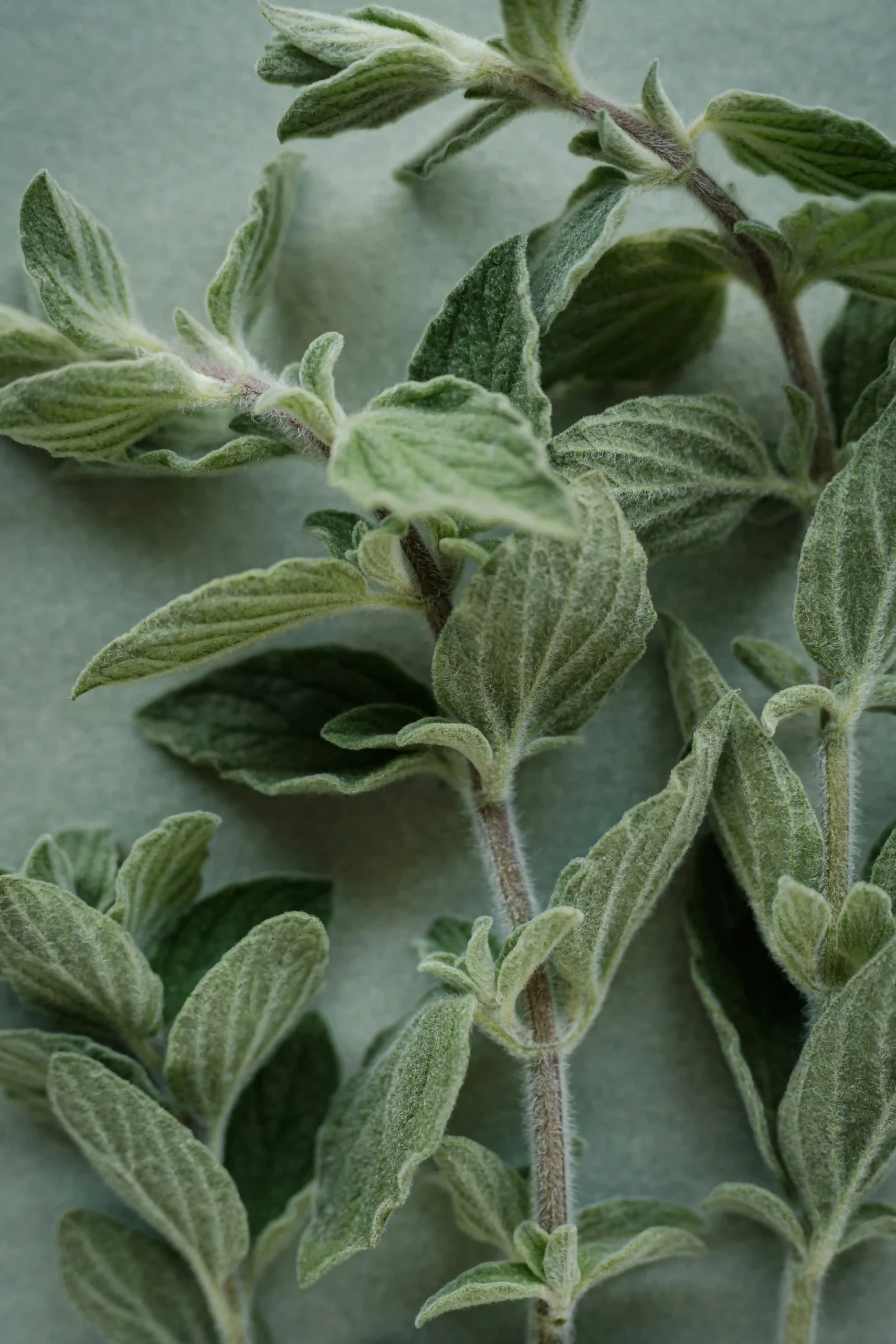
Most indoor growing issues are related to environmental conditions rather than diseases. Identifying problems early often prevents serious damage and keeps plants productive. Common issues include:
- Yellow leaves
- Leggy growth
- Weak flavor
- Root rot
- Slow growth
- Wilting
- Brown foliage
- Woody stems
Common Indoor Pests
Indoor plants experience fewer pest problems than outdoor specimens, but occasional infestations can still occur. Regular inspections help prevent small problems from becoming major outbreaks. Common pests include:
- Spider mites
- Aphids
- Whiteflies
- Mealybugs
- Fungus gnats
Keeping Oregano Productive for Years
A healthy plant can remain productive far longer than many gardeners realize. Consistent care, occasional repotting, and regular pruning help maintain vigorous growth and strong flavor over time. For long term success:
- Repot when necessary
- Provide strong light
- Harvest regularly
- Prune consistently
- Refresh soil periodically
- Monitor plant health
Final Thoughts
Growing oregano indoors is one of the simplest ways to enjoy fresh herbs throughout the year. Unlike many culinary plants that demand constant attention, this Mediterranean herb adapts well to indoor conditions and rewards gardeners with steady growth when its basic needs are met. Strong light, well draining soil, moderate watering, and regular pruning are the keys to long term success.
One of the reasons indoor gardeners continue to grow oregano year after year is its reliability. A healthy plant can provide hundreds of harvests from a single container while taking up very little space. Regular harvesting encourages fresh growth, improves branching, and helps maintain a compact shape that fits perfectly on windowsills, shelves, and indoor herb gardens.
Frequently Asked Questions (FAQs)
Weak flavor is commonly caused by insufficient sunlight, excessive fertilizer, or harvesting young leaves before they fully develop
A healthy plant can remain productive for several years when properly maintained, pruned, and repotted when necessary.
If your goal is harvesting leaves, it is usually better to remove flower buds because flowering can reduce leaf production and flavor intensity.
Reduced sunlight and shorter days often slow growth. Supplemental lighting can help maintain active growth during winter.
Small leaves can result from low light, nutrient deficiencies, overcrowded roots, or inconsistent watering.
Leaf drop can occur due to overwatering, sudden temperature changes, poor lighting, or root stress.
It benefits from light feeding, but too much fertilizer can reduce flavor and encourage excessive leafy growth.
Its root system can become dense over time, and terracotta containers may also cause soil to dry more quickly.
No. It is considered one of the easiest culinary herbs for indoor gardeners because it tolerates average household conditions and requires relatively little maintenance.




- Be Respectful
- Stay Relevant
- Stay Positive
- True Feedback
- Encourage Discussion
- Avoid Spamming
- No Fake News
- Don't Copy-Paste
- No Personal Attacks
- Be Respectful
- Stay Relevant
- Stay Positive
- True Feedback
- Encourage Discussion
- Avoid Spamming
- No Fake News
- Don't Copy-Paste
- No Personal Attacks
