The One Trick That Keeps Peppermint Bushy and Productive Indoors
Published: 11 Jun 2026
Peppermint is one of the easiest and most rewarding herbs to grow indoors. Known for its refreshing aroma and cool flavor, it can be used in teas, desserts, salads, and homemade remedies. Unlike many herbs that struggle indoors, peppermint adapts well to containers and can produce a steady supply of leaves throughout the year.
Many gardeners choose this herb because it grows quickly and requires relatively little maintenance. With the right balance of light, moisture, and nutrients, a single plant can provide fresh harvests for months. Growing it indoors also prevents it from spreading aggressively, which is a common issue in outdoor gardens.
Why Grow Peppermint Indoors?
Fresh leaves are far more flavorful than dried store bought options. Having a plant within reach allows you to harvest exactly what you need whenever you need it. Indoor growing also protects the plant from harsh weather, pests, and seasonal changes that can slow growth outdoors. Benefits include:
- Fresh leaves year round
- Pleasant fragrance indoors
- Easy maintenance
- Suitable for small spaces
- Fast growing and productive
Choosing the Right Container
Container selection is important because peppermint develops an extensive root system. While it does not require a very deep pot, it benefits from adequate space to spread. A container with drainage holes is essential because excess moisture can lead to root problems. When choosing a pot:
- Select a container 8 to 10 inches deep
- Ensure drainage holes are present
- Choose a wider pot for better growth
- Use sturdy containers that retain moisture
- Avoid very small pots that dry out quickly
Best Soil for Healthy Growth
Peppermint prefers fertile soil that retains moisture while still allowing excess water to drain away. Heavy, compacted soil can restrict root development and slow growth. A high quality potting mix enriched with organic matter creates ideal growing conditions. For best results use:
- Quality potting soil
- Compost or organic matter
- Perlite for drainage
- Moisture retaining ingredients
- Nutrient rich growing medium
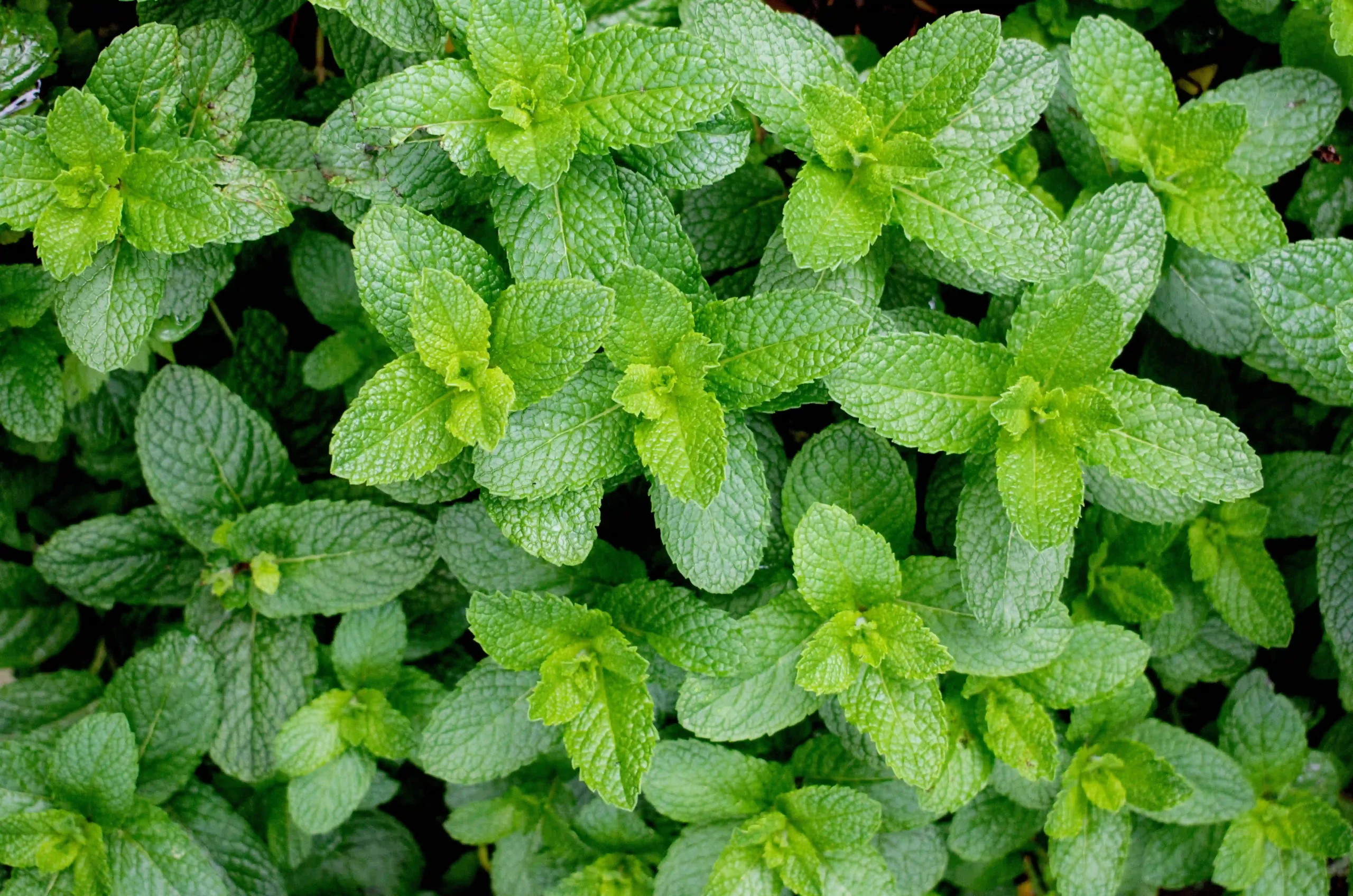
Growing from Cuttings
Many gardeners prefer starting from cuttings because it is faster than growing from seed. Healthy stems root quickly in water and can be transferred to soil once roots develop. This method also guarantees that the new plant will have the same characteristics as the parent plant. To grow from cuttings:
- Cut a healthy stem below a leaf node
- Remove lower leaves
- Place the stem in water
- Change water regularly
- Transfer to soil after roots develop
Growing from Seed
Growing peppermint from seed requires more patience, but it can still be a rewarding method. Seeds should be sown on the surface of moist soil because they need light to germinate successfully. For successful germination:
- Sow seeds on the soil surface
- Keep soil consistently moist
- Maintain warm temperatures
- Provide bright light
- Thin seedlings if necessary
Light Requirements
This herb grows best when it receives plenty of bright light. While it can tolerate some shade, stronger light encourages fuller growth and better leaf production. A sunny window often works well, but grow lights can be beneficial during winter. For healthy growth:
- Provide 4 to 6 hours of bright light
- Place near a sunny window
- Use grow lights when needed
- Rotate containers regularly
- Avoid dark corners of the home
Watering Needs
Consistent moisture is one of the most important requirements. Unlike drought tolerant herbs, peppermint prefers soil that remains slightly moist. Allowing the soil to dry completely can lead to reduced growth and poor leaf quality. Good watering practices include:
- Check soil moisture frequently
- Water when the top layer feels dry
- Keep soil evenly moist
- Avoid waterlogged conditions
- Ensure proper drainage
Fertilizing
Heavy feeding is generally unnecessary, but occasional fertilization can encourage vigorous growth and lush foliage. Too much fertilizer may reduce the intensity of the plant’s aroma and flavor. For balanced nutrition:
- Use a mild liquid fertilizer
- Feed every few weeks during active growth
- Apply compost periodically
- Avoid excessive feeding
- Reduce fertilizer during slower growth periods
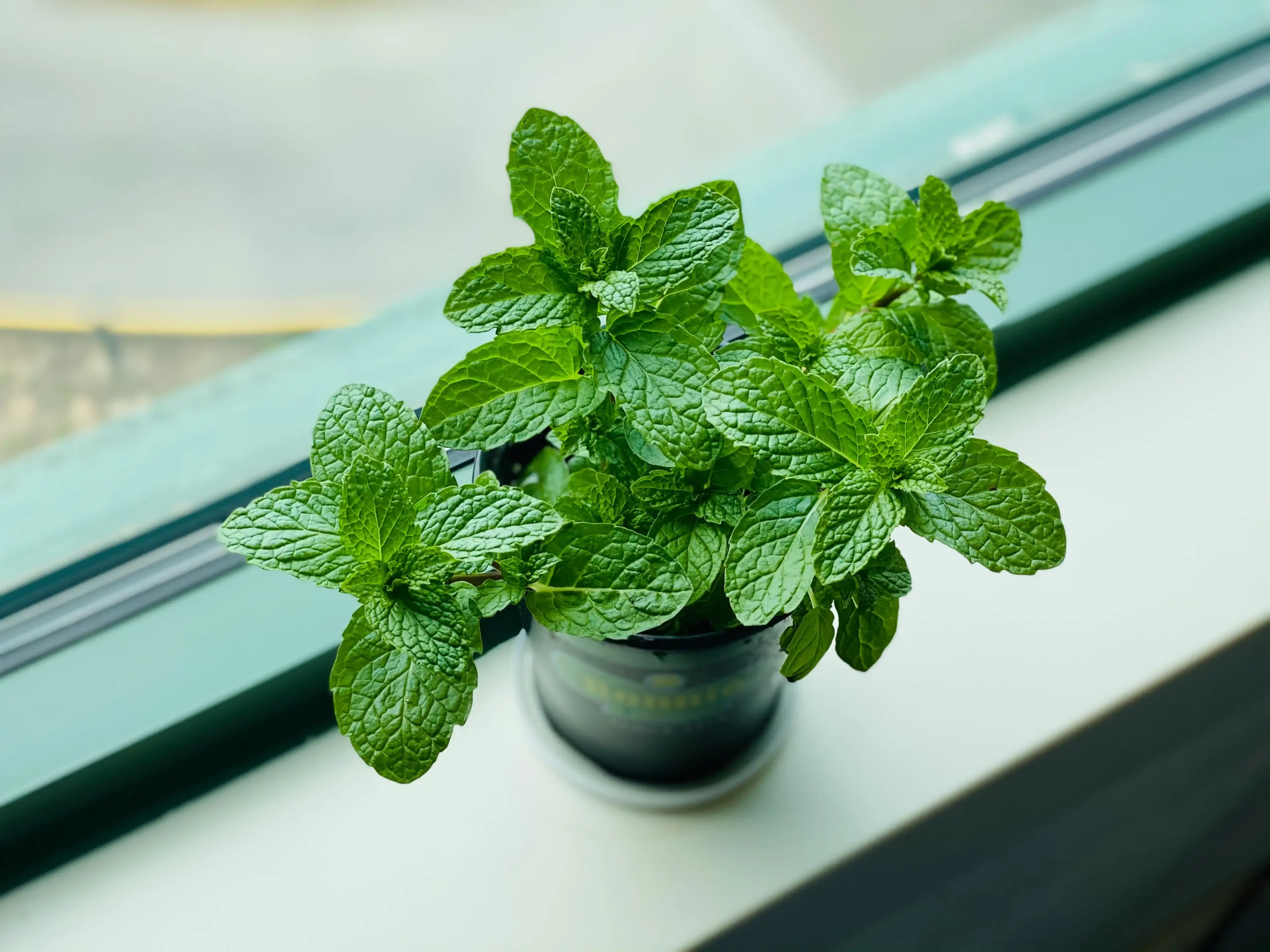
Pruning and Harvesting
Regular harvesting is one of the best ways to keep peppermint healthy and productive. Frequent trimming encourages branching and prevents the plant from becoming leggy. Many gardeners notice that plants become fuller and more attractive when harvested regularly. For best results:
- Harvest stems regularly
- Cut above leaf nodes
- Remove weak growth
- Pinch growing tips
- Encourage bushier growth
Common Growing Problems
Most problems are related to watering, light, or airflow rather than serious diseases. Common issues include:
- Yellow leaves from overwatering
- Weak growth due to insufficient light
- Leggy stems caused by poor lighting
- Brown leaf edges from dry soil
- Slow growth from nutrient deficiencies
- Root rot caused by poor drainage
- Leaf drop from environmental stress
Final Thoughts
Growing peppermint indoors is one of the easiest ways to enjoy fresh herbs throughout the year. With adequate light, consistent moisture, and regular harvesting, a single plant can provide an ongoing supply of fragrant leaves for cooking, beverages, and everyday use. Because it grows quickly and adapts well to containers, it remains one of the most beginner friendly herbs for indoor gardening. A little routine care is all that is needed to keep it thriving and productive.
Frequently Asked Questions (FAQs)
Leggy growth is usually caused by insufficient light. When the plant does not receive enough sunlight, stems stretch toward the nearest light source, resulting in sparse foliage and weak growth.
Small leaves can result from insufficient light, nutrient deficiencies, overcrowded roots, or infrequent watering.
A weak aroma is often linked to low light levels, excessive fertilizer, or aging leaves. Strong light usually helps maintain the best flavor and fragrance.
Most gardeners remove flower buds because flowering can reduce leaf production and affect the flavor of the foliage.
Yes, fast growing roots can quickly fill a container. Repotting every year or two helps maintain healthy growth.
This may indicate root rot caused by poor drainage and excessive watering. Healthy roots need both moisture and oxygen.
Black spots can be caused by fungal diseases, excessive moisture on leaves, or poor air circulation around the plant.
They can, but one variety often becomes more vigorous and may outcompete the other over time.



- Be Respectful
- Stay Relevant
- Stay Positive
- True Feedback
- Encourage Discussion
- Avoid Spamming
- No Fake News
- Don't Copy-Paste
- No Personal Attacks
- Be Respectful
- Stay Relevant
- Stay Positive
- True Feedback
- Encourage Discussion
- Avoid Spamming
- No Fake News
- Don't Copy-Paste
- No Personal Attacks
