Want Bigger Beetroot Indoors? Follow These Proven Growing Tips
Published: 8 Jun 2026
Growing beetroot indoors is a practical way to produce fresh, nutritious vegetables even in limited space. This plant adapts well to containers and can develop both edible roots and leafy greens when given the right conditions. The key to success is creating a stable environment where soil, light, and moisture remain balanced throughout the growth cycle.
Unlike some vegetables that require large outdoor beds, this crop performs well in pots because its growth is compact and manageable. However, the quality of the root depends heavily on soil softness, spacing, and consistent care. When these factors are maintained, indoor cultivation can produce surprisingly good results.
Choosing the Right Container
The container plays a major role in root development because the edible portion grows underground and needs room to expand evenly. If the space is restricted, the roots may become small, twisted, or underdeveloped.
A wide container is usually more effective than a deep narrow one because it allows multiple plants to grow with proper spacing. Drainage is equally important since excess water can lead to root damage and poor growth.
- Select a container 8 to 12 inches deep for proper development
- Use a wide pot to allow spacing between plants
- Ensure drainage holes are present to prevent waterlogging
- Avoid overcrowding multiple seedlings in a small space
- Choose stable containers that do not tip easily
Soil Requirements
Soil quality directly affects the shape, size, and texture of the beetroots. The growing medium should be light, loose, and free from compact particles so that roots can expand without resistance. Heavy or clay rich soil restricts growth and often results in hard or uneven roots. A well balanced mix that holds moisture but still drains well creates ideal conditions for steady development.
- Use a soft, well draining potting mix
- Mix in compost for added nutrients
- Avoid compact garden soil indoors
- Keep soil airy to support root expansion
- Maintain moisture without making soil soggy
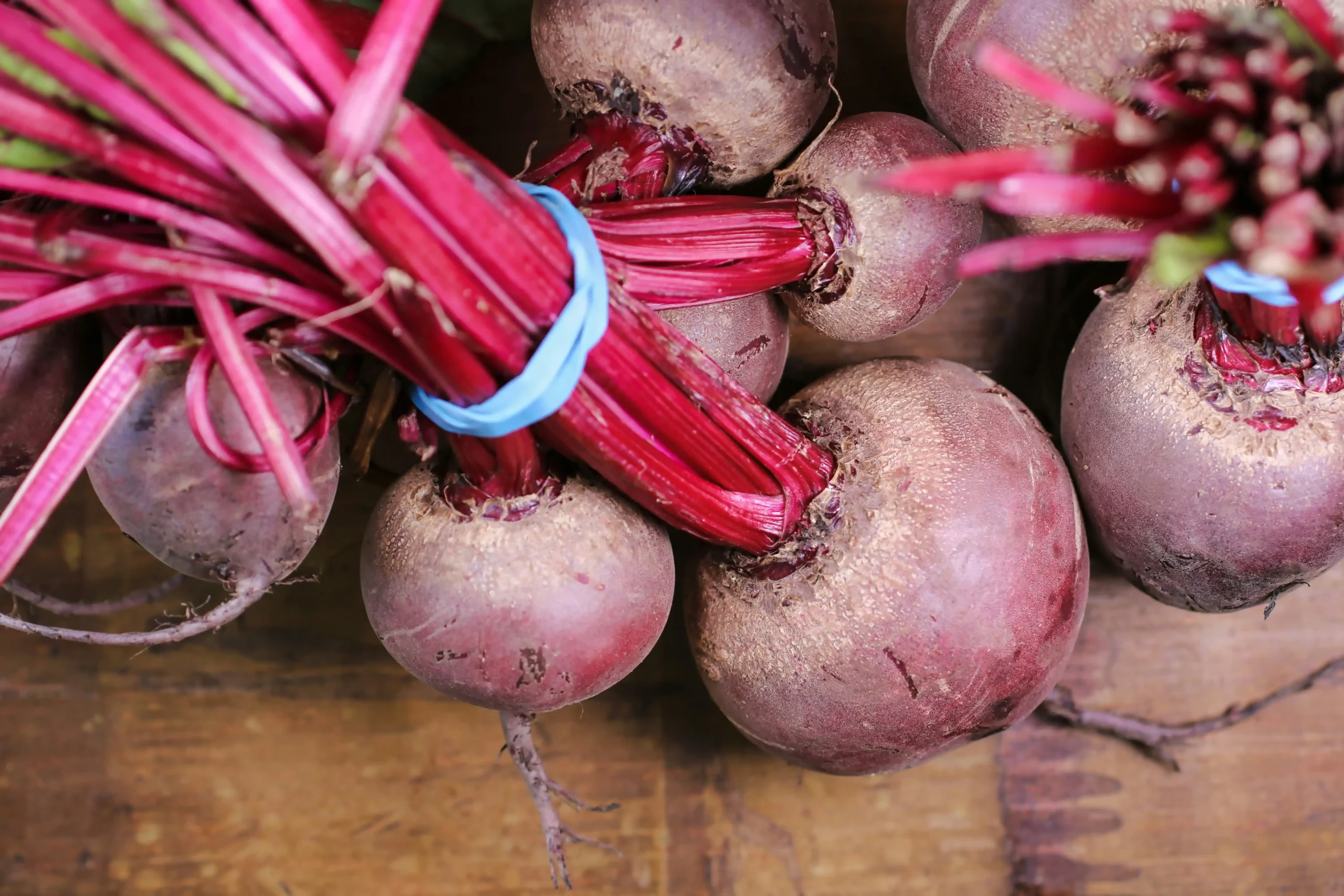
Planting Seeds Indoors
Beetroot is always grown from seeds because transplanting can disturb root formation. Seeds should be sown directly into the container where they will mature. After germination, multiple seedlings may appear close together, so thinning is necessary to give each plant enough space. Proper spacing at an early stage ensures better root size later.
- Sow seeds about 1 to 2 cm deep
- Thin seedlings once they develop a few leaves
- Keep soil evenly moist during germination
- Maintain warmth for faster sprouting
- Space plants adequately for full root growth
Light Needs
Light is essential for healthy leaf development and strong root formation. Without sufficient light, plants tend to produce weak foliage and underdeveloped roots. A bright location indoors is usually enough, but artificial lighting can be used when natural sunlight is limited. Consistent exposure is more important than occasional strong light.
- Provide at least 6 hours of bright light daily
- Use grow lights if sunlight is insufficient
- Place containers near bright windows
- Rotate pots for even light exposure
- Avoid dark or shaded indoor areas
Watering Routine
Watering must be balanced to ensure steady growth. Too much water can suffocate roots, while too little can slow development and harden the soil. The goal is to maintain evenly moist soil without allowing it to become waterlogged. Consistency is more important than heavy watering at irregular intervals.
- Water when the top layer begins to dry
- Keep soil consistently moist but not wet
- Avoid standing water in trays
- Reduce watering slightly in cooler conditions
- Use gentle watering to avoid soil disturbance
Temperature Conditions
Beetroot prefers moderate temperatures and does not perform well in extreme heat or cold. Indoors, stable conditions help maintain steady growth and good root quality. Fluctuations in temperature can affect both size and texture, so it is important to avoid placing plants near heat sources or cold drafts.
- Maintain temperatures between 60°F and 75°F
- Avoid sudden temperature changes
- Keep away from heaters and air conditioners
- Ensure mild and stable indoor climate
- Provide good air circulation
Feeding and Nutrition
Proper nutrition supports both leafy growth and root development. A balanced feeding approach is important because too much nitrogen encourages leaves but reduces root quality. Organic matter and mild fertilizers help maintain steady growth without overwhelming the plant.
- Use balanced fertilizer during early growth
- Avoid excess nitrogen to prevent weak roots
- Add compost for slow nutrient release
- Feed lightly every few weeks
- Reduce feeding as harvest approaches
Common Growing Issues
Indoor beetroot can face a few common problems during growth, especially when light, watering, or soil conditions are not balanced. Most of these issues appear gradually and can be corrected early with small adjustments.
- Small roots due to overcrowding or hard soil
- Yellow leaves from poor light or nutrient imbalance
- Cracked roots caused by irregular watering
- Slow growth in low light or cold conditions
- Too many leaves and small roots from excess nitrogen
- Wilting from underwatering or poor drainage
- Misshapen roots due to stones or compact soil
- Pest issues in overly moist soil
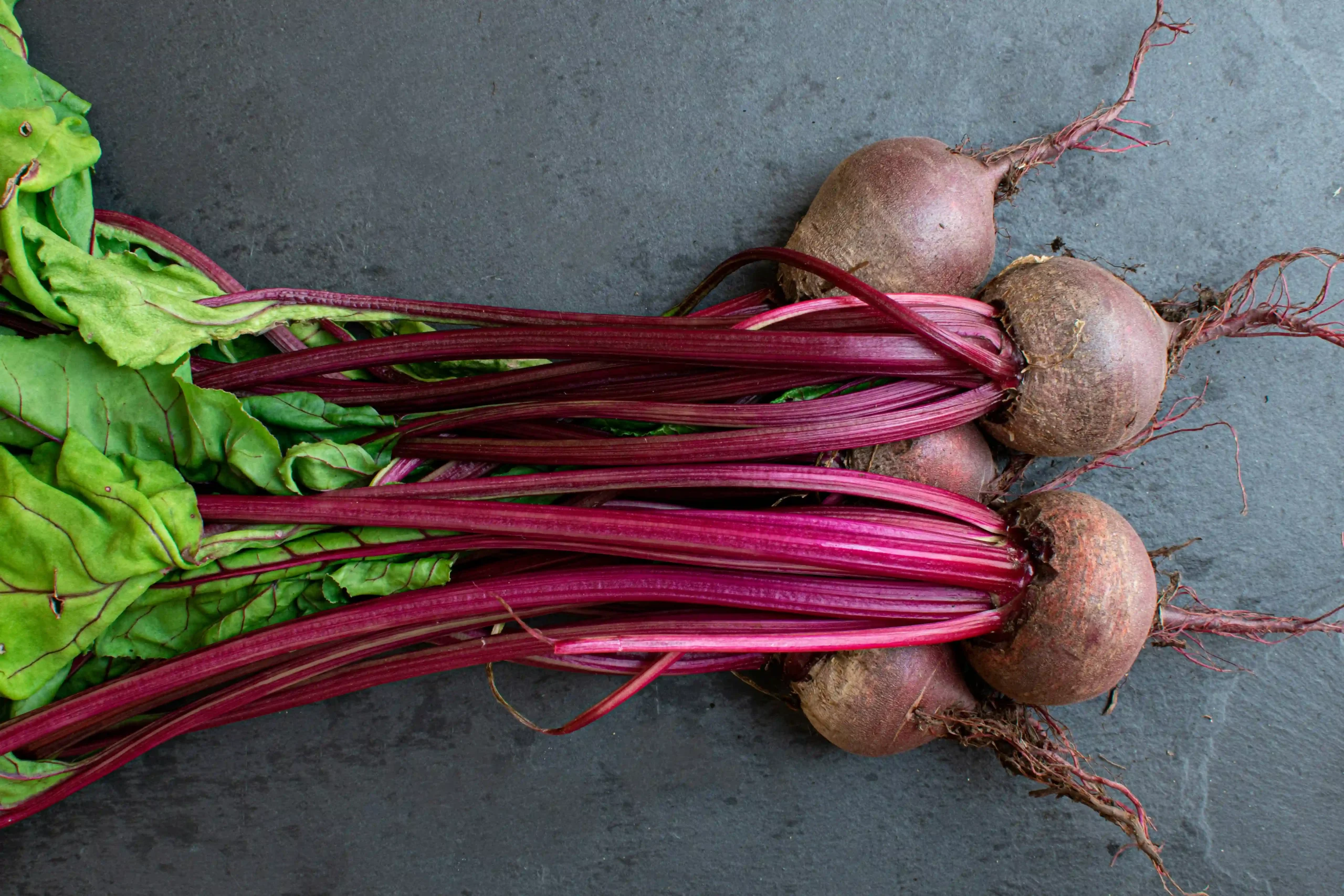
Harvesting
Harvesting should be done when the beetroots reach a suitable size. If left too long, they may become tough and lose flavor. The plant also produces edible leaves that can be harvested earlier for salads or cooking.
- Harvest when roots are firm and medium sized
- Gently lift plants to avoid breaking roots
- Harvest leaves separately if needed
- Do not delay harvest for too long
- Clean roots before storage or use
Final Thoughts
Growing this vegetable indoors is a simple and rewarding process when basic needs are met. The most important factors are light, soil softness, and consistent watering. When these elements are balanced, the plant develops evenly and produces both healthy greens and well formed roots. With careful attention, even small indoor spaces can produce a reliable and nutritious harvest.
Most varieties are best harvested when the roots reach 1.5 to 3 inches in diameter. Smaller roots are often sweeter and more tender, while oversized roots can become woody and less flavorful.
Yes. If left in the soil for too long, roots can become tough, fibrous, and less enjoyable to eat. Harvesting at the proper size usually produces the best texture and flavor.
As the root matures, part of it naturally pushes above the soil surface. This is normal and does not indicate a problem.
Poor germination is commonly caused by old seeds, dry soil, low temperatures, or planting seeds too deeply.
Yes. Once flowering begins, the plant directs energy toward seed production rather than root development, reducing harvest quality.
No. Once the root is harvested, the plant’s life cycle is complete. New plants must be started from seed.
Bitterness can develop due to heat stress, irregular watering, poor growing conditions, or harvesting roots after they become overly mature.
You can regrow leaves from the top, but it will not produce a new edible root.
Yes. Harvesting a few outer leaves at a time is generally safe and allows the root to continue developing normally.



- Be Respectful
- Stay Relevant
- Stay Positive
- True Feedback
- Encourage Discussion
- Avoid Spamming
- No Fake News
- Don't Copy-Paste
- No Personal Attacks
- Be Respectful
- Stay Relevant
- Stay Positive
- True Feedback
- Encourage Discussion
- Avoid Spamming
- No Fake News
- Don't Copy-Paste
- No Personal Attacks
