Grow a Thriving Habanero Plant Indoors with These Proven Care Tips
Published: 7 Jun 2026
Growing a habanero plant indoors is an excellent way to enjoy fresh, spicy peppers throughout the year. This tropical pepper plant adapts well to container life when it is provided with stable warmth, strong light, and proper care. Indoors, it can become both a productive edible plant and an attractive green addition to living spaces.
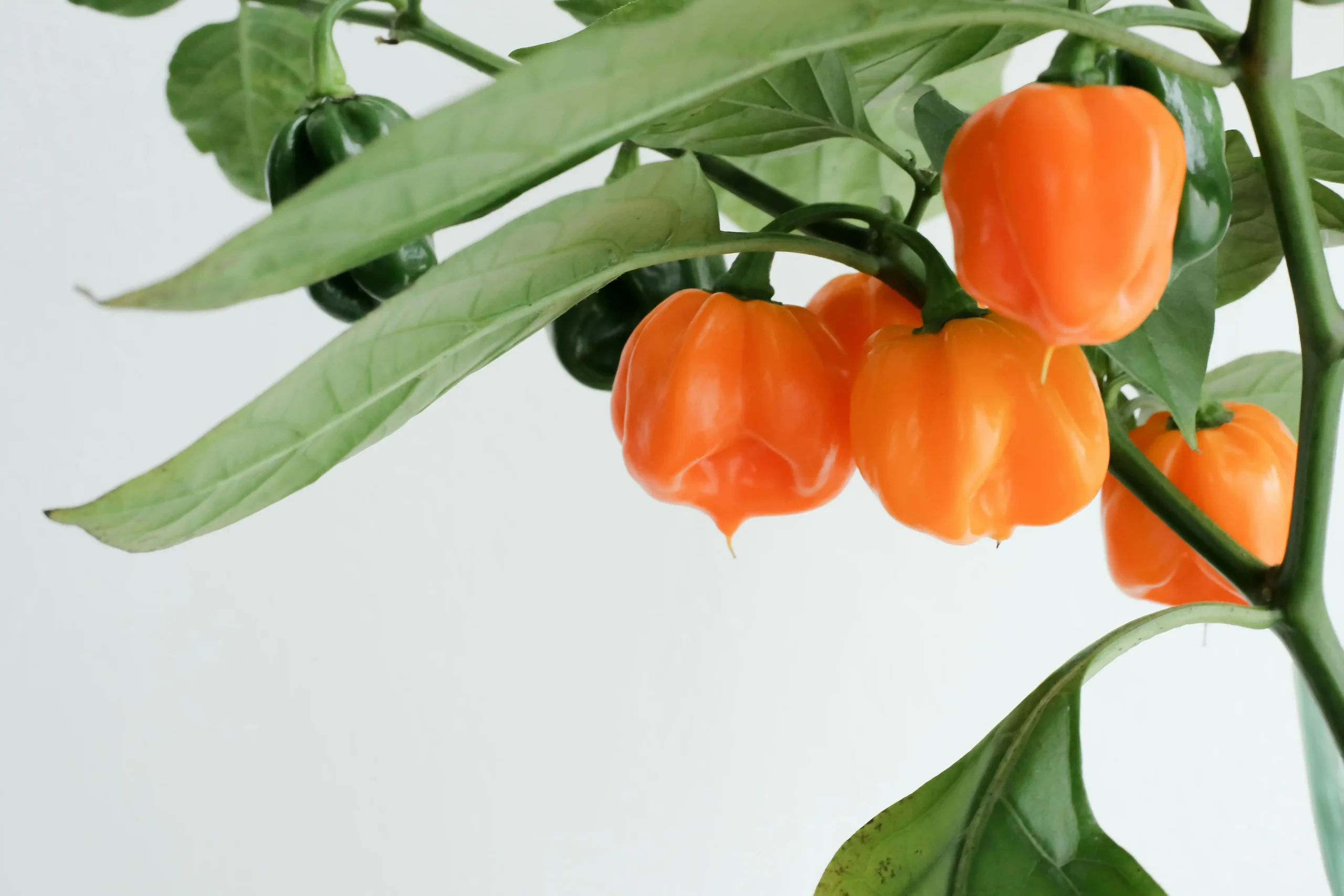
When grown in the right conditions, the plant produces small white flowers followed by bright, colorful peppers. These fruits are known for their intense heat and slightly fruity flavor, making them popular for cooking, sauces, and seasoning.
Understanding the Habanero Plant
The habanero plant is a tropical pepper species that thrives in warm climates with steady sunlight. Indoors, it behaves as a compact but highly productive plant when its basic needs are met. It develops a strong stem structure, dense foliage, and continuous flowering cycles under stable conditions.
The plant prefers consistency in temperature and light rather than sudden changes. When these conditions are maintained, it can produce fruit for a long period without interruption.
The habanero typically grows in a bush like form and responds well to pruning and shaping. Its flowers are self pollinating, but indoor conditions may require gentle assistance to ensure proper fruit formation.
- Prefers warm and stable temperatures
- Grows well in containers with proper drainage
- Produces flowers and fruits continuously under good care
- Responds positively to pruning and shaping
- Suitable for indoor growing with sufficient light
Choosing the Right Container
A suitable container is essential for healthy root development and long term productivity. Since the plant remains in a fixed pot indoors, the root system needs enough space to expand freely. A small container can restrict growth and reduce fruit production over time.
Drainage is equally important because excess moisture can quickly damage the roots. A well chosen pot allows water to flow freely while still holding enough moisture for steady growth. A stable container also prevents the plant from tipping as it becomes heavier with foliage and fruit.
- Use a container at least 12 to 14 inches wide
- Ensure proper drainage holes at the bottom
- Select a deep pot for root expansion
- Prefer sturdy materials that provide stability
- Avoid shallow containers that restrict growth
Selecting the Right Soil
Soil quality directly affects plant health, growth speed, and fruit production. Indoor pepper plants require a light and airy growing medium that drains well while retaining enough moisture for roots to absorb nutrients.
Heavy soil can suffocate the roots and slow down growth. A loose mix allows oxygen to reach the root system, which supports stronger development and healthier foliage. A nutrient rich soil also helps sustain long term production without frequent issues.
- Use a light potting mix designed for containers
- Include coco coir or peat moss for moisture balance
- Add perlite for improved drainage
- Mix in compost for natural nutrients
- Avoid garden soil that becomes compact indoors
Light Requirements
Light is the most important factor for successful indoor growth. Without enough light, the plant becomes weak, tall, and produces very few flowers. Bright and consistent light supports strong stems and active flowering.
Natural sunlight from a bright window is helpful, but artificial grow lights are often necessary for consistent results throughout the year. A stable light schedule helps the plant maintain steady growth and fruit production.
- Provide at least six to eight hours of bright light daily
- Use grow lights when natural light is insufficient
- Maintain a consistent daily light schedule
- Place near a south facing window if possible
- Avoid low light areas that slow growth
Temperature and Humidity
Habanero thrives in warm conditions and struggles in cold or drafty environments. Stable temperatures support continuous growth and flowering cycles. Sudden temperature changes can cause stress and reduce fruit production. Moderate humidity levels also support healthy foliage and reduce stress on the plant. Extremely dry air may affect flowering and increase pest problems.
- Maintain temperatures between 70 to 85 degrees Fahrenheit during the day
- Keep nighttime temperatures above 60 degrees Fahrenheit
- Avoid cold drafts and sudden temperature changes
- Maintain moderate indoor humidity levels
- Keep away from air conditioners and heaters
Watering Practices
Proper watering is essential for maintaining healthy roots and steady growth. Both overwatering and under watering can create serious problems. The soil should remain slightly moist but never waterlogged. Allowing the top layer of soil to dry slightly before watering again helps maintain balance. Consistency is more important than a strict watering schedule.
- Water when the top inch of soil feels dry
- Water deeply until excess drains out
- Avoid leaving standing water in trays
- Maintain consistent moisture without overwatering
- Adjust watering frequency based on temperature and season
Fertilizing for Healthy Growth
Container grown plants depend entirely on added nutrients for growth and fruit production. Regular feeding supports strong foliage, healthy roots, and continuous flowering. Balanced nutrition is important during early growth, while slightly adjusted feeding supports better fruit development later in the cycle.
- Use a balanced fertilizer during early growth
- Increase phosphorus and potassium during flowering
- Provide calcium for strong plant structure
- Supply magnesium for healthy leaf development
- Fertilize every two to three weeks during active growth
Pollination Indoors
Indoors, natural pollinators are often absent, so manual assistance may be required to ensure proper fruit formation. Flowers are capable of self pollination, but movement helps distribute pollen effectively. Encouraging gentle airflow and occasional flower movement improves the chances of successful fruit development.
- Gently shake the plant to release pollen
- Use a soft brush to transfer pollen between flowers
- Improve air circulation with a fan
- Maintain steady environmental conditions
- Avoid excessive humidity during flowering
Pruning and Maintenance
Pruning helps maintain a strong structure and encourages better airflow throughout the plant. Removing weak or crowded growth allows the plant to focus its energy on producing flowers and fruit. Regular maintenance also helps reduce pest problems and improves light penetration to lower leaves.
- Remove weak or damaged leaves regularly
- Trim crowded branches for better airflow
- Encourage a balanced bush like shape
- Improve light exposure to inner growth
- Keep the plant tidy for better health
Common Problems and Solutions
Indoor plants may face a few common issues, especially when environmental conditions are not ideal. Early detection and correction help maintain plant health and productivity.
Aphids
Aphids feed on new growth and can spread quickly indoors. They weaken the plant by extracting sap from tender leaves.
- Use insecticidal soap for control
- Apply neem based treatments
- Wash leaves with clean water
- Inspect new growth regularly
Spider Mites
Spider mites thrive in dry indoor conditions and are difficult to notice early. They cause speckled leaves and weak growth.
- Increase humidity around the plant
- Clean leaves regularly with water
- Improve air circulation
- Treat early before infestation spreads
Flower Drop
Flower drop reduces fruit production and is often caused by environmental stress.
- Maintain stable light conditions
- Avoid temperature fluctuations
- Ensure proper watering balance
- Support pollination efforts
- Provide adequate nutrients
Harvesting Peppers
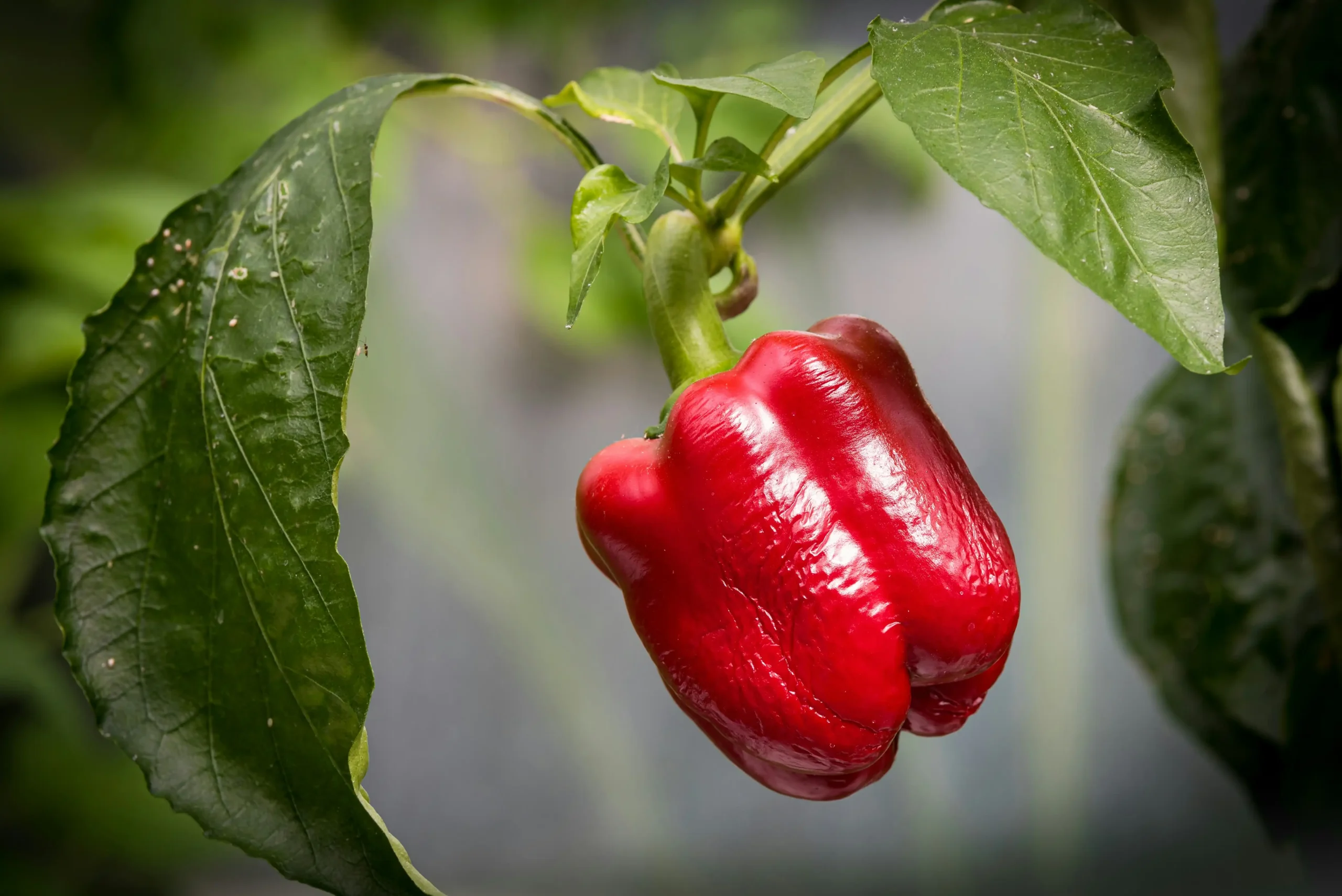
Harvesting at the right time ensures the best flavor and heat level. The peppers typically change color as they mature, indicating readiness for harvest. Allowing full ripening improves taste and intensity. Careful harvesting also protects the plant from damage and encourages continued production.
- Use clean scissors to cut peppers
- Harvest when fully colored for best flavor
- Avoid pulling fruits by hand
- Handle carefully to protect branches
- Harvest regularly to encourage new growth
Long Term Indoor Care
With proper care, habanero can continue producing for multiple seasons indoors. It can become more productive as it matures and develops a stronger root system. Long term success depends on consistent light, feeding, and occasional repotting when the roots outgrow the container.
- Maintain consistent light throughout the year
- Repot when roots become crowded
- Continue regular feeding schedule
- Prune lightly after harvest cycles
- Monitor plant health regularly
Final Thoughts
A habanero plant can thrive indoors when given the right environment and consistent care. Strong light, stable warmth, proper watering, and regular feeding all work together to support healthy growth and continuous fruit production.
When these conditions are maintained, the plant becomes a reliable source of fresh peppers while also adding natural beauty to indoor spaces.
Habanero seeds usually take 10 to 21 days to germinate depending on temperature and moisture levels. Warmer conditions help speed up the process.
Yes, indoor growing is perfect for winter. Just make sure it gets enough light and is kept away from cold drafts or heating vents.
Small peppers are usually caused by low light, lack of nutrients, or stress from inconsistent watering.
They are ready when they fully change color, usually from green to orange or red depending on the variety.
Yes, they can attract pests like aphids or spider mites, especially in dry indoor environments, so regular inspection is important
This usually happens due to low light or excess nitrogen in fertilizer, which encourages leaf growth instead of flowers.
Yes, but it should be gradually adjusted to outdoor conditions to avoid shock from sudden temperature and light changes.
A healthy indoor plant can produce dozens of peppers over its growing cycle when given proper care and conditions.
Yes, with proper care and regular feeding, the plant can keep producing peppers for many months or even years.


- Be Respectful
- Stay Relevant
- Stay Positive
- True Feedback
- Encourage Discussion
- Avoid Spamming
- No Fake News
- Don't Copy-Paste
- No Personal Attacks
- Be Respectful
- Stay Relevant
- Stay Positive
- True Feedback
- Encourage Discussion
- Avoid Spamming
- No Fake News
- Don't Copy-Paste
- No Personal Attacks
